-
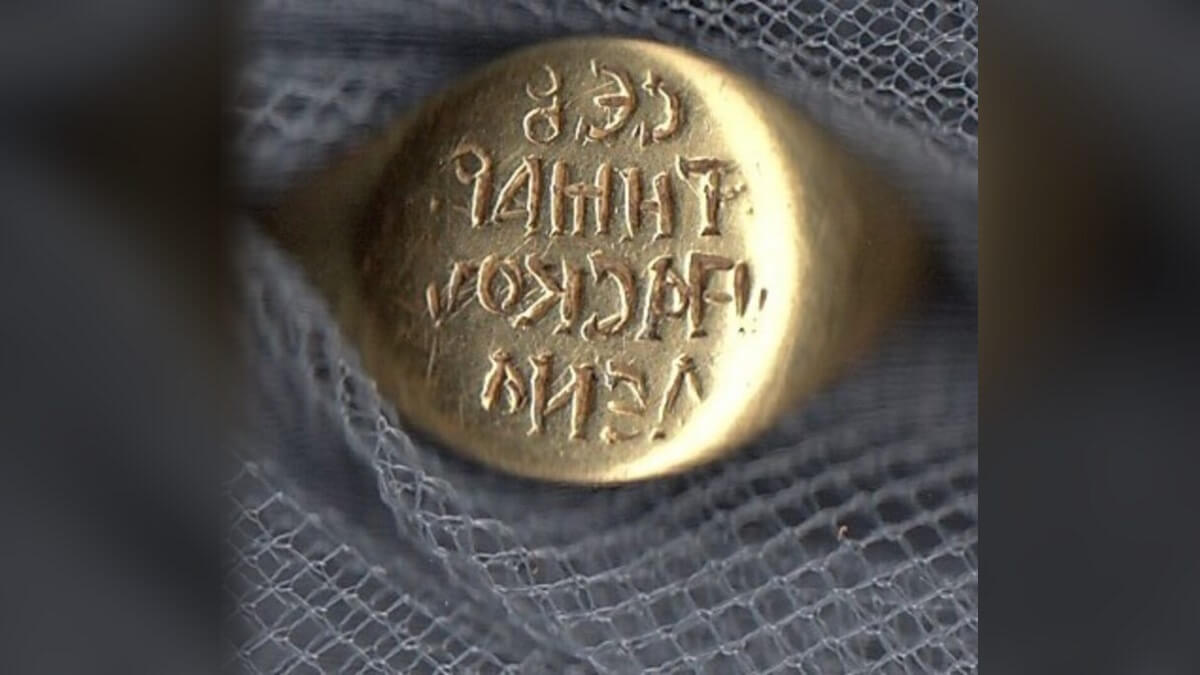
A 700-Year-Old Gold Ring from Bulgaria Carried a Byzantine Woman’s Name and Authority
A 14th-century Byzantine gold seal ring associated with southern Bulgaria preserves more than the name of an aristocratic woman. Inscribed for “sevasta Maria Skulena,” the ring was designed to authenticate documents in her name—an unusual glimpse of a woman exercising social or legal authority in the late Byzantine world. The gold ring reportedly originated near…
-
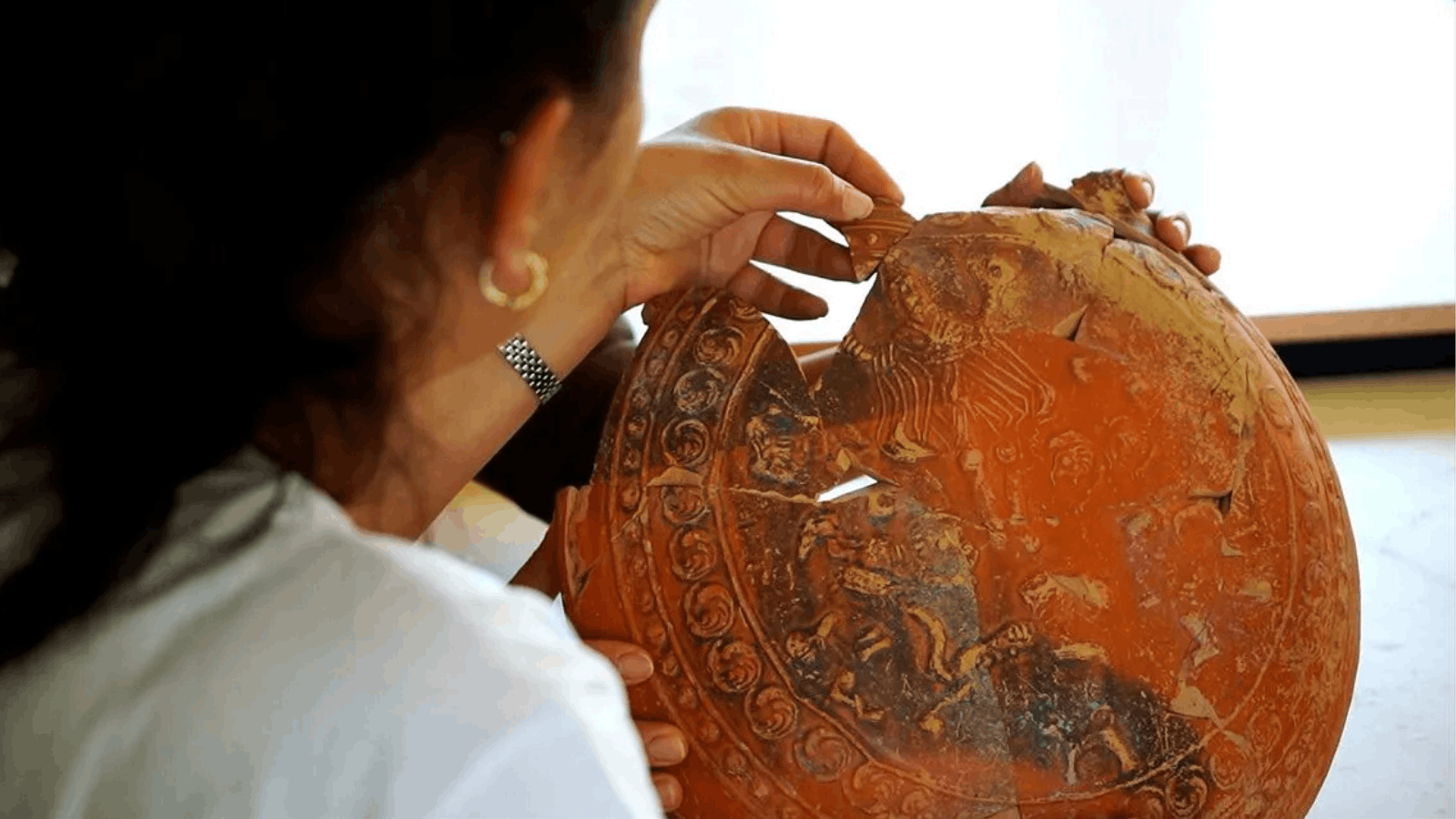
A Unique 1,500-Year-Old Vessel Depicting Daniel’s Four Beasts Discovered at Pisidian Antioch
A 1,500-year-old liturgical vessel discovered at Pisidian Antioch carries a scene that archaeologists say has no known parallel in Christian art: Daniel shown together with all four beasts from his biblical vision. The two-handled vessel dates to the 6th century AD and was uncovered during excavations in the ancient city’s Christian complex in Yalvaç, southwestern…
-
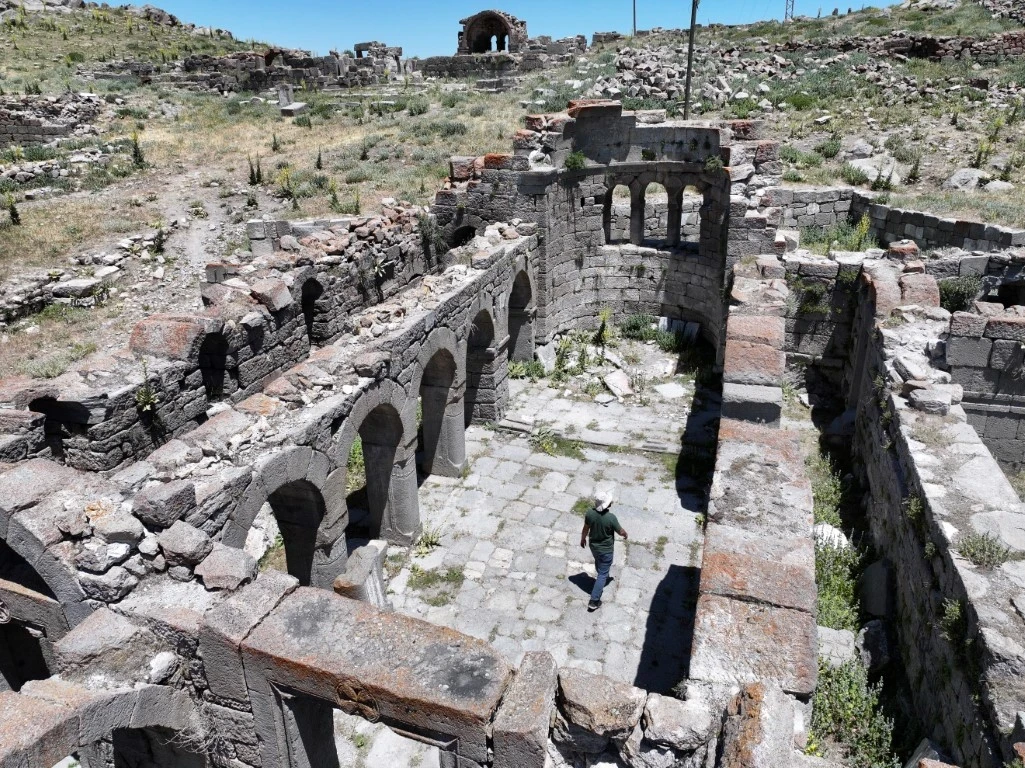
15 Newly Discovered Churches at Binbir Kilise Suggest Lost Byzantine Pilgrimage Center in Anatolia
A new wave of archaeological discoveries in central Turkey is reshaping what we know about one of Anatolia’s most enigmatic sacred landscapes. In the volcanic highlands of Karadağ, north of Karaman, researchers have identified at least 15 previously undocumented churches and chapels within the historic Binbir Kilise region. The findings point to something far more…
-
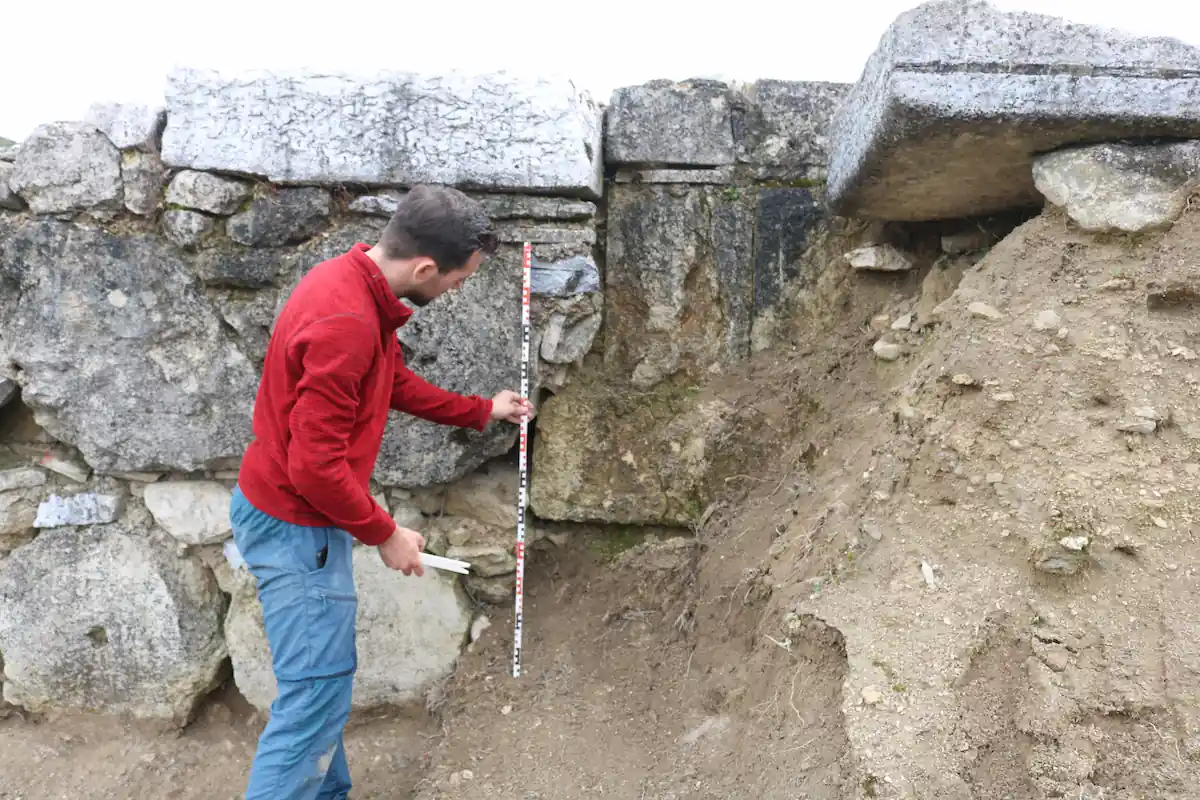
1,000-Year-Old Water System in Amphipolis Reveals Three Empires Shared the Same Network
Ancient Amphipolis built something that refused to disappear. For more than 1,000 years, through the rise and fall of empires, the city’s water system continued to function—adapting, expanding, and surviving long after its original builders were gone. New archaeological research now shows that this single infrastructure network served Greek, Roman, and Byzantine Amphipolis without interruption.…
-
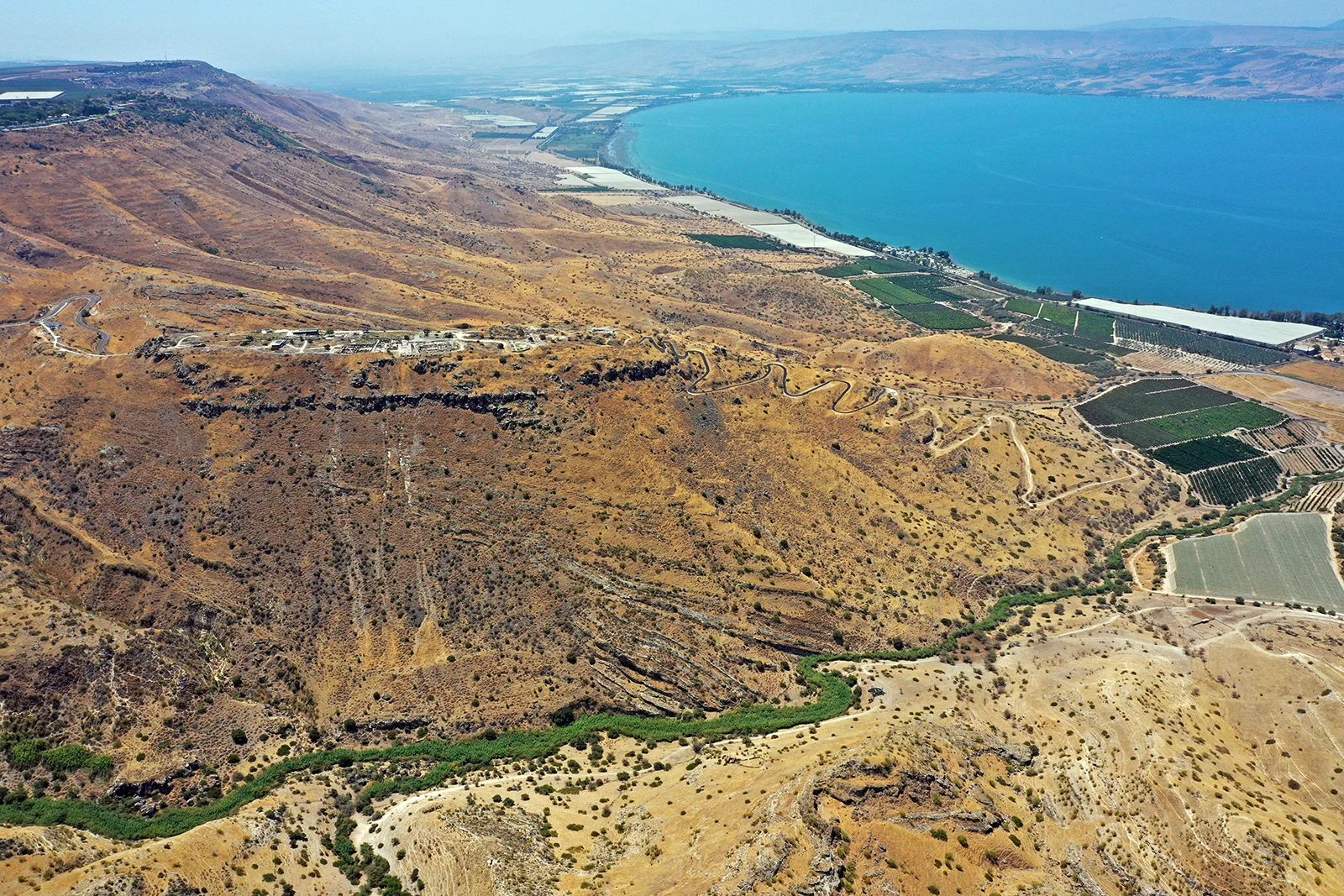
A 1,600-Year-Old Nursing Home Has Been Discovered in a Byzantine City Near the Sea of Galilee
At first glance, it looked like an ordinary mosaic floor. But a short inscription embedded in stone told a very different story—one that reaches into the social heart of the Byzantine world. Archaeologists working at the ancient city of Hippos, overlooking the Sea of Galilee, have uncovered what may be the earliest archaeological evidence of…
-
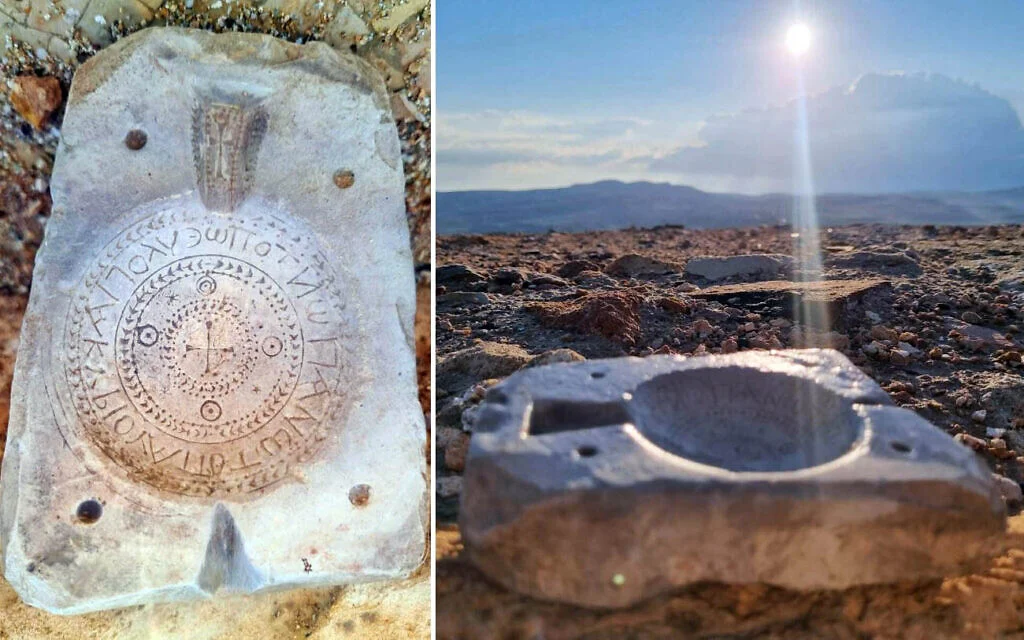
A Byzantine Pilgrimage Industry Revealed by a 1,400-Year-Old Souvenir Mold in the Judean Desert
Archaeologists working at Hyrcania, a remote hilltop complex in the Judean Desert, have uncovered a rare limestone mold that once produced small pilgrimage flasks more than 1,400 years ago. The discovery offers unusually direct evidence for how Christian pilgrimage functioned not only as a spiritual journey, but also as a localized craft economy during Late…
-
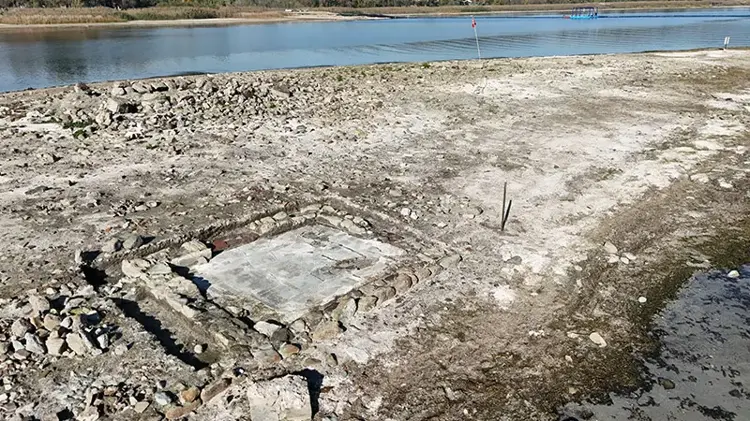
As Water Recedes, a Mosaic-Floored Ancient Structure Resurfaces in Lake Sapanca, Türkiye
A newly exposed Late Antique building is shedding light on the early Christian footprint of the Lake Sapanca region. When the water level of Lake Sapanca receded sharply in recent weeks, a geometric floor pattern suddenly appeared beneath a thin layer of silt: the unmistakable remains of a mosaic-paved chamber. The discovery immediately drew scholarly…
-
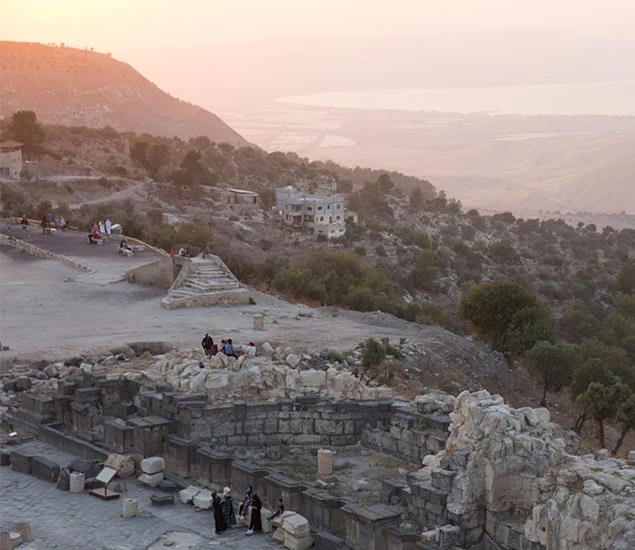
Excavations at Abila Reveal Byzantine Basilicas and a Rare Church Inscription
Archaeological research at Abila, one of the ancient Decapolis cities in northern Jordan, is uncovering a long-lost landscape of Byzantine faith, Greco-Roman art, and early Christian devotion. Recent studies led by Professor David Vila of John Brown University have revealed multiple Byzantine basilicas, a monastic complex, and a newly deciphered church inscription dated to 580…
-
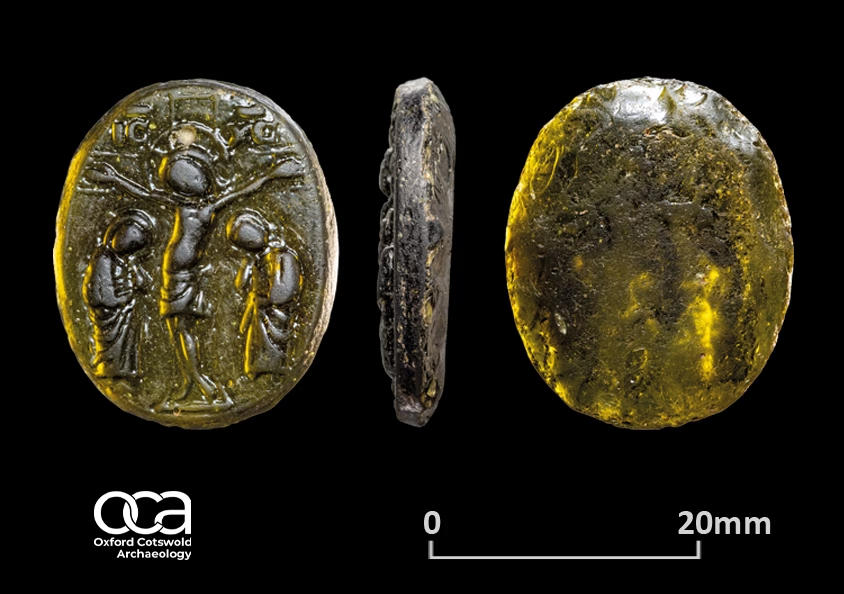
A Byzantine Glass Cameo Unearthed in Britain Reveals the Global Reach of Medieval Pilgrimage
Archaeologists from Oxford Cotswold Archaeology have uncovered a small yet extraordinary Byzantine glass cameo depicting the Crucifixion of Christ, offering a rare glimpse into how sacred imagery circulated across the medieval world. The translucent green cameo — just 2 centimeters across — shows Christ on the Cross, flanked by the Virgin Mary and St. John,…