
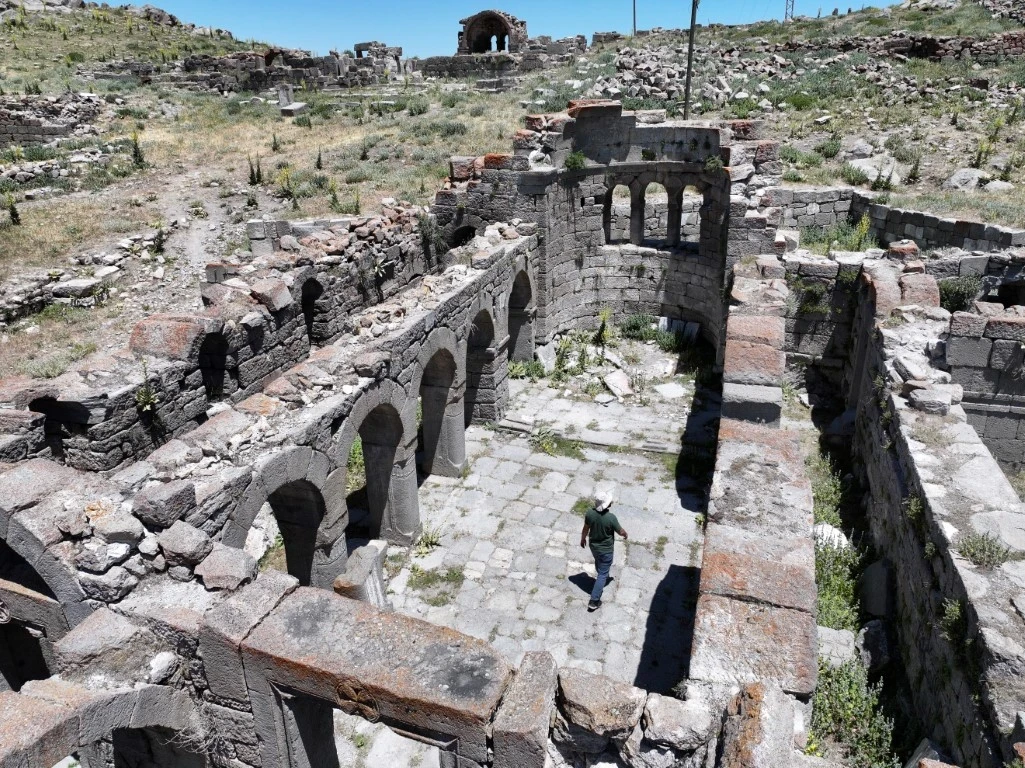
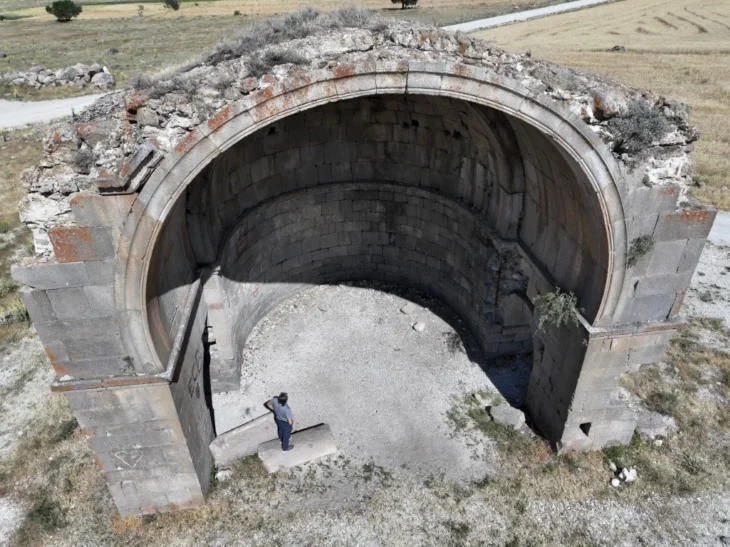
A new wave of archaeological discoveries in central Turkey is reshaping what we know about one of Anatolia’s most enigmatic sacred landscapes. In the volcanic highlands of Karadağ, north of Karaman, researchers have identified at least 15 previously undocumented churches and chapels within the historic Binbir Kilise region. The findings point to something far more significant than scattered ruins—evidence that the area may have functioned as a major Byzantine pilgrimage center.
The research, led by Assoc. Prof. Dr. İlker Mete Mimiroğlu of Necmettin Erbakan University, focuses on Early Christian and Byzantine architecture across the slopes of the extinct volcano. What initially appeared to be isolated remains is now revealing a different reality: a network of interconnected settlements stretching across the landscape.
A Sacred Landscape Spread Across the Mountain
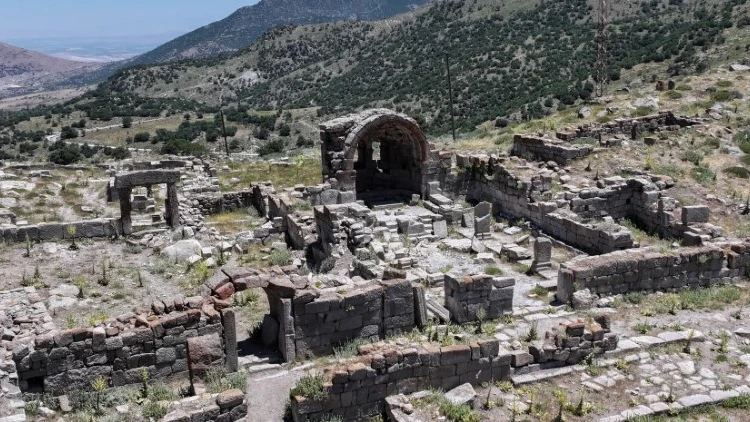
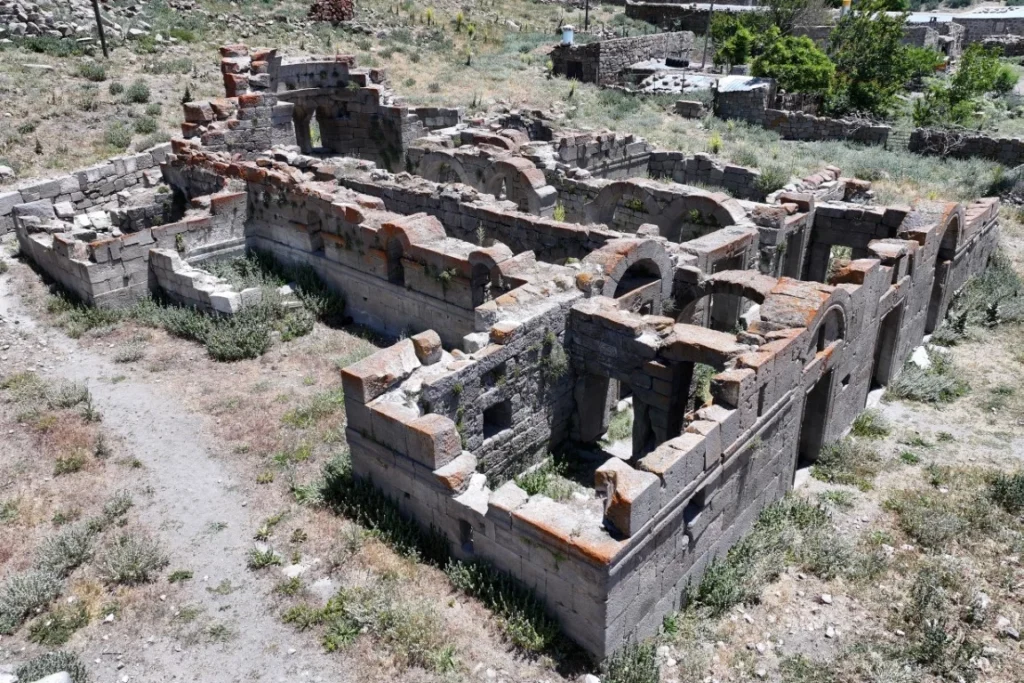
Binbir Kilise is no longer understood as a single site. The newly documented churches and chapels are part of a much broader system that includes cisterns, tombs, inscriptions, open-air worship areas, and multi-building complexes.
Taken together, these elements suggest a place that was not only sacred but also inhabited. This was a landscape designed to support life—one that could sustain both a resident population and visitors moving through the region. In that sense, Karadağ begins to look less like a remote religious outpost and more like an active and organized settlement zone.
Between Solitude and Community
One of the most revealing aspects of the survey is the evidence for ascetic and hermitic practices. Several natural caves, some of them modified, appear to have been used as retreat cells. Carved crosses found inside these spaces point to deliberate religious use.
This detail matters. It shows that Binbir Kilise was not defined by a single form of worship. Communal religious life coexisted with solitary devotion, creating a layered spiritual environment that reflects the broader character of Byzantine religious culture.
Why “Thousand and One Churches”?
Despite its striking name, Binbir Kilise—“Thousand and One Churches”—was never meant to be taken literally. In Turkish, the phrase “binbir” often conveys abundance rather than an exact number.
The name reflects the remarkable density of religious structures across the region. When early explorers such as Gertrude Bell and William Mitchell Ramsay documented the area in the late 19th century, they were struck by the sheer number of churches, monasteries, and chapels scattered across the volcanic slopes. Today’s discoveries confirm that their impression was not an exaggeration.
A Pilgrimage Center with Regional Reach
The scale of the site is becoming harder to ignore. Architectural diversity, infrastructure, and settlement patterns all point in the same direction: Binbir Kilise was likely more than a local religious center. It may have attracted pilgrims from across Anatolia, supported monastic communities, and played a meaningful role in regional religious networks.
Ongoing studies of inscriptions could soon offer more precise insights into the people who moved through this landscape—worshippers, patrons, and religious authorities.
Signs of Life Beyond Byzantium
One of the most intriguing findings is the discovery of a Seljuk-period coin. This small detail carries significant weight. It suggests that activity in the region did not end abruptly with the decline of Byzantine control.
Instead, parts of the settlement may have continued to function, adapting over time to new cultural and political realities. This possibility challenges earlier assumptions and points to a more gradual transformation of the landscape.
A Story Still Unfolding
Much of Karadağ remains only partially documented, and the number of unrecorded structures is likely far higher. Each new field season is adding depth to a story that is still taking shape.
What is becoming clear, however, is that Binbir Kilise was never just a cluster of ruins. It was a complex and evolving sacred landscape, one that played a central role in the spiritual and social life of Byzantine Anatolia.
And as more of it comes to light, the meaning behind its name—symbolic though it may be—feels increasingly justified.