-
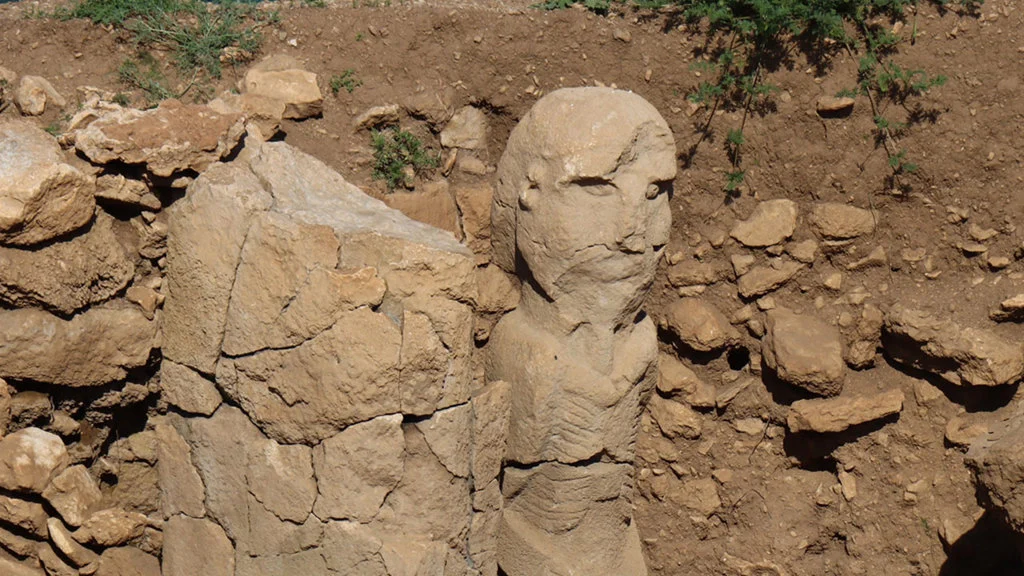
Karahantepe Diet Revealed: Gazelle Meat and Legumes Shaped Early Neolithic Life
A quiet detail is beginning to reshape how we understand the earliest settled communities. At Karahantepe, one of the key sites of the Taş Tepeler project in southeastern Türkiye, new research suggests that daily life was built around a surprisingly focused diet: gazelle meat and legumes. The finding may sound simple. It is not. It…
-
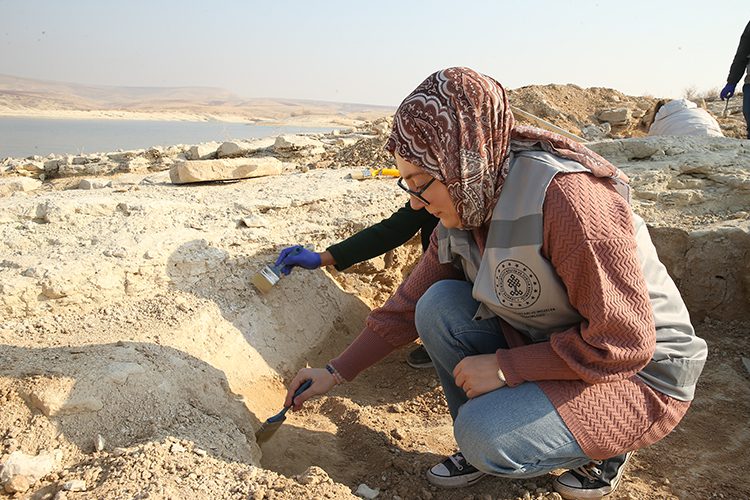
As the Euphrates Receded, Familiar Stones Emerged: Is the Taş Tepeler World Expanding?
When the waters of the Upper Euphrates pulled back, the stones left behind told a story archaeologists know well—but not from this place. Along the exposed shoreline of the Atatürk Dam reservoir in southeastern Türkiye, researchers have identified T-shaped stone elements—a form inseparable from the ritual landscape of Göbeklitepe. Their appearance here, hundreds of kilometers…
-
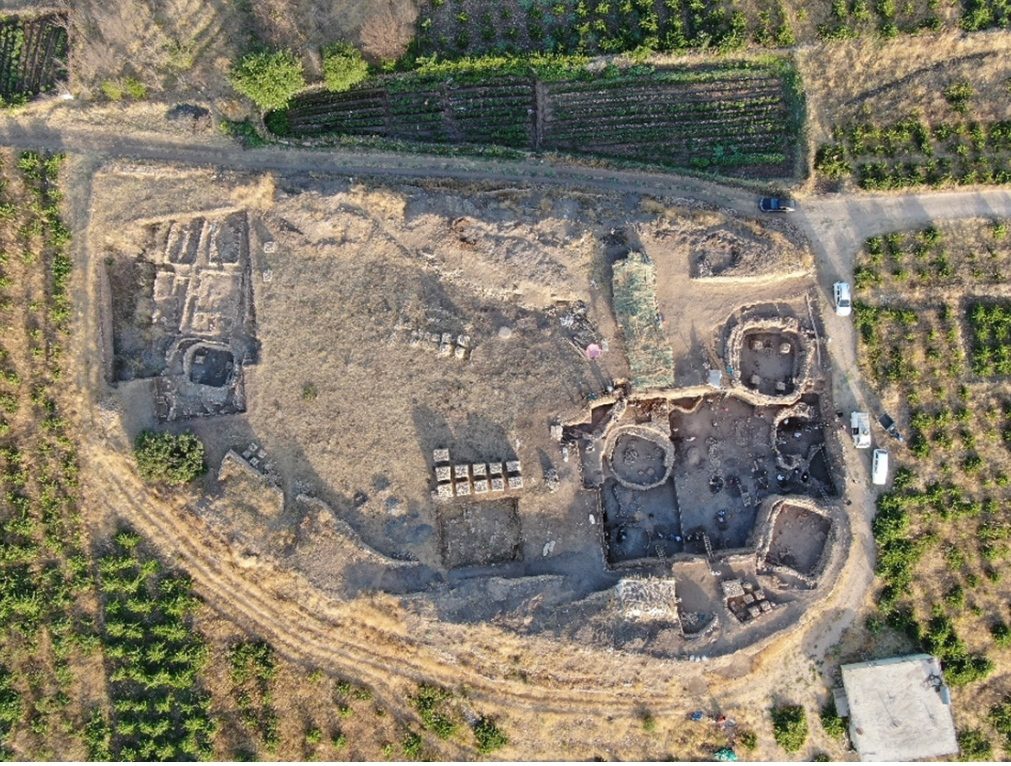
According to archaeologists, finds from the Gre Fılla Mound show the region was contemporary with Göbeklitepe
Archaeological research at the Gre Fılla Mound in southeastern Türkiye indicates that the site belongs to the same broad cultural horizon as Göbeklitepe, placing the region firmly within the Pre-Pottery Neolithic period. The available material evidence suggests that Gre Fılla was part of a wider network of early sedentary communities, active approximately 11,000 to 12,000…
-

Turkey’s Taş Tepeler Reveals its Most Mysterious Neolithic Art Yet: New Faces, New Rituals, New Questions
A still-faced sculpture with a sealed mouth, unfamiliar stone portraits carved in the hills, and a double-sided bead that seems to look in two directions at once—Turkey’s Taş Tepeler region has entered a new phase of archaeological intrigue. In Şanlıurfa this week, the Ministry of Culture and Tourism introduced a set of discoveries that not…
-
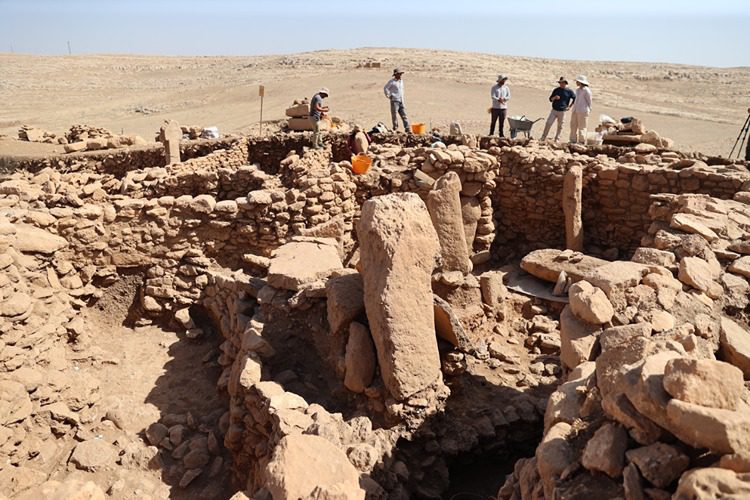
Karahantepe May Reveal Göbeklitepe Was Never Just a Temple
In the barren hills of southeastern Turkey, Karahantepe is quietly rewriting what we thought we knew about humanity’s earliest monuments.For decades, Göbeklitepe stood as an enigma — a site of stone circles and sacred carvings often described as the world’s first temple.Now, new evidence from Karahantepe suggests a more complex story: these were not places…
-
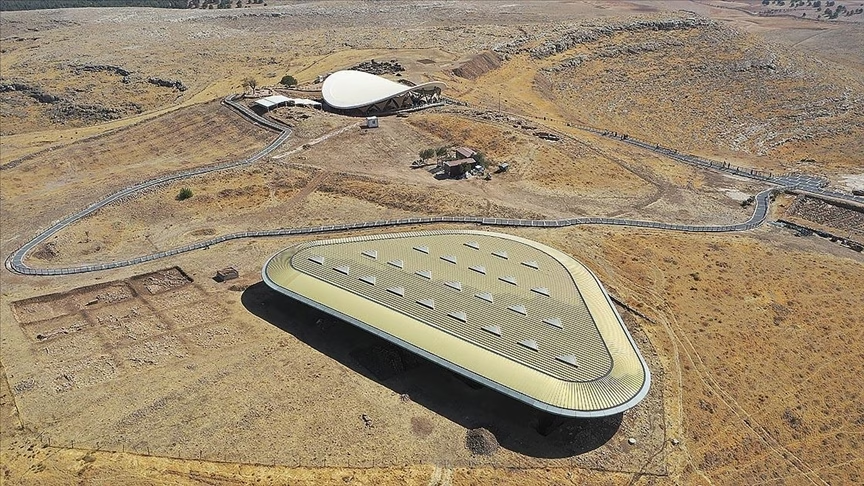
A New Excavation Area at Göbeklitepe to Open for Visitors: Neolithic Sculptures Reveal New Layers of History
A new excavation area at Göbeklitepe, listed on the UNESCO World Heritage List and known as the “zero point of history,” is preparing to open to visitors. Located 18 kilometers northeast of Şanlıurfa, the Neolithic site has transformed our understanding of early human history with its T-shaped monolithic pillars, decorated with wild animal reliefs, measuring…
-
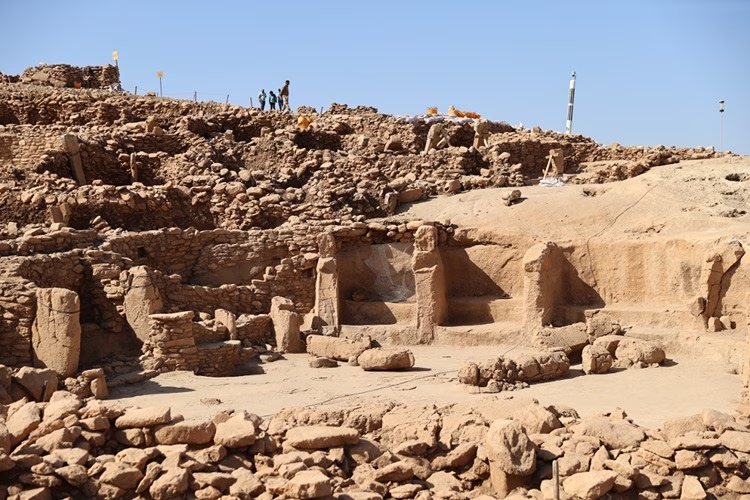
Daily Life Unearthed at Karahantepe: Over 30 Neolithic Dwellings Reveal the Human Side of an 11,000-Year-Old Settlement
Archaeologists excavating the Neolithic site of Karahantepe in southeastern Türkiye have uncovered more than 30 small, subterranean dwellings dating back around 11,000 years. The discovery provides the clearest glimpse yet into how early Anatolian communities lived, worked, and organized their daily routines — long before the rise of cities or agriculture as we know them.…
-
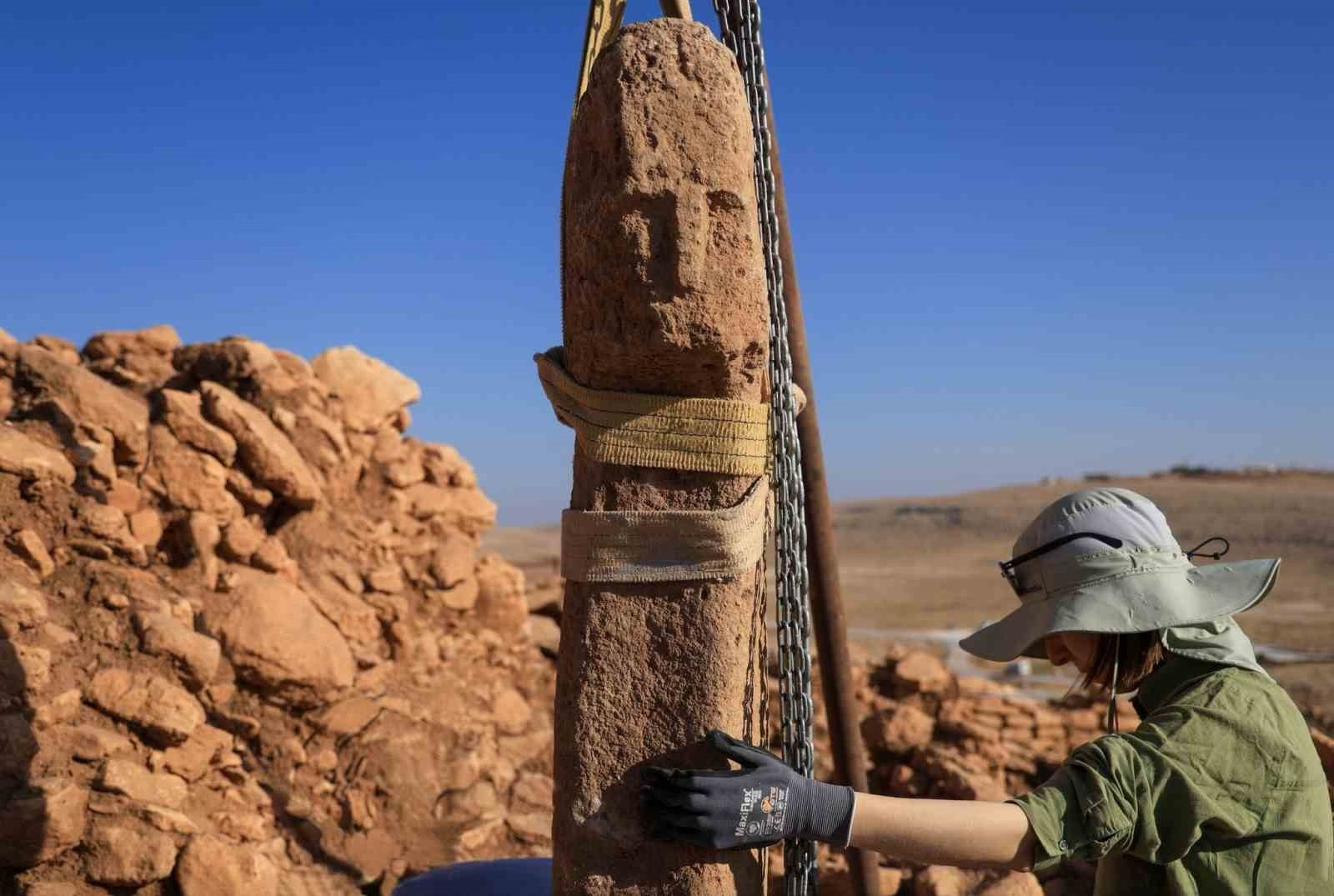
A New Chapter in Prehistory: First Human-Faced T-Shaped Pillar Unearthed at Karahantepe
Archaeologists working at Karahantepe, one of Türkiye’s oldest Neolithic sites, have uncovered a T-shaped stone pillar bearing a carved human face — a discovery hailed as a first in human history. The announcement was made by Minister of Culture and Tourism Mehmet Nuri Ersoy, who shared the news on his official X (Twitter) account, writing:…
-
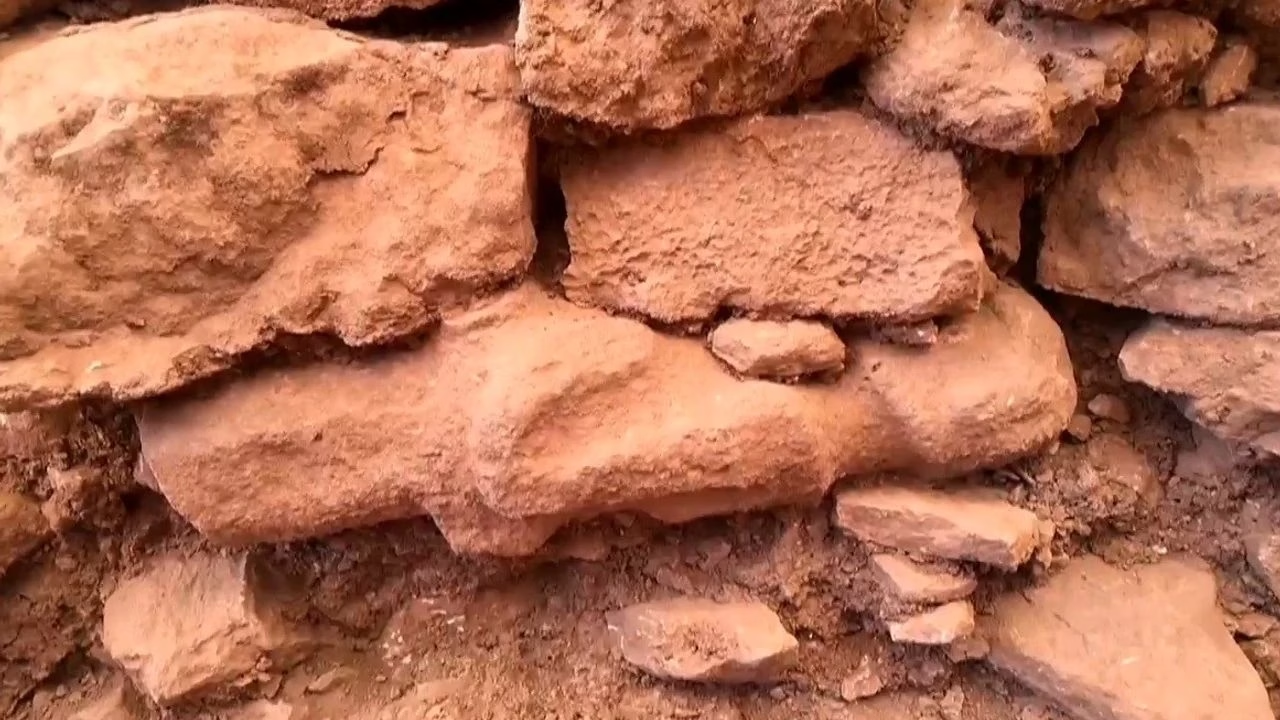
12,000-Year-Old Human Statue Found at Göbeklitepe Redefines Neolithic Beliefs
Archaeologists at Göbeklitepe, the world’s oldest known temple complex in southeastern Turkey, have uncovered a striking 12,000-year-old human statue embedded within a wall. The discovery is expected to reshape our understanding of Neolithic rituals and belief systems. Turkish Minister of Culture and Tourism Mehmet Nuri Ersoy announced the find during his visit to the site,…