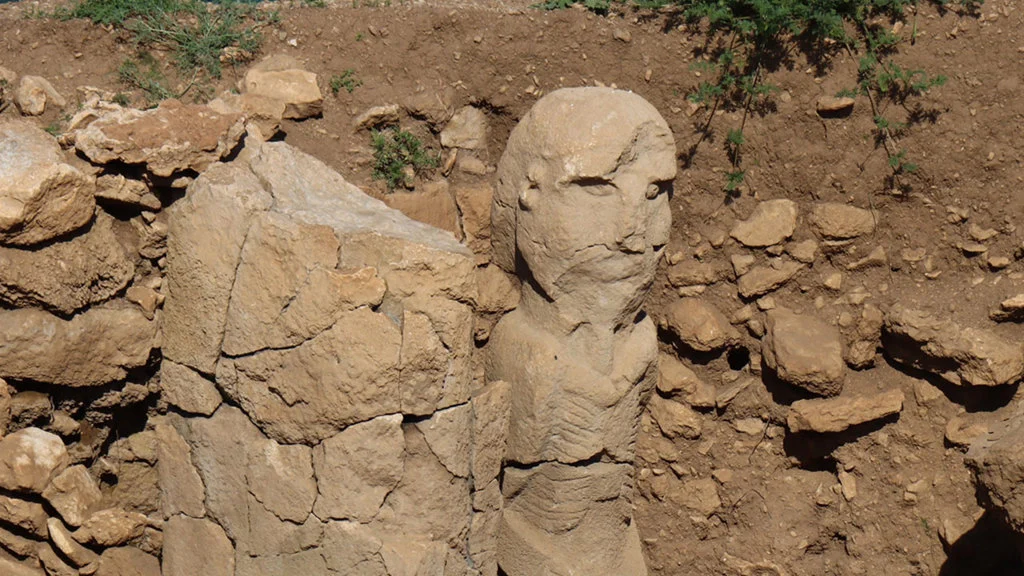
A quiet detail is beginning to reshape how we understand the earliest settled communities. At Karahantepe, one of the key sites of the Taş Tepeler project in southeastern Türkiye, new research suggests that daily life was built around a surprisingly focused diet: gazelle meat and legumes.
The finding may sound simple. It is not. It adds a crucial layer to a site more often discussed for its architecture than for the people who lived there.
A Clear Pattern in Animal Consumption
According to Prof. Dr. Necmi Karul, director of the Karahantepe excavations, faunal remains consistently point in one direction. Gazelle was not just part of the diet. It was dominant.
This was not opportunistic hunting. The repetition and density of gazelle bones indicate a structured and reliable food strategy. In practical terms, this suggests that Karahantepe’s inhabitants were not simply reacting to their environment. They were selecting and sustaining a primary resource.
The same pattern appears at Göbeklitepe, reinforcing the idea that gazelle hunting played a central role across early Neolithic communities in Upper Mesopotamia.
Similar Region, Different Strategy
Yet the comparison with Göbeklitepe also reveals a meaningful contrast.
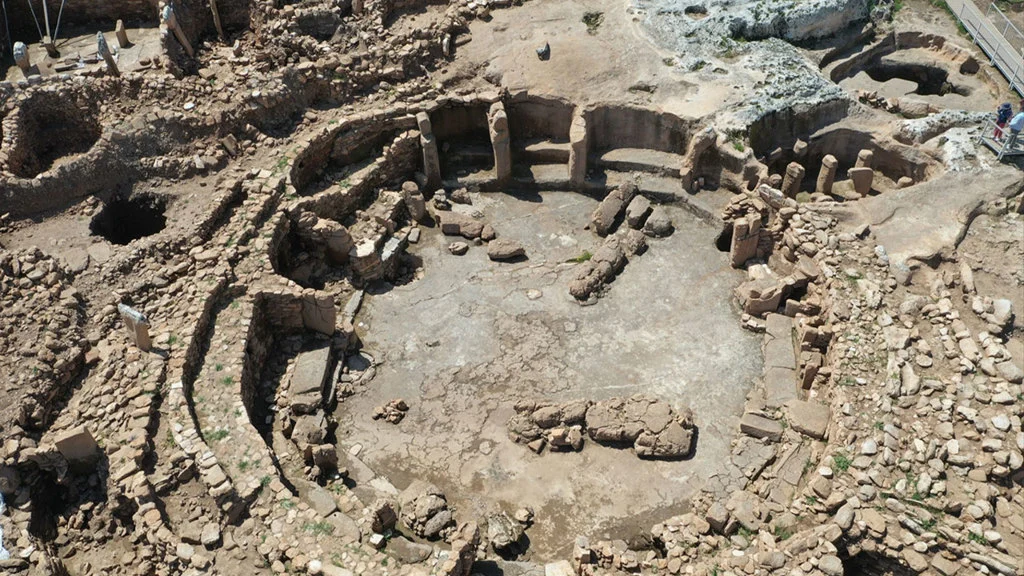
At Göbeklitepe, animal remains show a much broader ecological range. Species from lowland plains to higher, more rugged terrain appear in the record. This suggests wider mobility or access to diverse hunting grounds.
Karahantepe tells a different story. The data points to a more selective subsistence model, one that leaned heavily on a single, abundant species rather than a wide ecological spectrum.
That difference matters. It may reflect variations in landscape use, settlement stability, or even social organization. These are not small distinctions. They go to the core of how early communities adapted to their surroundings.
Legumes, Not Just Grains
The plant evidence introduces another shift in perspective.
For years, early Neolithic diets in the region were often framed around cereals. But the material from Karahantepe complicates that picture. Instead, it suggests that legumes held a central place in daily nutrition.
This is a significant adjustment. Legumes provide protein, are relatively easy to store, and can support more stable food systems. Their presence at scale implies that Karahantepe’s inhabitants were developing practical, sustainable dietary strategies, not merely relying on whatever was available.
In other words, this was not a transitional diet. It was a managed one.
From Excavation to Evidence
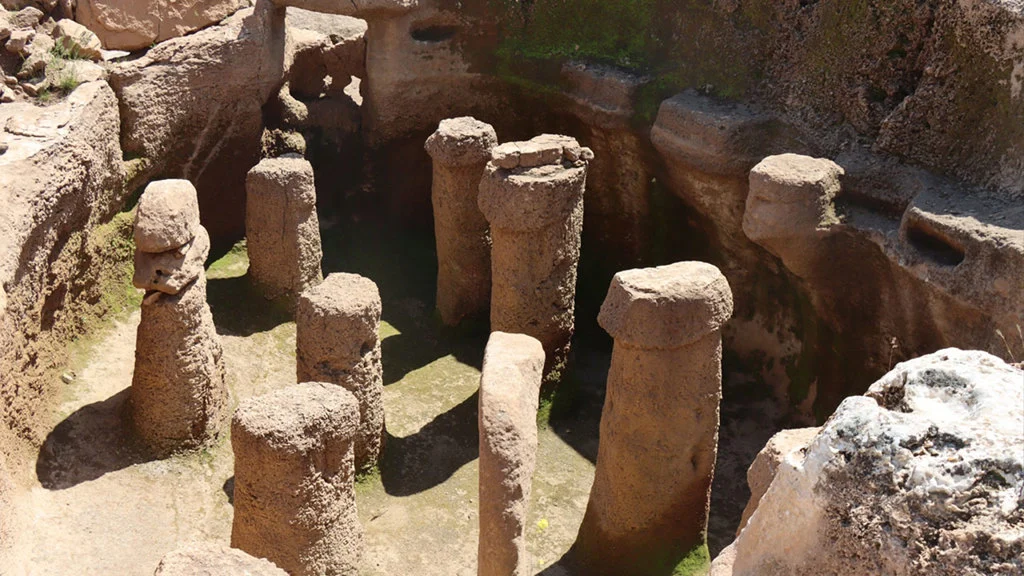
These conclusions do not come from a single season. They are the result of ongoing laboratory and archival work, where previously recovered materials are reanalyzed and placed into a broader interpretive framework.
Karul emphasizes that this phase is essential. Excavation reveals the material. Laboratory work turns it into knowledge.
With new excavation campaigns planned, researchers expect to expand the dataset and refine these early conclusions. The current picture is already clear enough to challenge older assumptions. What comes next may sharpen it further.
Rethinking Early Settled Life
Karahantepe has often been discussed alongside monumental architecture and symbolic structures. Those elements remain important. But the emerging dietary evidence shifts attention toward something more fundamental.
How did people live, day to day?
The answer now appears more structured than once thought. A consistent reliance on gazelle, combined with the strategic use of legumes, points to a community that understood its environment and made deliberate choices within it.
That combination—focused hunting and efficient plant use—suggests a level of organization that aligns closely with the broader transition toward settled life.
Karahantepe does not need a label to match Göbeklitepe’s “zero point of history.” Its significance is becoming clearer in a different way. It shows how early communities did not just build. They planned, adapted, and sustained themselves with precision.