-
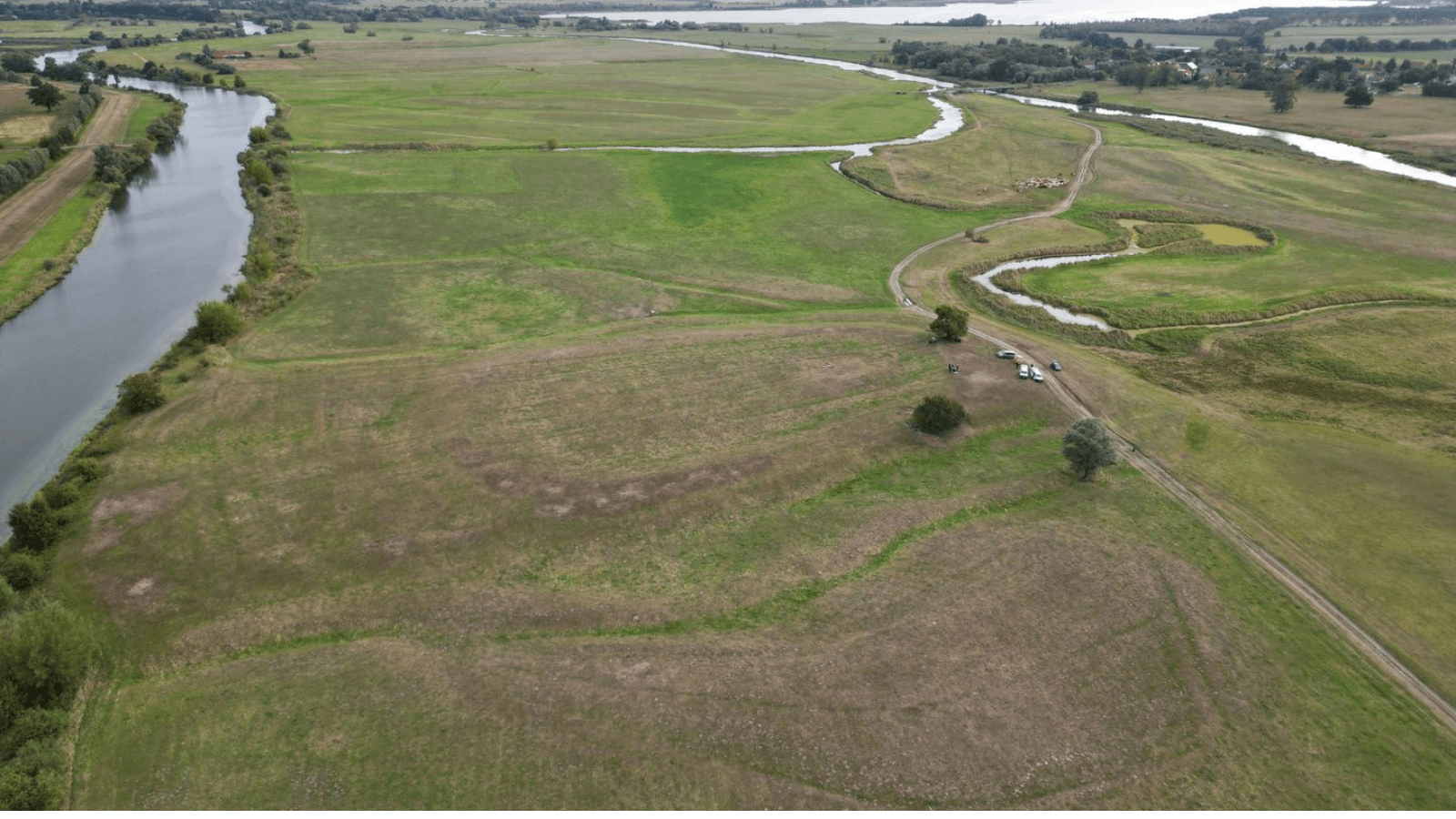
First Excavation of a Slavic Stronghold in Germany Reveals Iron Age and Neolithic Activity
The first archaeological excavation at the Pilatsch Slavic stronghold in eastern Germany has uncovered evidence that people used the site long before its medieval defenses appeared. Alongside material linked to the Slavic occupation, archaeologists recovered finds from the pre-Roman Iron Age and the Neolithic period. The discoveries were made near Gülpe in Brandenburg’s Lower Havel…
-
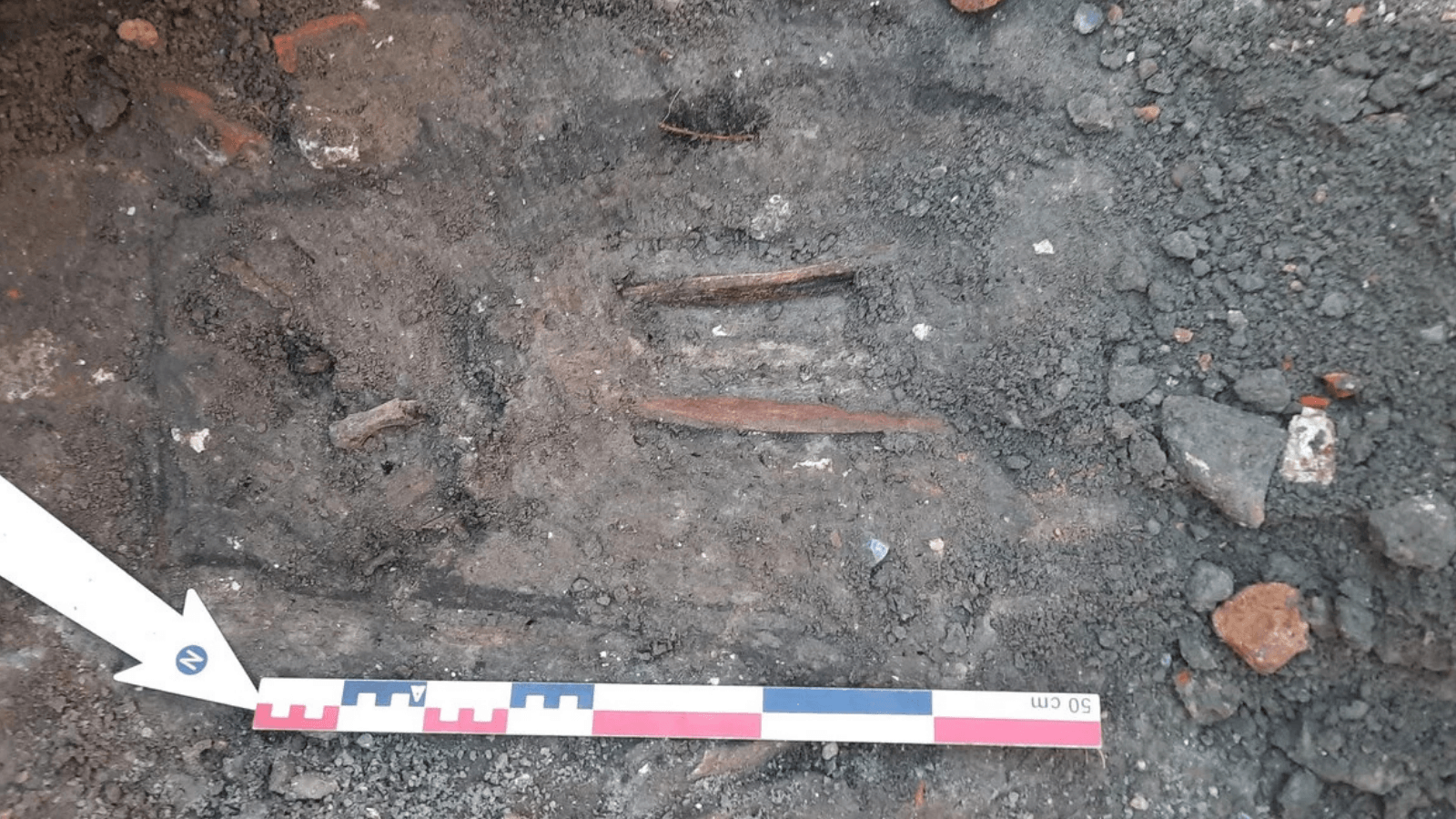
Archaeologists Open a Small Test Pit in Ghent and Find Five Layers of Medieval Burials
A two-square-metre test pit opened beside St James’ Church in Ghent has exposed four well-preserved burials at a depth of 1.3 metres. Further investigation indicates that five burial levels lie beneath this small section of the Vlasmarkt, where archaeologists estimate the remains of at least 240 people may survive within an area of just 23…
-
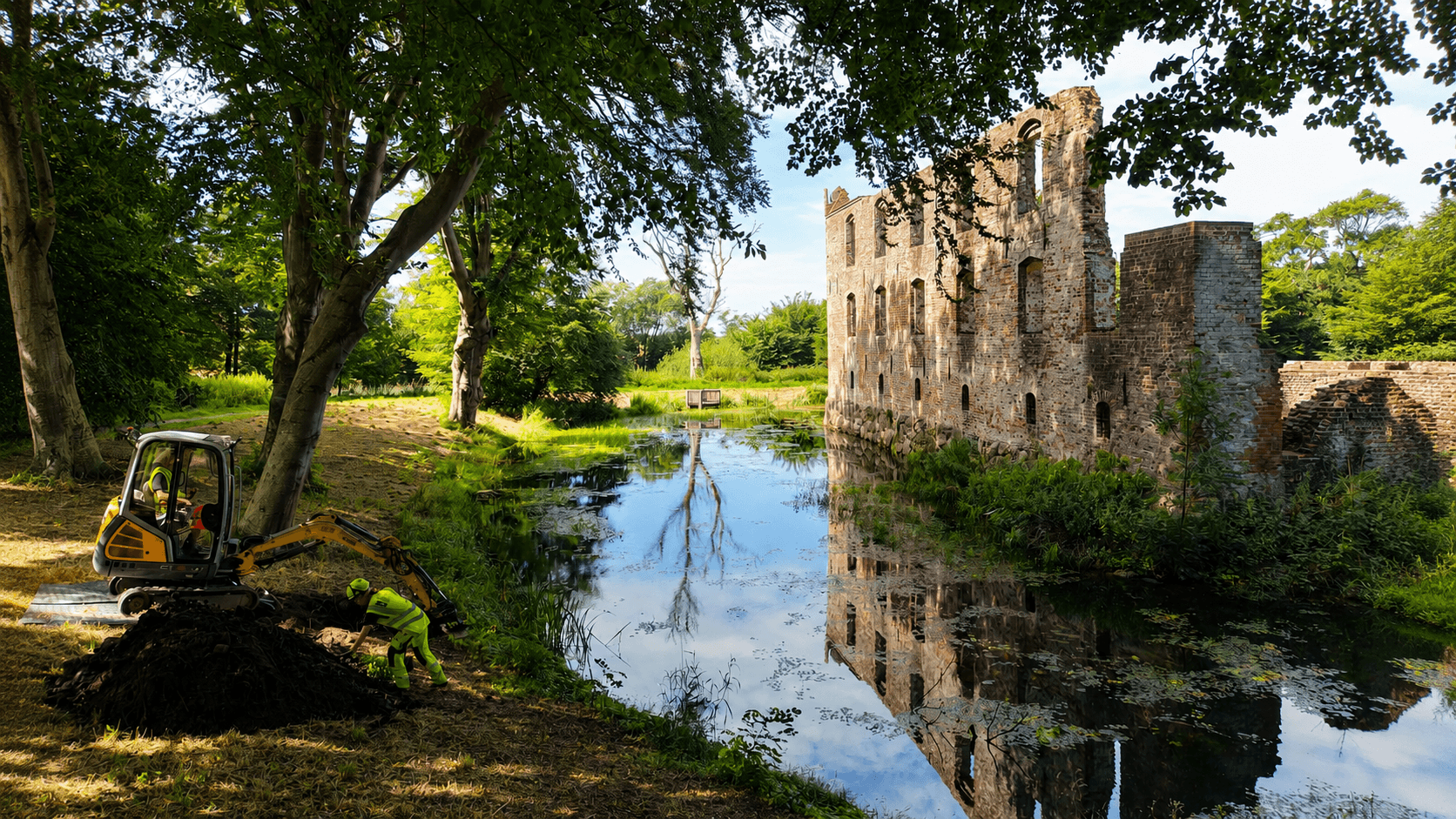
Wooden Foundations Found Beneath the Entrance to Denmark’s Trøjborg Castle
Worked wooden piles uncovered at the entrance to Denmark’s Trøjborg Castle may belong to a former gatehouse. Tree-ring dating could reveal whether they formed part of the medieval fortress or the Renaissance castle built over it centuries later. Archaeologists from Museum Sønderjylland encountered the timbers while monitoring construction at the protected castle ruin near Visby…
-
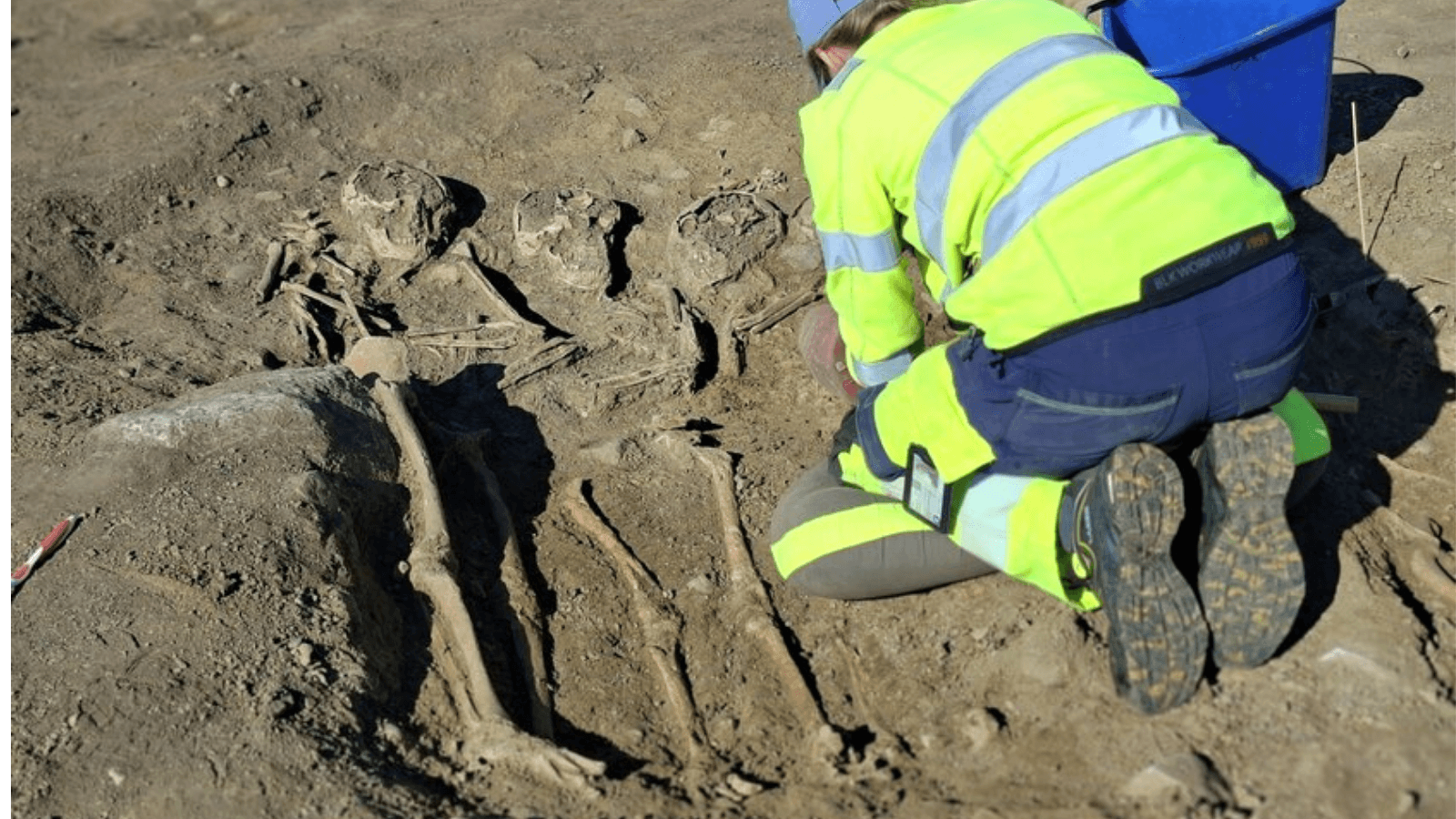
1,000-Year-Old Christian Cemetery in Norway Reveals Unusual Multiple Burials
Archaeologists investigating a 1,000-year-old Christian cemetery in Norway have uncovered 15 skeletons, including adults and children. Several of the graves contain two or more people, making the burial ground at Valum unusual for an early medieval rural community. One grave at Valum, near Hamar, held four individuals placed closely together, while others contained three or…
-
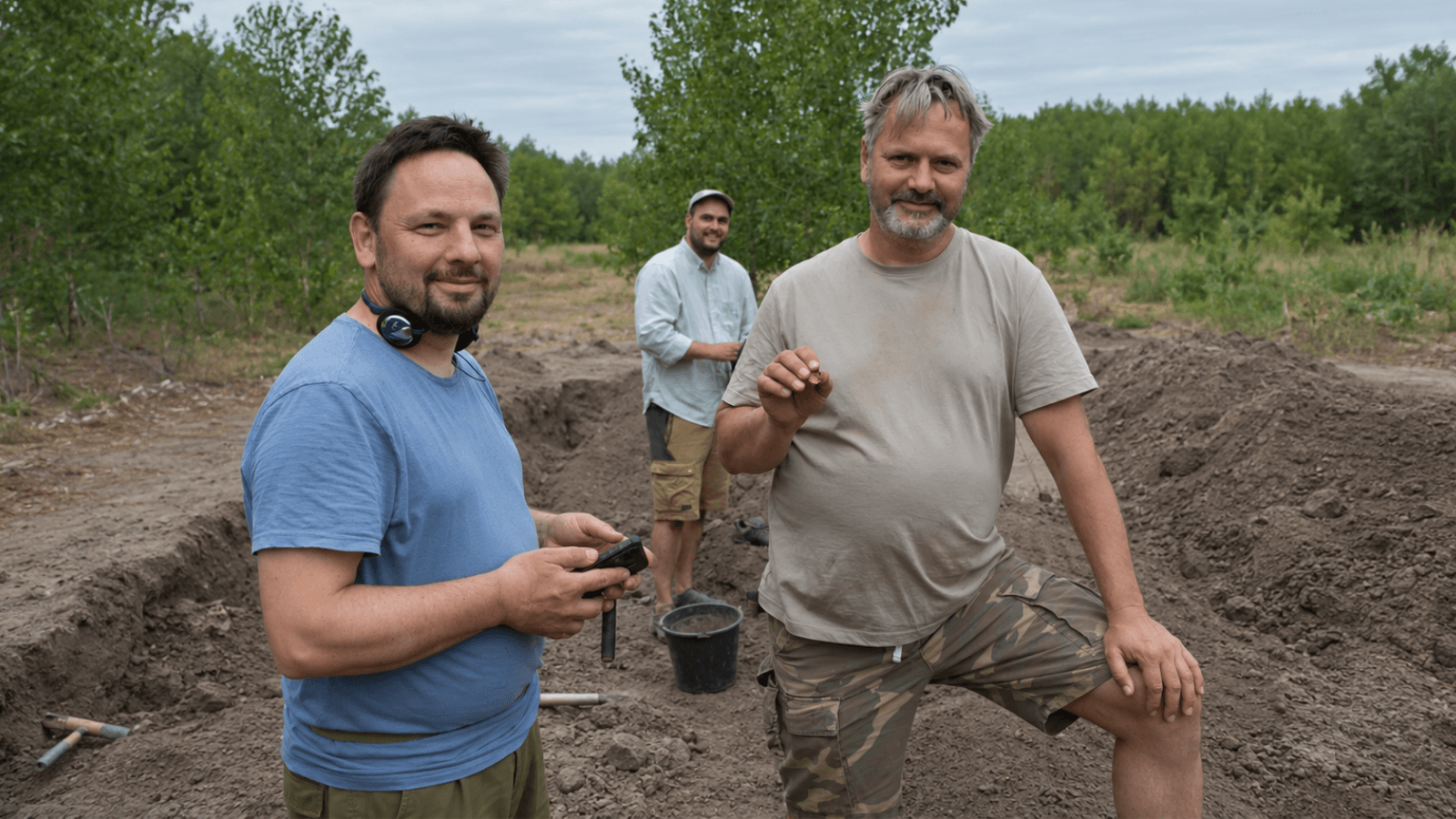
Rare Gold Fittings Found in 1,000-Year-Old Elite Grave at Undisclosed Site in Hungary
Rare gold fittings discovered at an undisclosed site in Hungary have been linked to an elite burial from the Hungarian Conquest period more than 1,000 years ago. The find was made at an undisclosed location in Pest County, where the exact site is being kept confidential while archaeological investigations continue. Officials say the location will…
-
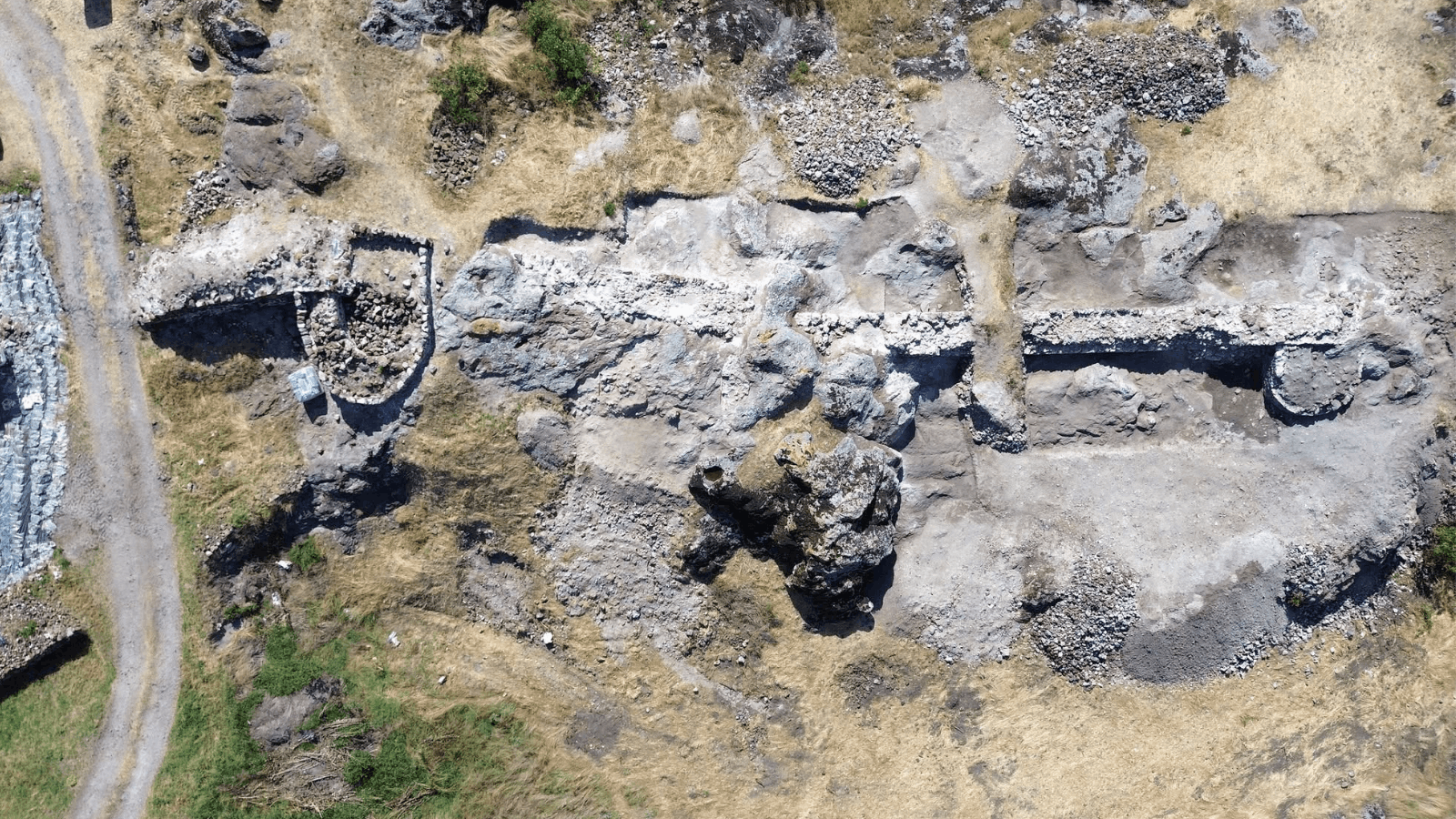
Two Towers and 18 Arrowheads Reveal Signs of Fighting at Rusokastro Fortress
Archaeologists investigating Rusokastro Fortress in southeastern Bulgaria have uncovered two previously unknown defensive towers and 18 iron projectile points concentrated beside the medieval walls. Several of the points were bent after striking stone, offering physical evidence of fighting around this part of the fortress. The discovery was announced by the Regional Historical Museum – Burgas,…
-
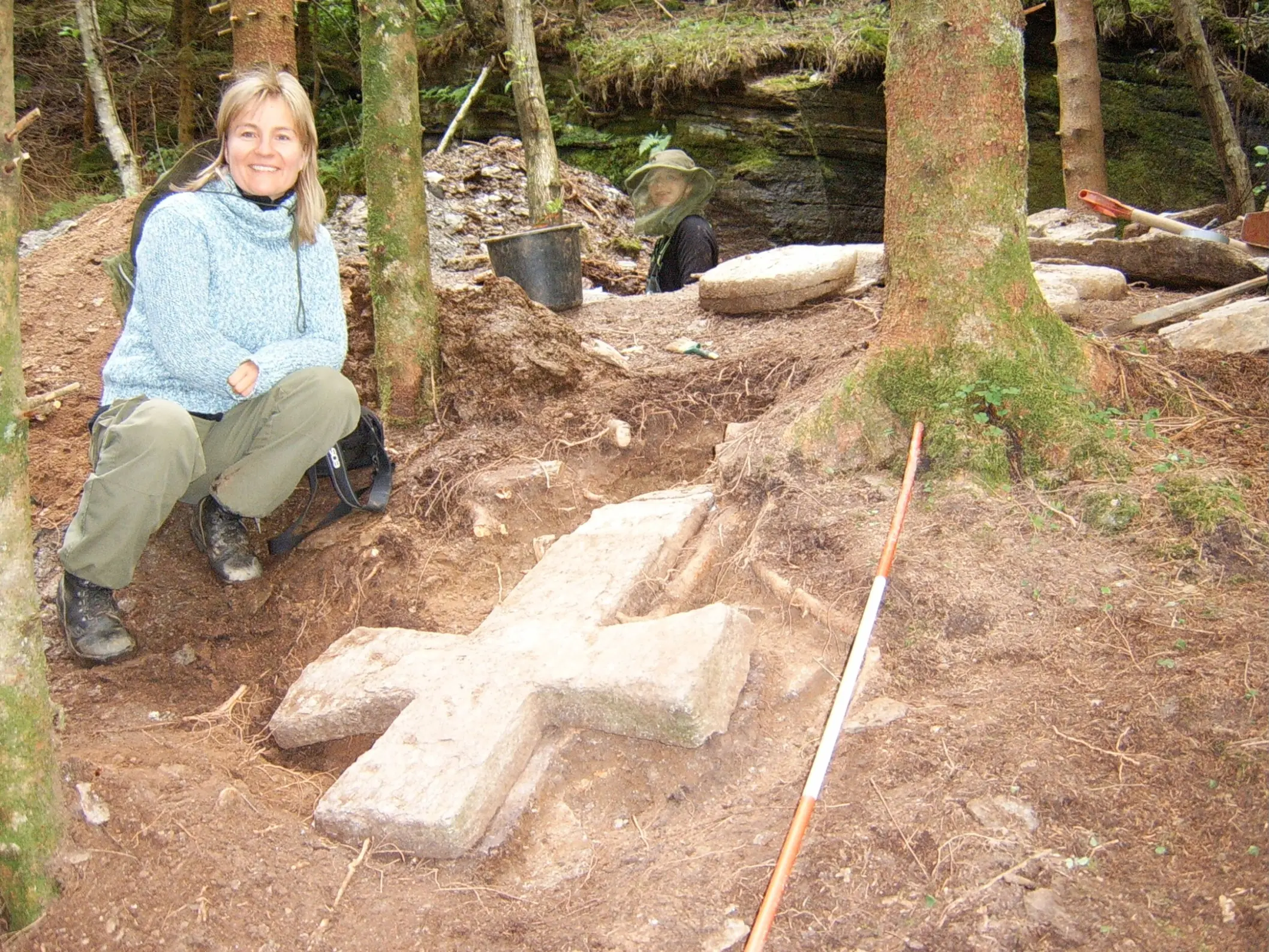
A Waste Heap at a Norwegian Quarry Hid Seven Medieval Stone Crosses
A heap of broken stone at Hyllestad in western Norway concealed more than ordinary quarry waste. Buried among the debris were fragments of seven medieval stone crosses, including pieces from monuments that may once have stood several metres high. The discovery was made in 2008 during an excavation led by University of Bergen archaeologist Irene…
-
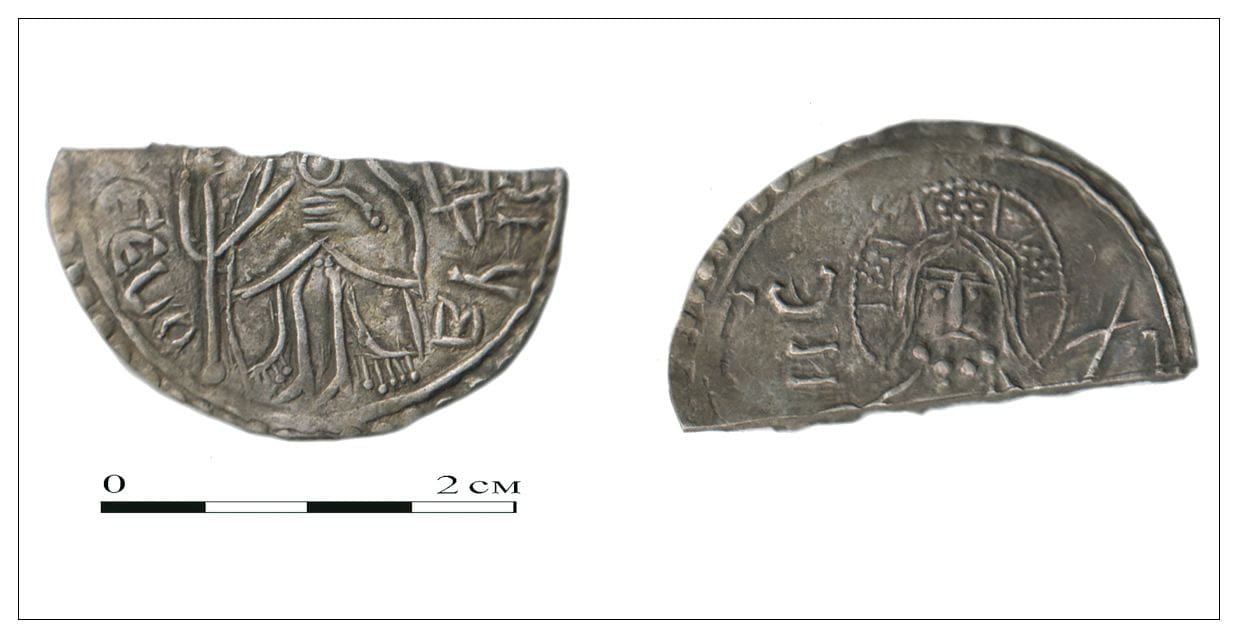
Half of a 1,000-Year-Old Silver Coin of Prince Vladimir Found in Veliky Novgorod
Archaeologists in Veliky Novgorod have discovered half of a rare silver coin issued by Prince Vladimir Sviatoslavich, one of the rulers most closely associated with the formation and Christianization of the early Rus’ state. The fragment was found on July 24 during rescue excavations in the historic Lyudin district, where archaeologists from the Institute of…
-
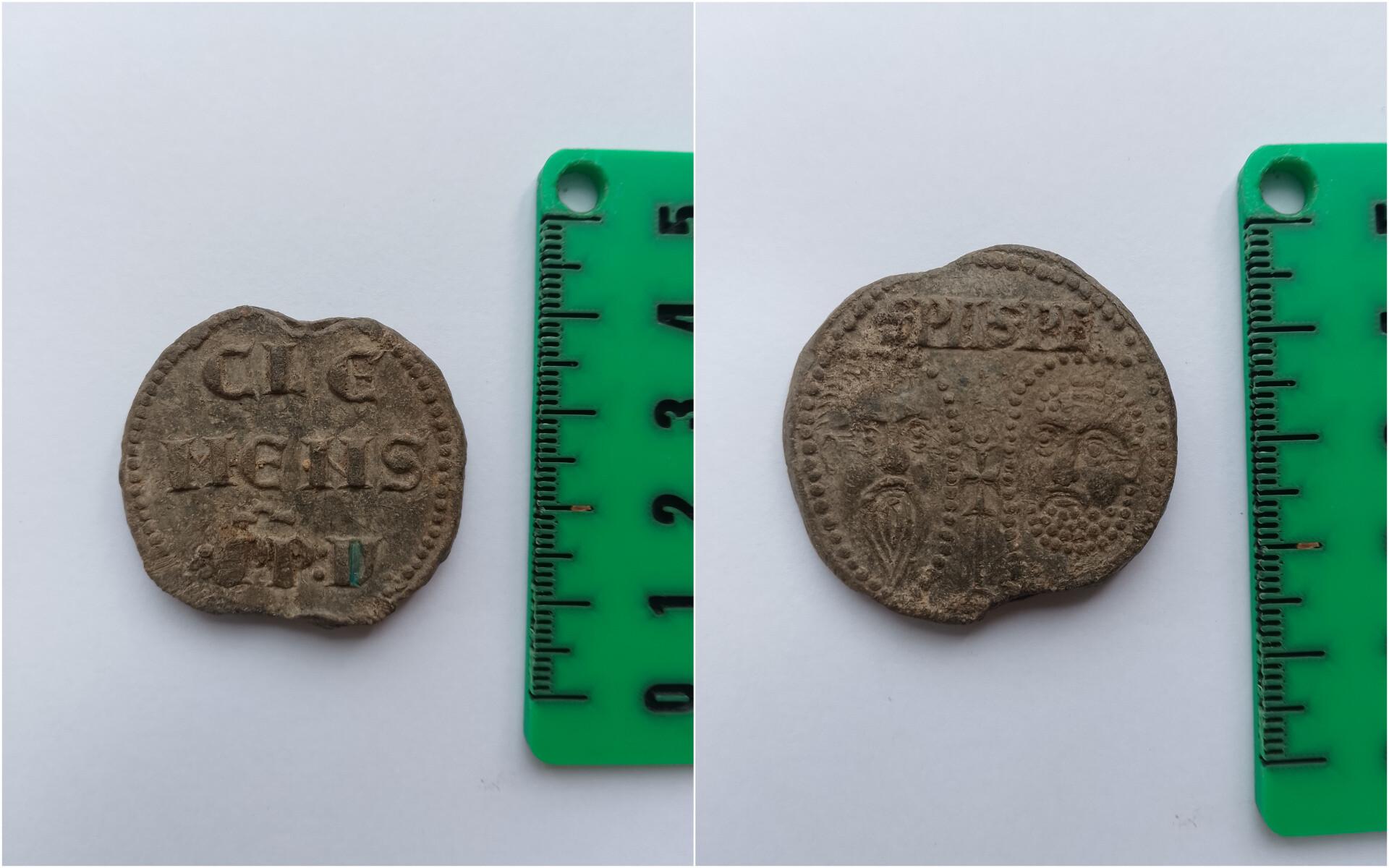
14th-Century Papal Seal Unearthed in Tallinn, the First Found in Estonia
Archaeologists excavating a courtyard in central Tallinn have discovered a 14th-century lead seal issued under Pope Clement V. It is the first papal seal ever recovered during an archaeological excavation in Estonia. The seal was found in the courtyard of the Soviet-era Eesti Projekt office building, where excavations began last year. Archaeologists have also uncovered…