-
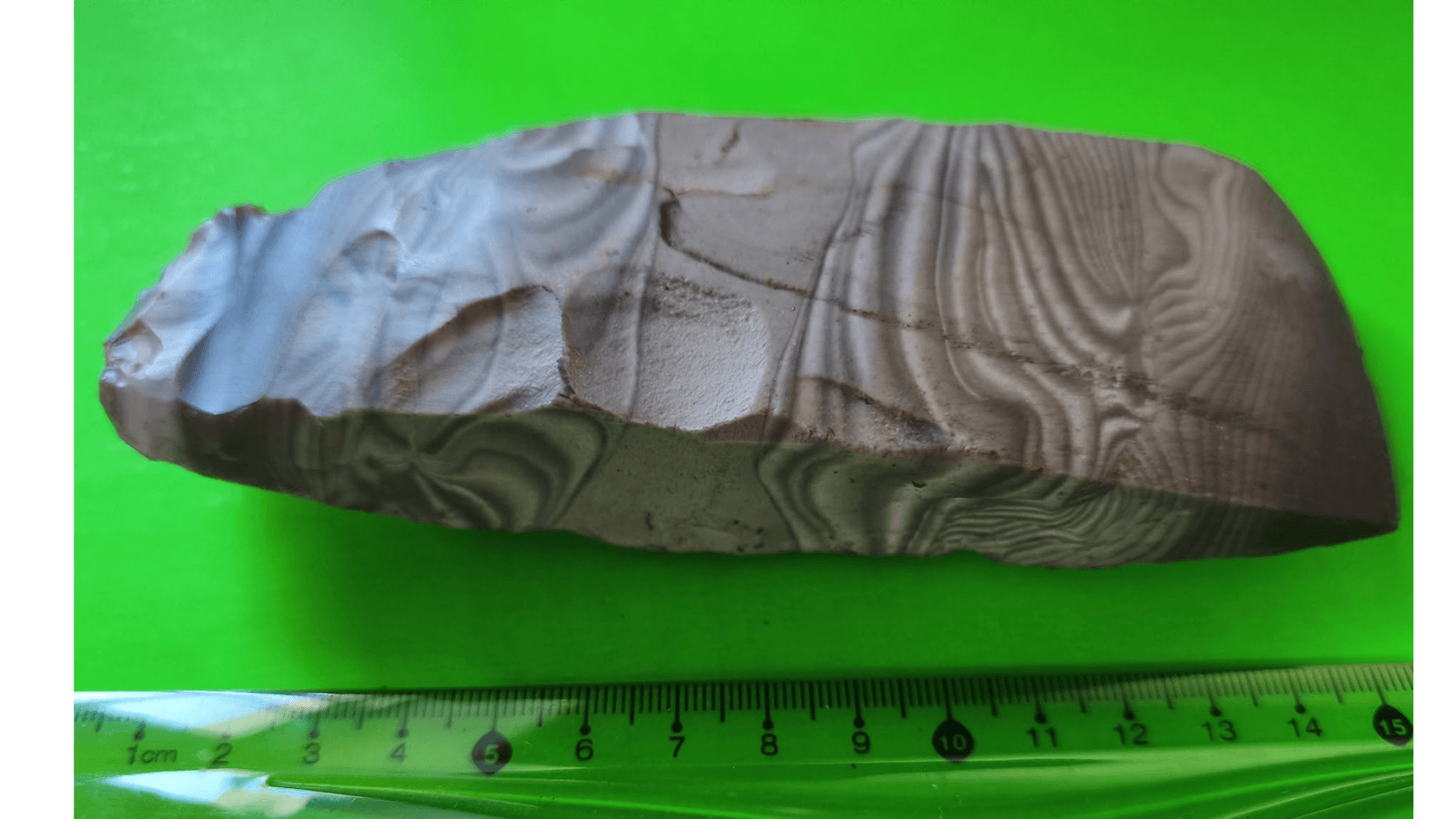
Colorful Stone Found in a Polish Tobacco Field Is a Nearly 6,000-Year-Old Axe
A colorful stone uncovered while a couple were weeding tobacco in eastern Poland has been identified as a nearly 6,000-year-old Neolithic axe. Made from distinctive striped flint, the remarkably well-preserved tool may add to evidence that the surrounding region was more intensively occupied in prehistory than archaeologists once believed. Agnieszka and Krzysztof Obszański discovered the…
-
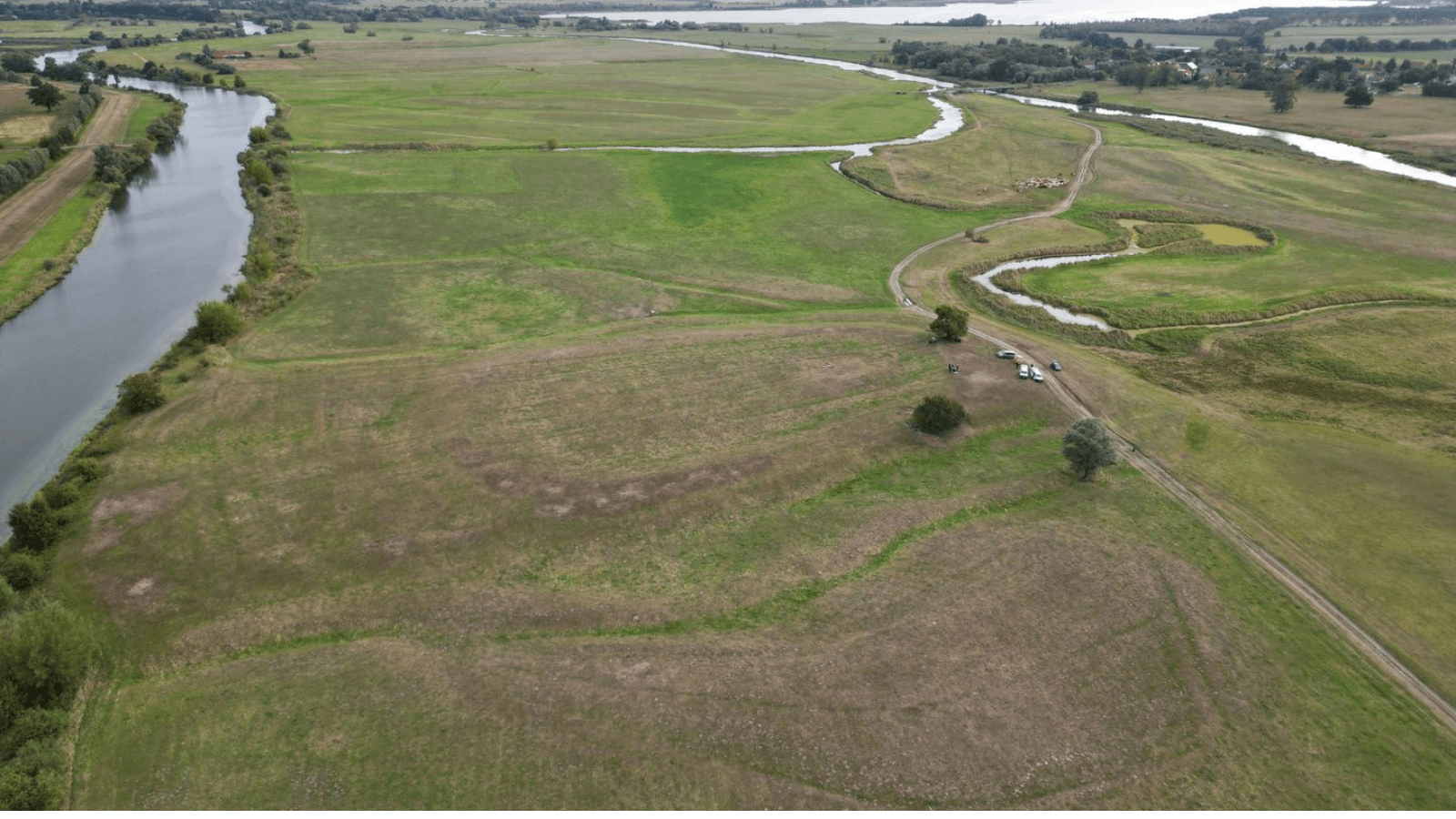
First Excavation of a Slavic Stronghold in Germany Reveals Iron Age and Neolithic Activity
The first archaeological excavation at the Pilatsch Slavic stronghold in eastern Germany has uncovered evidence that people used the site long before its medieval defenses appeared. Alongside material linked to the Slavic occupation, archaeologists recovered finds from the pre-Roman Iron Age and the Neolithic period. The discoveries were made near Gülpe in Brandenburg’s Lower Havel…
-
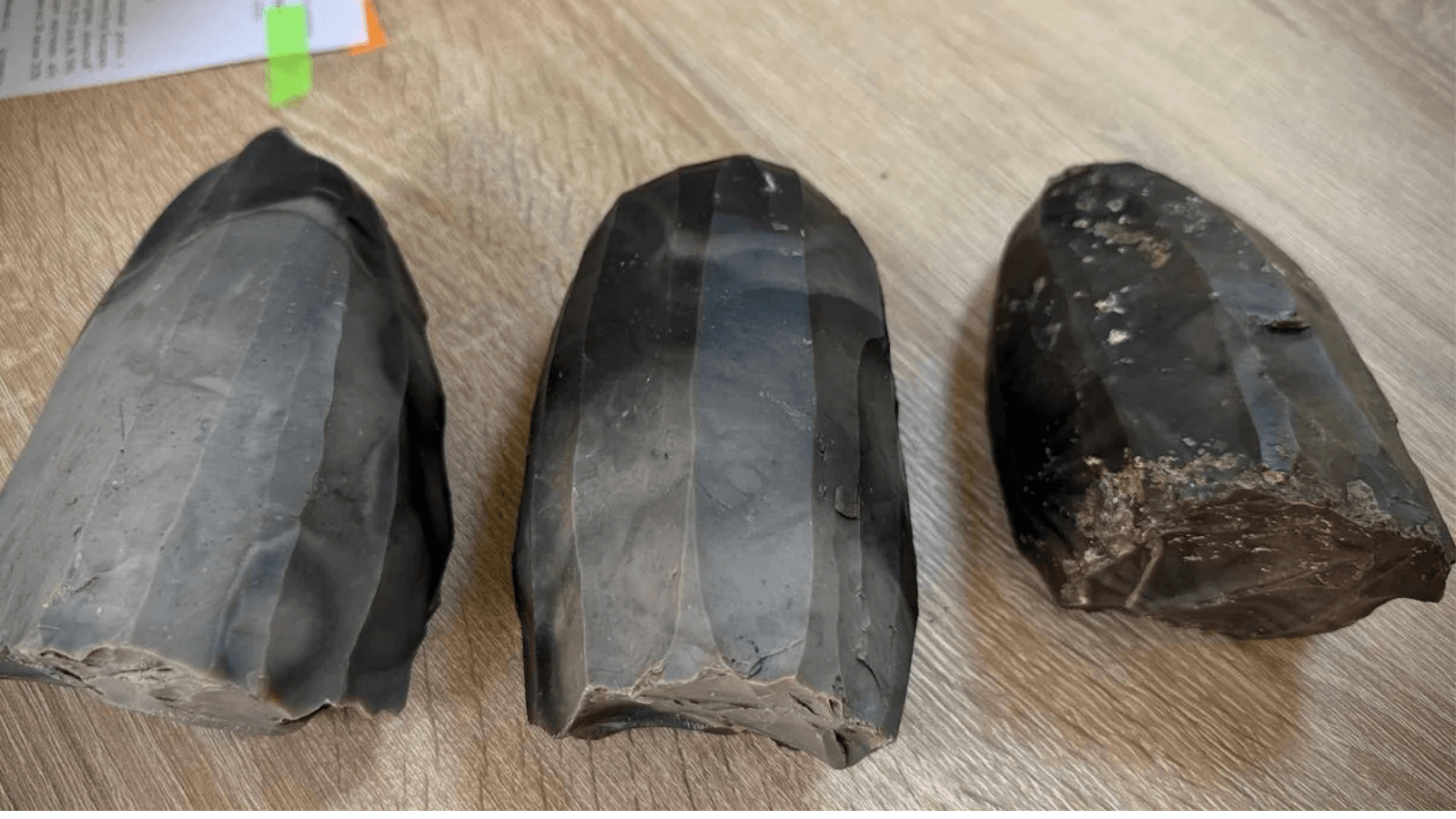
Prehistoric Stone Artifacts Found Inside a Parcel Bound for the U.S.
Three prehistoric stone artifacts discovered inside an international postal parcel traveling from Ukraine to the United States have been transferred to a museum, more than two years after customs officers intercepted the shipment. The objects are authentic flint cores — pieces of stone from which prehistoric people struck sharp blades for use as tools, including…
-
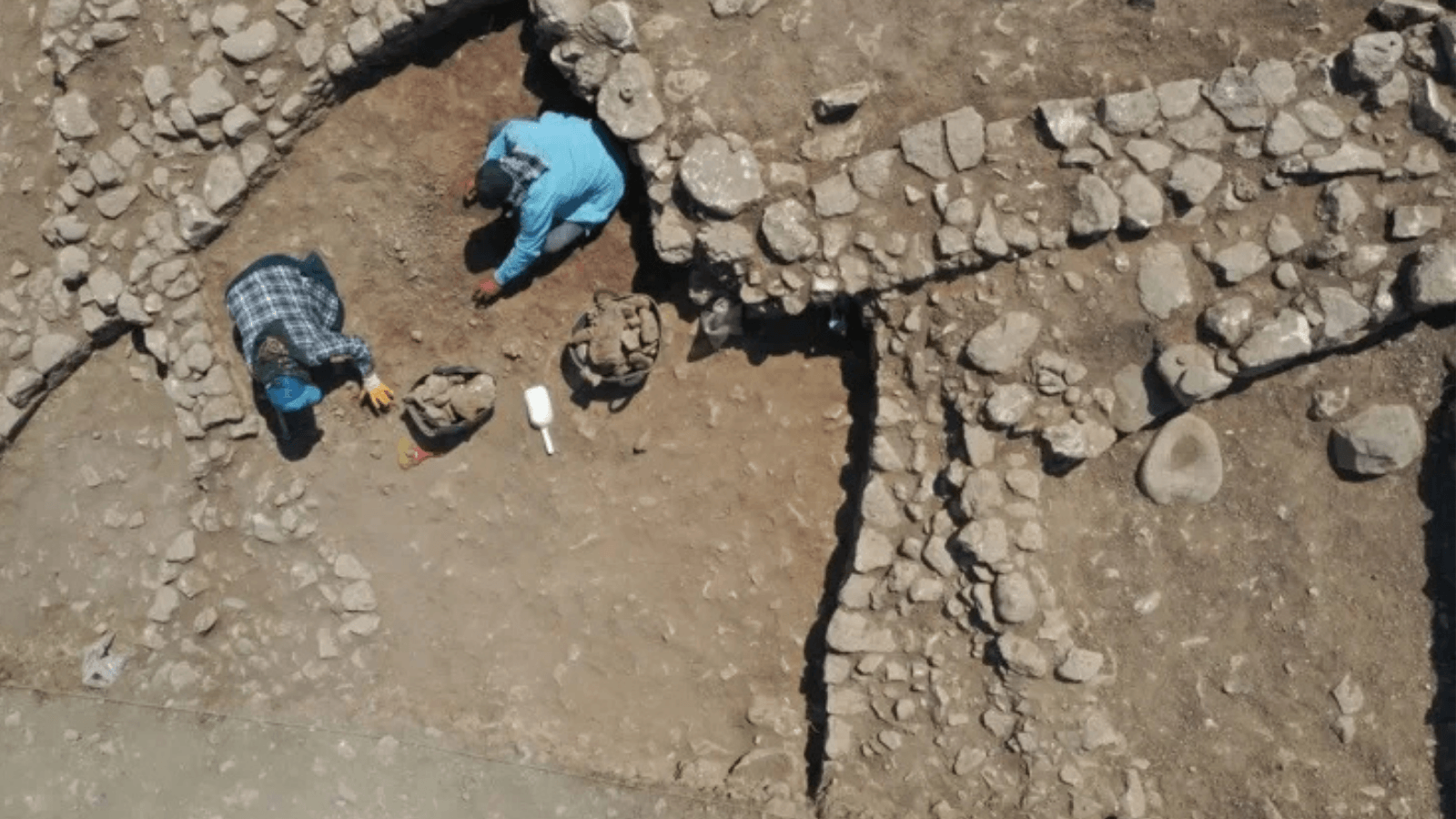
Beyond Göbekli Tepe’s Giant Pillars, Archaeologists May Have Found 10,000-Year-Old Homes
Göbekli Tepe is known around the world for its giant T-shaped pillars and monumental buildings. But new excavations may have uncovered 10,000-year-old homes, offering a very different glimpse into the lives of the people who lived among its famous monuments. New excavations in a previously unexplored part of the Neolithic settlement in southeastern Türkiye have…
-
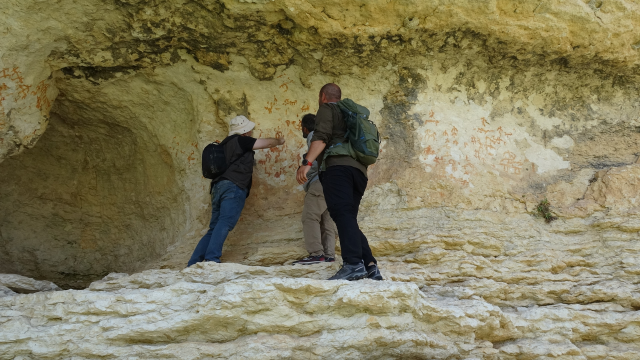
One of Anatolia’s Oldest Painted Caves Discovered in Malatya’s Tohma Canyon
A prehistoric cave discovered in Tohma Canyon in Malatya, eastern Türkiye, may rank among the oldest and richest painted caves known in Anatolia. Initial surveys identified nearly 100 human and animal figures on the cave walls, along with numerous geometric symbols. The paintings, made in red and reddish-brown tones, appear to belong to a symbolic…
-
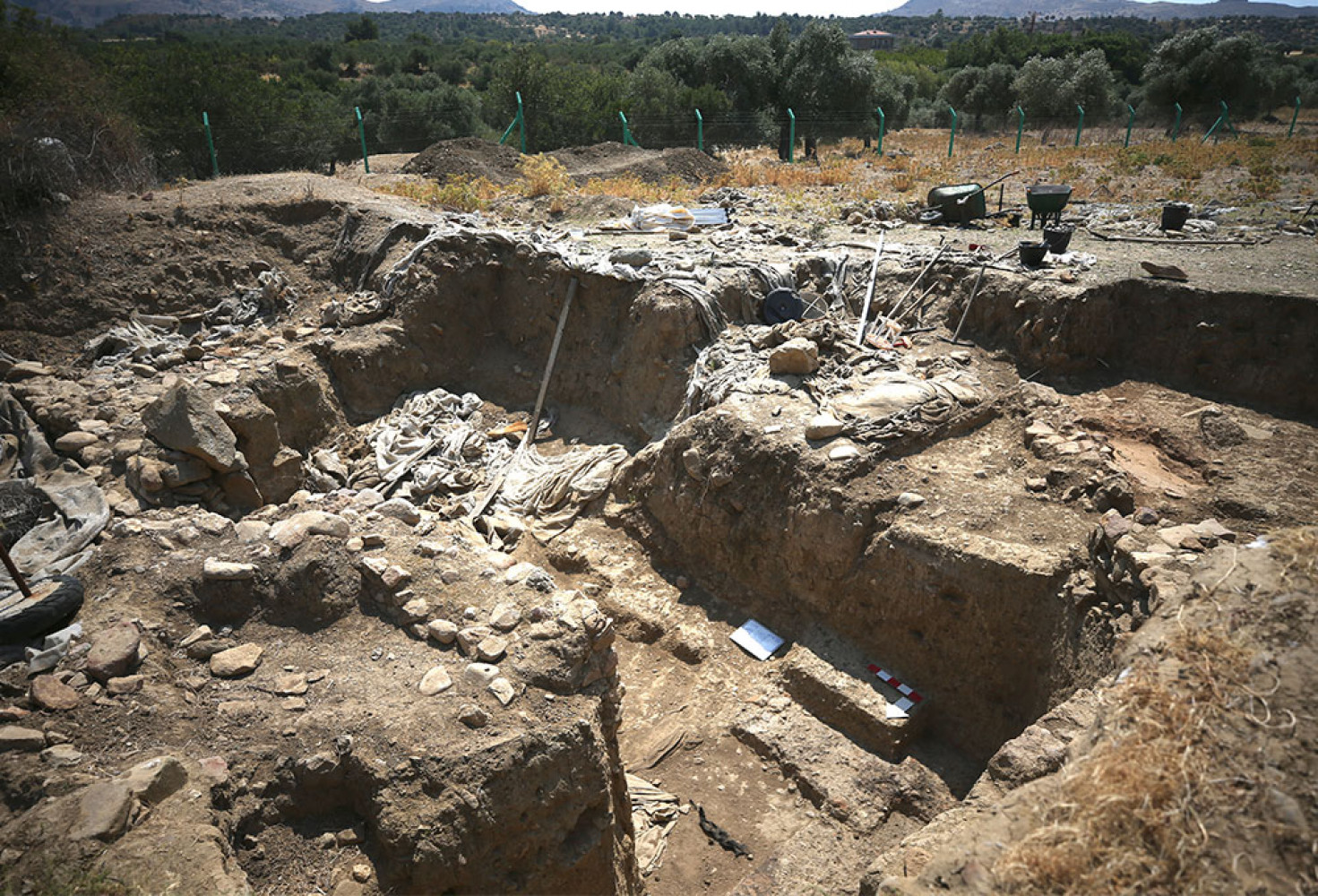
8,800-Year-Old Neolithic Houses on Gökçeada Reveal One of the Aegean’s Earliest Farming Villages
Five 8,800-year-old Neolithic houses uncovered at Uğurlu-Zeytinlik Höyük on Gökçeada are offering a rare view into how some of the earliest farming communities of the Aegean islands built, lived, and adapted to an island environment. The structures, dated to around 6800 BC, came to light during a recent excavation season at the prehistoric mound, where…
-
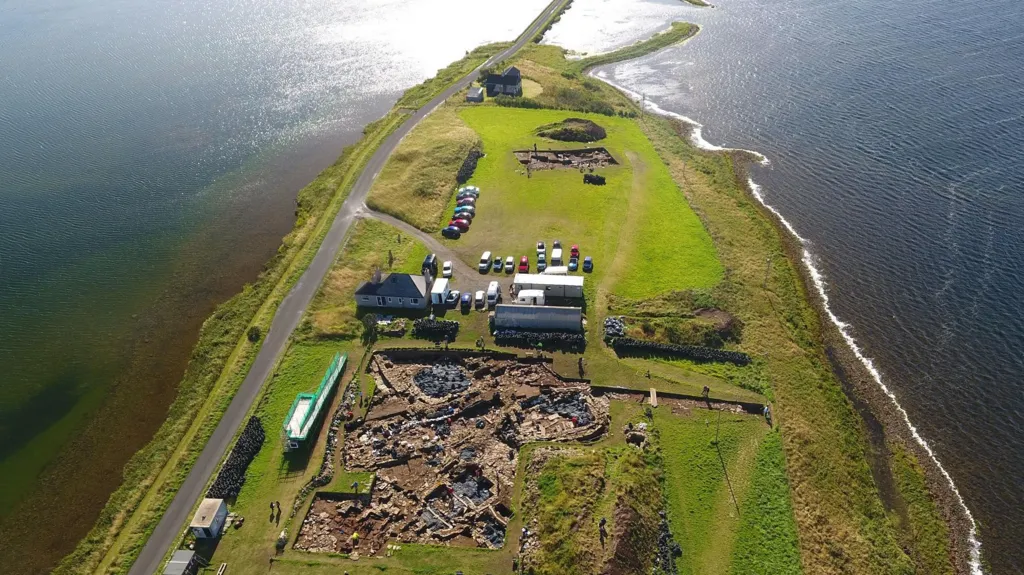
A Puzzling Feature Emerges at the Ness of Brodgar—And Archaeologists Aren’t Ready to Explain It
A site once thought thoroughly excavated may be preparing to deliver one of its most intriguing surprises. On Orkney’s Ness of Brodgar, new 3D Ground Penetrating Radar scans have revealed a puzzling subsurface feature that does not resemble anything previously documented on the site. The discovery has compelled archaeologists to return to a location where…
-
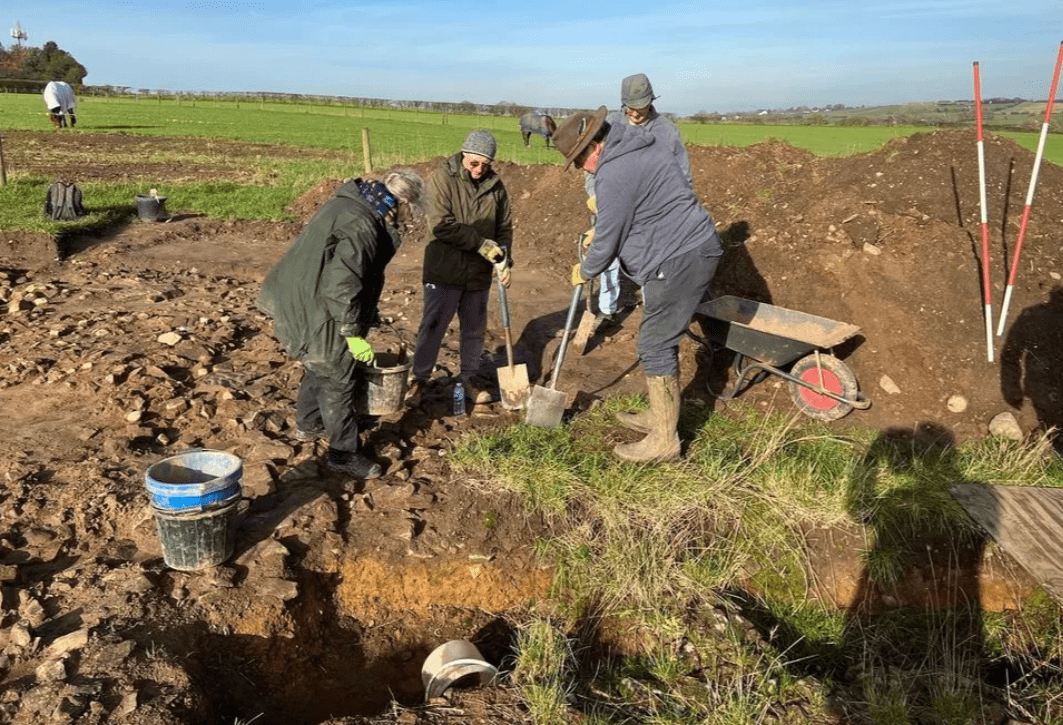
Wigan Archaeologists Uncover a 4,000-Year-Old Neolithic Henge and Bronze Age Cemetery
On a quiet stretch of farmland near the outskirts of Wigan, northern England, a team of volunteers have stumbled upon what could be one of the region’s most remarkable prehistoric finds — a 4,000-year-old Bronze Age cemetery that may sit atop an even older Neolithic henge. Members of the Wigan Archaeological Society, who have been…
-
Rare 3,500-Year-Old Chariot Wheel Discovered at Inverness Golf Course Site
Archaeologists have unearthed a rare prehistoric chariot wheel at the site of a future golf course near Inverness. The discovery sheds light on ancient ceremonial practices and the lives of those who inhabited the Highlands thousands of years ago. This extraordinary find, revealed during excavations at the Old Petty Championship Golf Course, underscores the area’s…