-
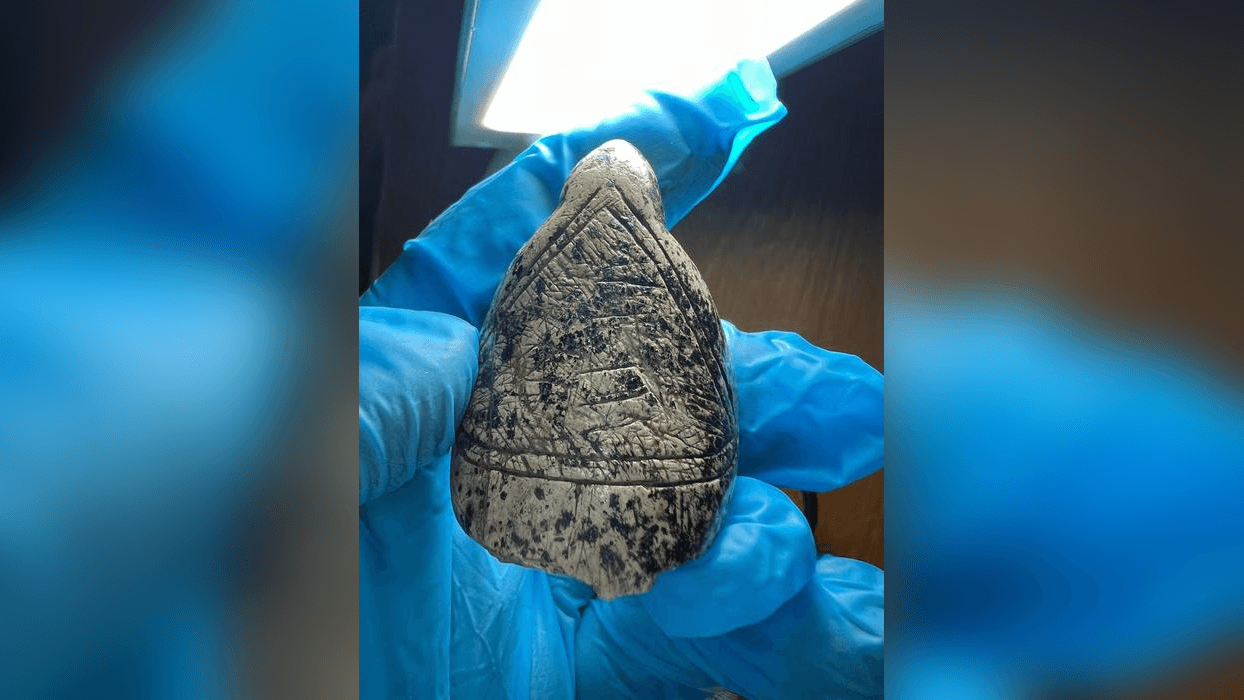
Ice Age Artists Turned the Natural Patterns of Mammoth Tusks into Art 18,000 Years Ago
Around 18,000 years ago, artists living in what is now northern Ukraine carved small human figures from mammoth ivory. A new study suggests that the patterns covering these objects were shaped by the natural structure of the ivory itself. Researchers made the discovery after examining 18 figurines from Mizyn, one of Ukraine’s most important Upper…
-
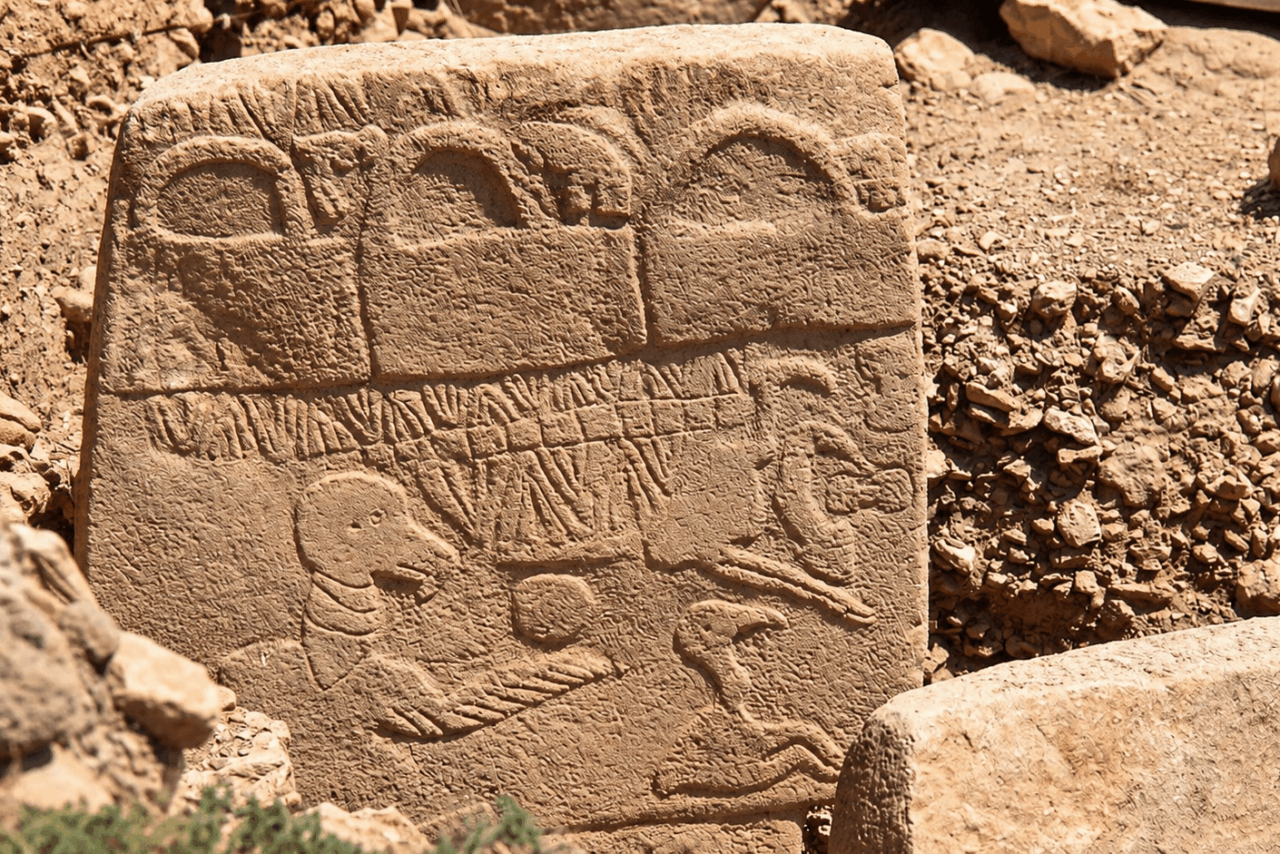
Three Mysterious Carvings May Reveal How Göbekli Tepe Was Designed 12,000 Years Ago
Long before written plans and measuring instruments entered the archaeological record, Göbekli Tepe’s builders were arranging enormous stone pillars within carefully organized monumental spaces. Three carvings on the site’s famous Pillar 43 may offer an unexpected clue to how those architectural ideas were visualized. Before a single pillar could be raised at Göbekli Tepe, someone…
-
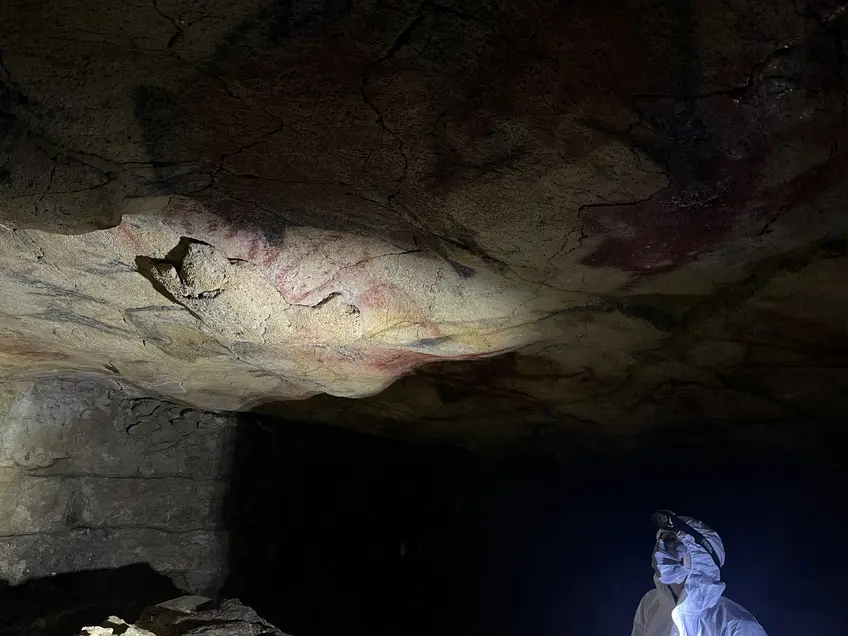
Ancient Human DNA Found on Cave Walls for the First Time
A cave wall is not usually treated like a genetic archive. In Spain and Portugal, however, researchers have recovered ancient human DNA from the surface of cave walls, including areas close to prehistoric rock art. The study, led by the Max Planck Institute for Evolutionary Anthropology and published in Nature Communications, examined 24 rock art…
-

A Chance Encounter in Central Turkey Reveals Neolithic Rock Art Hidden for Millennia
The figures were almost invisible—faded shapes clinging to a cliff in the highlands of central Turkey. A hiker, pausing to catch his breath on a steep slope, noticed something that should not have been there: deliberate lines, human forms, a pattern emerging from the rock itself. That moment of curiosity has now opened a new…
-

The Oldest Story Painted in the Americas? Rock Art in Texas and Mexico Carried a Single Message for 4,000 Years
Deep inside the limestone canyons that cut across the borderlands of Texas and northern Mexico, ancient murals stretch across cliff walls in sweeping tapestries of color. For decades, archaeologists knew they were old—what they did not know was how old, or how far their cultural influence may have travelled. A new study in Science Advances…
-
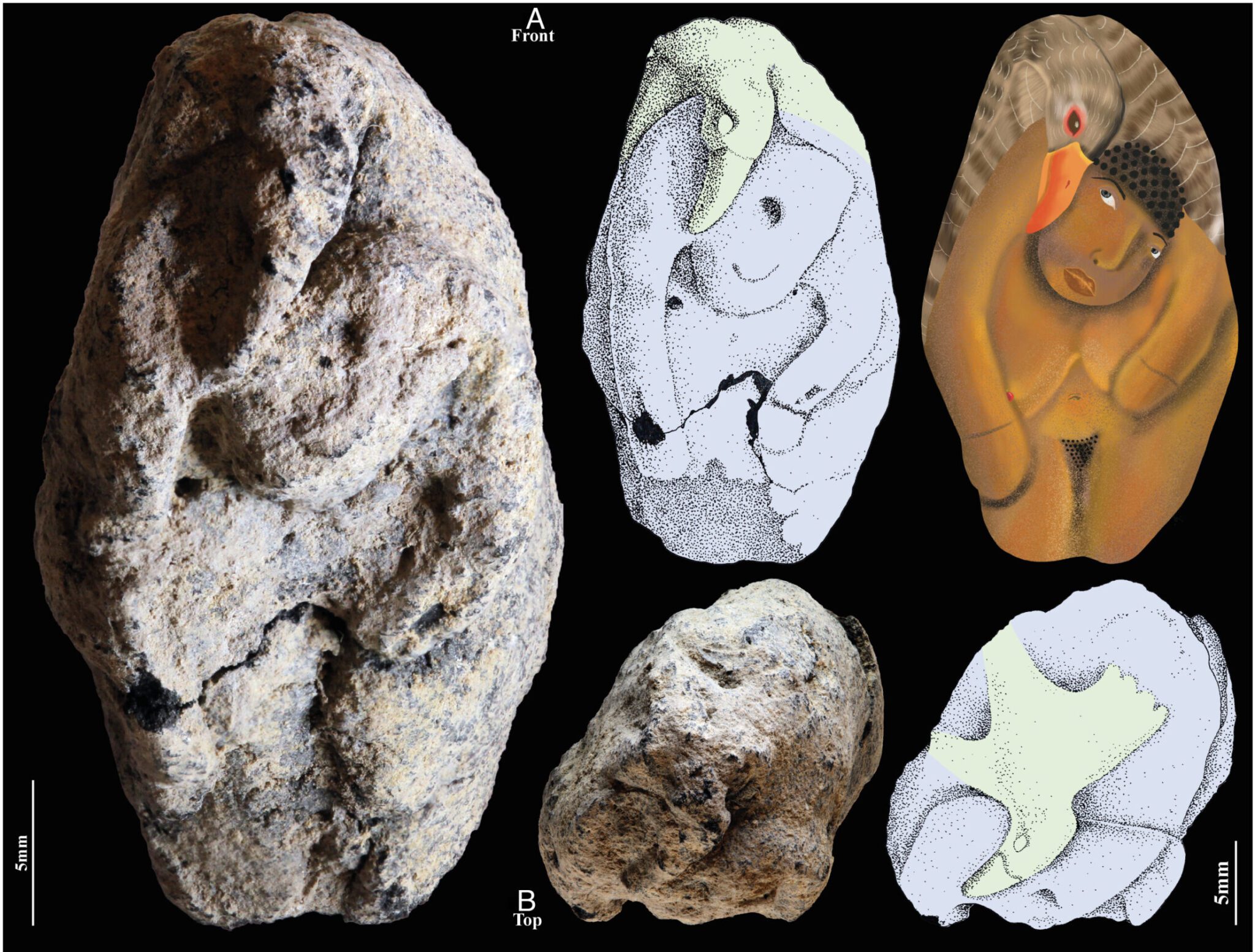
Long Before Zeus and Leda: Natufians Crafted a 12,000-Year-Old Scene of a Goose Mating With a Woman
The famous myth of Zeus seducing Leda may dominate classical imagination, but the idea of human–bird unions turns out to be far older — and far more grounded in prehistoric reality. A newly analyzed fired-clay figurine from northern Israel shows that Natufian hunter-gatherers were modeling such entanglements 10 millennia before Greek poets put stylus to…
-
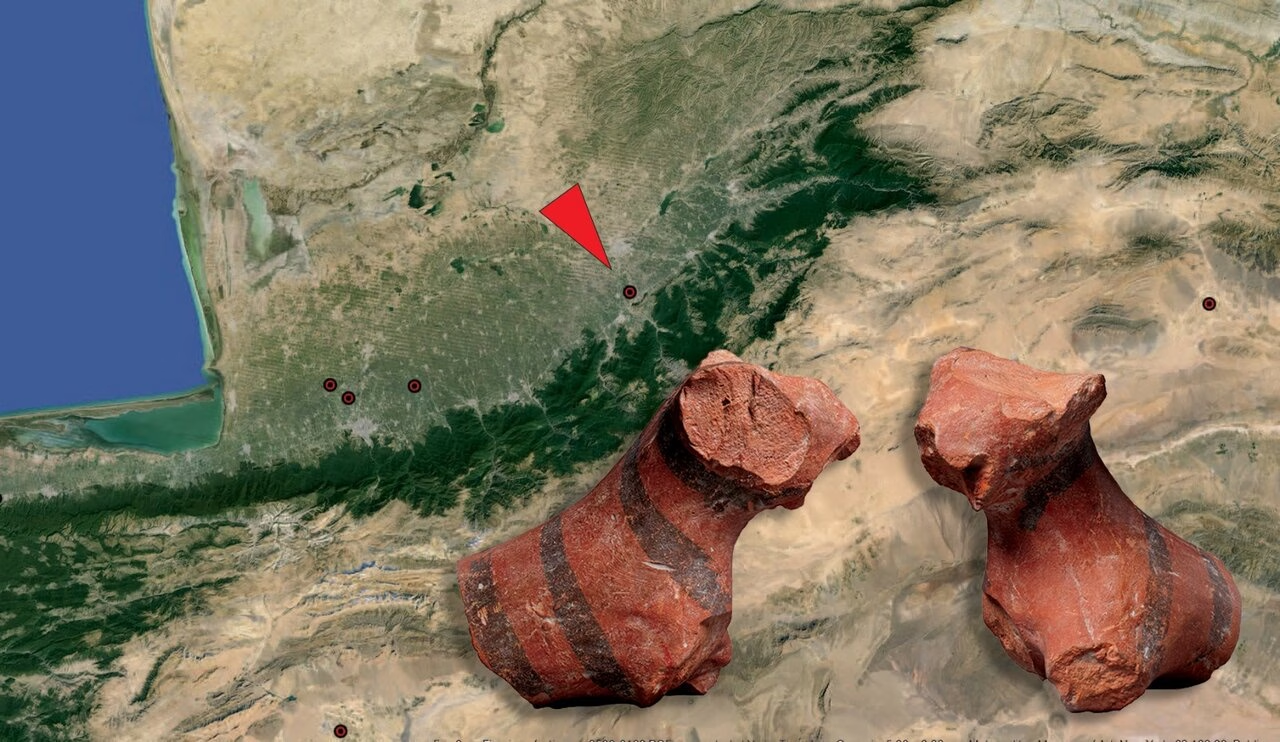
5,000-Year-Old Clay Figurine from Iran May Be the World’s Oldest Depiction of a Tiger
Archaeologists have redefined the origins of tiger imagery in Iranian art. A newly analyzed 5,000-year-old ceramic figurine from Yarim Tepe in northern Iran may represent the earliest known depiction of a tiger anywhere outside the Indian subcontinent — predating all previous examples by nearly three millennia. The small reddish-brown figurine, measuring just over eight centimeters,…
-
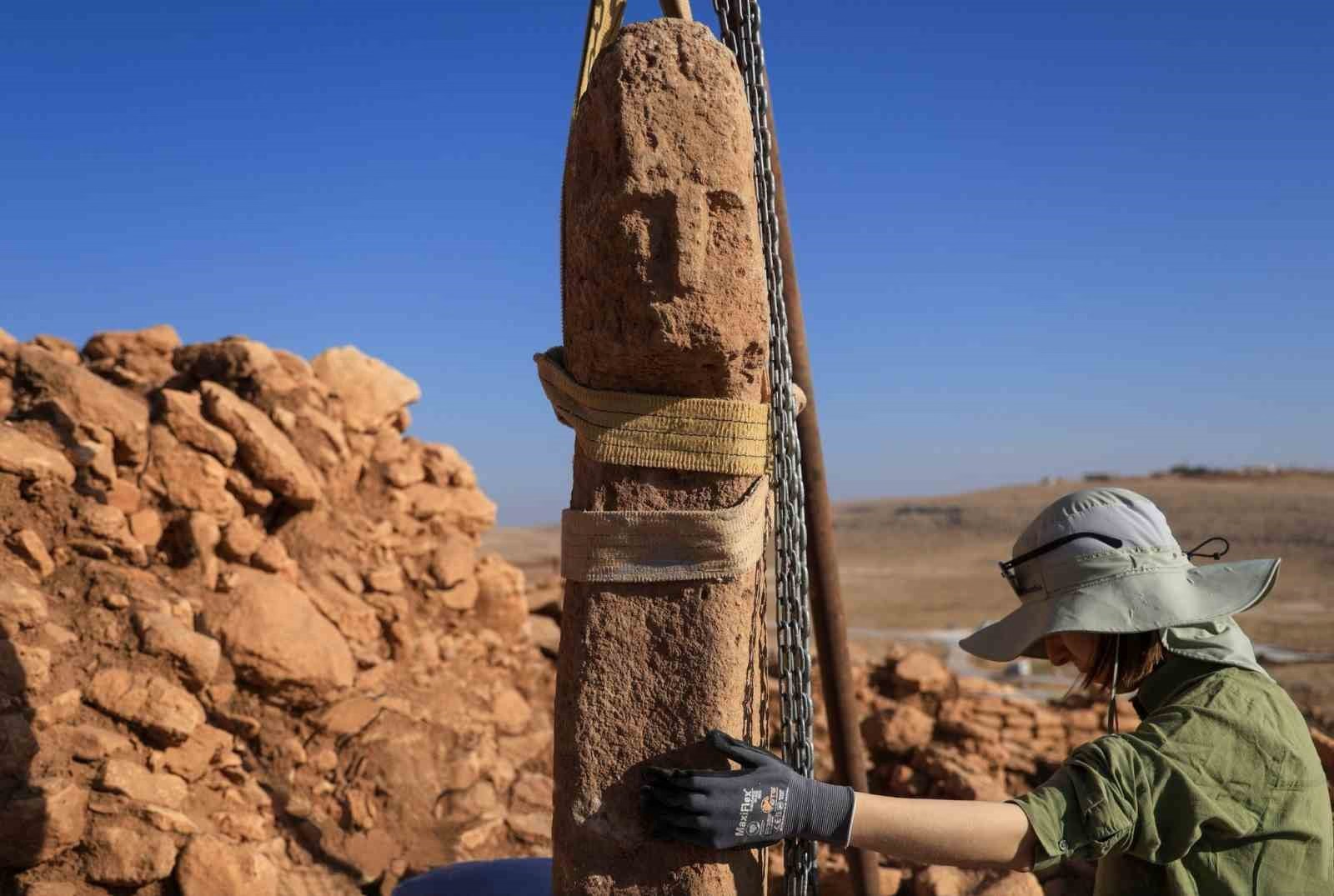
A New Chapter in Prehistory: First Human-Faced T-Shaped Pillar Unearthed at Karahantepe
Archaeologists working at Karahantepe, one of Türkiye’s oldest Neolithic sites, have uncovered a T-shaped stone pillar bearing a carved human face — a discovery hailed as a first in human history. The announcement was made by Minister of Culture and Tourism Mehmet Nuri Ersoy, who shared the news on his official X (Twitter) account, writing:…
-
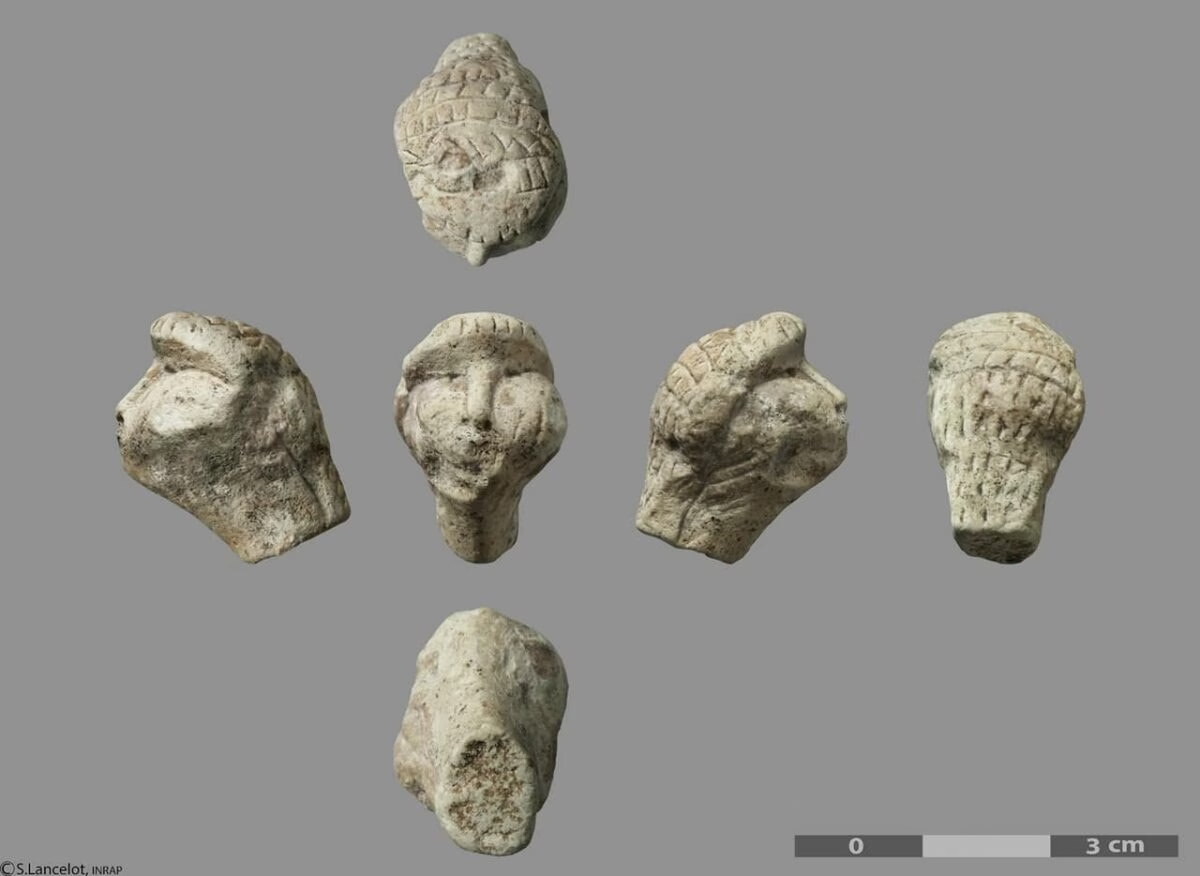
27,000-Year-Old Figurine with Expressive Face Redefines Prehistoric Art
A groundbreaking discovery in northern France has shed new light on prehistoric art and human creativity. During 2021 excavations at the Amiens-Renancourt site, archaeologists uncovered a 27,000-year-old figurine head with an incredibly detailed face and a complex headdress — a rarity for its time. This tiny sculpture, measuring just 2.1 cm, is being hailed as…