-
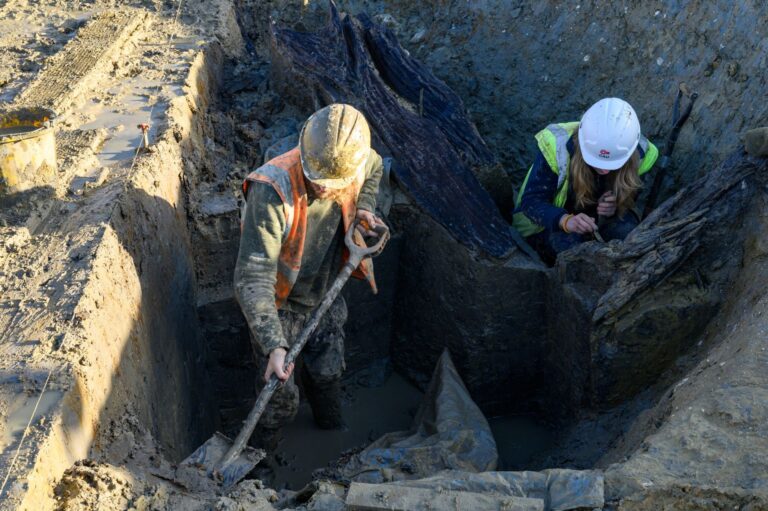
Rare Late Iron Age Ladder Discovered in Cambridgeshire Is Britain’s Longest Known Log Ladder
Archaeologists working at West Cambourne in Cambridgeshire, England, have uncovered a rare late Iron Age wooden ladder preserved in a large watering hole. The surviving length of the log ladder measures more than 3 metres, making it, according to Cambridge Archaeological Unit, the longest example of its kind currently known from Britain. The find was…
-
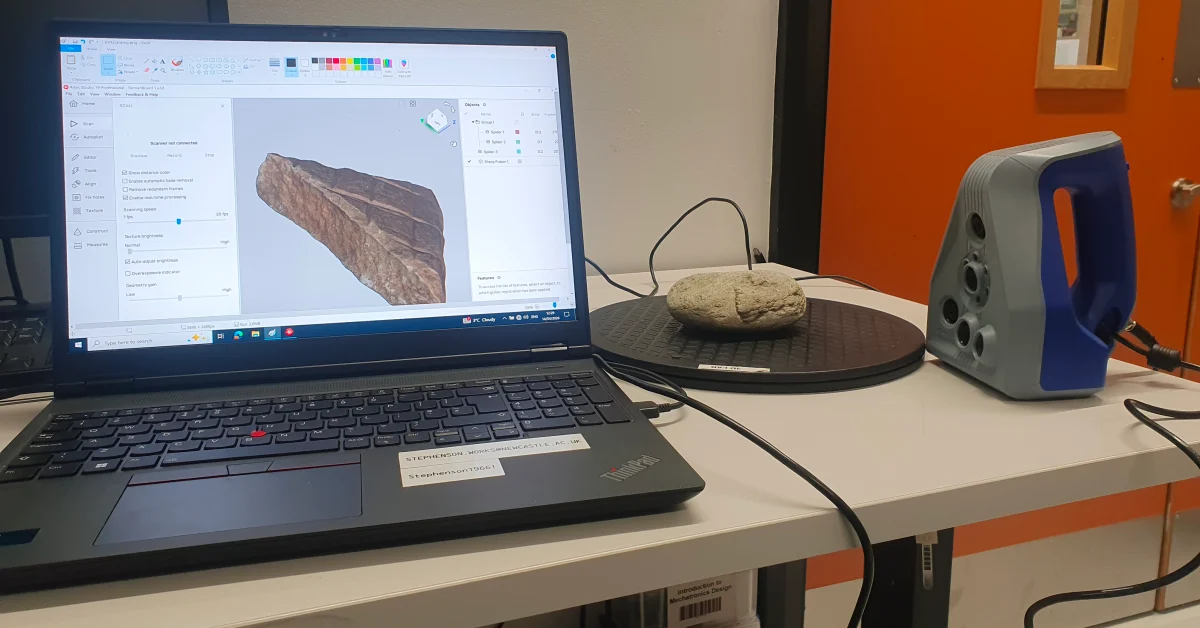
A 1,700-Year-Old Roman Board Game from Vindolanda Is Playable Again Thanks to 3D Printing
A 1,700-year-old Roman board game excavated at Vindolanda, one of the most important archaeological sites on Hadrian’s Wall, has been made playable again through 3D scanning and 3D printing. The replica allows visitors to handle and play a version of the game while the original stone board remains protected. The project centers on a stone…
-
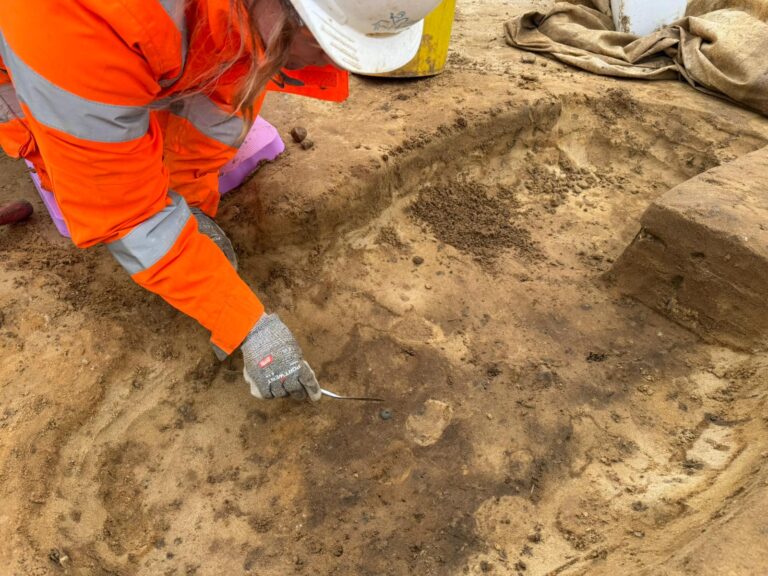
Archaeologists Unearth Roman Brooches, Anglo-Saxon Beads and a Medieval Pilgrim Object in Suffolk
Archaeologists from Oxford Cotswold Archaeology, working as part of the ongoing excavations connected with the Sizewell C nuclear power station project, have uncovered a remarkable group of personal ornaments. The finds include Roman brooches, a decorated hair or dress pin, Anglo-Saxon beads from burial grounds, and a medieval object that may once have been worn…
-
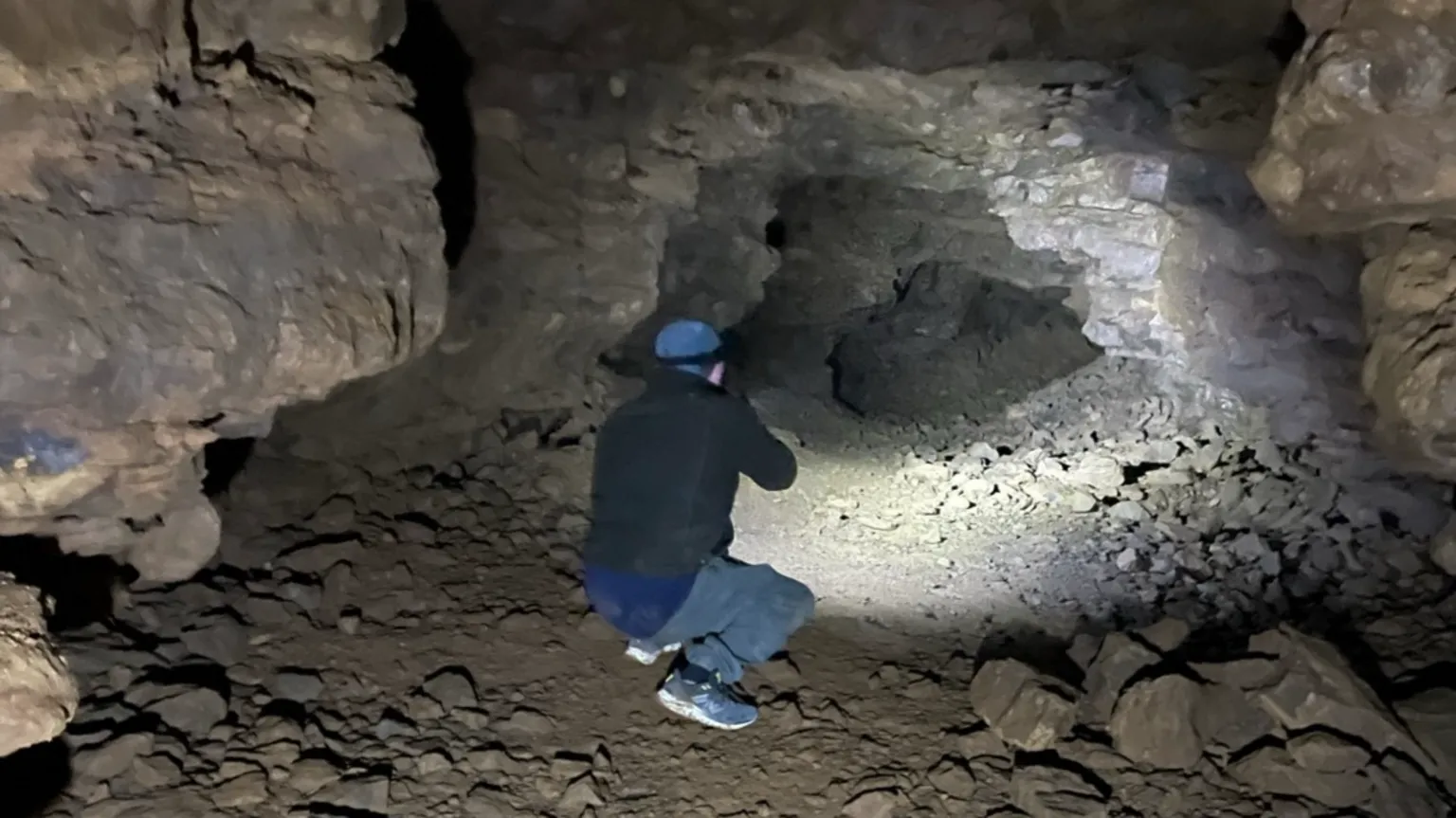
Bloxham Tunnels Reveal the Truth Behind a Centuries-Old English Village Legend
The Bloxham tunnels were once the kind of story people repeated in kitchens, pubs and garden conversations, half-believed but never proved. Beneath this quiet Oxfordshire village, on the edge of the Cotswolds, generations spoke of hidden passages running under homes, lanes and old properties. Now, after decades of rumours, local residents have found evidence that…
-

Tiny Roman Good-Luck Charm Found at Carlisle Reveals the Superstitions of Life on Hadrian’s Wall
A tiny Roman good-luck charm found in northern England has brought archaeologists closer to the private fears, hopes and protective rituals of people who lived on Rome’s frontier nearly 1,800 years ago. The phallus-shaped Roman artefact was discovered during excavations at Carlisle Cricket Club in Cumbria, where archaeologists have been investigating the remains of a…
-
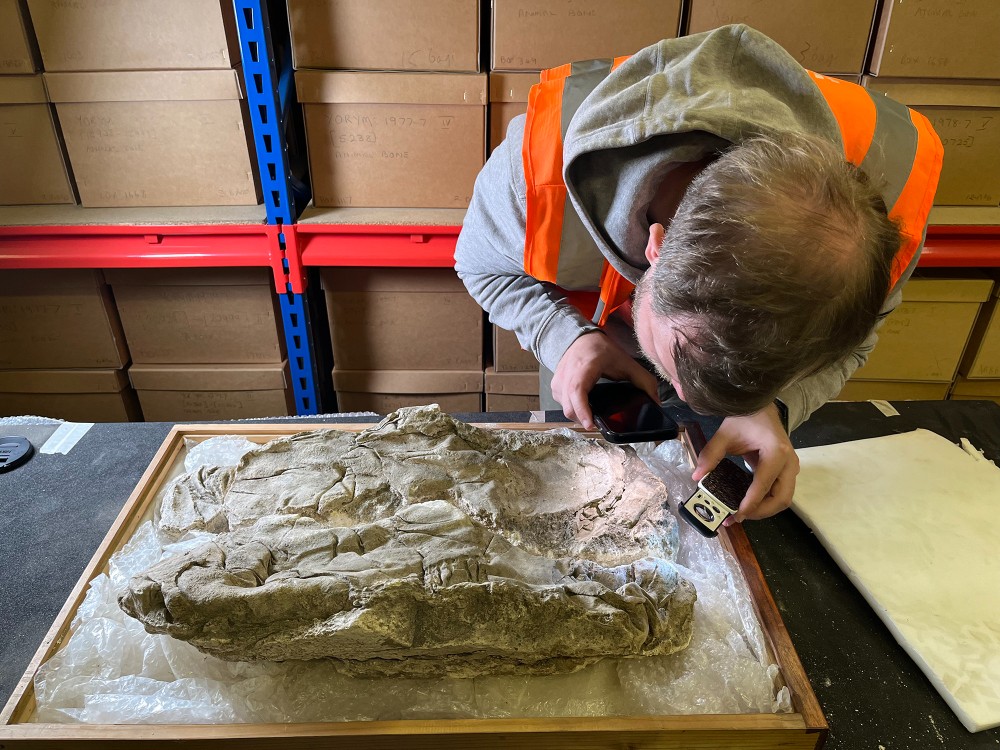
Babies in Roman York Were Buried in Imperial Purple Cloth Once Reserved for Emperors
A trace of purple, almost invisible to the eye, has opened an unusually intimate window into grief, wealth and childhood in Roman Britain. New research from the University of York has revealed that two infants buried in Roman York nearly 1,700 years ago were wrapped in fine cloth dyed with Tyrian purple, one of the…
-
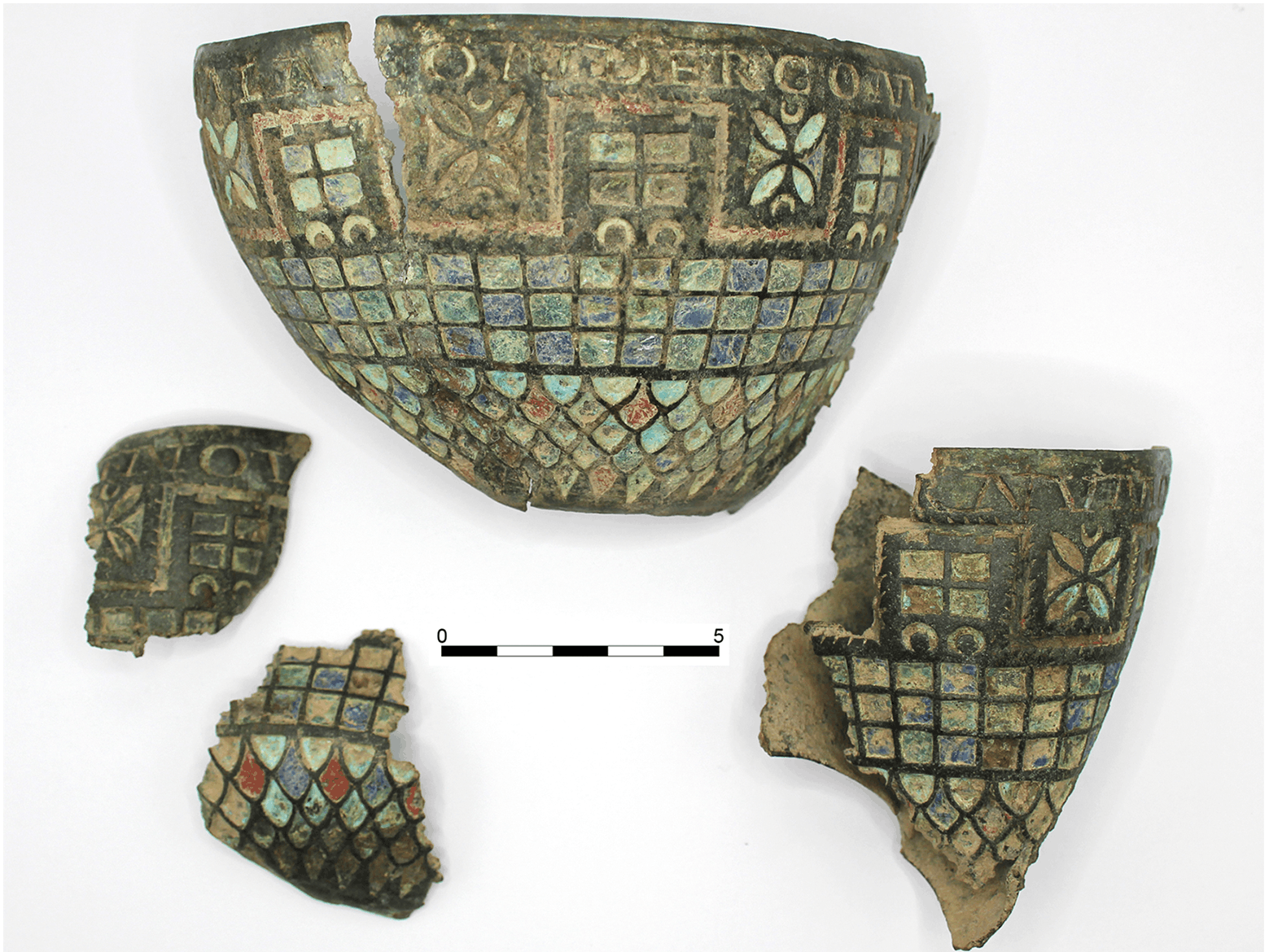
2,000-Year-Old Berlanga Cup Found in Spain May Trace a Roman Soldier’s Journey from Hadrian’s Wall
A Roman soldier may have carried this small bronze cup nearly 2,000 kilometers across the empire. Now found in central Spain, the object—known as the Berlanga Cup—is doing something rare in archaeology. It does not just tell us where it was made. It hints at who carried it, where he served, and what he chose…
-

Large Iron Key Unearthed at Vindolanda Suggests Life Continued After Rome Left Britain
A large iron key discovered at Vindolanda is shedding new light on daily life in Britain after the end of Roman rule in the early 5th century AD. The find, made within a sub-Roman structure dated to the period following the Roman withdrawal from Britain, offers tangible evidence that the site remained in use after…
-
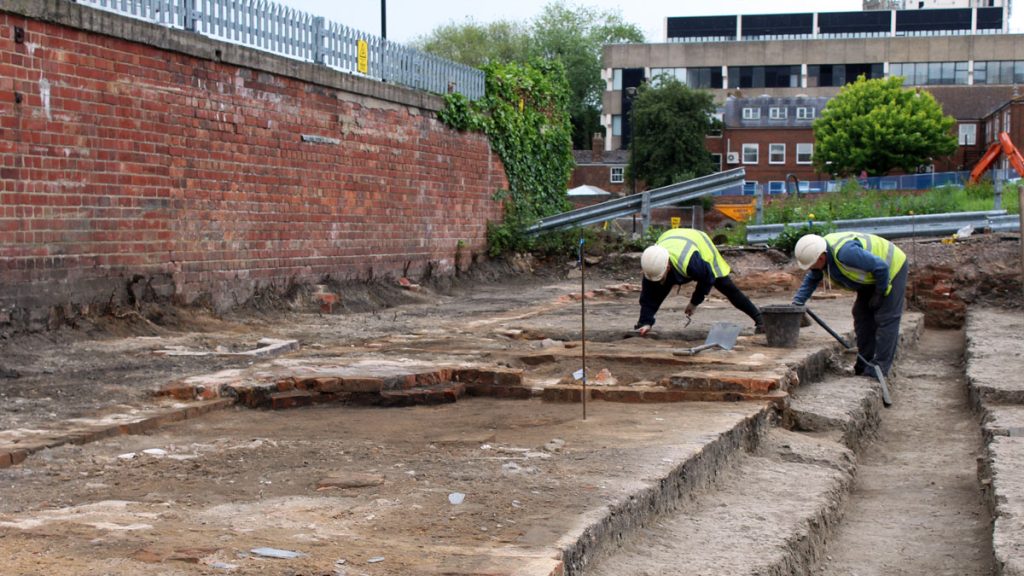
Roman Pinecone Hairpin Found in Britain Carried a Hidden Symbol of Fertility and Power
A Roman pinecone hairpin discovered in Britain is revealing how a simple personal object could carry powerful symbols of fertility and belief in the Roman world. A small bone object uncovered during recent excavations in Britain is now offering a rare, almost personal glimpse into how people in the Roman world expressed belief, identity, and…