-
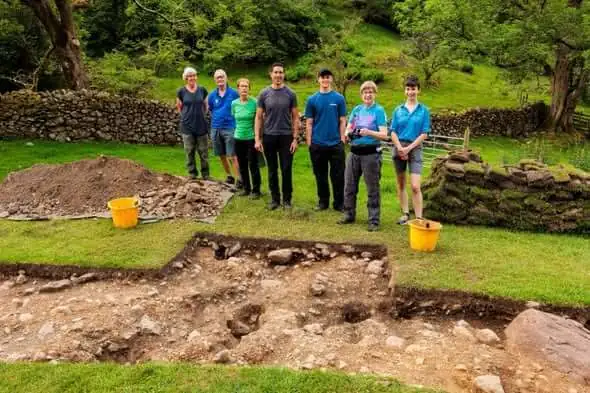
Volunteers Unearth 2,000-Year-Old Roundhouse in England’s Lake District
A group of volunteers working in England’s Lake District has uncovered a timber doorway, a cobbled yard and traces of ancient crops at a settlement used around 2,000 years ago. The finds offer a closer look at the people who lived and farmed in Deepdale Valley from the late Iron Age into the Roman period.…
-

1,800-Year-Old Sword Fitting Preserves a Flash of Color at Roman Vindolanda
An enamelled Roman sword fitting has emerged from a second-century layer at Roman Vindolanda, the frontier fort near Hadrian’s Wall in northern England. Although small enough to fit in one hand, the object preserves a detail rarely associated with the popular image of the Roman army: color. The copper-alloy fitting has been identified as a…
-
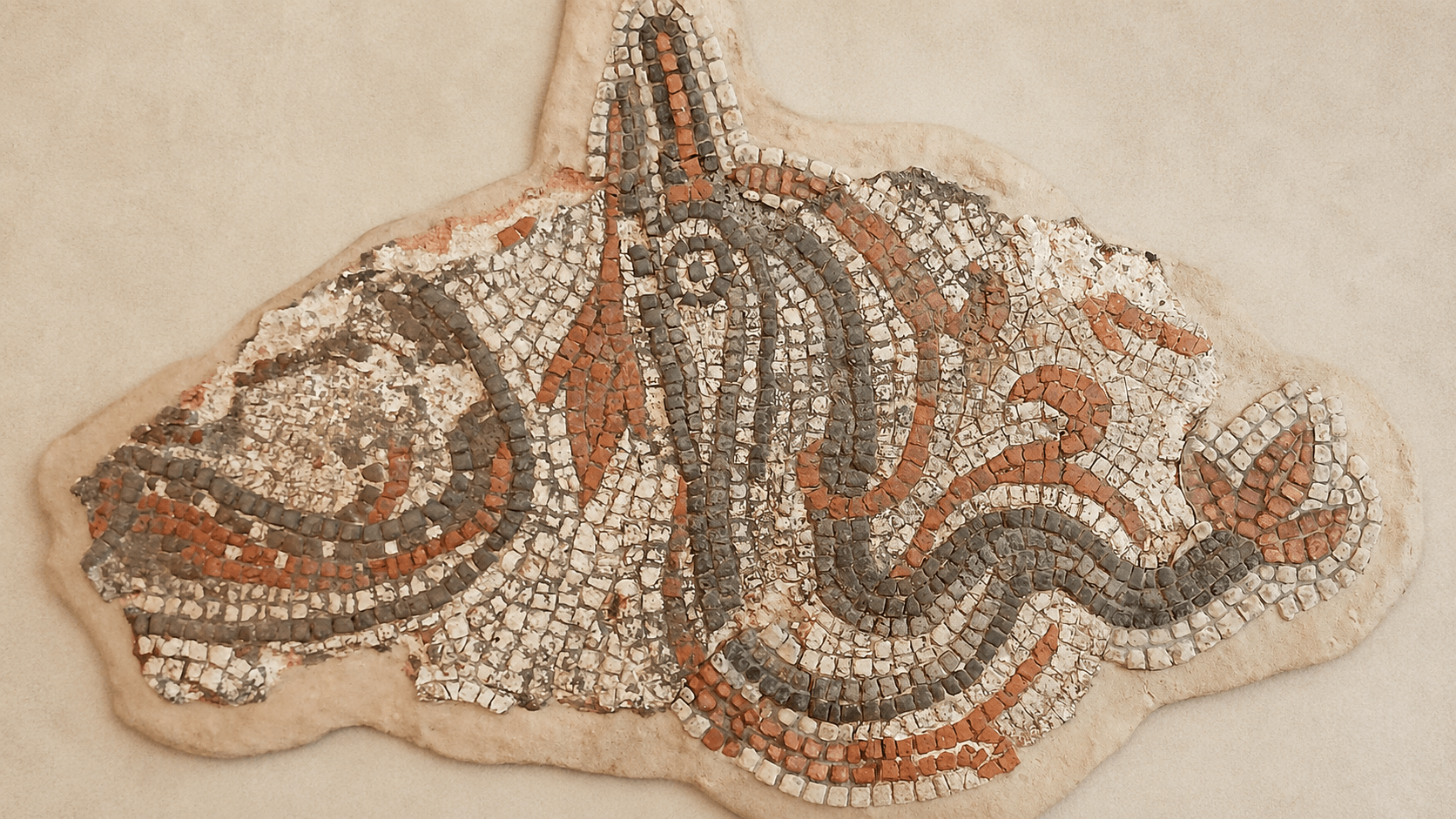
Lost Roman Sea Mosaic in England Survives Through One Fragment and an 18th-Century Drawing
For more than two centuries, a Roman sea mosaic discovered beneath Cirencester survived largely as an image on paper. The pavement itself disappeared beneath the changing streets of the English town, but a single fragment rescued from beneath a house in the 1980s has now returned to the Corinium Museum. The fragment does not represent…
-
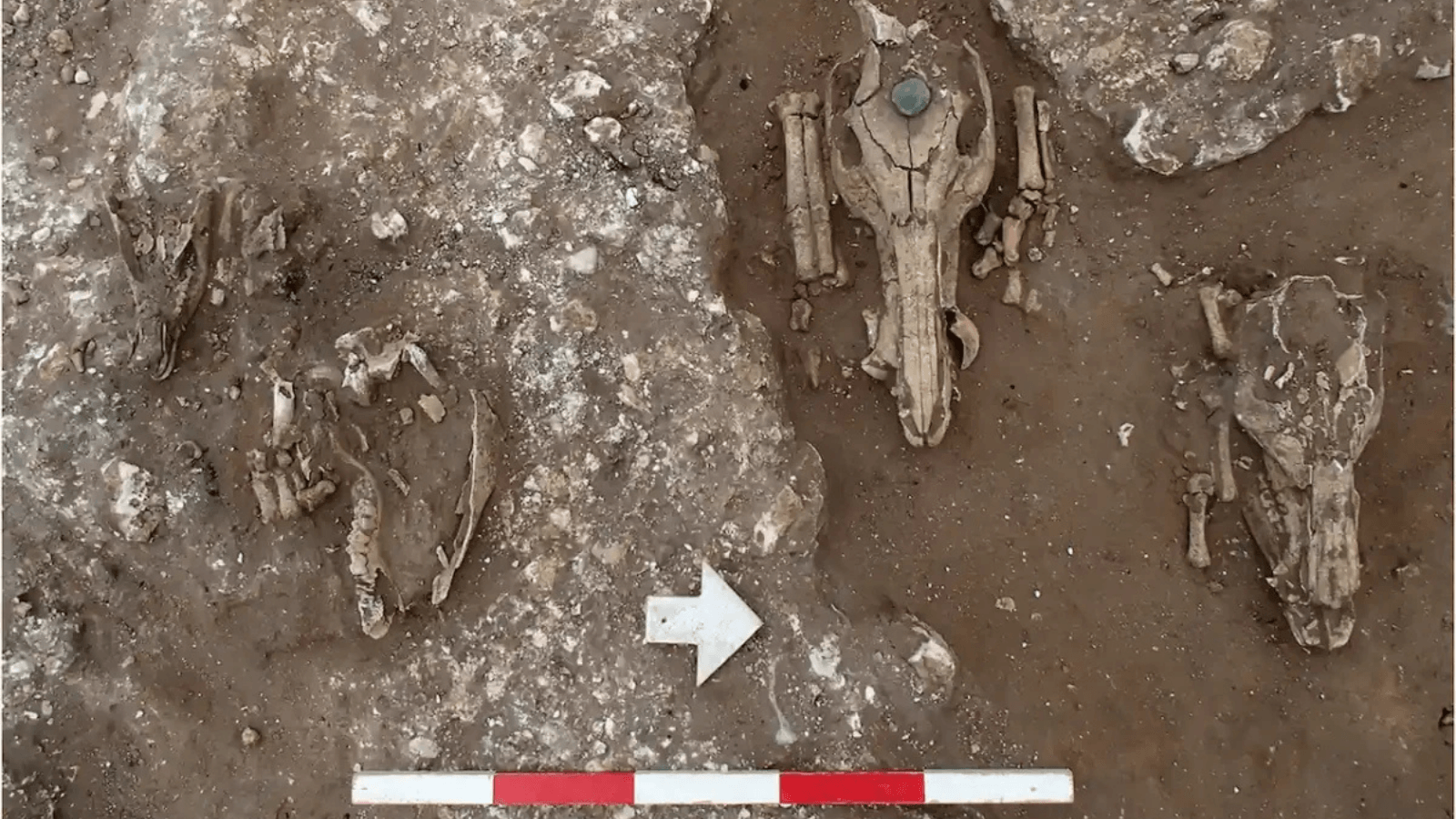
A 4,000-Year-Old Burial Mound Became a Roman Sanctuary — Then Came the Medieval Gallows
A prehistoric burial mound in Suffolk was repeatedly drawn back into human activity over thousands of years, eventually becoming the center of a Roman sanctuary filled with ritual deposits before the surrounding landscape was associated with medieval executions. New research published in the journal Britannia traces the remarkable history of the site at Red Lodge,…
-
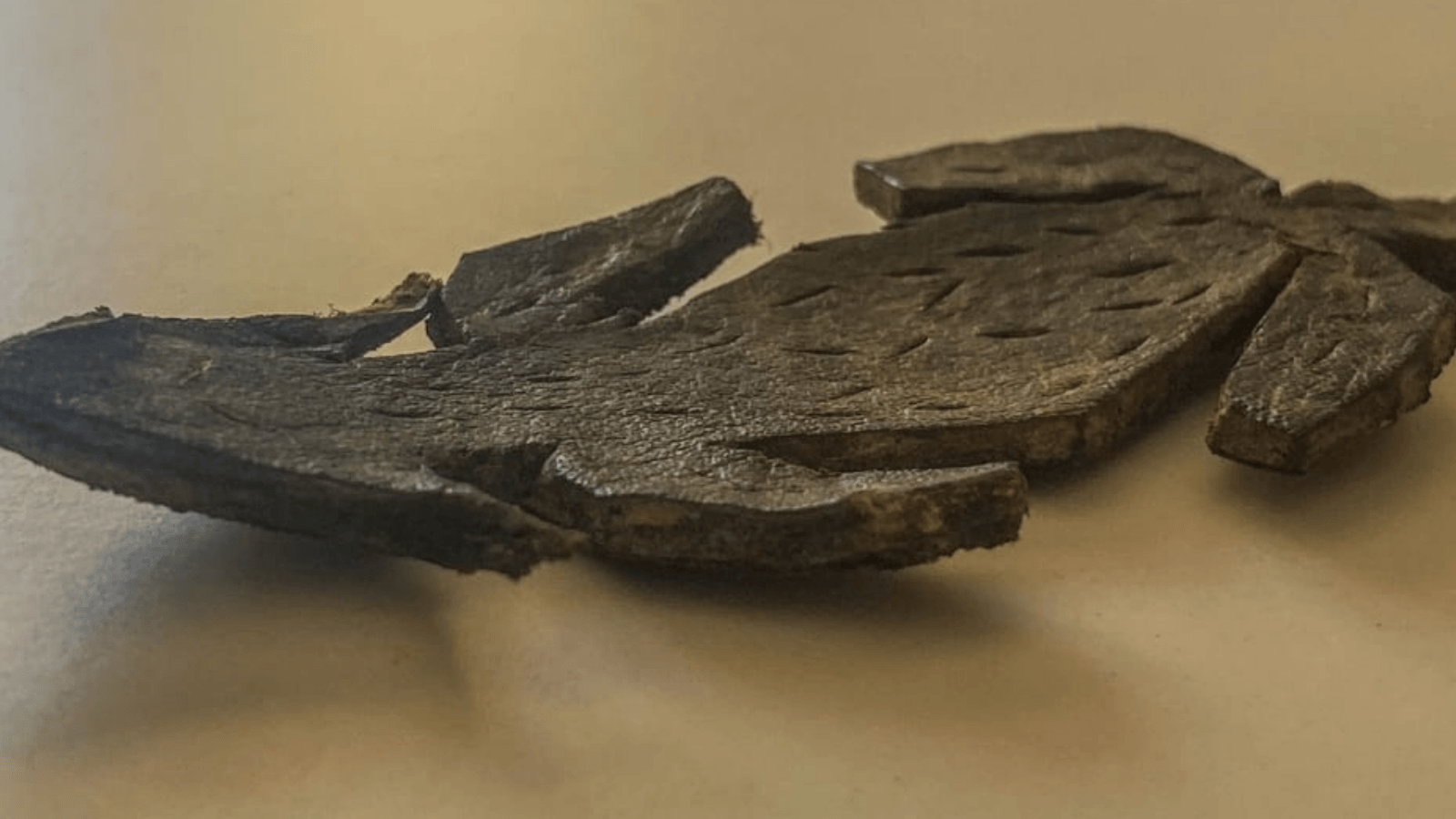
2,000-Year-Old Leather “Mouse” Comes Out of Storage at Roman Vindolanda
A tiny piece of leather cut into the shape of a mouse has emerged from the vast collections of Roman Vindolanda, offering an unusual glimpse into the lighter side of life on Rome’s northern frontier. The Vindolanda Trust highlighted the object this week as part of its weekly “Shoesday” series, which celebrates the site’s remarkable…
-
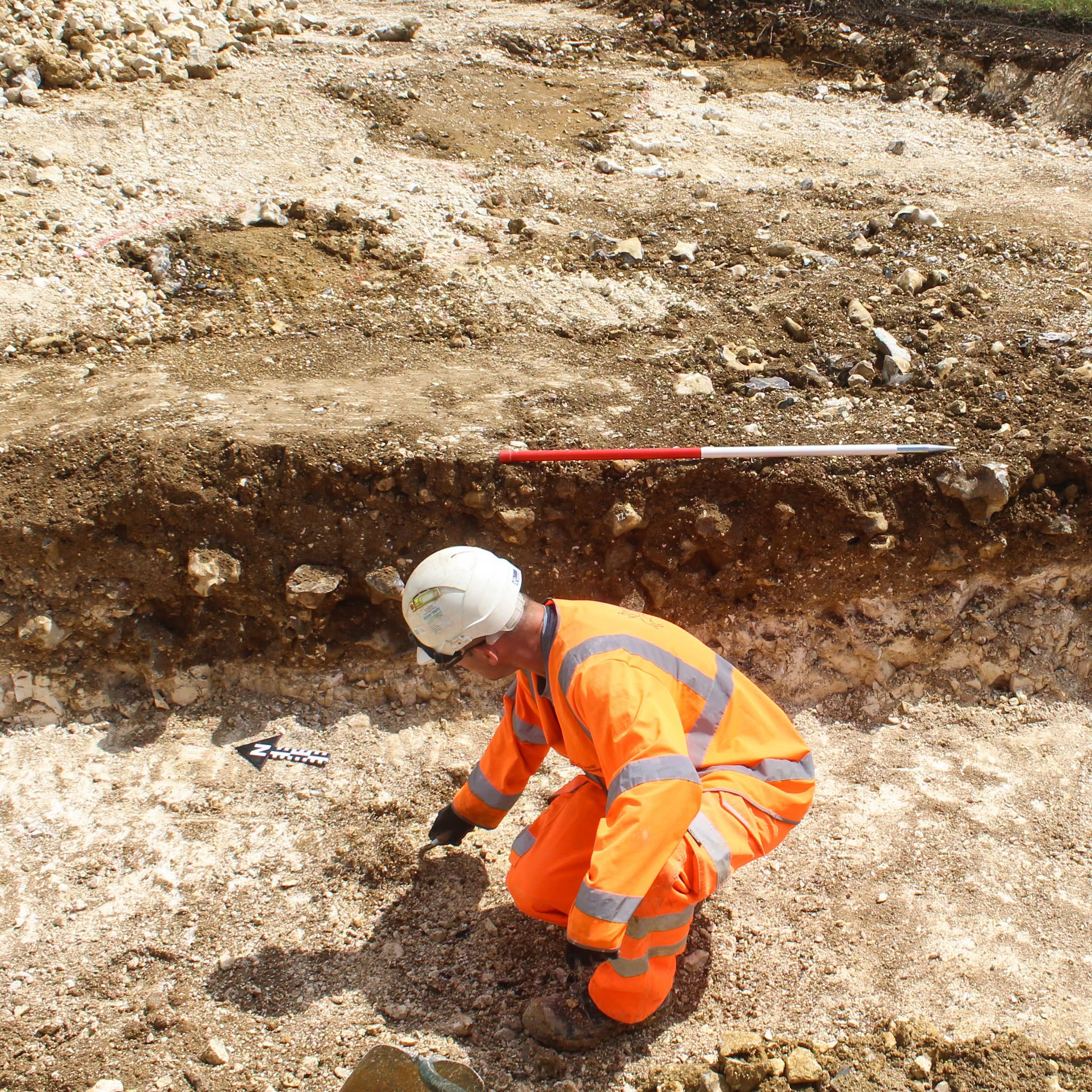
Iron Age Britons Used Slag-Tapping Furnaces Before the Roman Conquest
Radiocarbon dates from an iron-production site in Kent suggest that British metalworkers were draining molten slag from their furnaces before the Roman conquest of AD 43. The evidence comes from excavations at Junction 5 of the M2 motorway, where archaeologists uncovered furnaces and waste left behind by iron smelting. Some of the slag shows that…
-
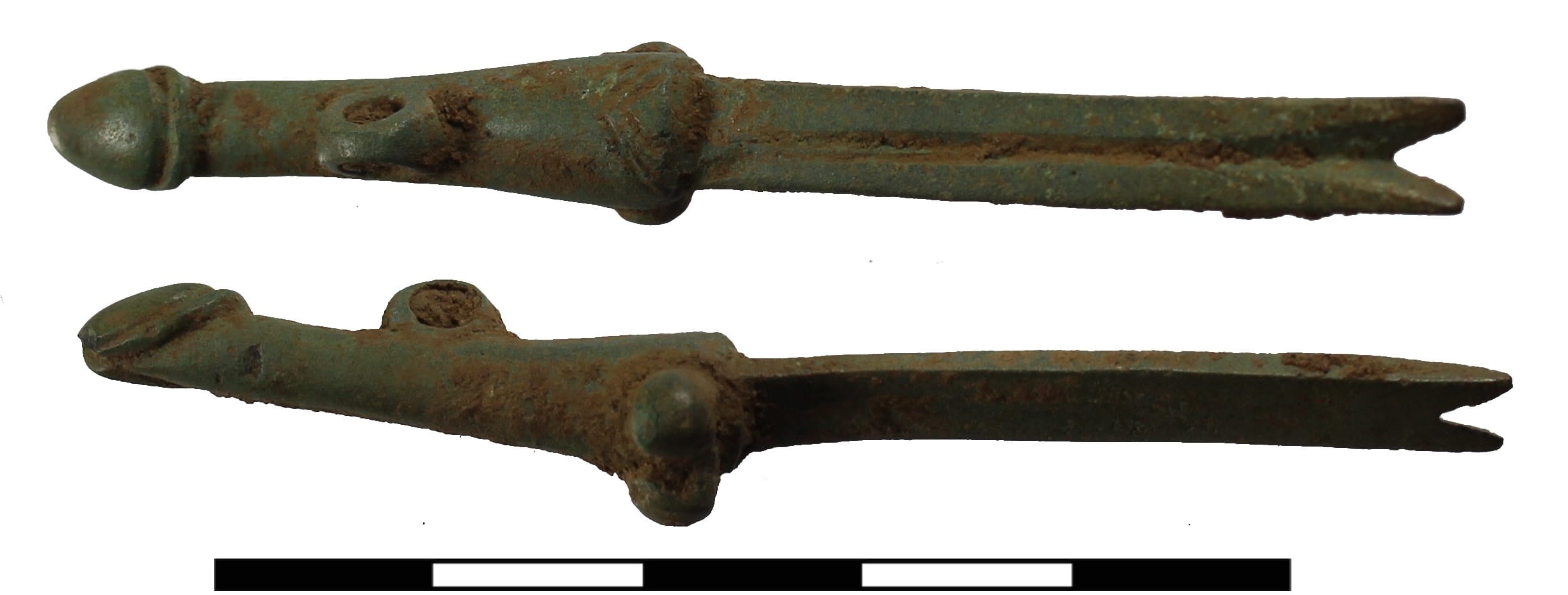
1,600-Year-Old Roman Nail Cleaner with Phallic Handle Unearthed Near Cheltenham
A small Roman object discovered near Cheltenham combined personal grooming with supernatural protection. One end was designed to clean beneath the fingernails; the other was shaped into a phallus believed to ward off evil and bad luck. The copper-alloy tool was found in Gloucestershire during archaeological excavations carried out ahead of improvements to the M5…
-
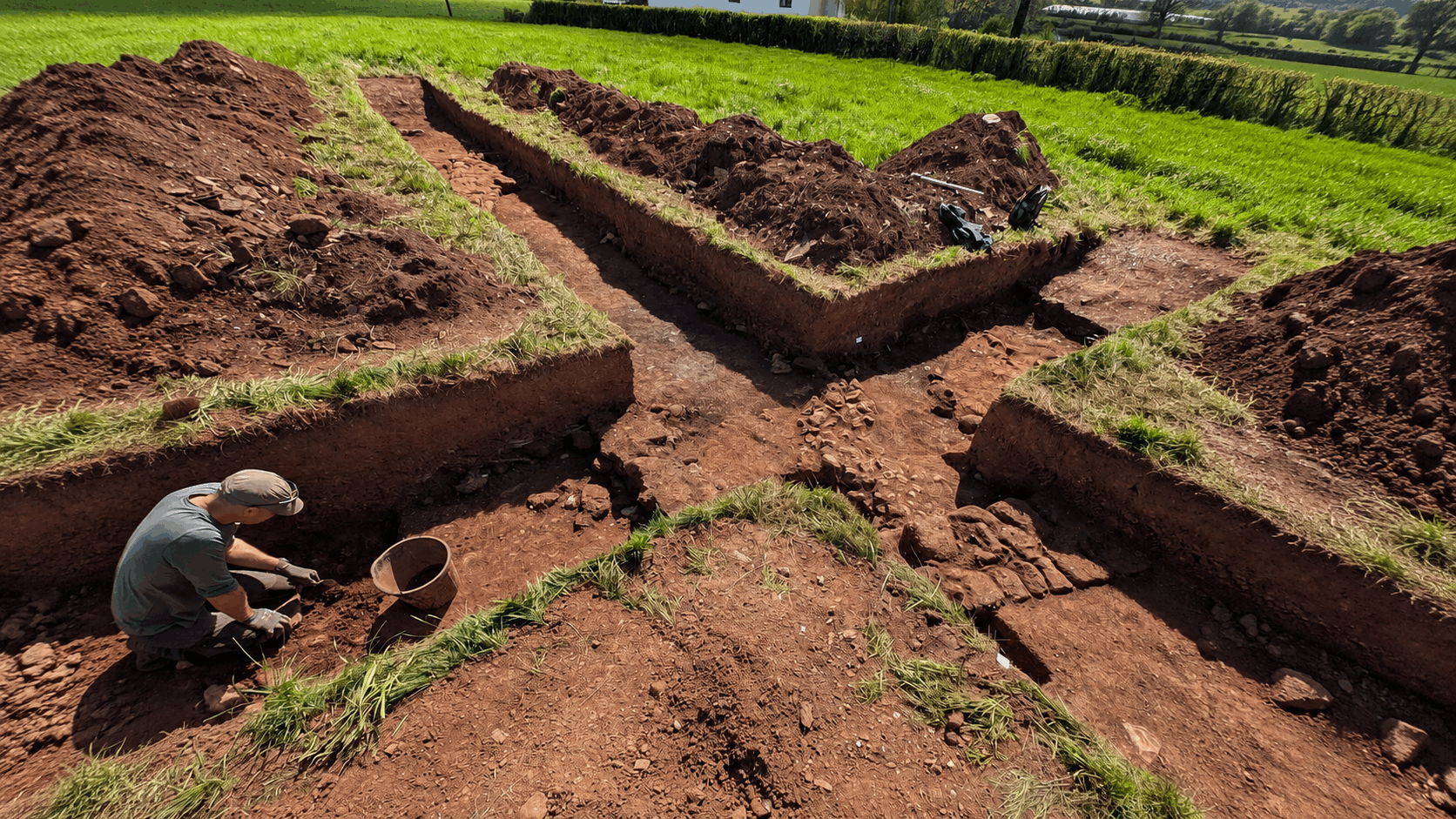
1,700-Year-Old Constantinople Commemorative Coin Found at Roman Villa in England
Archaeologists excavating a Roman villa in Devon, southwest England, have uncovered a 1,700-year-old Constantinople commemorative coin dating to between AD 330 and 340. The coin was issued during the reign of Emperor Constantine I to mark Constantinople becoming the new capital of the Roman Empire. A coin marking the new imperial capital Constantine rebuilt the…
-
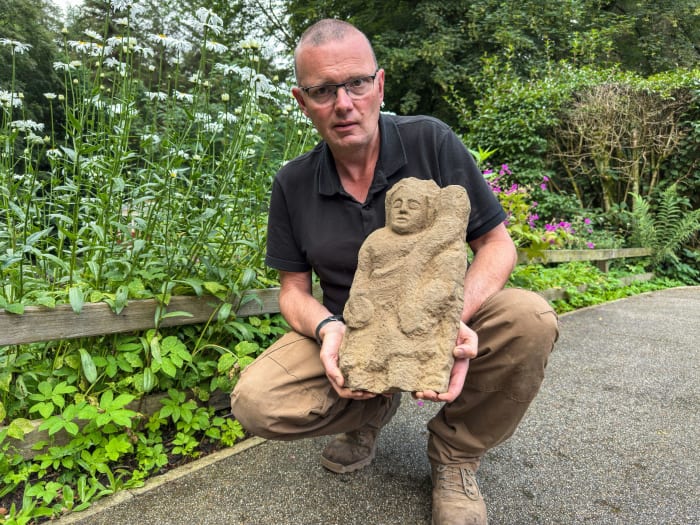
Roman Guardian Spirit Found Beneath a Vindolanda Barrack Floor After 1,600 Years
A carved Roman guardian spirit has been discovered face down beneath the floor of a fourth-century barrack at Vindolanda in northern England. The sandstone relief, probably once displayed in a small shrine, had later been reused as a paving stone, preserving its carved surface for more than 1,600 years. Dr Andrew Birley, director of excavations…