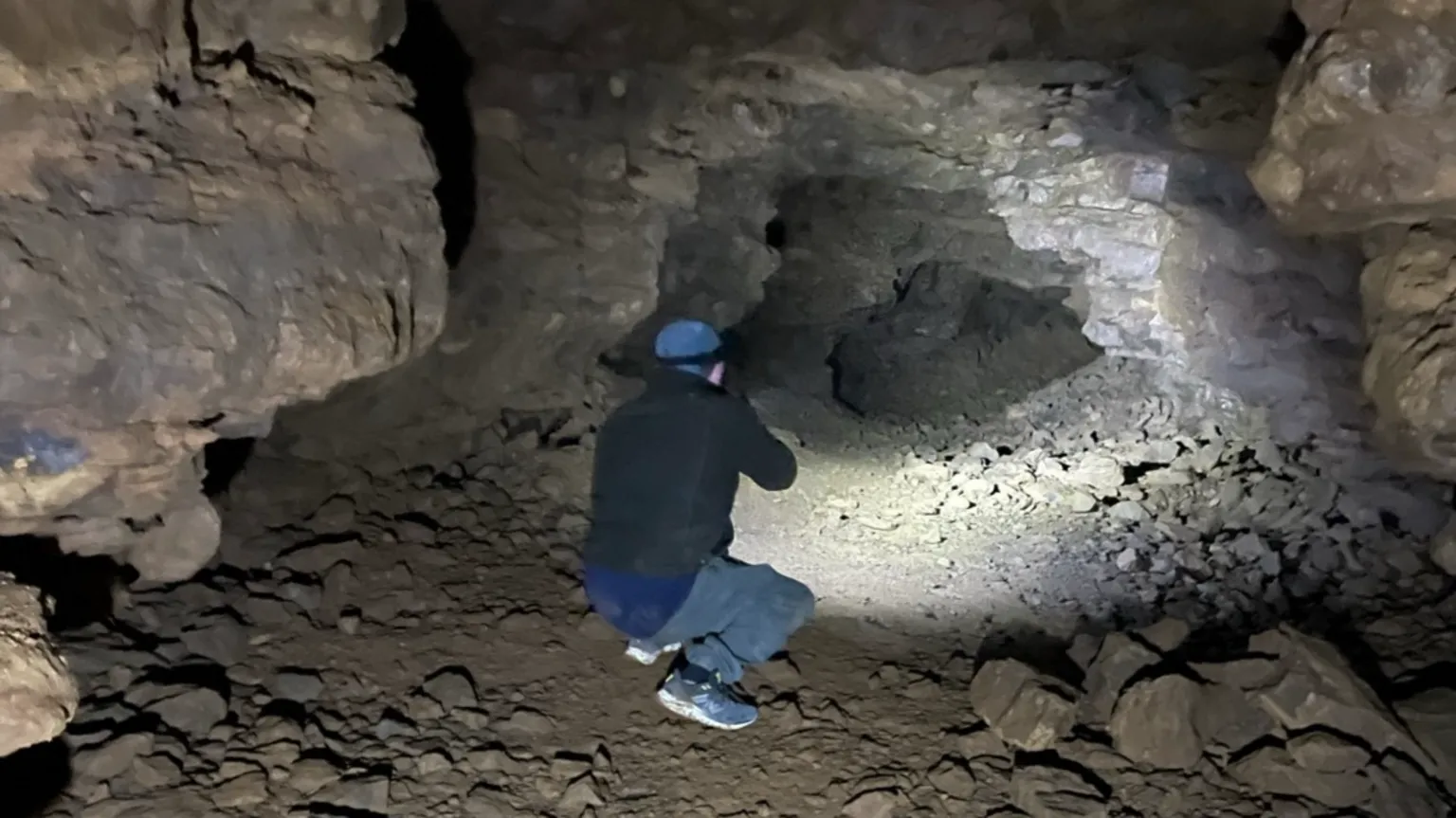
The Bloxham tunnels were once the kind of story people repeated in kitchens, pubs and garden conversations, half-believed but never proved. Beneath this quiet Oxfordshire village, on the edge of the Cotswolds, generations spoke of hidden passages running under homes, lanes and old properties. Now, after decades of rumours, local residents have found evidence that the stories were rooted in something real.
The discoveries have revealed an underground network whose age and purpose remain uncertain. Some sections may be centuries old. Others appear to have been altered or reused later. What is already clear, however, is that Bloxham’s folklore has opened the door to a genuine historical mystery.
A rumour becomes a search
The modern investigation began in 2024, when a Facebook discussion revived old memories of secret tunnels beneath the village. Residents began sharing fragments of stories they had heard from parents, grandparents and neighbours.
Dave Green, a Bloxham resident who had known the tales since childhood, helped form the Bloxham Underground Tunnel Society with other villagers. Their aim was not to dramatize the legend, but to test it against physical evidence before the memories disappeared with older generations.
The group’s first real lead came from a local account of a possible tunnel entrance remembered from childhood. After the entrance was located, experienced cavers checked the passage for safety. Only then did members of the society enter.
What they found changed the tone of the story. Bloxham did not simply have a legend about tunnels. It had tunnels.
A garage collapse exposes a larger passage
The most striking discovery came by accident. During building work for a private garage in March 2026, the ground suddenly gave way as foundations were being dug. Beneath the surface was a much larger passage than the group had expected.
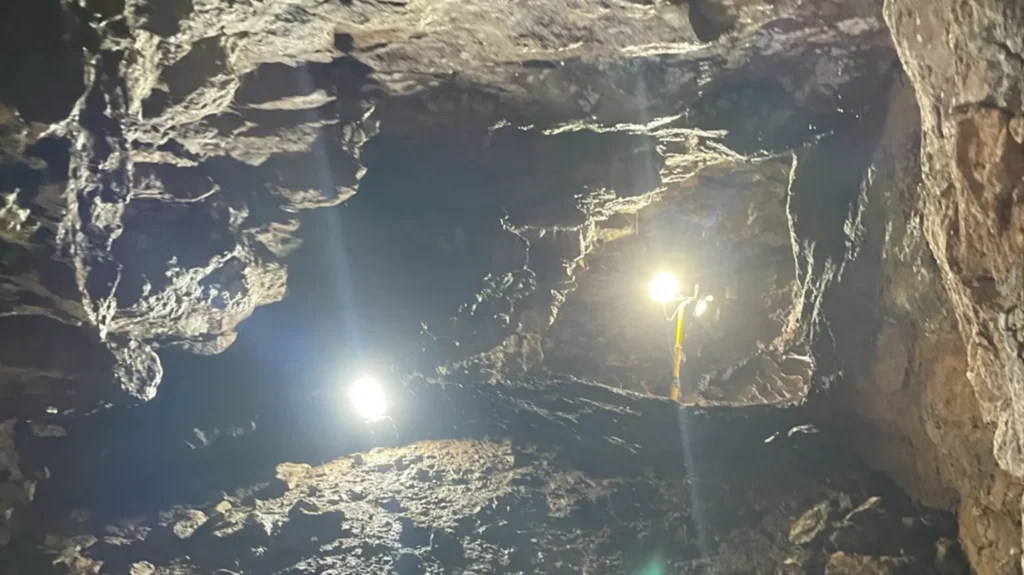
The exposed tunnel suggested that Bloxham’s underground spaces may not be isolated features. They could belong to a wider network, with blocked chambers, filled sections and possible routes still hidden below the village.
The original purpose of the passages remains unknown. They may have been used for storage, movement, concealment or access between properties. It is also possible that different sections served different functions over time.
That uncertainty is part of what makes the discovery so compelling. The question is not only who built the tunnels, but how many generations may have reused them.
Bones and carvings raise new questions
Inside the recently uncovered tunnel, the society found animal bones, including what Green has identified as a red deer skull. The team hopes radiocarbon testing may help clarify the age of organic material from the passage.
Still, caution is important. A bone can be dated, but that does not automatically date the tunnel itself. Material may have entered the passage long after it was cut, especially if the tunnel was reused, blocked or disturbed.
Other finds deepen the puzzle. Reports mention pottery, Victorian glass bottles, a leather shoe sole and carved markings on the walls. One symbol has been described as a double “V” mark, often linked to Marian protective inscriptions known from medieval and later contexts.
These clues point to a layered history rather than a simple answer.
Roman origin or Reformation refuge?
Several theories are being considered. One possibility is that parts of the network could have Roman or pre-medieval origins. Another suggests later use during the English Reformation, when hidden routes and concealed spaces may have offered refuge during periods of religious upheaval.
For now, neither theory is proven. The tunnels need careful recording, controlled investigation and scientific testing before firm conclusions can be drawn.
But Bloxham has already shown how local memory can preserve traces of the past long after written records fall silent. What began as village folklore has become a serious historical question beneath the ground.
The old stories have not answered the mystery. They have done something better. They have shown where to start digging.
Cover Image: Inside the Bloxham tunnels, where local folklore beneath the Oxfordshire village has turned into a growing archaeological mystery. Credit: Bloxham Underground Tunnel Society