-
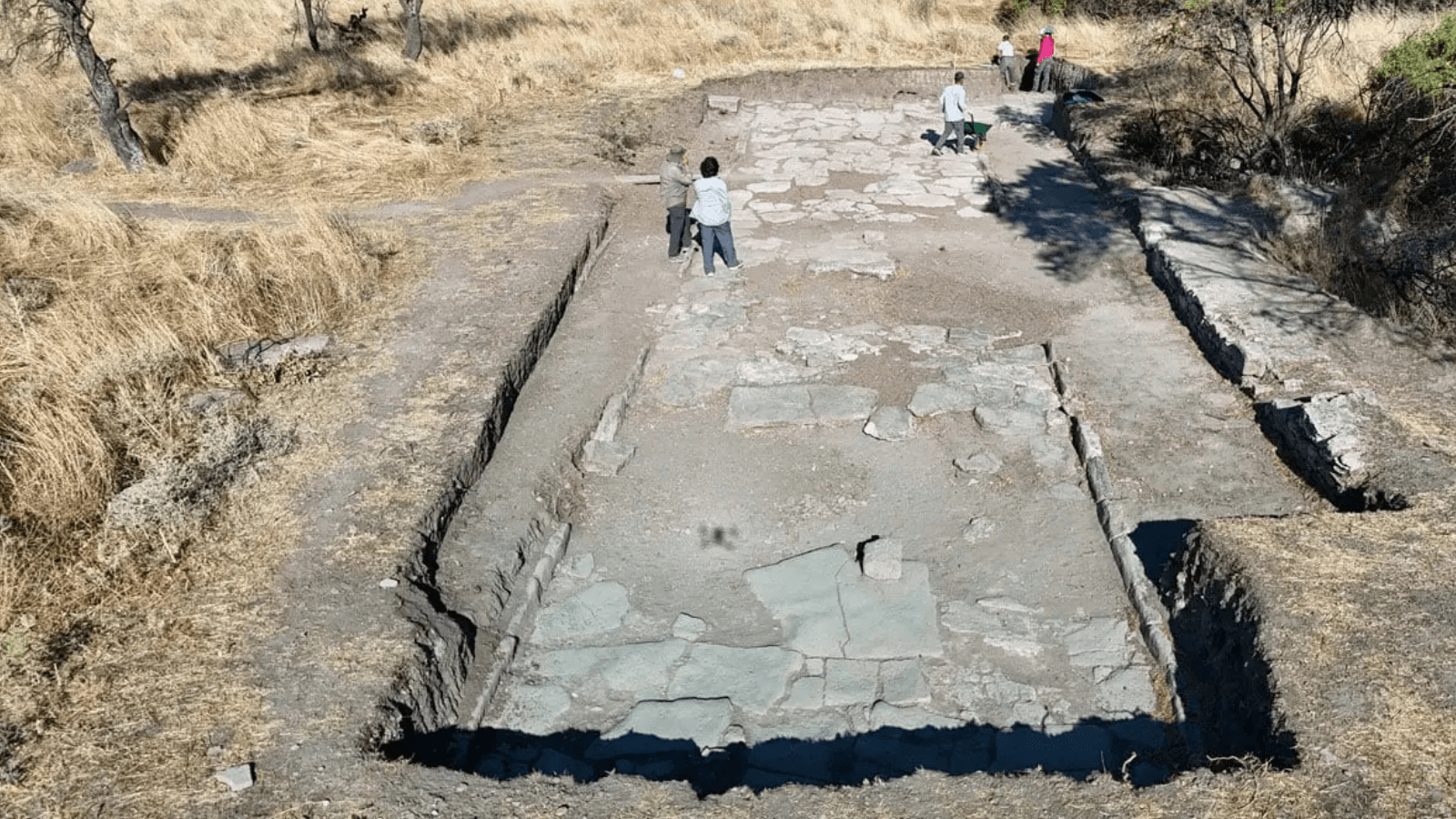
2,000-Year-Old Street Emerging at Troy Reveals the Scale of Its Roman City
Archaeologists at Troy are uncovering a major Roman street that once ran through the lower city, exposing part of an urban landscape shaped nearly 2,000 years ago at a place Romans closely associated with their own legendary beginnings. The street is emerging during the 2026 excavation season at the ancient site in northwestern Türkiye. Researchers…
-
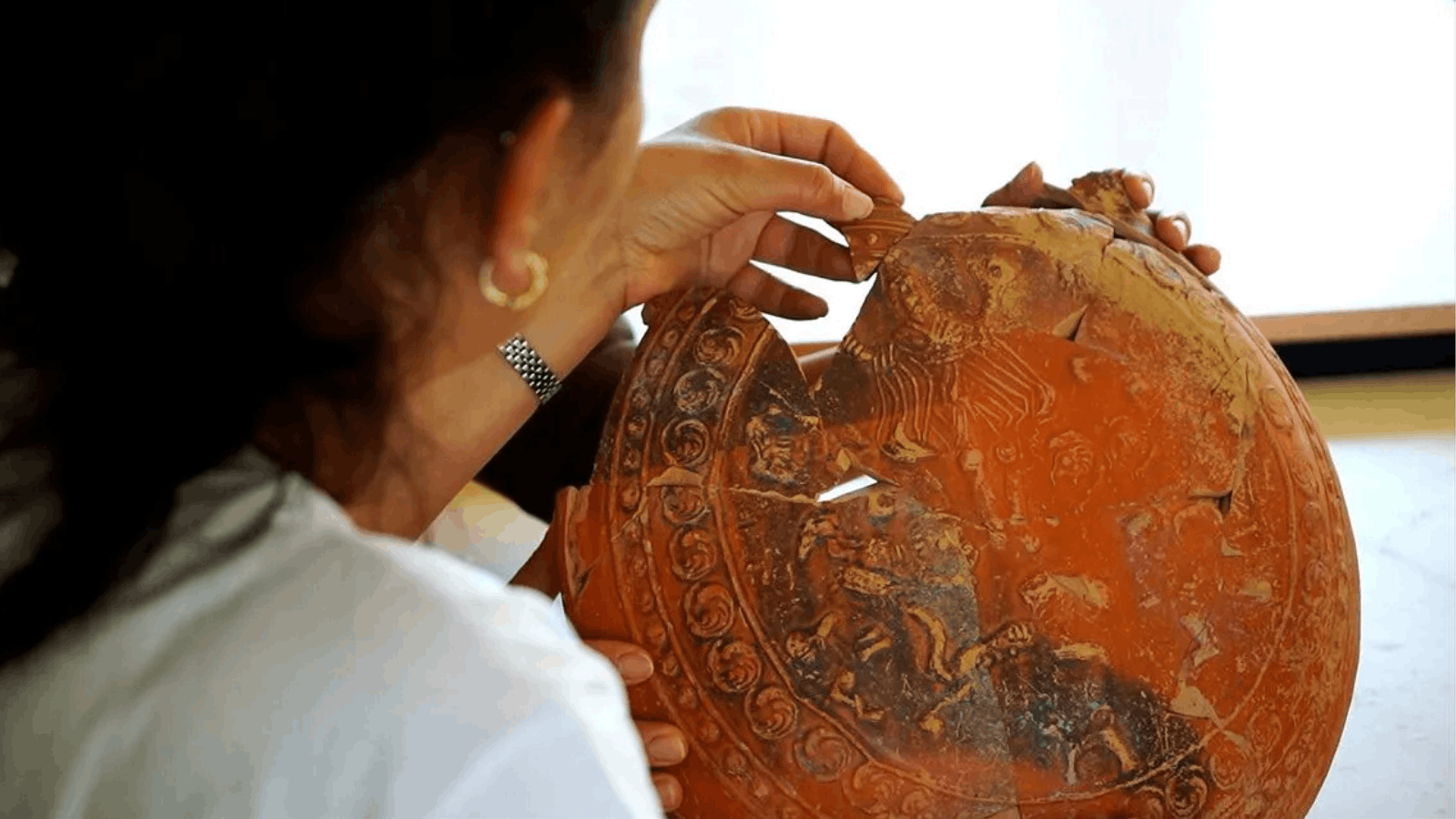
A Unique 1,500-Year-Old Vessel Depicting Daniel’s Four Beasts Discovered at Pisidian Antioch
A 1,500-year-old liturgical vessel discovered at Pisidian Antioch carries a scene that archaeologists say has no known parallel in Christian art: Daniel shown together with all four beasts from his biblical vision. The two-handled vessel dates to the 6th century AD and was uncovered during excavations in the ancient city’s Christian complex in Yalvaç, southwestern…
-
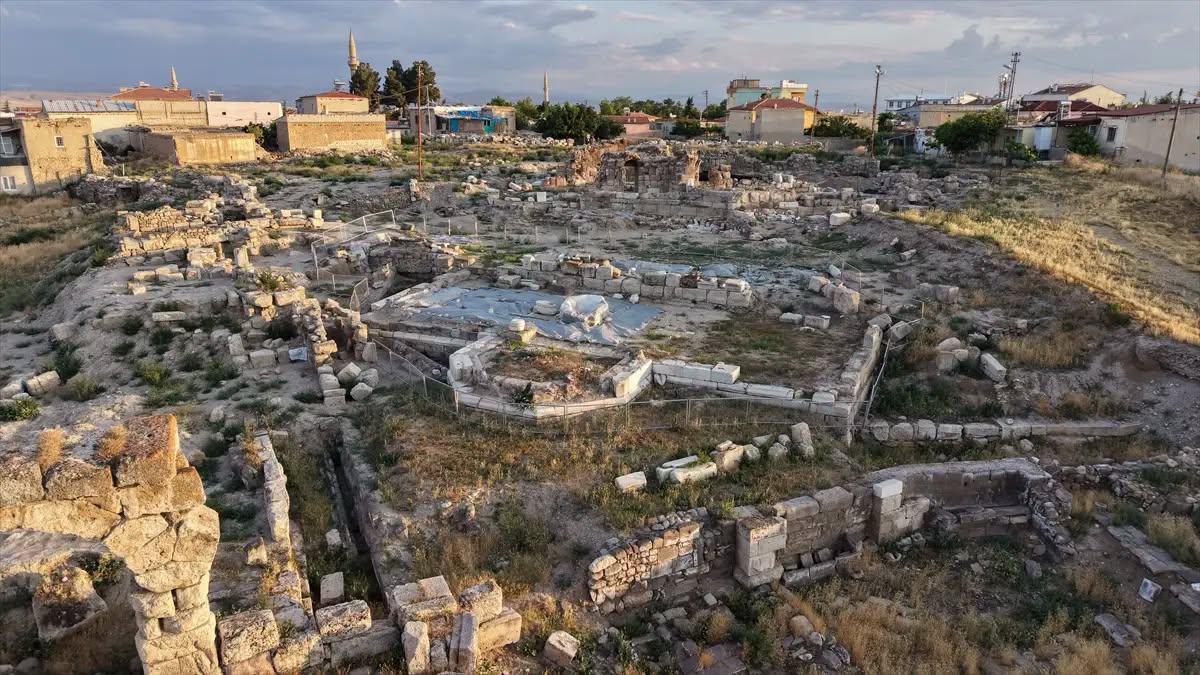
42 Late Roman Graves Identified Inside an Octagonal Church at Ancient Tyana
Archaeologists excavating the ancient city of Tyana in central Turkey have identified 42 Late Roman graves inside an octagonal church. Eighteen of the burials have been excavated so far, while most of the remaining graves will be examined in future seasons. The graves are concentrated in the western nave of the church at Kemerhisar, a…
-
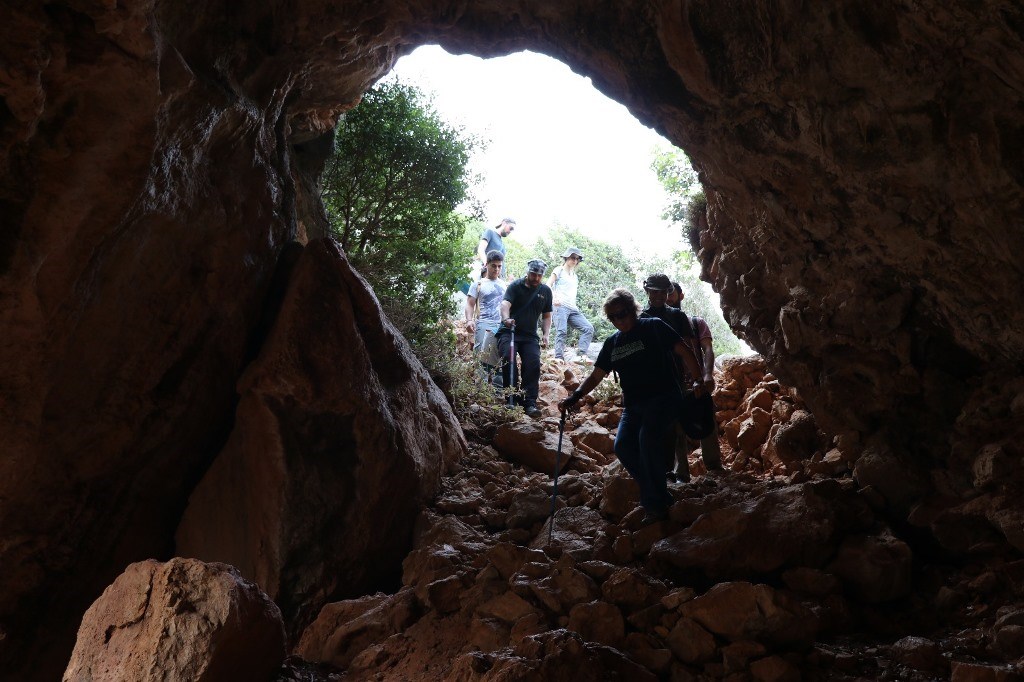
Türkiye Cave Reveals 20,000 Years of Cultural Continuity Between Neanderthals and Modern Humans
Archaeologists working at Üçağızlı II Cave in Hatay, southern Türkiye, have uncovered evidence that may reshape how researchers understand the transition from Neanderthals to modern humans in the northern Levant. A new study published in Proceedings of the National Academy of Sciences reports long-term cultural continuity across more than 20,000 years of occupation at the…
-
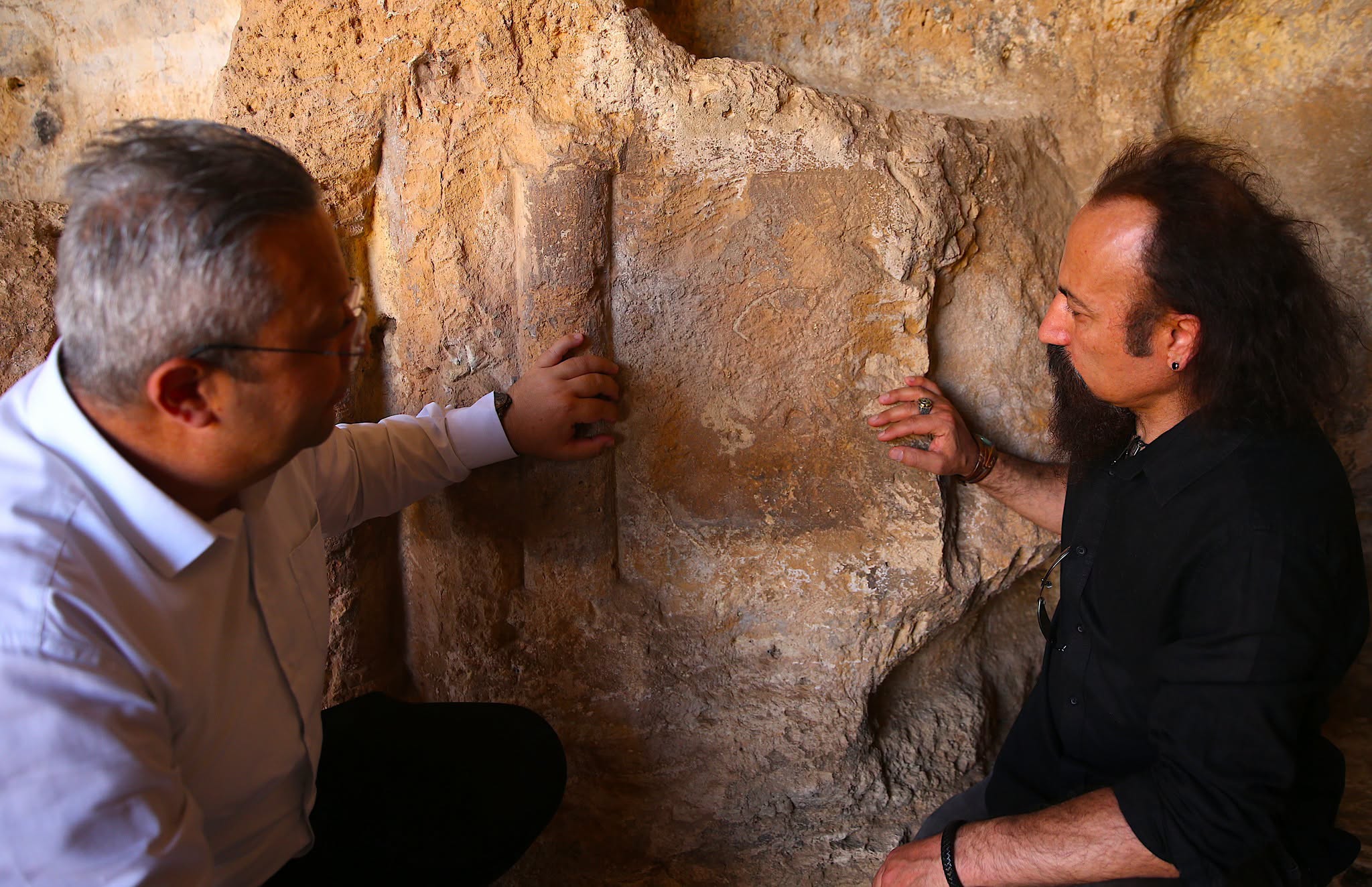
A Cross Sealed a Mithras Temple in Türkiye 1,700 Years Ago
At Zerzevan Castle in Diyarbakır, researchers say a newly deciphered inscription at the entrance of an underground Mithras temple shows that the sanctuary was sealed by Christians about 1,700 years ago. The text, examined through Aramaic and Syriac epigraphy, suggests that the temple was not merely abandoned. Its sacred authority was formally brought to an…
-
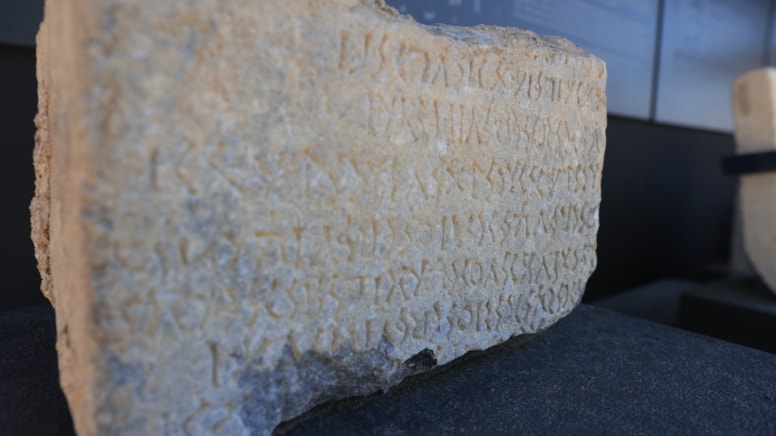
Lost Language of Ancient Anatolia Moves Closer to Decipherment as Sidetic Alphabet Expands to 31 Letters
Researchers studying Sidetic, the ancient language of Side, have expanded the known alphabet from 26 to 31 letters. The advance may seem small, but for a language preserved in only a limited number of inscriptions, five additional signs can make a major difference. Sidetic was used in and around the ancient city of Side more…
-
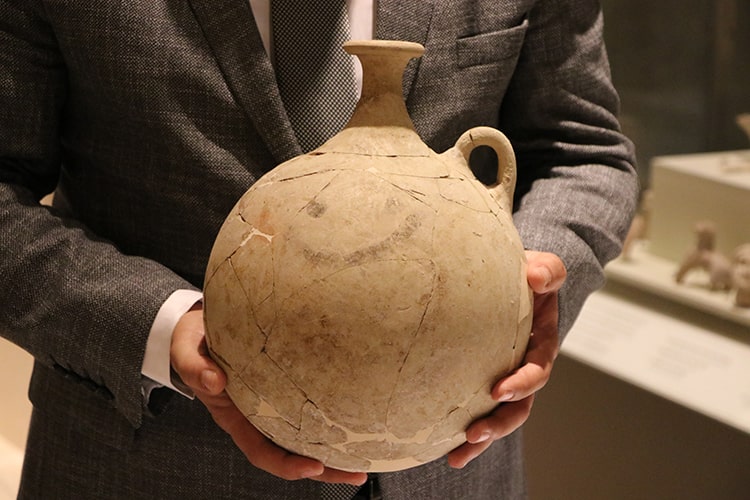
A 3,700-Year-Old Smile from Ancient Carchemish Is Going on Display in Türkiye
Long before digital emojis, someone in Bronze Age Carchemish painted a simple smiling face on a clay flask. Nearly 3,700 years later, that small object is preparing to meet visitors at Gaziantep Archaeology Museum in southeastern Türkiye. The flask comes from Karkamış, known in antiquity as Carchemish, one of the great cities of the ancient…
-

A Rare River Harbor Identified in Trabzon: One of Only Three Known Examples Worldwide
Beneath what was once a bustling market in northeastern Türkiye, archaeologists have uncovered something far older — and far rarer — than anyone expected. Excavations in the Pazarkapı district of Trabzon have revealed an ancient quay structure now identified as one of only three known river harbors in the world. The structure, linked to the…
-
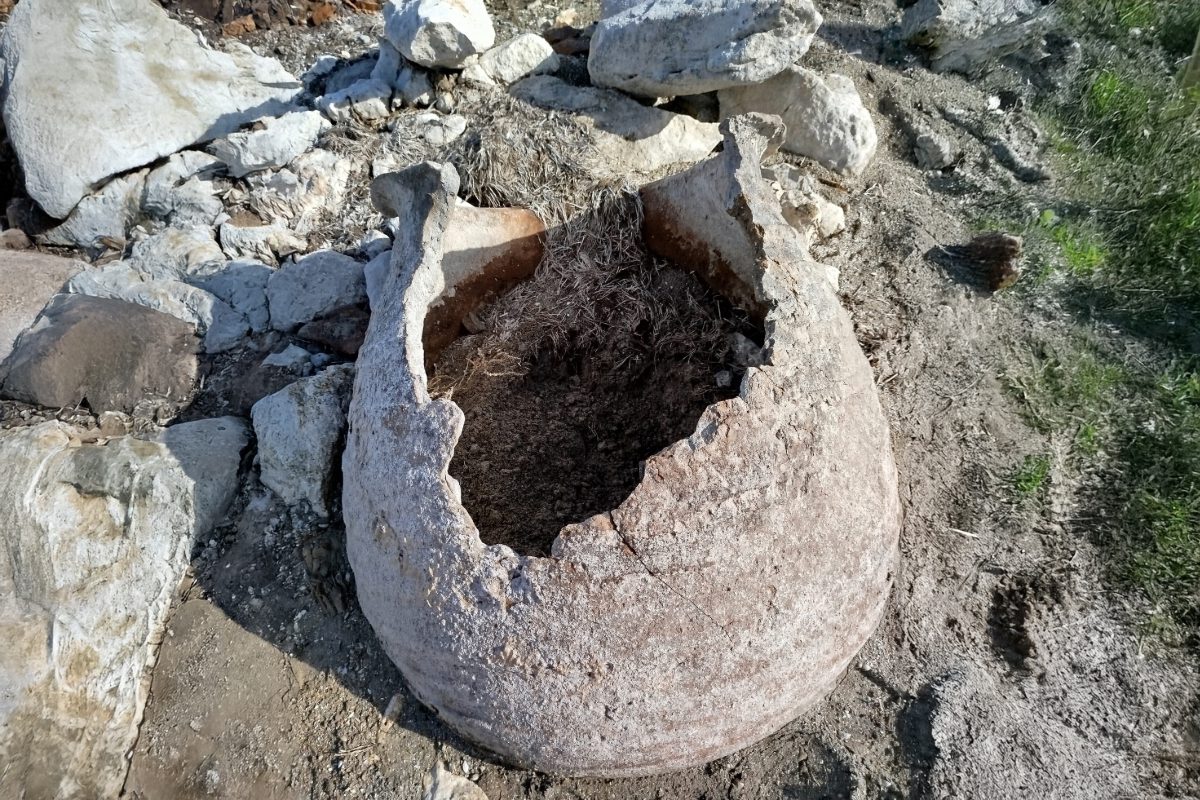
Drought Reveals Possible Ancient Jar Burials Along the Shores of Lake Eğirdir in Türkiye
A receding shoreline. Cracked earth where water once stood. And rising from the exposed lakebed—massive ceramic jars, partially buried in silt. Along the shores of Lake Eğirdir in southwestern Türkiye, severe drought has revealed what may be an ancient burial ground. As water levels dropped dramatically in recent years, villagers in Beydere began noticing large…