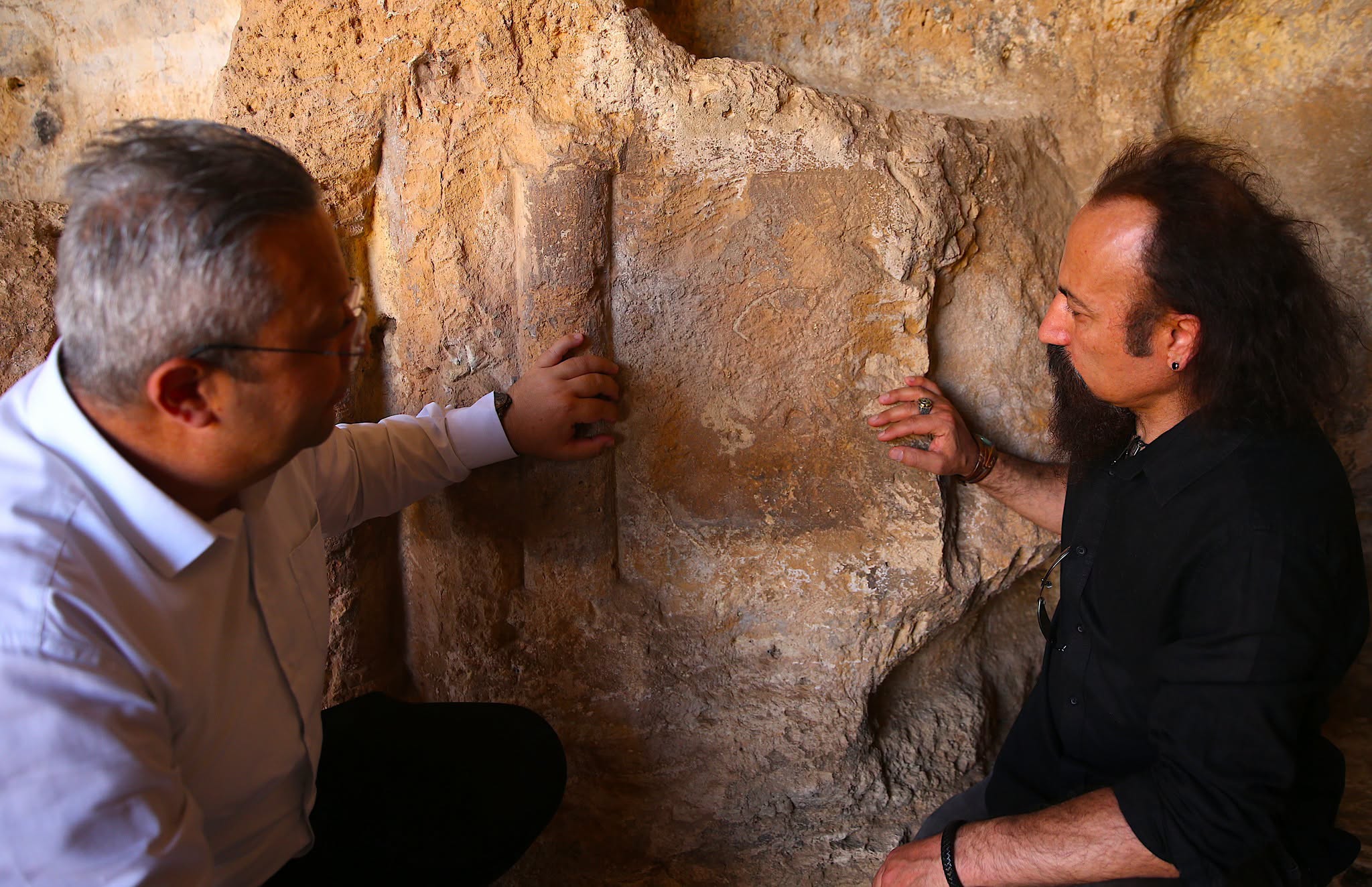
At Zerzevan Castle in Diyarbakır, researchers say a newly deciphered inscription at the entrance of an underground Mithras temple shows that the sanctuary was sealed by Christians about 1,700 years ago. The text, examined through Aramaic and Syriac epigraphy, suggests that the temple was not merely abandoned. Its sacred authority was formally brought to an end.
The Mithras temple was uncovered in 2017 inside the For years, the inscription remained unreadable.
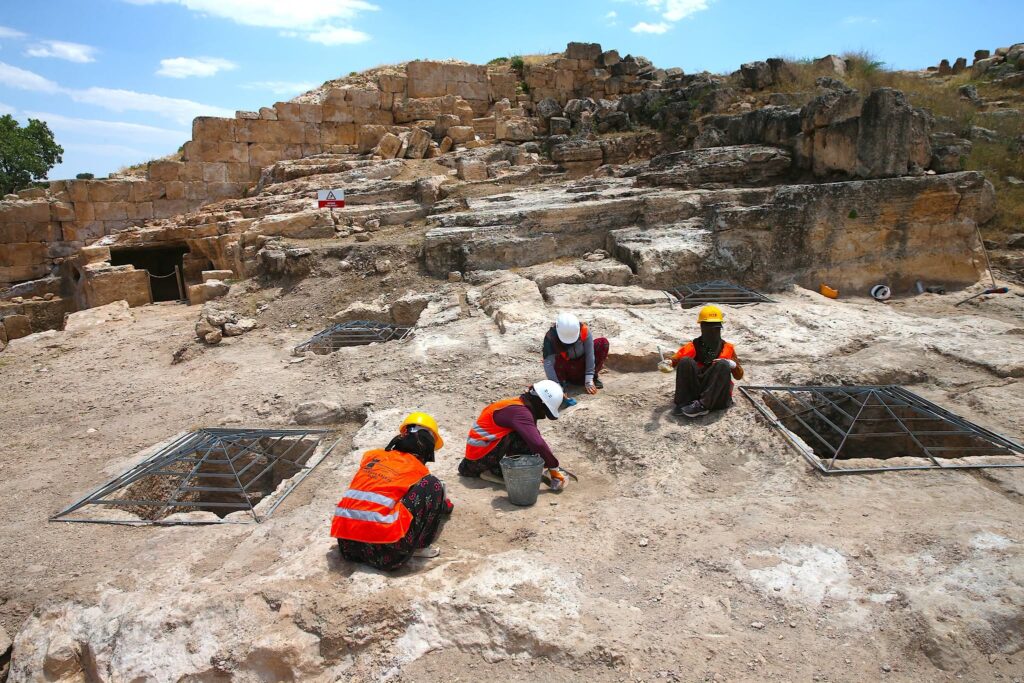
A Roman fortress with a hidden sanctuary
Zerzevan Castle stood on Rome’s eastern frontier, in a region shaped by military movement, imperial control, and contact with the Persian world. The fortress was built for defense, but its underground spaces show that life there was not only military.
Among those spaces was a Mithraeum, a sanctuary dedicated to Mithras, one of the most mysterious gods worshipped in the Roman Empire.
Mithras was especially popular among soldiers, officials, and imperial networks during the 2nd and 3rd centuries A.D. His cult was not practiced in open public temples. It belonged to closed groups, secretive rituals, and enclosed chambers often built below ground.
That setting makes the Zerzevan find unusually powerful. The inscription was placed at the entrance of a space that had already been designed to separate initiates from the outside world.
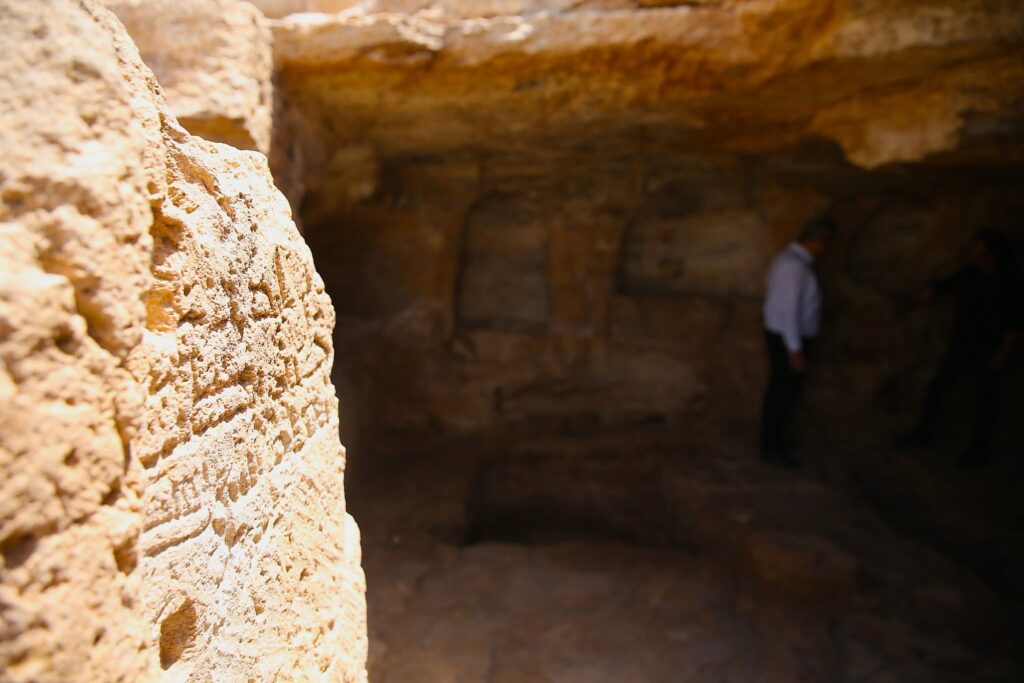
The inscription that changed the reading of the temple
The inscription was studied by Prof. Dr. Mehmet Sait Toprak, Head of the Department of Syriac Language and Literature at Mardin Artuklu University. His work focused on old Aramaic epigraphy, philology, and the shape of the letters.
The writing was compared with Syriac inscriptions from the 2nd and 3rd centuries A.D. in the Şanlıurfa Museum. According to the analysis, the text carries features consistent with Syriac and Aramaic writing traditions of late antiquity.
Prof. Dr. Aytaç Coşkun, the excavation director at Zerzevan Castle, said the inscription had been studied since the temple’s discovery in 2017, including by researchers in Türkiye and abroad. The new reading now ties the text to the Christian-period closure of the sanctuary.
This turns the inscription into more than a difficult epigraphic problem. It gives archaeologists a physical trace of how a Roman mystery cult could be shut down when Christianity became dominant.
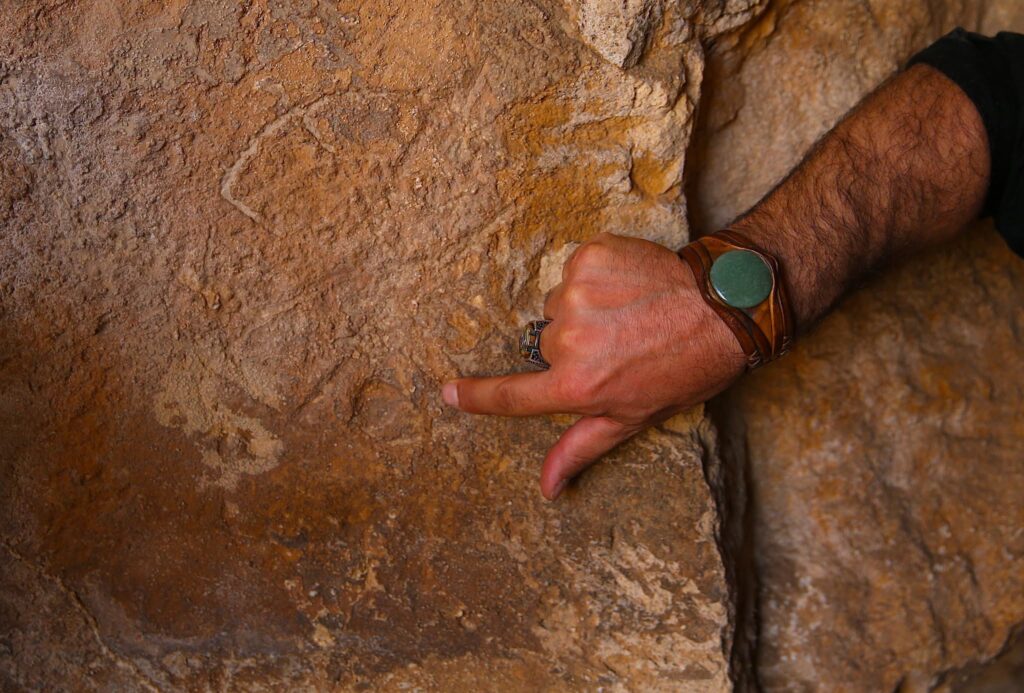
The cross at the entrance
According to Prof. Dr. Toprak’s reading, the inscription refers to the “holy cross” and invokes God as the one who orders, reforms, and spreads love. He argues that the cross and the text acted together as a religious seal.
The location of that seal is critical. Mithras was associated in Roman religious culture with Sol Invictus, the “Unconquered Sun.” At Zerzevan, a Christian symbol appears to have been placed directly at the threshold of a sanctuary tied to that older sacred world.
The act was therefore not only practical. It was a statement. The entrance was closed, and the inscription appears to declare that the temple’s former religious power had been cancelled.
A rare trace of the end of Mithras worship
Mithras worship spread across the Roman Empire from Britain to the eastern provinces. Its sanctuaries have been found in military sites, urban centers, and administrative landscapes. Yet the end of the cult is much harder to follow.
Some Mithraea were abandoned. Others were damaged, reused, or absorbed into later Christian settings. Clear evidence for a symbolic closing is far less common.
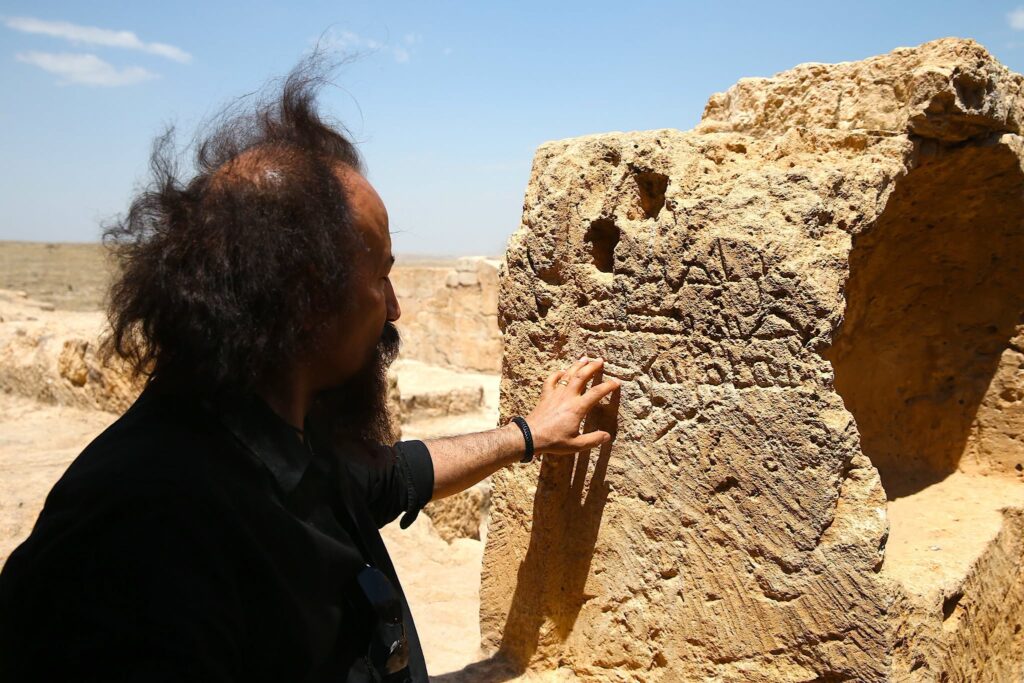
Zerzevan Castle now offers a sharper case. An underground Mithras temple, inside a Roman frontier fortress, appears to have been sealed with a cross and a written formula. That combination gives the site a rare place in the archaeology of late Roman religion.
The discovery does not simply show that Christianity replaced an older cult. It shows how that replacement could be marked at a specific sacred doorway.