-
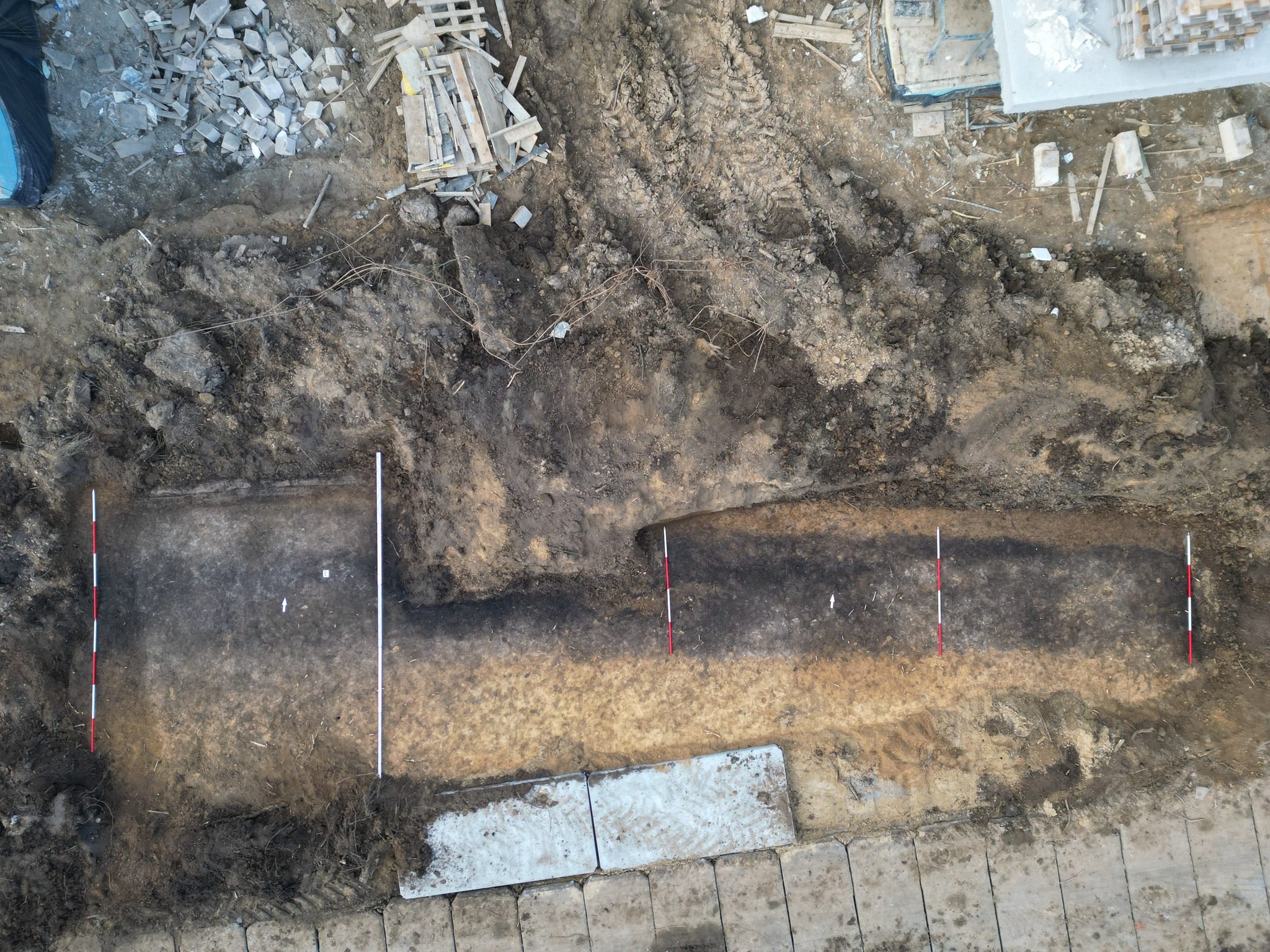
6,000-Year-Old Wooden Megalithic Tomb Discovered in Poland During Housing Project
A 6,000-year-old wooden megalithic tomb discovered in Lublin, Poland, during a housing project is offering rare insight into prehistoric burial traditions in Central Europe. What began as routine groundwork has revealed an unexpected structure tied to one of the region’s earliest farming communities. According to a statement by the Lublin Voivodeship Conservator of Monuments, based…
-
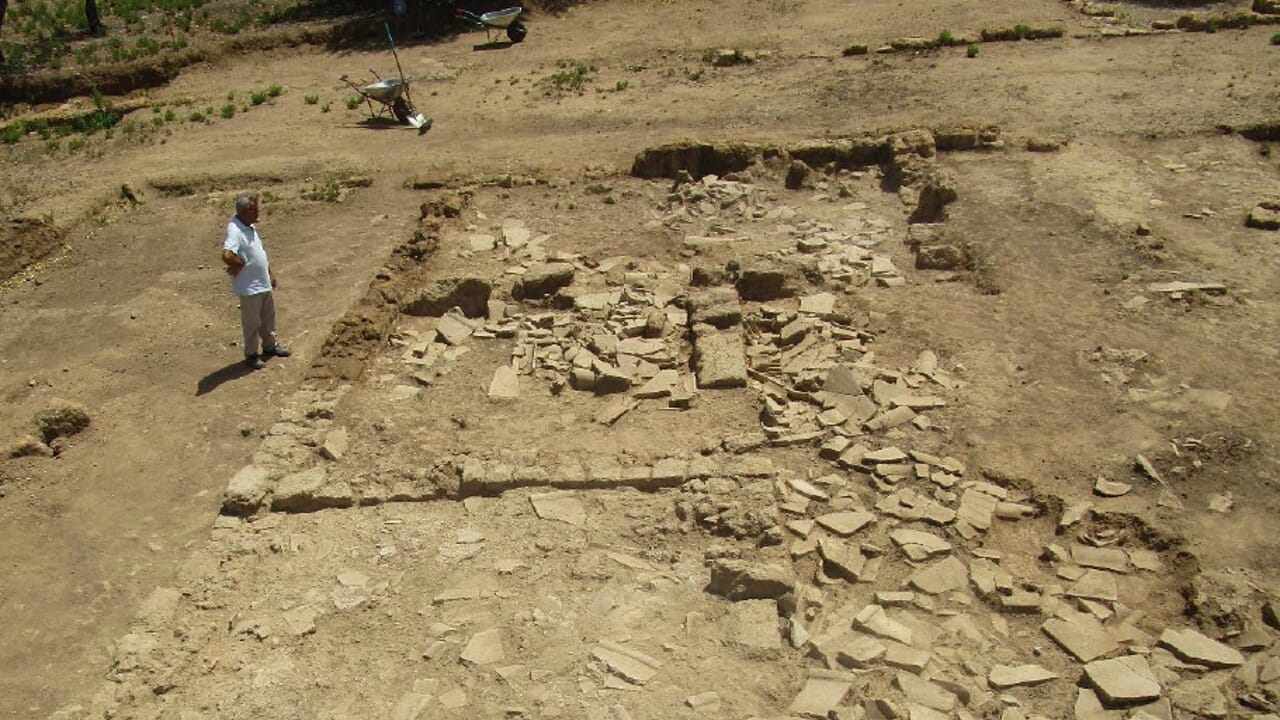
Ancient Greek City of Akragas Reveals Hidden Lives as Excavations Resume in Sicily
For generations, the ancient city of Akragas has been defined by its monumental temples rising above Sicily’s southern coast. But as excavations resume in 2026, archaeologists are shifting attention away from sacred architecture toward something far more intimate—the everyday lives of the people who once inhabited this powerful Greek city. A new excavation campaign inside…
-
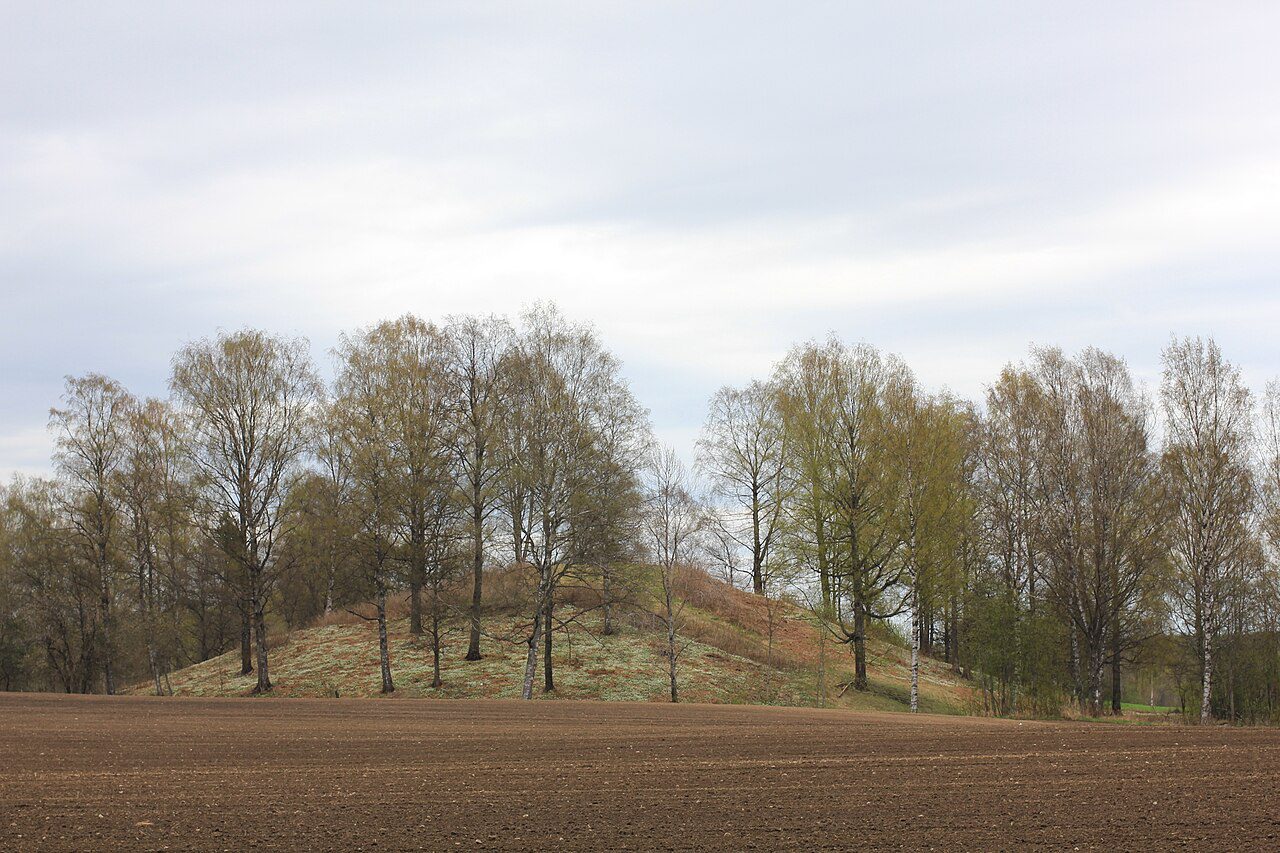
Raknehaugen May Not Be a Royal Burial After All—Study Points to Catastrophic Origin
Raknehaugen, one of the largest prehistoric mounds in Scandinavia, has long been interpreted as the burial place of a powerful Iron Age elite. Yet despite more than a century of excavation, no confirmed grave has ever been identified within the monument in Norway. A new study suggests that this enormous structure may not have been…
-
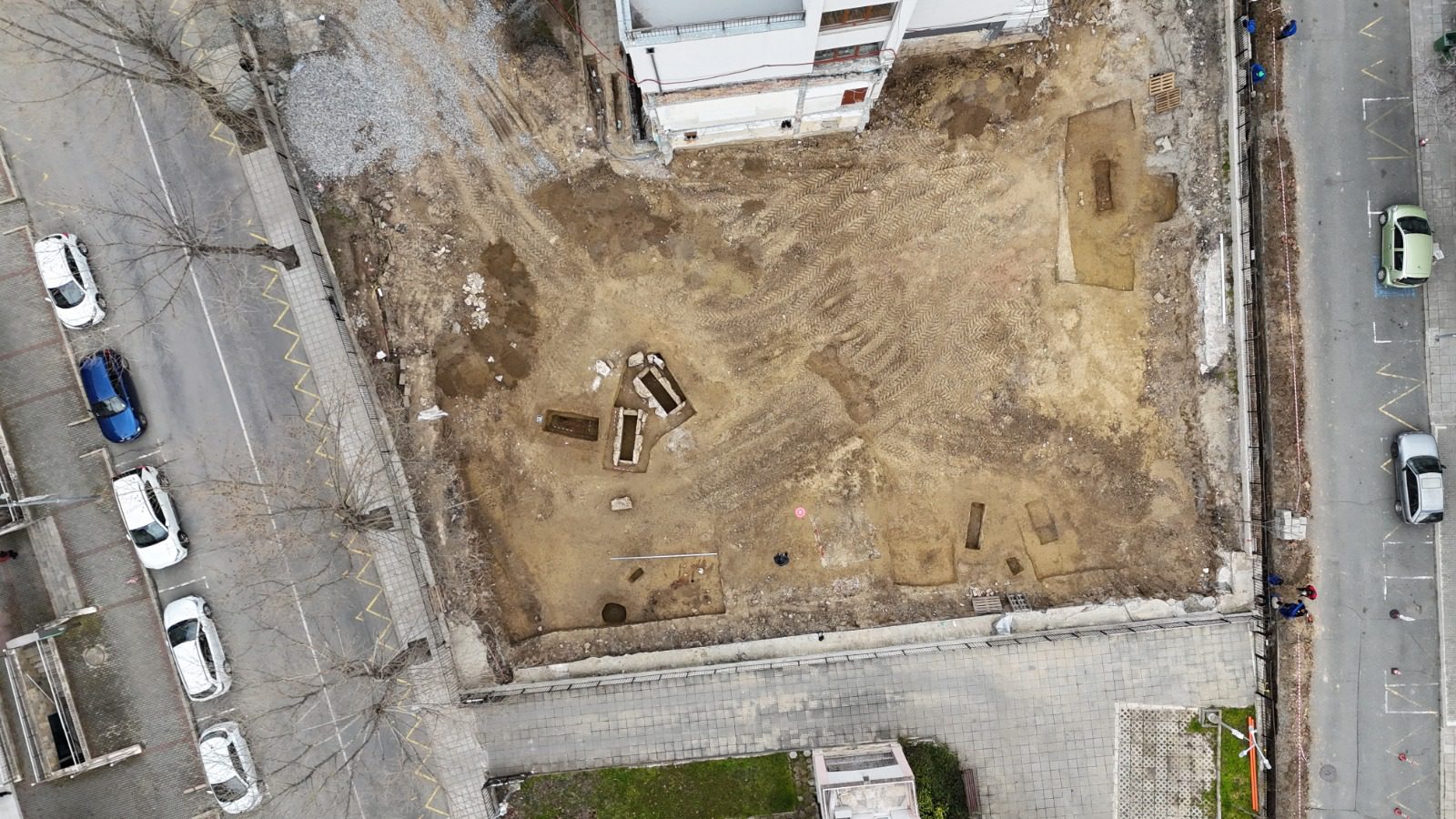
Hellenistic Tombs Unearthed in Bulgaria Reveal Rare Burial Pit and Gilded Bronze Wreath
A stretch of Bulgaria’s Black Sea coast has quietly revealed a remarkable chapter of ancient life—and death. Archaeologists working in Nessebar have uncovered a group of Hellenistic tombs dating to the 3rd–2nd centuries B.C., including an unusual stepped burial pit containing a finely crafted gilded bronze wreath. The discovery was made within the necropolis of…
-

Rare Nordic Iron Age “Gold Man” Found in Norway After 127 Years
In southwestern Norway, a metal detectorist has uncovered a rare gullgubbe—a delicate gold foil stamped with the image of a man and a woman—dating to the Nordic Iron Age (c. 550–793 A.D.). Despite measuring just 1 centimeter in length, the object may offer critical clues about a forgotten ceremonial landscape. A Rare Find in Rogaland…
-
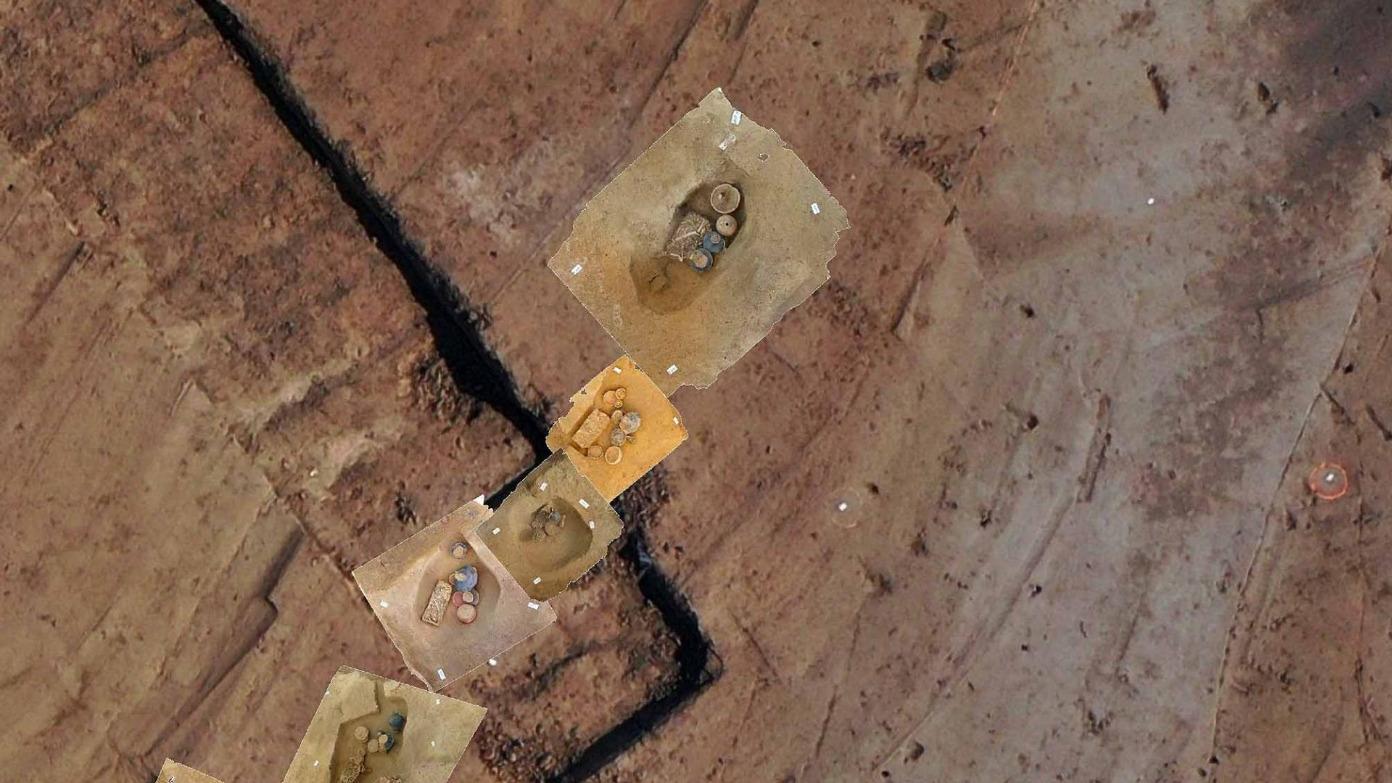
2,000-Year-Old Child’s Grave in France Reveals Terracotta Figurine of Embracing Couple
A small grave, easily overlooked among hundreds of archaeological features in northern France, has yielded one of the most quietly powerful discoveries of recent years: a terracotta figurine depicting a couple locked in an embrace, placed beside the cremated remains of a very young child. The burial, dated to the 1st century AD, was uncovered…
-
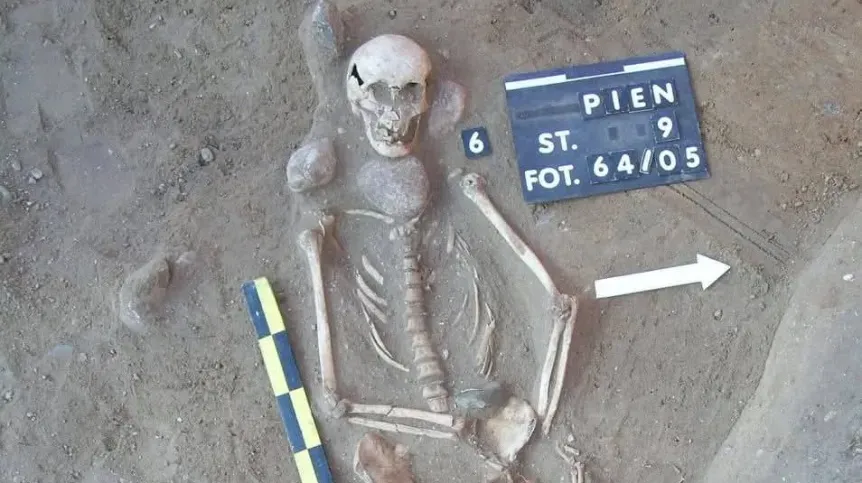
Over 100 Graves in Poland Reveal ‘Vampire Burials’—But Archaeologists Say They May Be Society’s Outcasts
In the village of Pień in northern Poland, archaeologists have uncovered more than 100 graves from a 17th-century cemetery—many of them associated with what are often described as vampire burials. Yet as research deepens, a different picture is emerging: this site may have served as a burial ground for individuals pushed to the margins of…
-
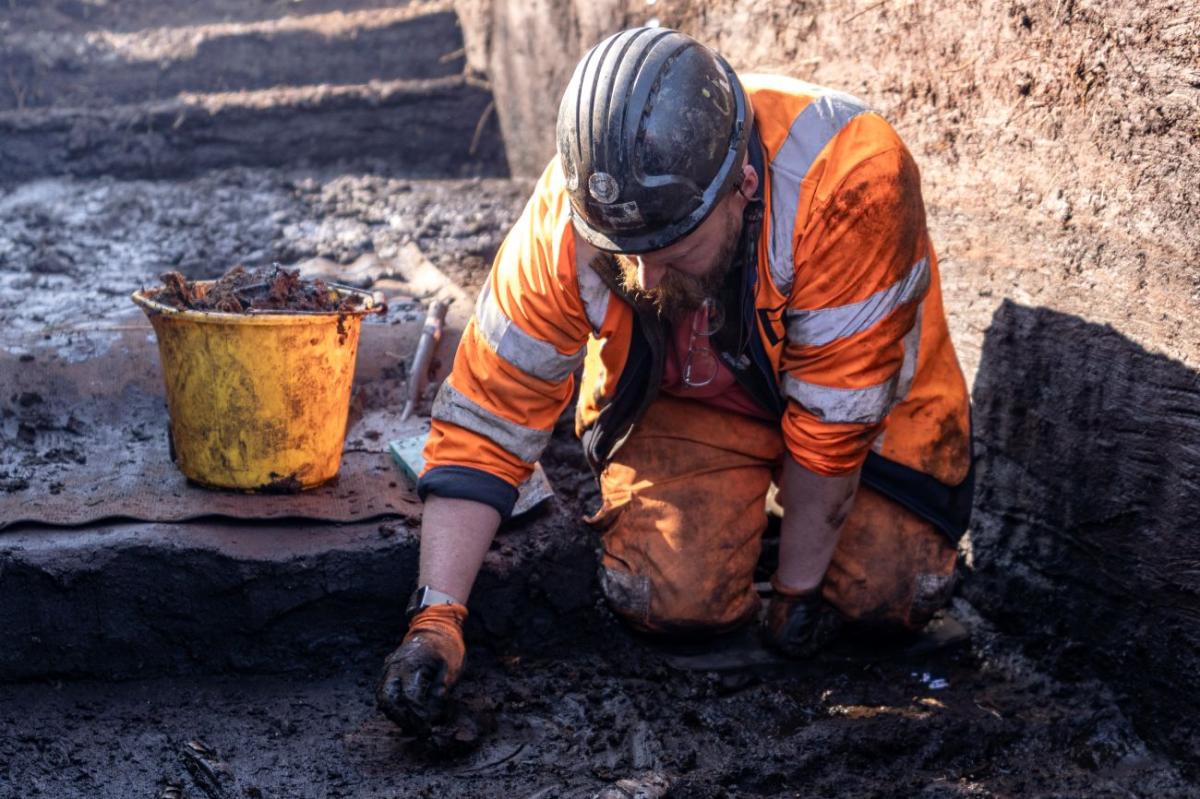
6,000-Year-Old Neolithic Trackway Discovered Beneath Somerset Peatland
A wooden pathway laid down nearly 6,000 years ago has surfaced from the peatlands of Somerset, revealing how some of Britain’s earliest farming communities moved through a landscape dominated by water and marsh. The discovery emerged during excavations at Honeygar, a site now undergoing long-term ecological restoration. Archaeologists had originally been asked to assess a…
-
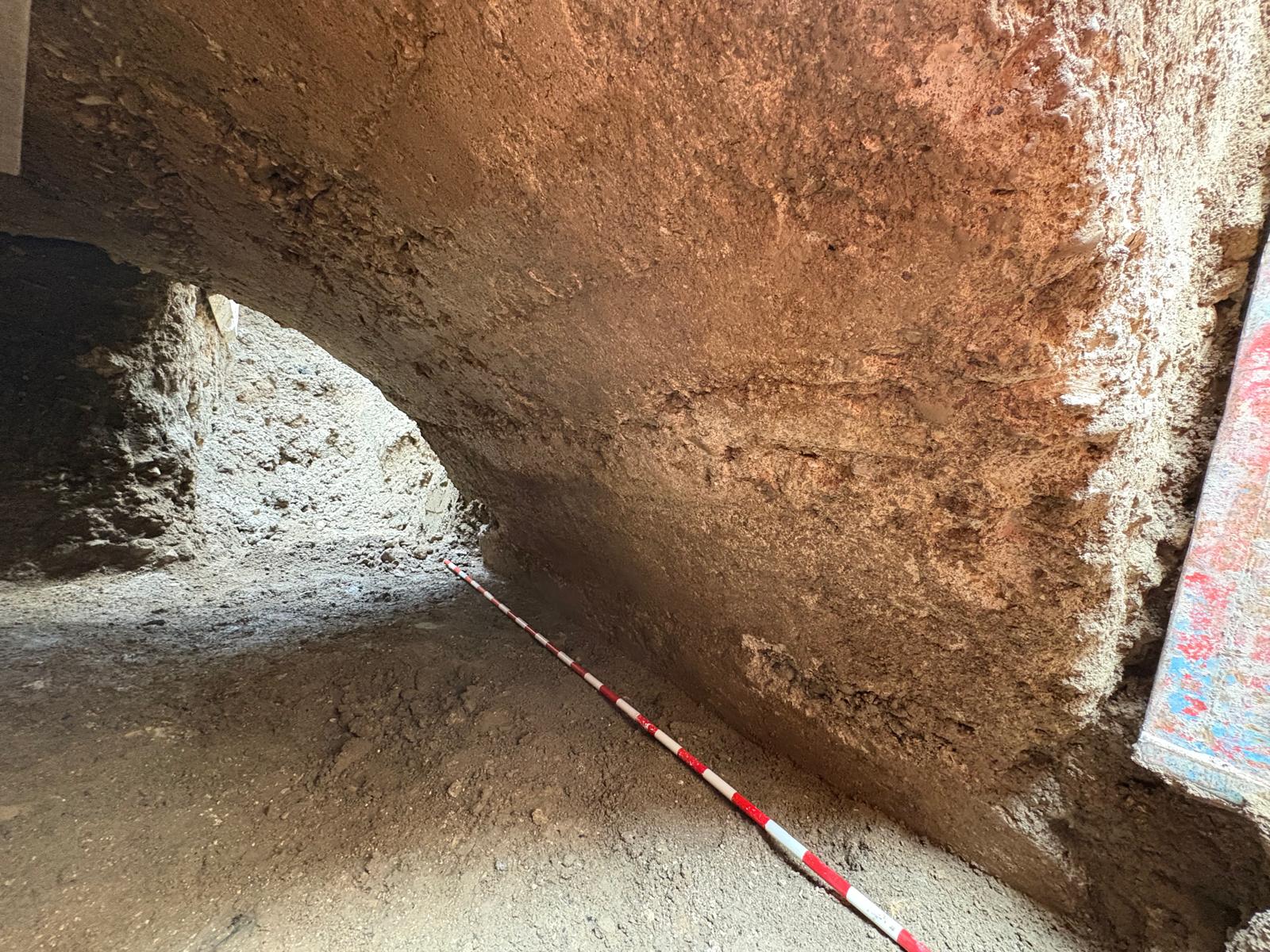
2,000-Year-Old Roman Bridge-Aqueduct Unearthed Beneath Zaragoza Streets
Beneath the busy streets of Zaragoza, a hidden piece of Roman engineering has quietly resurfaced. Archaeologists working several meters below ground level have uncovered what may be a 2,000-year-old bridge-aqueduct, offering rare physical evidence of how the ancient city of Caesaraugusta was built, organized, and supplied with water. The discovery emerged during urban renewal works…