The Viking Age is traditionally dated to AD 793, when Scandinavian raiders attacked Lindisfarne. But new archaeological interpretations suggest that the foundations of Viking-style sea power may reach back to the Roman Iron Age — between AD 180 and 540.
In reporting highlighted by Science Norway, archaeologist Frans-Arne Stylegar argues that organized naval infrastructure existed along Norway’s southern and western coasts several centuries before the Viking Age officially began.
Iron Age Boathouses on a Naval Scale
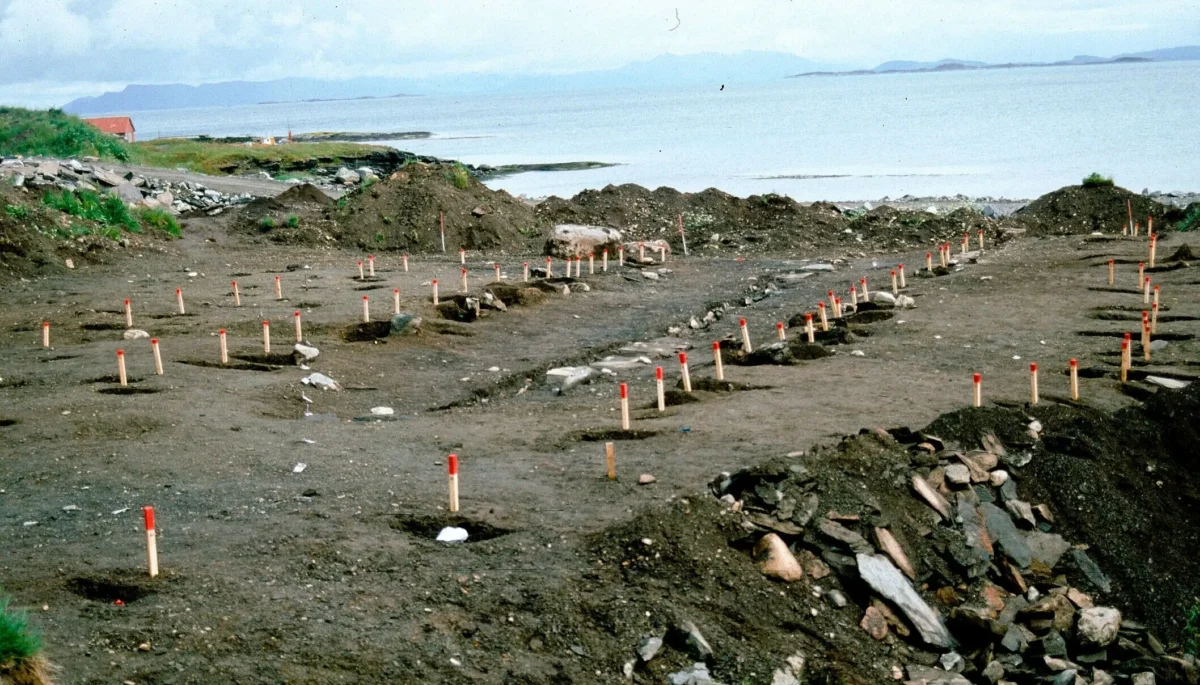
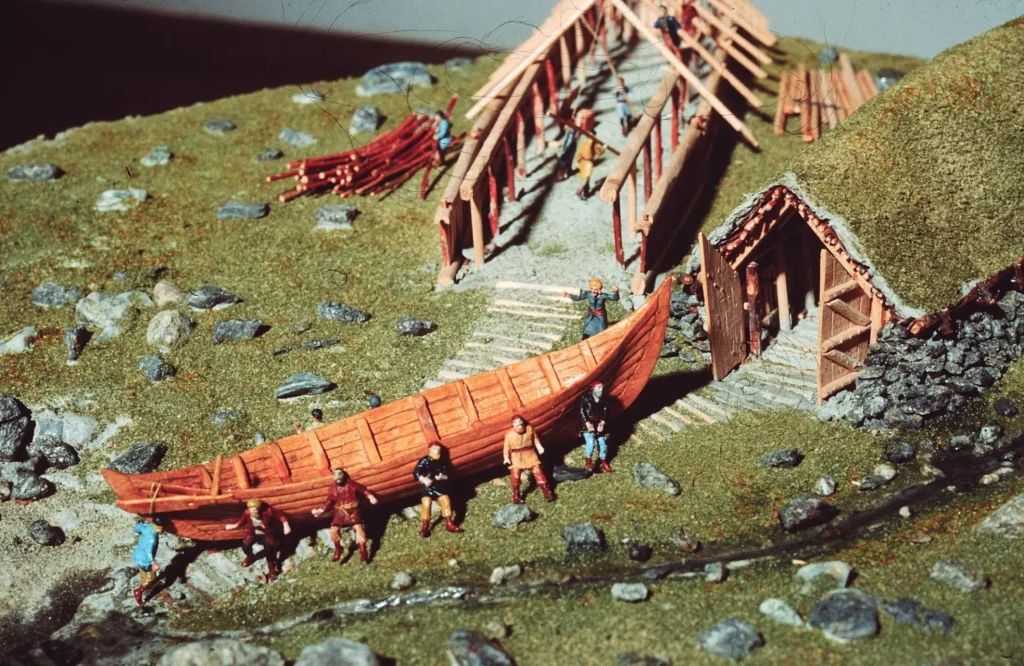
Archaeologists have documented clusters of large Iron Age boathouses along Norway’s North Sea and Skagerrak coastlines. Some exceed 20 meters in length and date to AD 180–540.
Their size implies long, crewed vessels rather than small fishing boats. More significantly, their grouped arrangement resembles coordinated naval stations. Traditionally interpreted as signs of local chieftain rivalry, these installations may instead reflect outward maritime activity across the North Sea.
The scale raises a practical question: why maintain so many large ships unless they were intended for operations beyond local waters?
Roman Contact and Military Transfer
Scandinavians are known to have served in Roman military units during the late 2nd and 3rd centuries. Archaeologist Dagfinn Skre has previously argued that Roman service reshaped social and political structures in Scandinavia after around AD 180.
Stylegar extends this to naval expertise. He suggests that some Norwegians may have served in Roman naval forces in Britain or Gaul, learning fleet organization and harbor logistics before returning home. If adapted to Scandinavian conditions, that knowledge could explain the emergence of structured coastal ship stations.
Roman sources from the 4th and 5th centuries describe piracy in the North Sea and English Channel, often attributed to “Saxons.” The term may have functioned as a broad label for Germanic maritime raiders, not strictly people from later Saxony. It remains plausible that some of these raiders originated from coastal Norway.
The Nydam Ship as Comparative Evidence
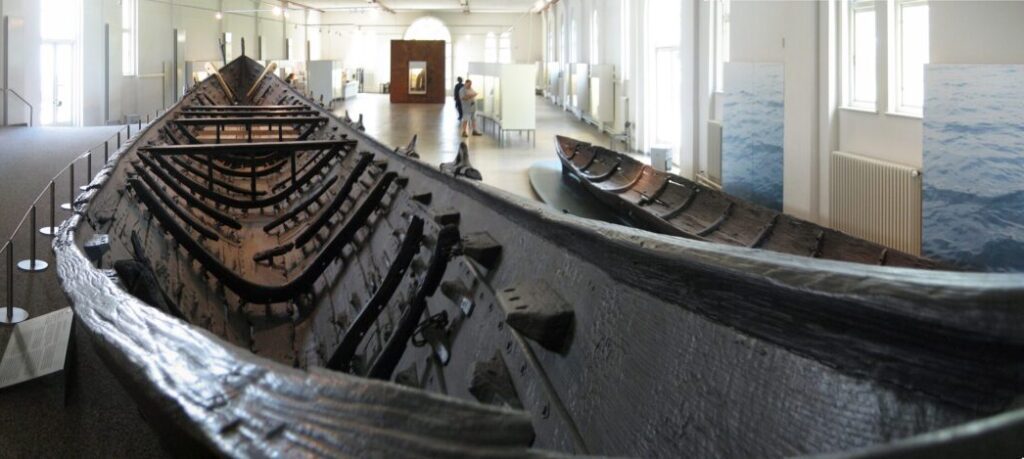
Direct ship finds from this period have not yet been discovered in Norway. However, the Nydam Ship from Denmark — built around AD 320 — demonstrates the scale of contemporary naval technology. At roughly 23 meters long and capable of carrying about 45 men, it represents organized maritime warfare in the Roman Iron Age.
Similar vessels could have occupied the large Norwegian boathouses. If so, the technological foundations of later Viking longships were already in place centuries before the 8th century.
Spangereid and Strategic Engineering
At Spangereid in southern Norway, archaeological surveys have identified what may be the remains of an artificial canal cutting across a narrow isthmus. A 2001 investigation concluded the feature was unlikely to be natural, and pollen analysis suggests excavation activity more than a thousand years old.
If confirmed, such a canal would have allowed ships to bypass hazardous coastal waters — evidence of deliberate naval planning rather than ad hoc coastal use.
The evidence does not redefine the Viking Age culturally. But it does suggest that the maritime infrastructure behind Viking expansion was already developing in the Roman Iron Age.
Rather than appearing suddenly in the late 8th century, Viking sea power may have evolved from a much earlier North Sea naval tradition.
Cover Image Credit: The pegs mark the post holes of two large boathouses on Rennesøy, north of Stavanger. Jan G. Auestad / Museum of Archaeology in Stavanger