-
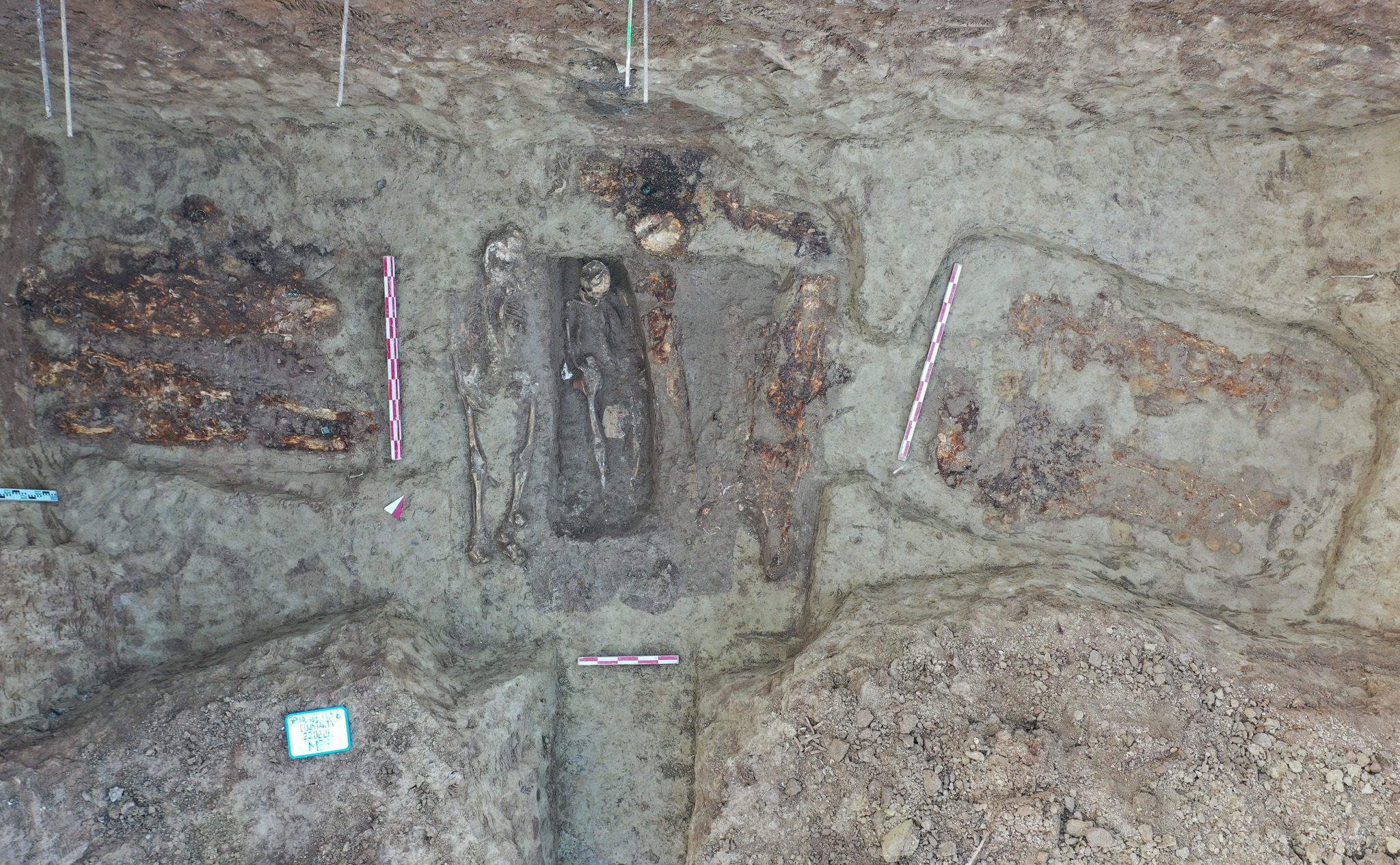
Dozens of Roman Graves and Rare Shield Unearthed in Ancient Black Sea City of Tomis
Construction works at the Constanța Municipal Hospital have led to a significant archaeological discovery inside the ancient necropolis of Tomis, revealing 34 Roman-era graves — some arranged in catacomb-style burials — along with rare and high-status funerary objects. The finds were made during legally mandated preventive excavations carried out by the Constanța Museum of National…
-
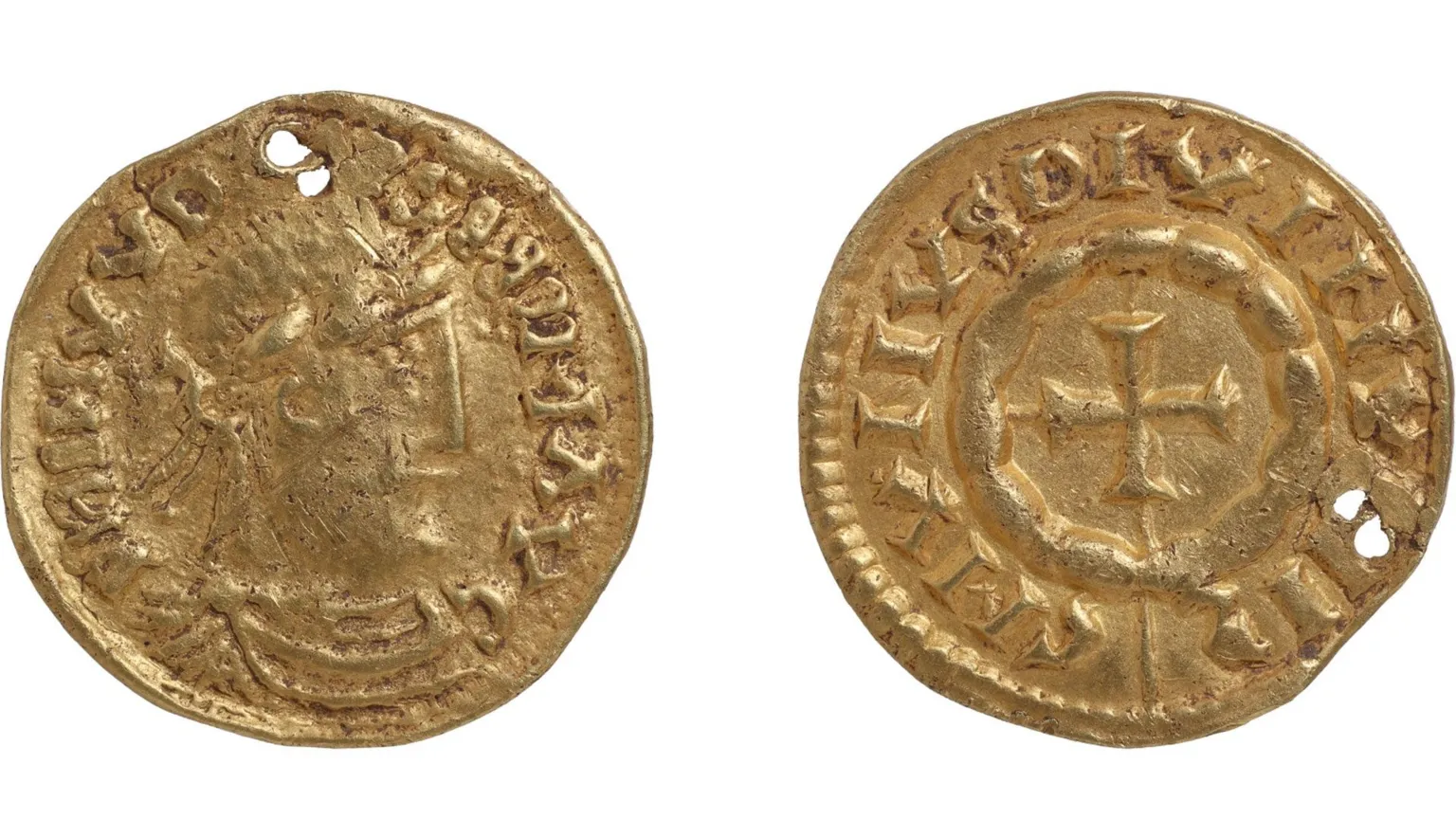
Viking Gold Pendant Found in Norfolk Linked to the Great Heathen Army
A thin disc of gold, buried for more than a thousand years in a Norfolk field, is now being linked to the advance of the Great Heathen Army — the Scandinavian force that reshaped early medieval England after landing in AD 865. Discovered near Dereham in 2024, the object is an imitation of a gold…
-

Roman Gold Mines Confirmed in the Pyrenees: Scientific Dating Reveals Imperial Extraction in Hispania
For generations, gold shimmered quietly in the sands of the Segre River. Ancient texts hinted at its value. Archaeologists suspected Roman hands had worked these deposits. But until now, there was no firm scientific proof. A new interdisciplinary study has confirmed that Roman alluvial gold mining operated in the Eastern Pyrenees between the 1st and…
-
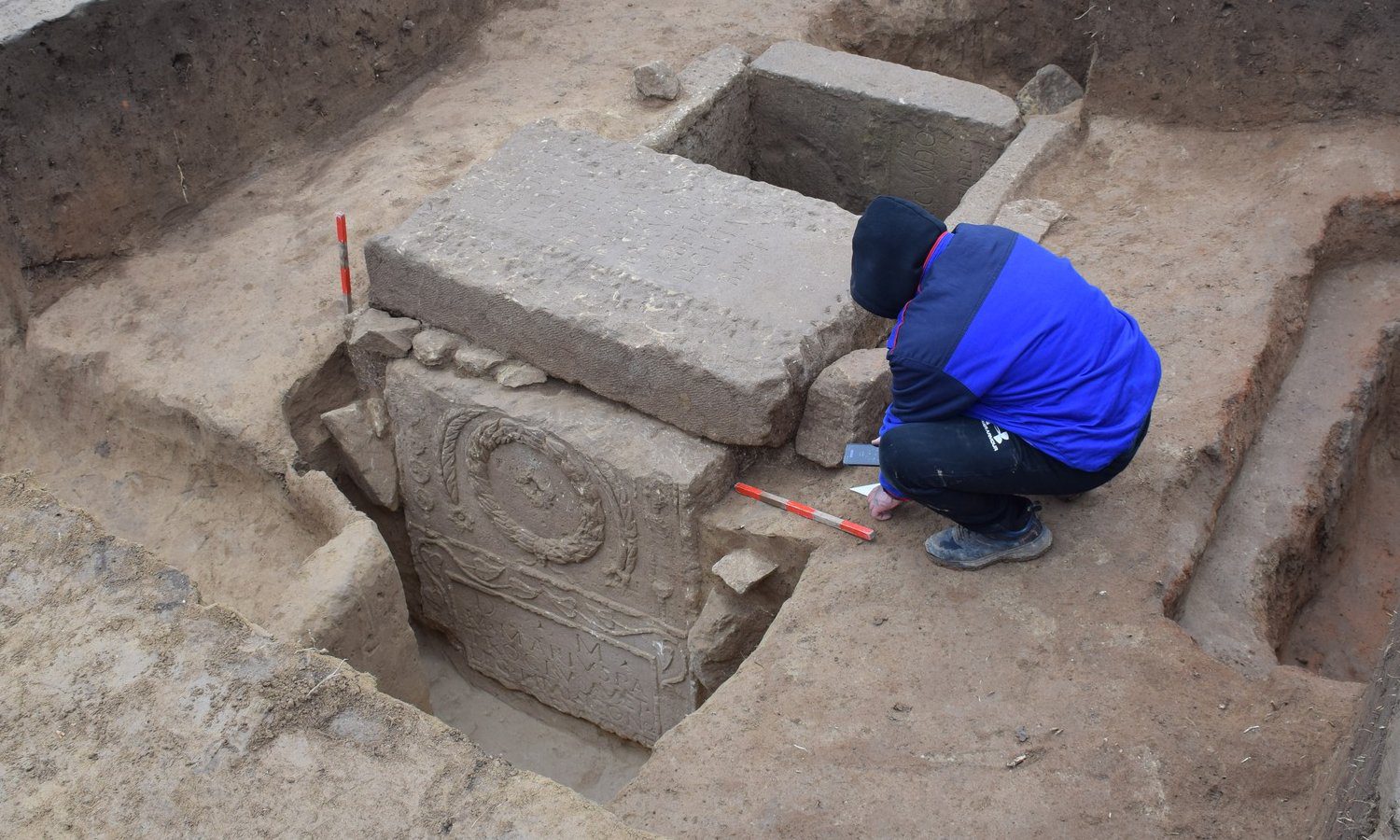
Centurion of the First Italic Legion Revealed in Newly Discovered Nove Necropolis Grave
On the edge of the Danube, where Rome once stationed thousands of soldiers — including those of the First Italic Legion — to guard its northern frontier, a broken slab of stone has quietly returned a forgotten name to history. Rescue excavations in the western necropolis of Nove, near modern Svishtov in Bulgaria, have identified…
-
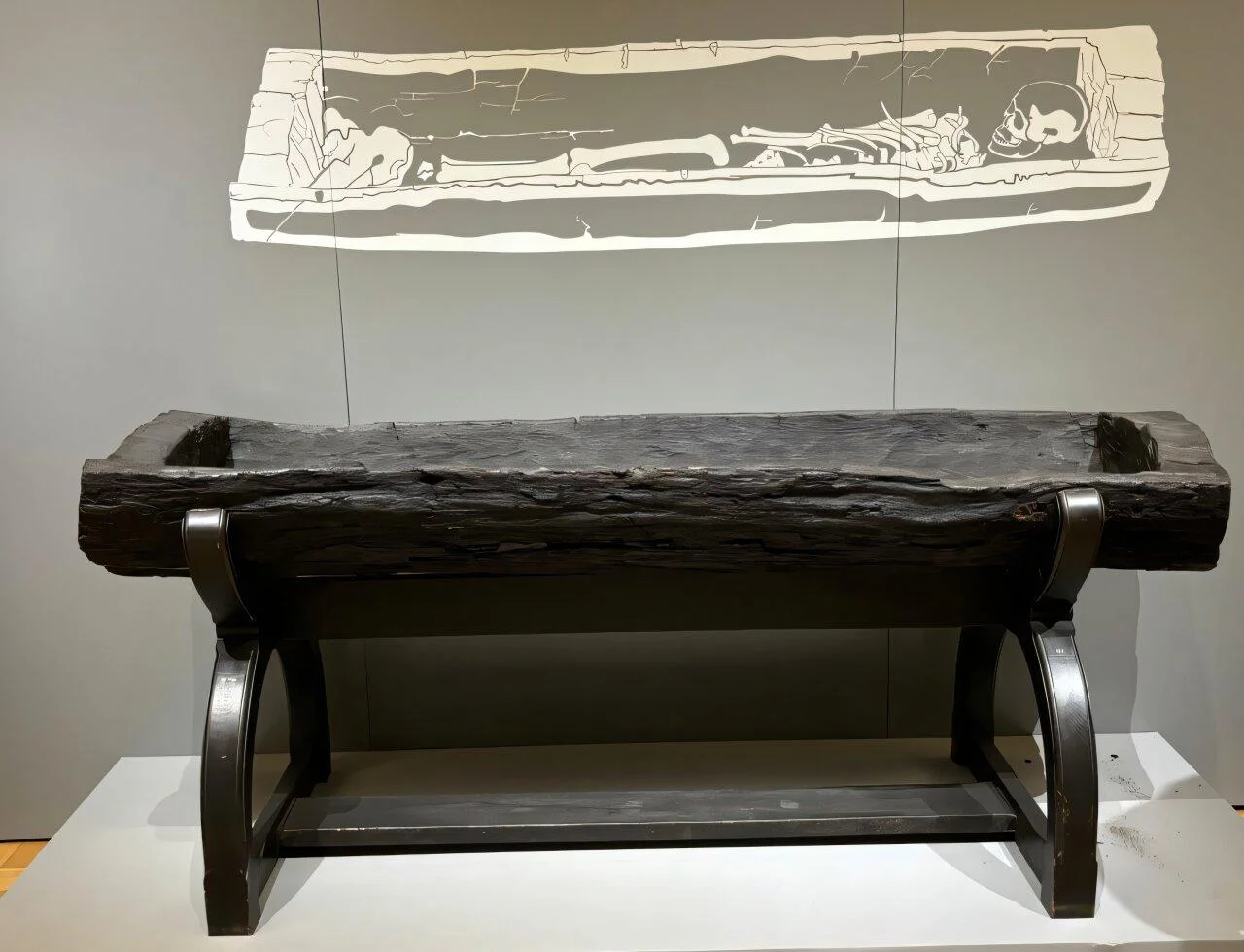
The True Date of the 2,000-Year-Old Wooden Coffin of the “Princess of Bagicz” in Poland Revealed
A windswept stretch of Poland’s Baltic coast has quietly reshaped one of the most persistent chronological puzzles in European archaeology. The so-called “Princess of Bagicz” — the only well-preserved wooden log coffin from the Roman Iron Age ever found in Poland — has finally been dated with precision, resolving a discrepancy that troubled researchers for…
-

Serbia’s 2,800-Year-Old Mass Grave Reveals Systematic Killing of Women and Children in the Early Iron Age
An interdisciplinary study published in Nature Human Behaviour has brought renewed attention to one of Europe’s largest prehistoric mass graves. At the site of Gomolava in northern Serbia, archaeologists uncovered the remains of more than 77 individuals buried around 2,800 years ago. Almost all were women and children. The demographic pattern is striking. In most…
-
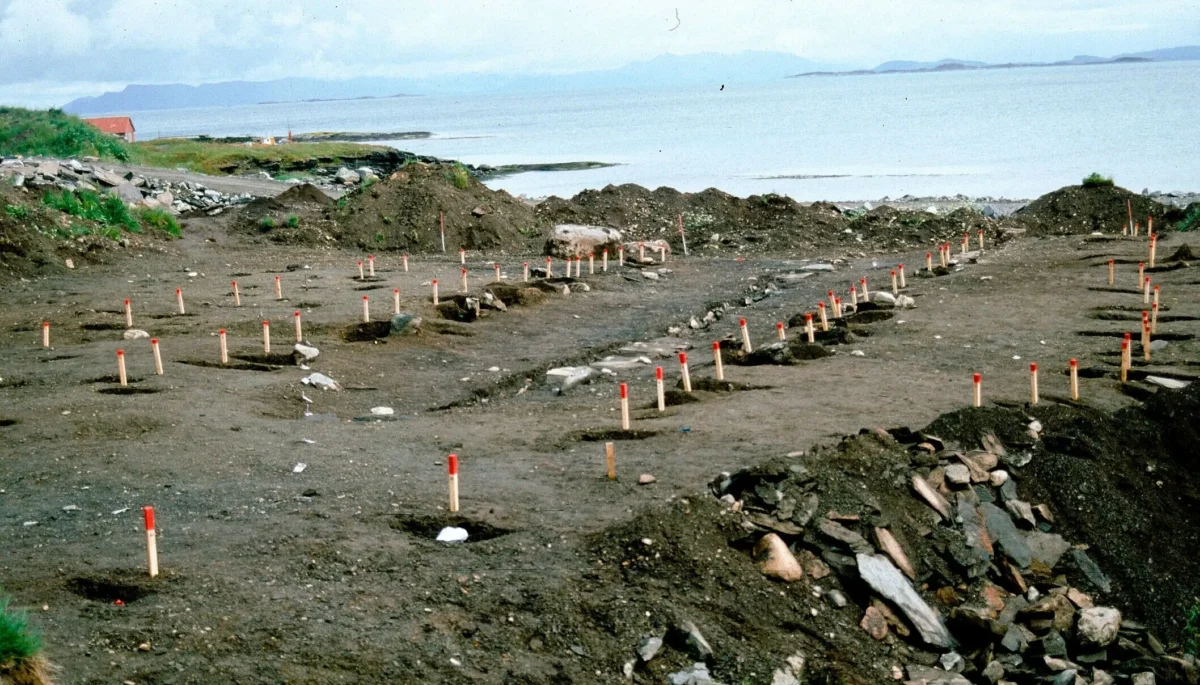
Viking Sea Power May Have Emerged in the Roman Era — Not the 8th Century
The Viking Age is traditionally dated to AD 793, when Scandinavian raiders attacked Lindisfarne. But new archaeological interpretations suggest that the foundations of Viking-style sea power may reach back to the Roman Iron Age — between AD 180 and 540. In reporting highlighted by Science Norway, archaeologist Frans-Arne Stylegar argues that organized naval infrastructure existed…
-
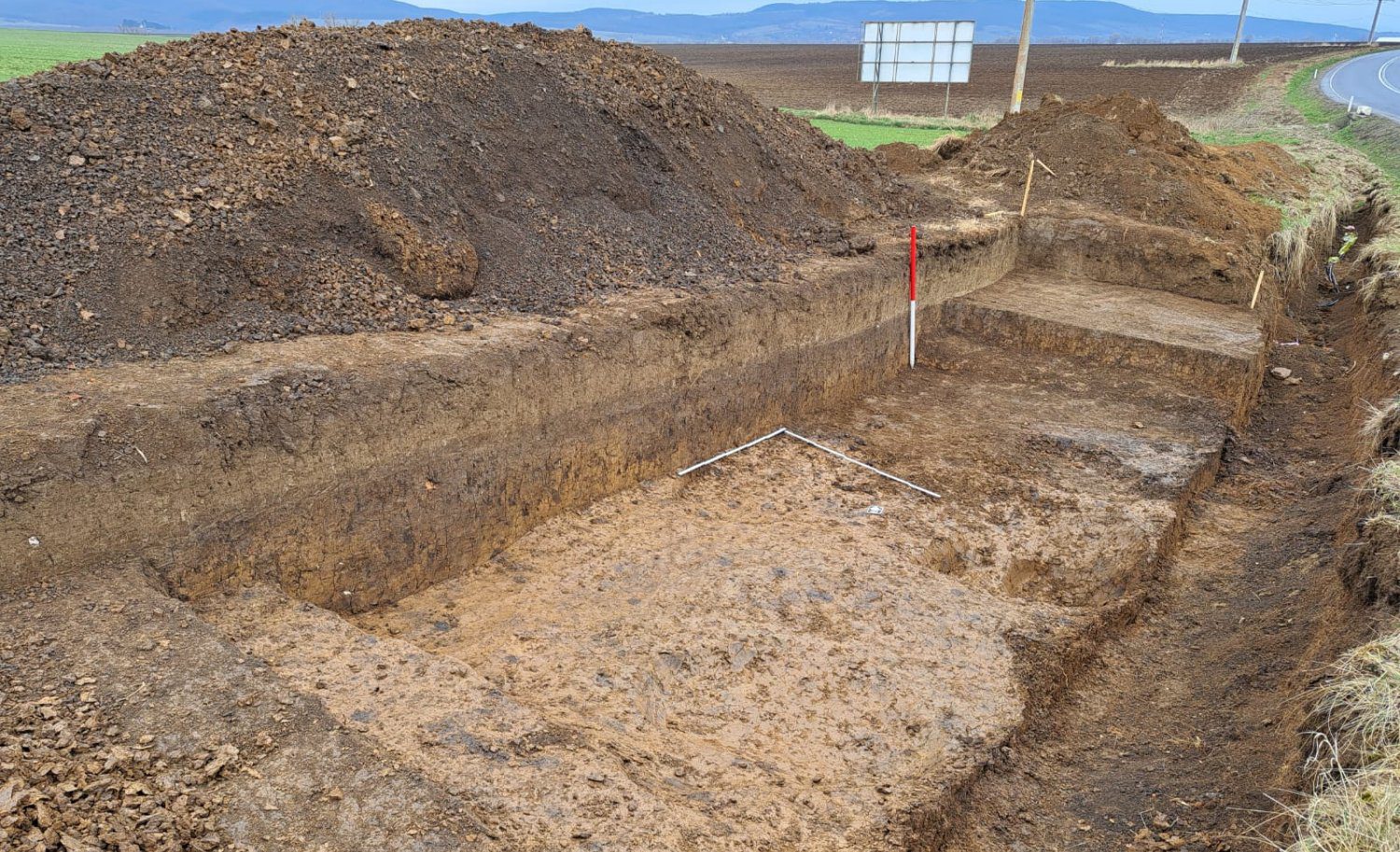
7,500-Year-Old Neolithic Figurine with Raised Arms Discovered in Romania
A small clay figurine no taller than six centimeters is now reshaping discussions about early European spirituality. Archaeologists in central Romania have announced the discovery of a 7,500-year-old Neolithic idol at the site of Arcuș – Platoul Târgului, near Sfântu Gheorghe — a find that offers rare insight into the symbolic world of some of…
-
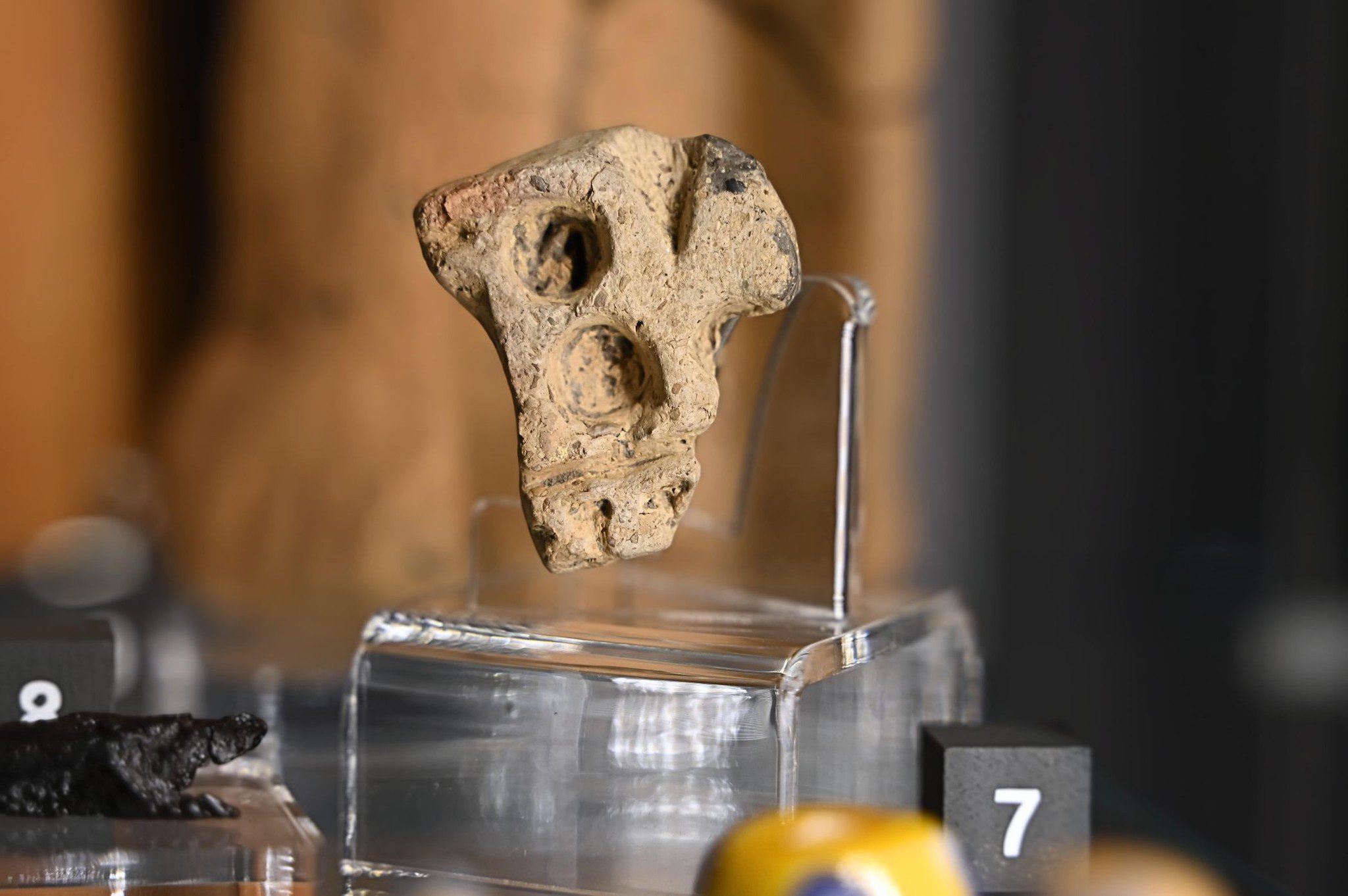
2,500-Year-Old Clay Stamp Found in Poland May Be the Country’s First Pintadera
A small clay object unearthed in southeastern Poland may rewrite part of the country’s Early Iron Age story. Archaeologists believe a 2,500-year-old artifact discovered near Jarosław could represent the first pintadera ever identified on Polish soil — a clay stamp likely used to decorate textiles or apply pigment to the human body. The object was…