-
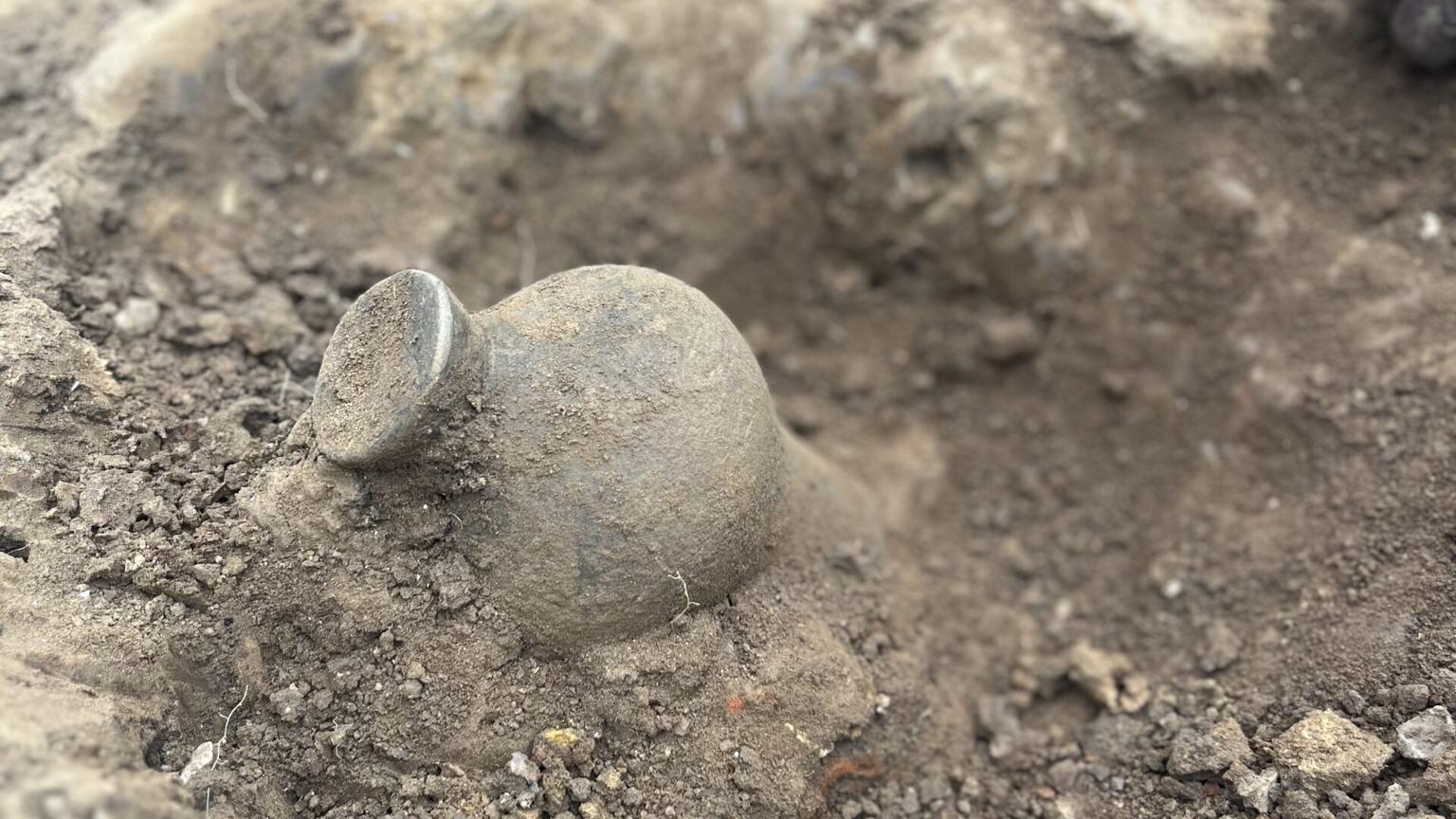
1,600-Year-Old Roman Cup Found Upside Down in East Yorkshire May Mark Lost Shrine
When archaeologists working in East Yorkshire lifted a small grey ceramic cup from the soil, it emerged almost completely intact — despite having been buried for roughly 1,600 years. The vessel dates to the 4th century AD, the closing chapter of Roman Britain. On its own, it is an ordinary example of Romano-British greyware: locally…
-
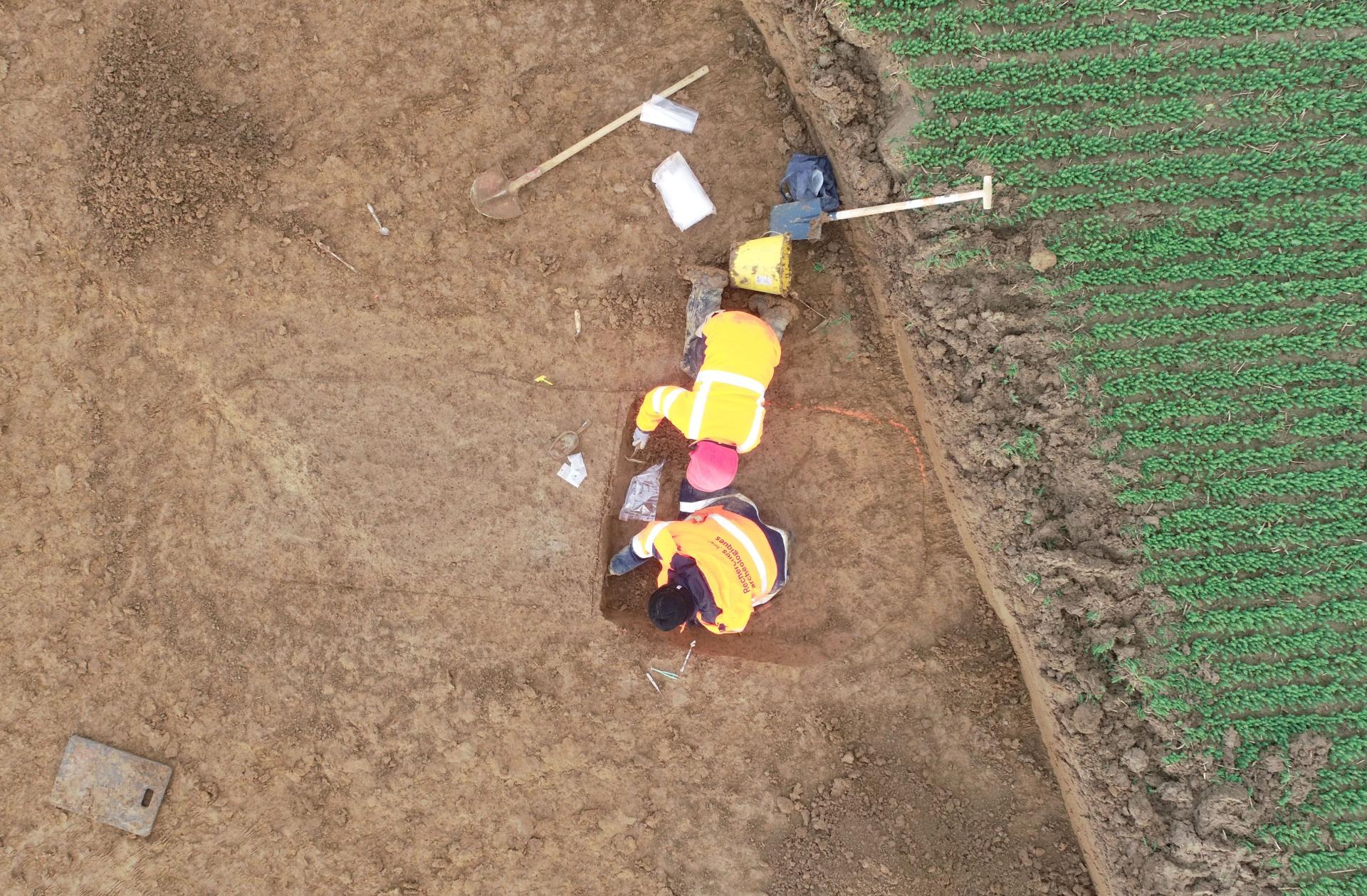
Bronze Age “Princely Tomb” Discovered in Normandy Reveals Elite Warrior Network
Archaeologists have uncovered a richly furnished “princely tomb” dating to around 1900–1800 BCE in Ecouché-les-Vallées, Normandy — a region where such elite burials are exceptionally rare. A Warrior Equipped for the Afterlife Inside the grave pit, researchers identified a remarkable assemblage of prestige objects: 31 finely crafted flint arrowheads, two bronze daggers, and a fragment…
-
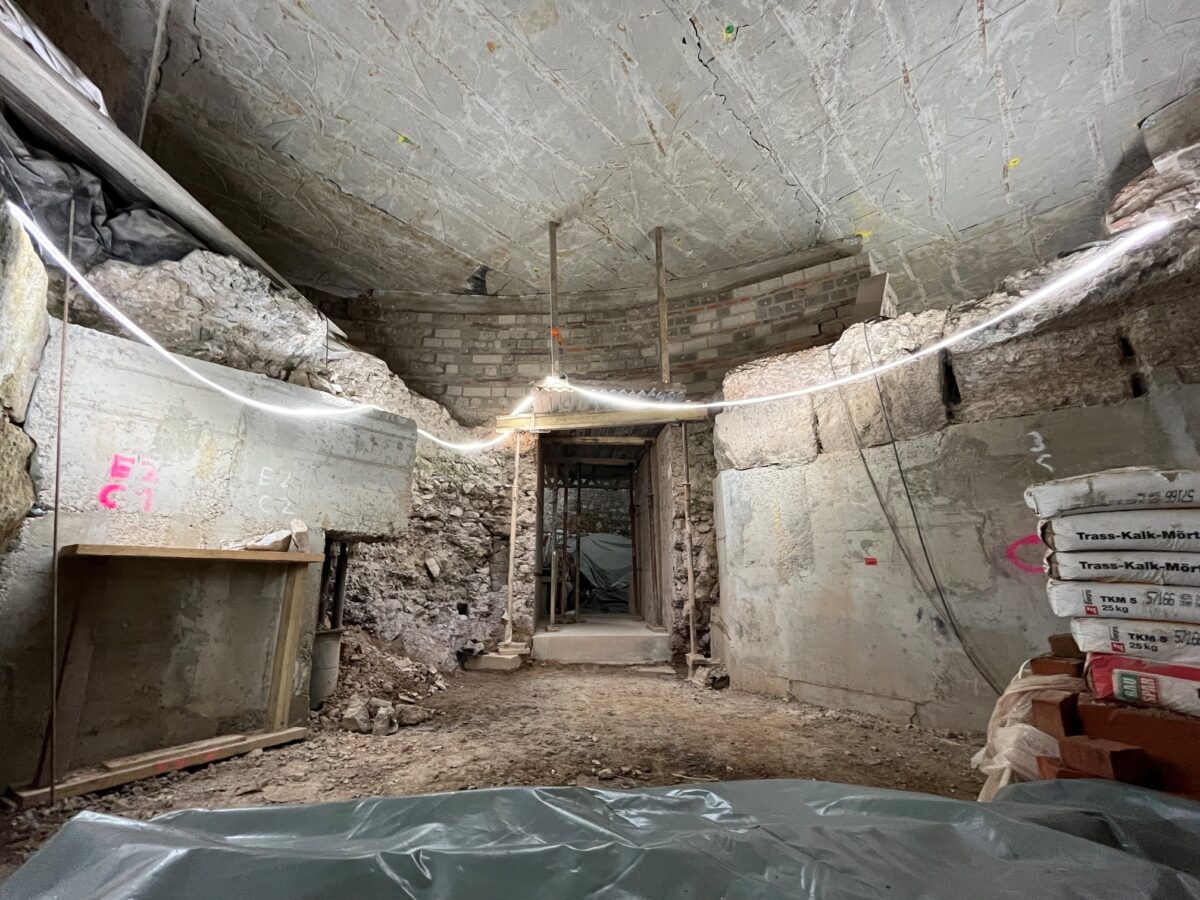
A Roman House Altar Unlike Any Other North of the Alps Unearthed in Cologne
For centuries, Cologne has lived above its Roman past. Now, beneath the Rathausplatz, that past has resurfaced in extraordinary form. Archaeologists working on the underground visitor route of the MiQua – LVR-Jewish Museum in the Archaeological Quarter Cologne have uncovered a remarkably well-preserved 2nd-century CE Roman house altar — a lararium described as unique north…
-
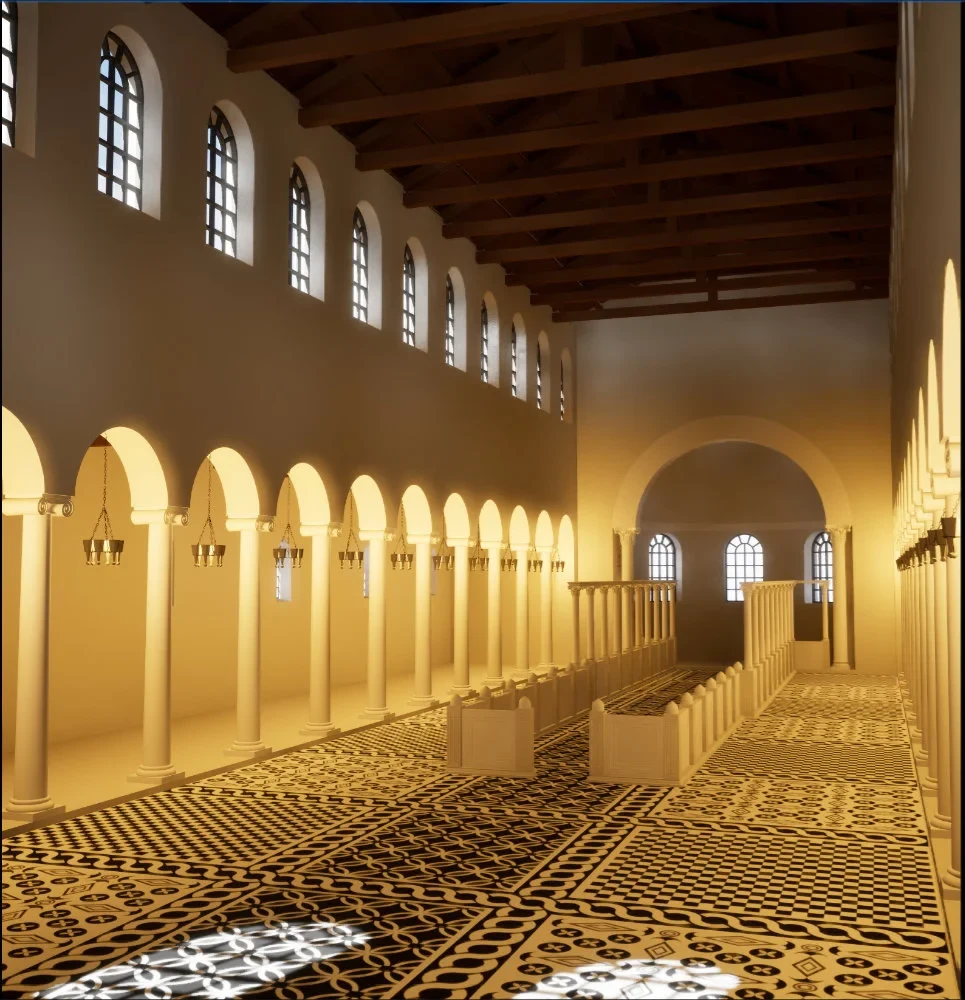
Beneath Roman Farmland, a 1,700-Year-Old Episcopal Power Complex Emerges at Ostia Antica
Just centimeters below plowed earth on the outskirts of Rome, archaeologists have uncovered a discovery that quietly redraws the map of early Christian power: a monumental church complex and an opulent bishop’s palace dating to the fourth century. The excavation, led by the University of Bonn in cooperation with German and Italian institutions, is revealing…
-

1,500-Year-Old Anglo-Saxon Sword Near Canterbury Reveals Elite Power and European Ties
Archaeologists from the University of Central Lancashire have uncovered an exceptionally preserved sixth-century Anglo-Saxon sword in a cemetery in Kent. The weapon, buried around 1,500 years ago, is not just another grave good. It is a statement. Of authority. Of lineage. Of connection to a much larger European network. The discovery, led by Professor Duncan…
-
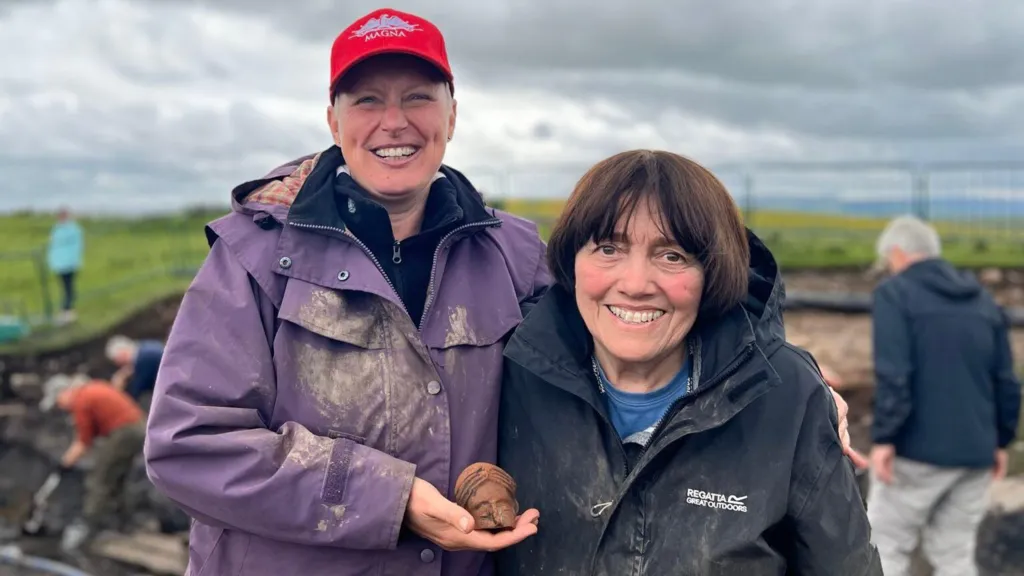
Volunteers Unearth Rare Roman Terracotta Head at Magna Fort
A routine excavation along the northern defences of Magna Roman Fort has produced an unexpected and unusually intimate discovery — a small terracotta head, recovered not by a senior specialist, but by two volunteers working side by side in the trench. Rinske de Kok and Hilda Gribbin were carefully clearing soil when the fired clay…
-

9th-Century Skull with Surgical Opening Suggests Early Brain Operation in Viking-Age Britain
A shallow pit beneath an ancient hill in Cambridgeshire has yielded a discovery that feels unexpectedly modern: a young man from the ninth century whose skull bears the unmistakable sign of surgical intervention. The remains were uncovered during a training excavation by students from the University of Cambridge at Wandlebury Iron Age hill fort. Among…
-
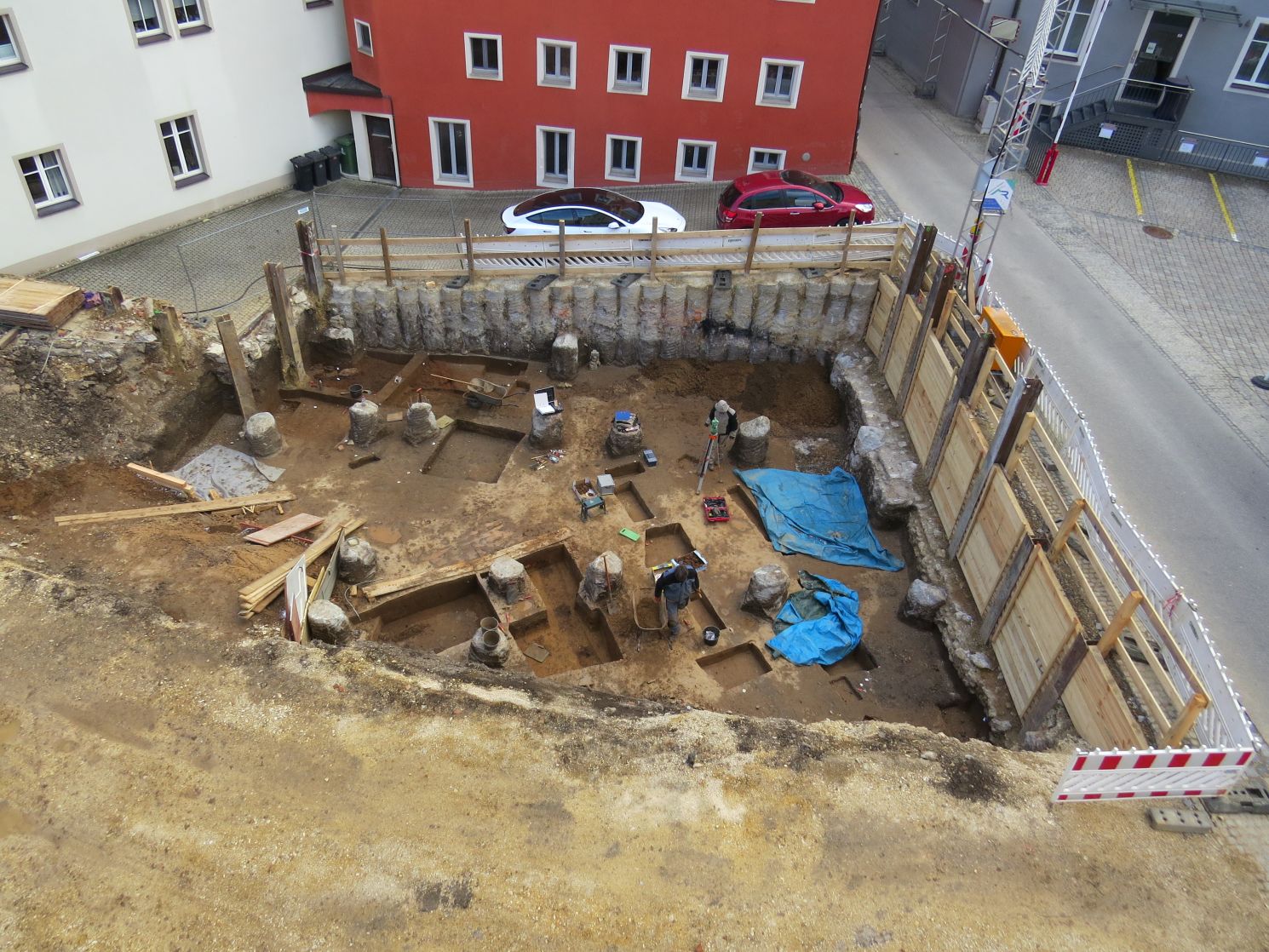
A Hidden Mithras Temple Found Beneath Regensburg Reveals Bavaria’s Oldest Roman Cult Site
In the very center of Regensburg, where medieval streets and baroque façades dominate the eye, something far older has surfaced. Quietly. Almost accidentally. What began as a routine archaeological assessment in the Old Town has led to one of the most consequential Roman discoveries in Bavaria in years: the remains of a Mithraeum—a sanctuary dedicated…
-

DNA Study Reveals Greece’s Deep Mani Preserved Ancient Hellenic Ancestry and Pagan Traditions for Centuries
For most of medieval Europe, the worship of ancient gods faded as Christianity reshaped cultural and religious life. Yet at the southern edge of Greece, a rugged peninsula known as Deep Mani appears to have followed a different path. A new DNA study now suggests that communities in this isolated region preserved ancient Hellenic ancestry…