-
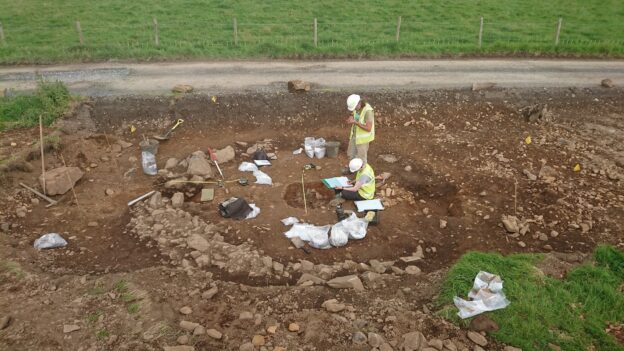
A Bronze Age Tragedy Buried Together: Evidence of a Sudden Mass Death Emerges in Southern Scotland
Beneath the windswept uplands of southern Scotland, archaeologists have uncovered chilling evidence of a single, sudden catastrophe that struck a Bronze Age community more than 3,300 years ago. Newly published research points to what experts describe as a “mysterious mass burial event”, raising the possibility of famine or another extreme crisis that wiped out multiple…
-
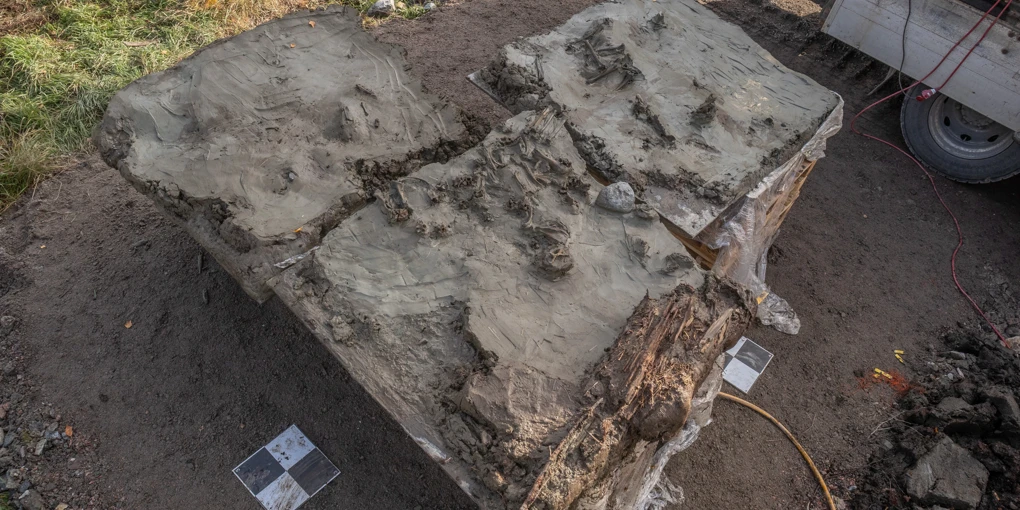
A Dog Buried with a Dagger Beneath a Lake: A 5,000-Year-Old Ritual Found in Sweden
Five thousand years ago, in what is now southern Sweden, people deliberately lowered a large dog into a shallow lake and buried it with a finely crafted bone dagger. The discovery, made during railway construction near Stockholm, is one of the most extraordinary Stone Age animal burials ever found in northern Europe. Archaeologists say it…
-
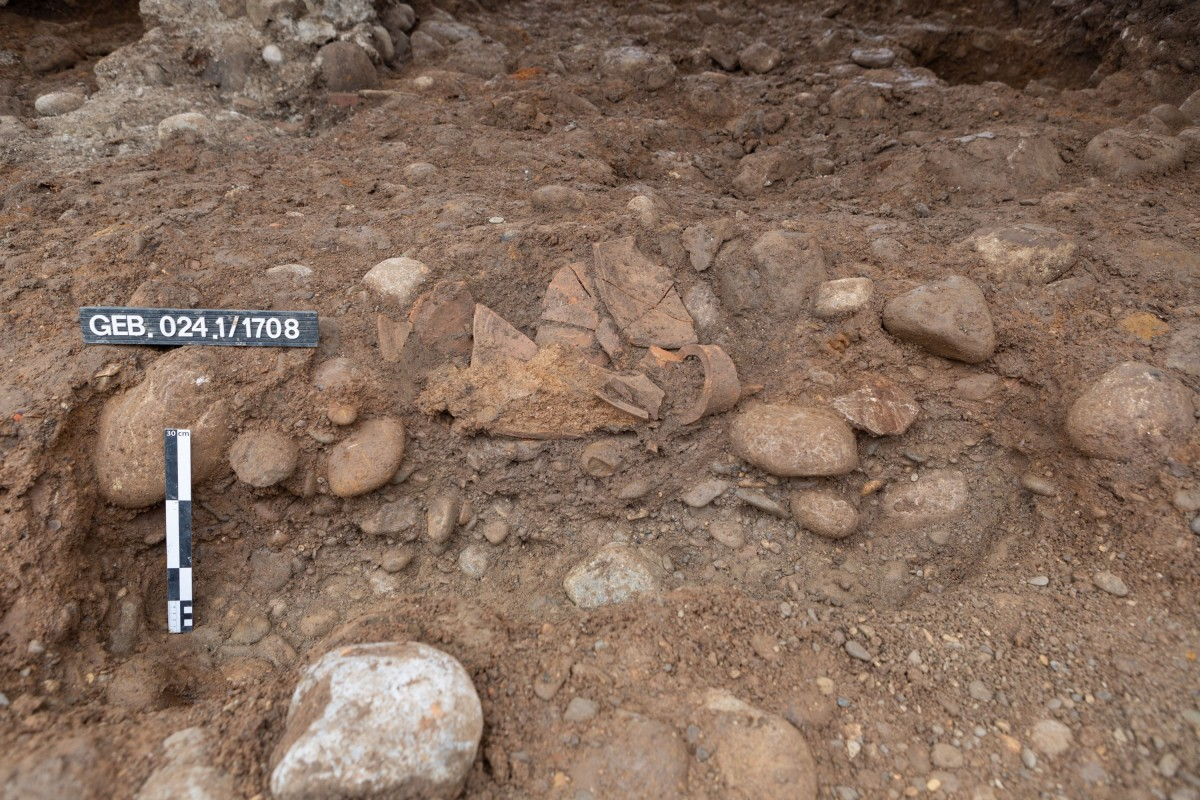
A Roman Amphora Reveals Sardine Consumption in Roman-Era Switzerland
Archaeologists working at Gebenstorf, near the Limmat River in northern Switzerland, have uncovered the first archaeological evidence that sardines were consumed in Roman-era Switzerland, following the analysis of fish remains preserved inside a Roman amphora. The amphora was discovered during a rescue excavation carried out ahead of a residential construction project. The site lies almost…
-
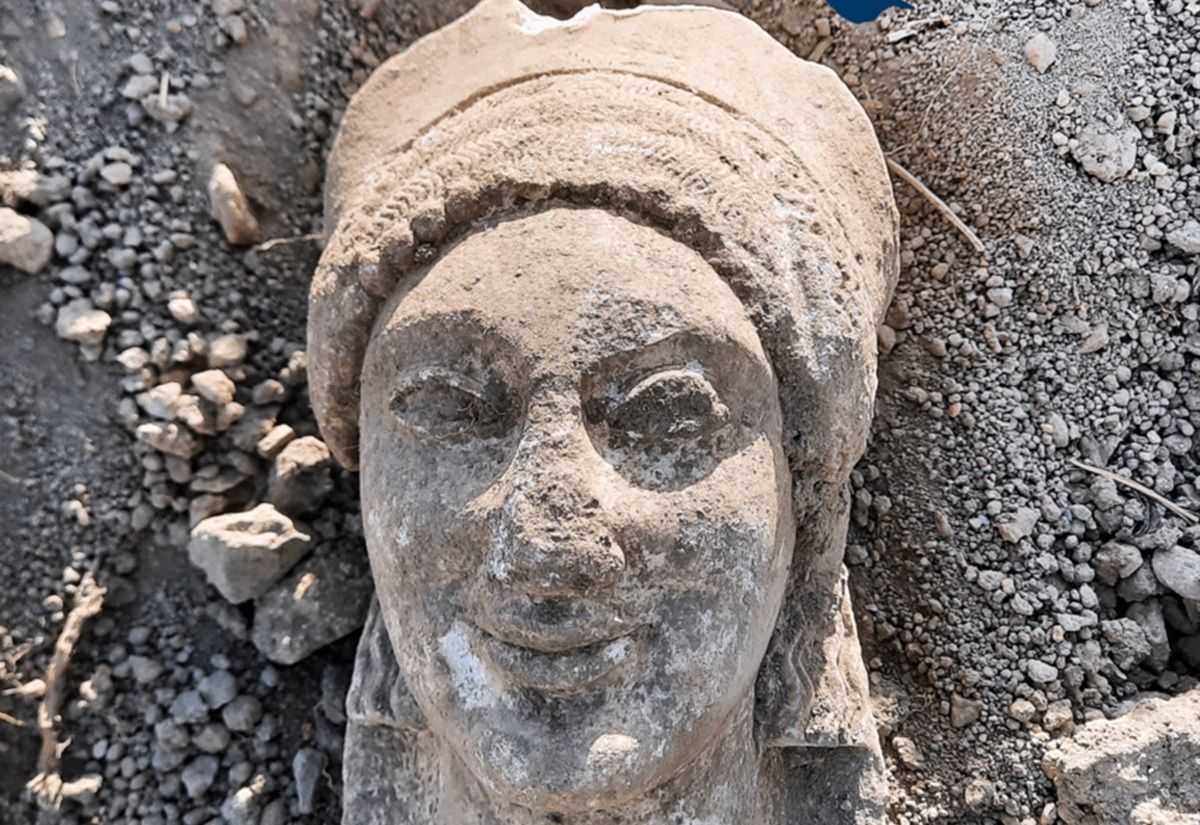
A 2,500-Year-Old Greek Kore Head Emerges in Vulci, Rewriting the Story of Mediterranean Cultural Exchange
Early morning light filtered across the dusty trench as archaeologists brushed away the final layer of soil. What emerged was a face—calm, youthful, and carved with astonishing delicacy. In that quiet moment, the team at Vulci realized they were looking at something almost unheard of: a large-scale Greek Kore head lying intact in the heart…
-
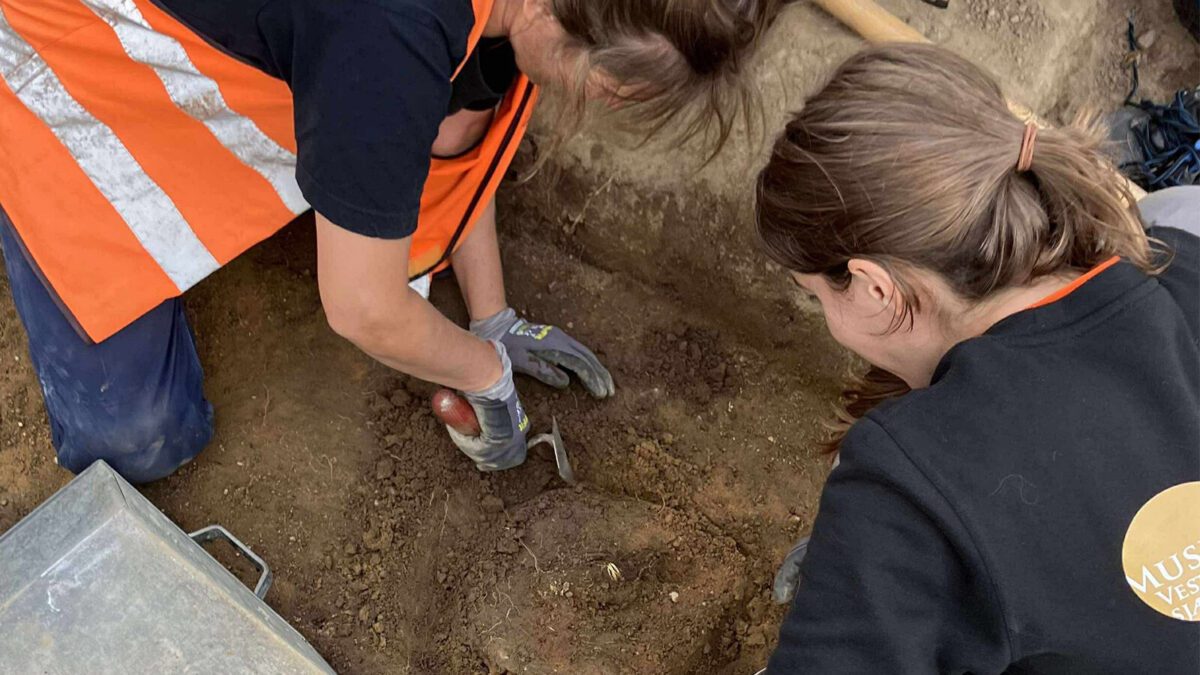
Denmark’s Earliest Iron Weapons Unearthed: Gold-Inlaid Spears Offered to a Sacred Spring 2,800 Years Ago
When a small archaeological team reopened the windswept fields of Boeslunde in southwest Zealand last summer, they expected yet another chapter in a region already famed for glittering Bronze Age offerings. Instead, they uncovered an object that should not have existed there at all—an iron spearhead embellished with shimmering gold. Within hours, a second appeared.…
-

At Archanes, a Hidden Double Wall Reveals the Minoans’ Most Sophisticated Disaster-Protection System Yet
When work resumed this year at the Palace of Archanes, a Minoan center long overshadowed by the grandeur of Knossos and the archaeological fame of Phaistos, researchers expected incremental progress—new pottery, perhaps a better understanding of the site’s phased construction. Instead, one of the most understated features of the palace, a peculiar slanted wall half-buried…
-
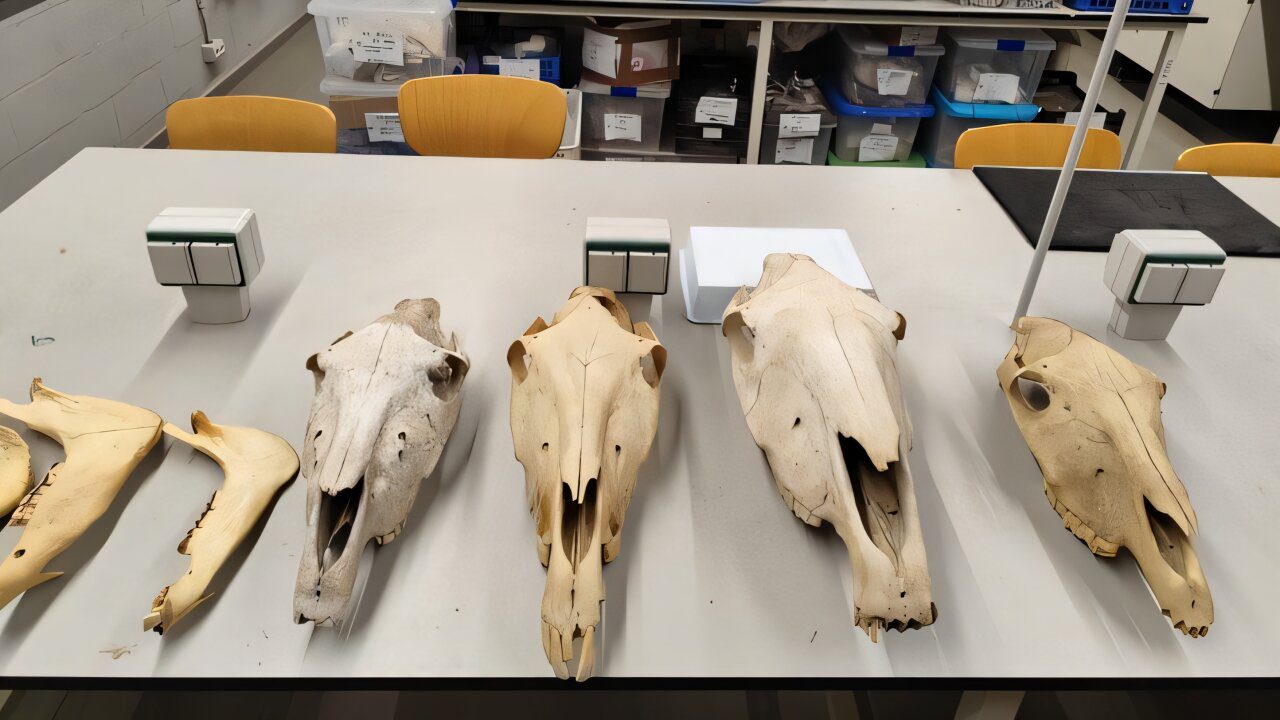
Europe’s Oldest Mule Found in Catalonia Rewrites the Timeline of Phoenician Influence
Early Iron Age hybrid uncovered in the Penedès region suggests equid crossbreeding knowledge reached Europe centuries earlier than believed When archaeologists opened a small Iron Age pit at Hort d’en Grimau nearly four decades ago, the discovery seemed intriguing but not extraordinary: a partially burned human skeleton, mixed with the bones of an equid. Only…
-
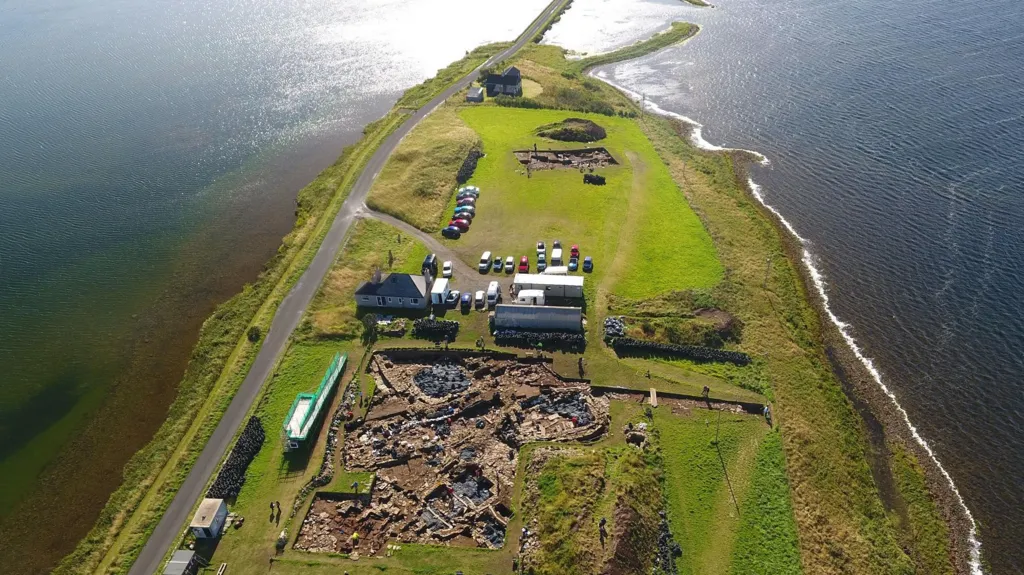
A Puzzling Feature Emerges at the Ness of Brodgar—And Archaeologists Aren’t Ready to Explain It
A site once thought thoroughly excavated may be preparing to deliver one of its most intriguing surprises. On Orkney’s Ness of Brodgar, new 3D Ground Penetrating Radar scans have revealed a puzzling subsurface feature that does not resemble anything previously documented on the site. The discovery has compelled archaeologists to return to a location where…
-

A Roman Funeral Pyre Overflowing with Gold: Elite Bustum Burial Discovered in France’s Dordogne Valley
A routine rescue excavation near the Dordogne River has revealed one of the most lavish Roman pyre burials ever documented in southwestern France. When archaeologists from France’s National Institute for Preventive Archaeological Research (INRAP) opened a trench at the locality known as La Bourgatie Ouest in Lamonzie-Saint-Martin (Dordogne, Nouvelle-Aquitaine), they originally expected to uncover traces…