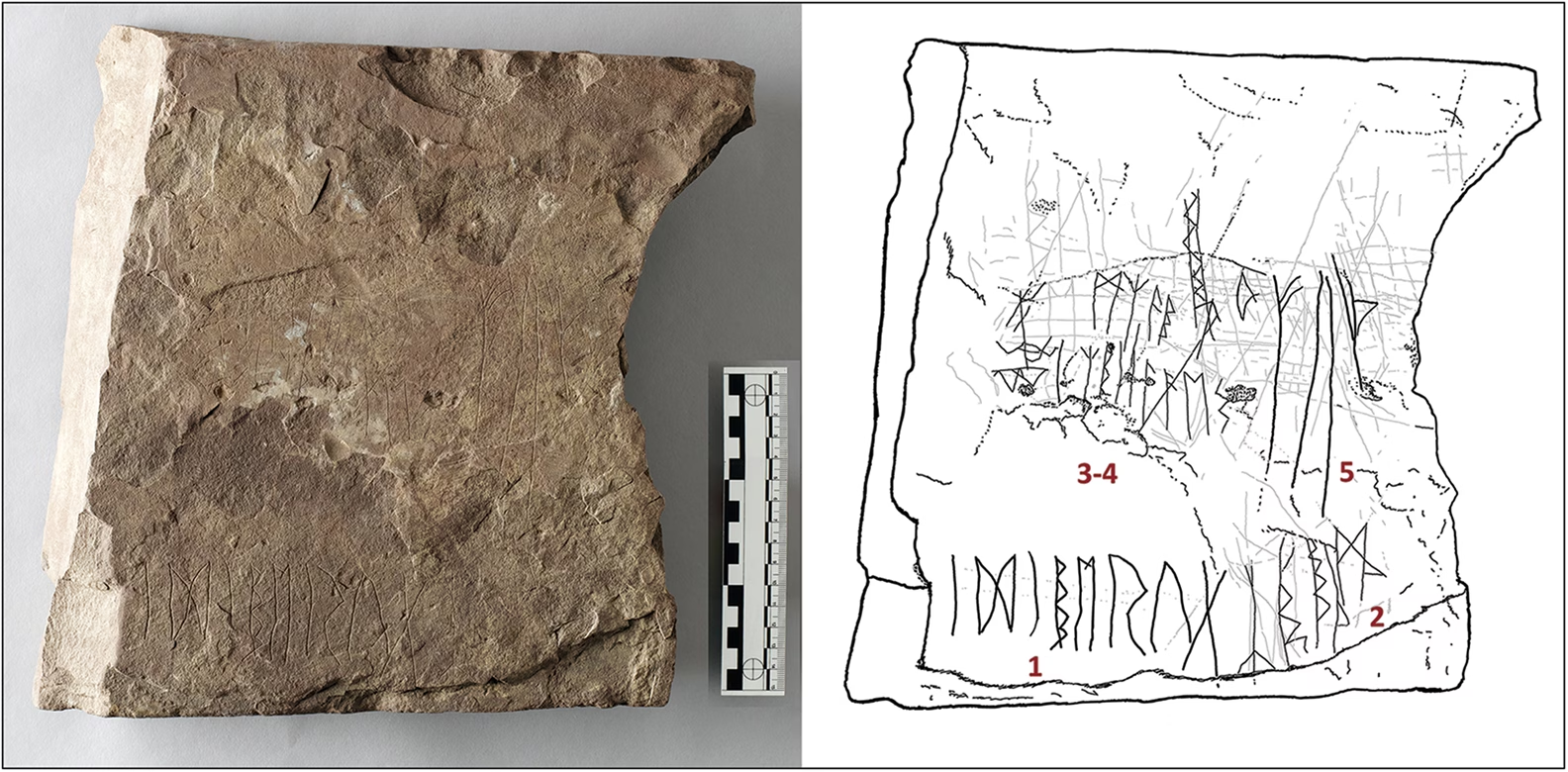
Archaeologists from the University of Oslo’s Museum of Cultural History have uncovered inscribed sandstone fragments in the Svingerud burial ground in Hole, Norway, dated to 50 BCE–AD 275 through radiocarbon analysis. The find may represent the earliest securely dated runestone ever discovered, pushing back the origins of Scandinavian writing traditions.
A dig that rewrote the timeline
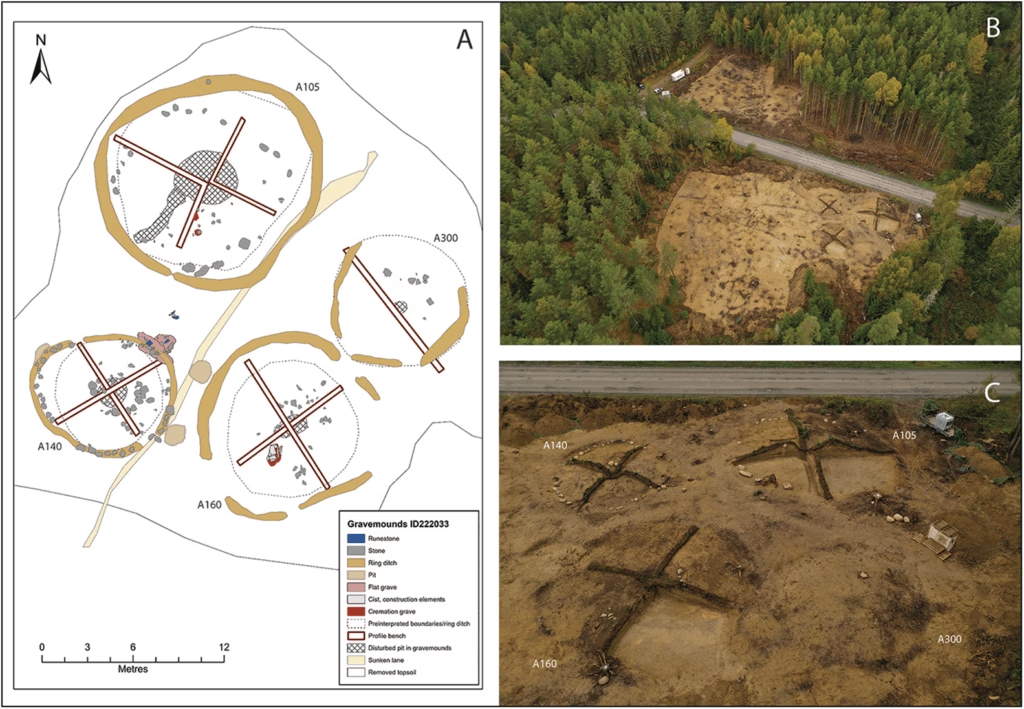
Excavations in Svingerud, around 40 kilometers northwest of Oslo, began in 2021 and have since revealed three sandstone slabs, collectively known as the “Hole fragments.” Weighing over 100 kilograms, they are believed to have once formed a single monumental stone.
Notably, one inscribed surface was placed face-down inside a grave, suggesting the stone was first erected, later broken, and reused as part of a burial structure.
Radiocarbon dating confirms early age
Charcoal and bone samples from the burial context underwent radiocarbon testing, producing a date range of 50 BCE–AD 275. This makes the Svingerud stone the earliest archaeologically dated runestone, predating most known examples by several centuries.
What the inscriptions say
One inscription reads “idiberug”, likely a personal name. Another side contains the sequence “fuþ”—the beginning of the futhark alphabet—and a phrase translated as “I … carved the rune.”
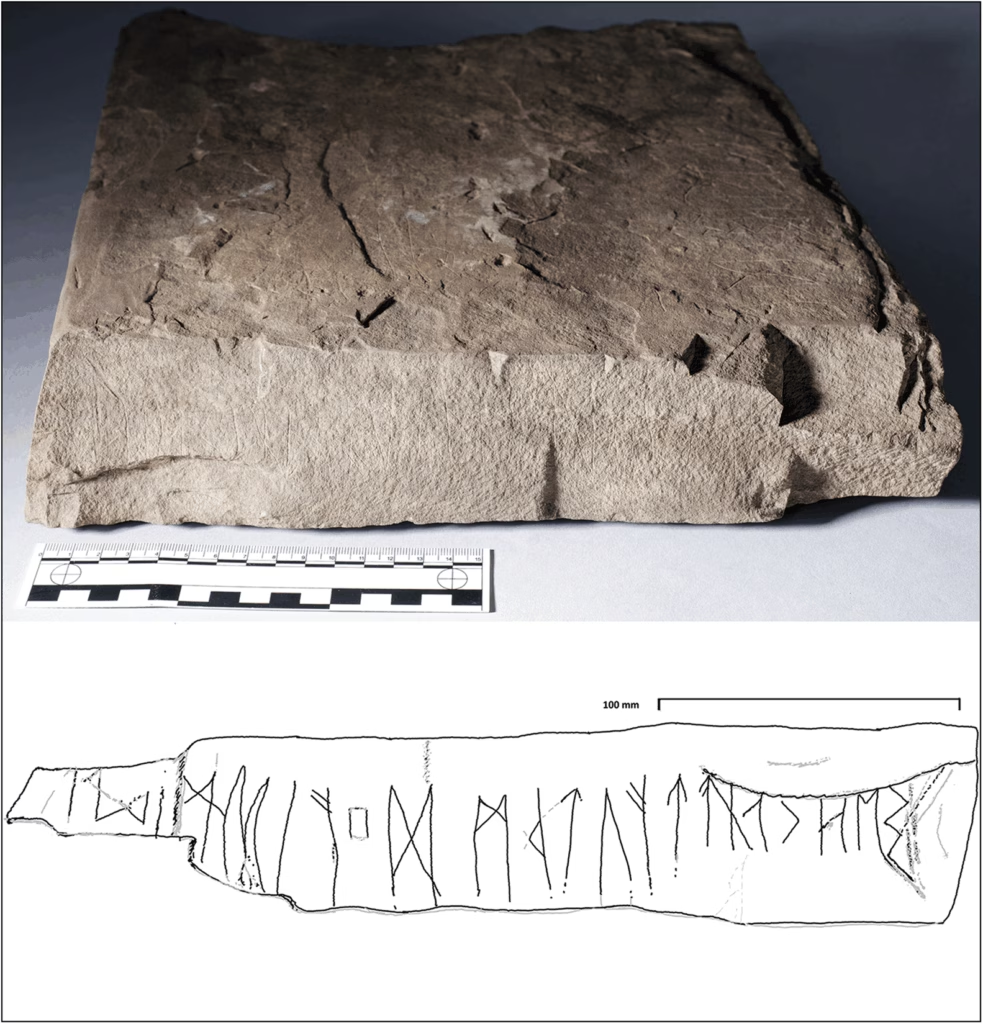
Researchers suggest the latter could indicate that the runes were carved by a female runemaster, an extraordinary possibility that challenges assumptions about literacy and gender roles in the early Iron Age.
Why this matters
Runestones are often associated with the 4th and 5th centuries AD, but this discovery demonstrates that Scandinavia’s writing culture began far earlier than previously thought. The Svingerud fragments provide a rare glimpse into the origins of the runic script and early epigraphic practices in Northern Europe.
Antiquity