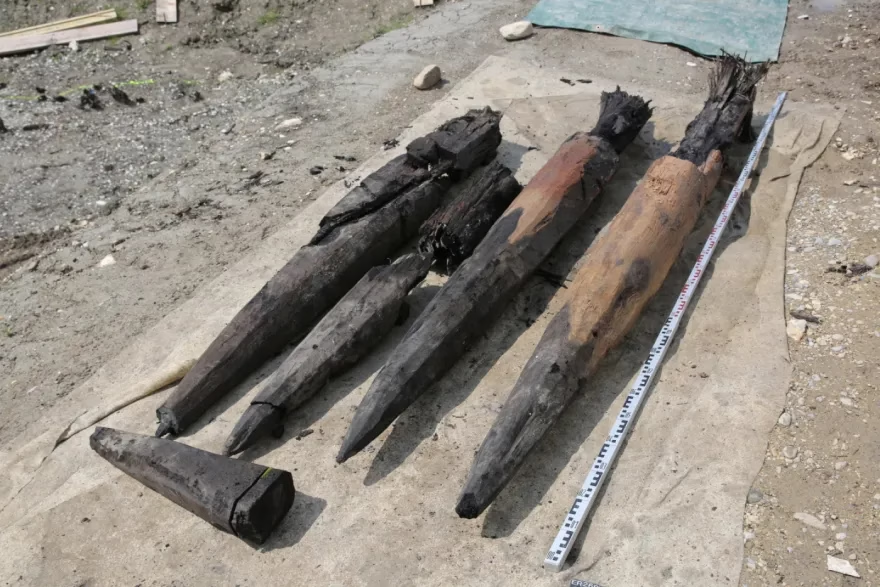
Archaeologists in Switzerland have uncovered the remains of a 2,000-year-old Roman wooden bridge during construction work in Aegerten, a municipality in the canton of Bern near Biel/Bienne. Experts describe the find as one of the region’s most important Roman-era discoveries in decades, offering a rare glimpse into the infrastructure that allowed the Roman Empire to consolidate power far beyond the Alps.
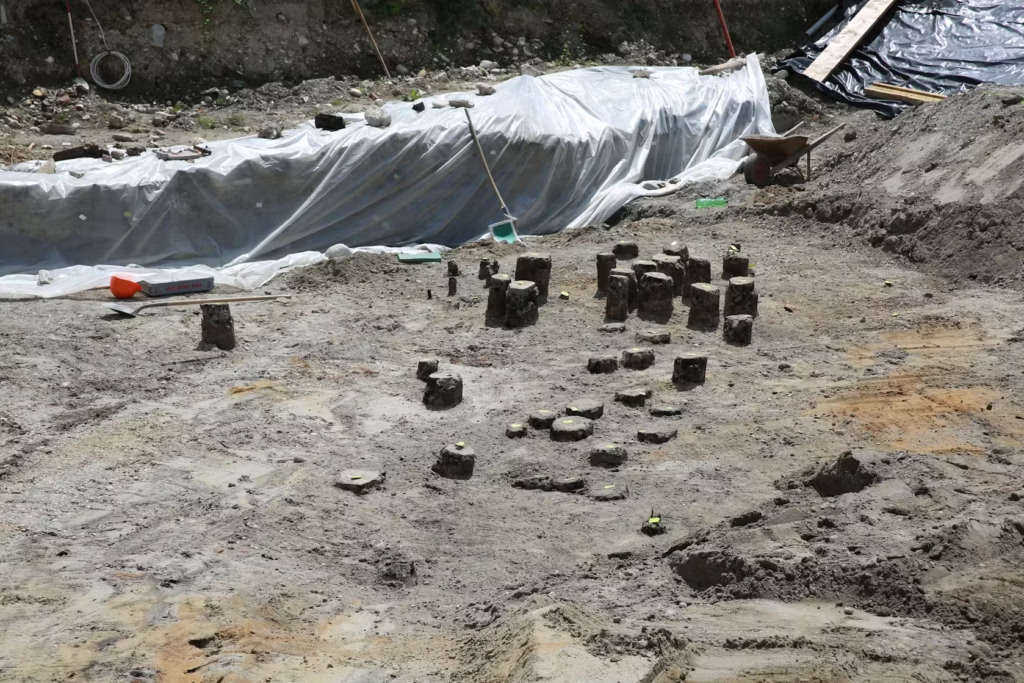
The Archaeological Service of the Canton of Bern reported that over 300 oak piles were found waterlogged and preserved in the former bed of the River Zihl. Tree-ring dating confirmed that the bridge was first constructed around 40 BC, shortly after the Roman conquest of the Celtic Helvetii tribe, and was repaired and rebuilt multiple times until AD 369 during the reign of Emperor Valentinian I. This indicates continuous use for over four centuries.
From Celtic Stronghold to Roman Province
The Helvetii, a Celtic tribe inhabiting the Swiss Plateau, were defeated by Julius Caesar at the Battle of Bibracte in 58 BC, marking the beginning of Roman dominance in the region. By around 15 BC, Helvetia was fully incorporated into the empire, and Rome began establishing forts, towns, and road networks to secure its northern frontier.
The Aegerten bridge became a key part of this strategy. Situated at the gates of Petinesca, a Roman town near modern-day Studen, it connected trade routes across the Swiss Plateau. The bridge formed part of the Roman Jura transversal, a major corridor that linked Avenches (Aventicum), the capital of Roman Helvetia, to Augusta Raurica near Basel via the Jura mountains. This network allowed troops, merchants, and travelers to move swiftly between settlements, demonstrating how Rome’s infrastructure held its provinces together.
Exceptional Finds From the Riverbed
Excavations in the former riverbed have yielded a wealth of artifacts that either fell from the bridge or were deliberately deposited. Among them were hobnails from Roman sandals, horse shoes, harness fittings, axes, keys, and coins.
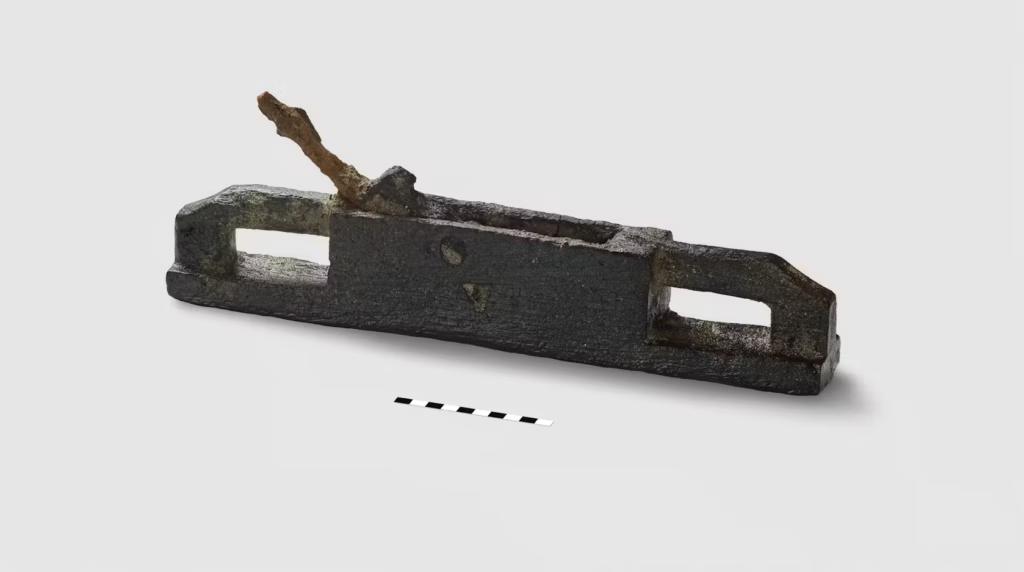
One of the most extraordinary finds is a large carpenter’s plane made of wood and iron, remarkably preserved by the oxygen-poor soil. Such tools rarely survive from antiquity and provide direct evidence of Roman woodworking techniques. All artifacts are currently undergoing conservation and are expected to shed new light on daily life in Roman Switzerland.
Preserving the Past Without Halting the Present
Remarkably, the excavation did not delay the ongoing construction project. Archaeologists worked during a planned pause, demonstrating how heritage preservation and modern development can move forward together.
Officials from the Canton of Bern describe the bridge as a “tangible symbol of Rome’s transformation of Celtic Helvetia into a fully integrated province.” The find not only highlights Roman engineering prowess but also offers a rare, human connection to soldiers, travelers, and craftsmen who crossed this bridge for over 400 years.