Archaeologists in North Yorkshire, England, have uncovered a rare Bronze Age cremation burial inside an inverted urn, accompanied by a finely crafted volcanic stone axe hammer. The discovery sheds light on elite funerary practices and long-distance exchange networks in prehistoric Britain.
The excavation took place at Breedon’s Leyburn Quarry in Wensleydale, a region already rich in archaeological remains from the Mesolithic to the post-medieval periods. Prior to excavation, fieldwalking over a 1.5-hectare area yielded 66 finds, including chipped flint flakes pointing to Stone Age activity.
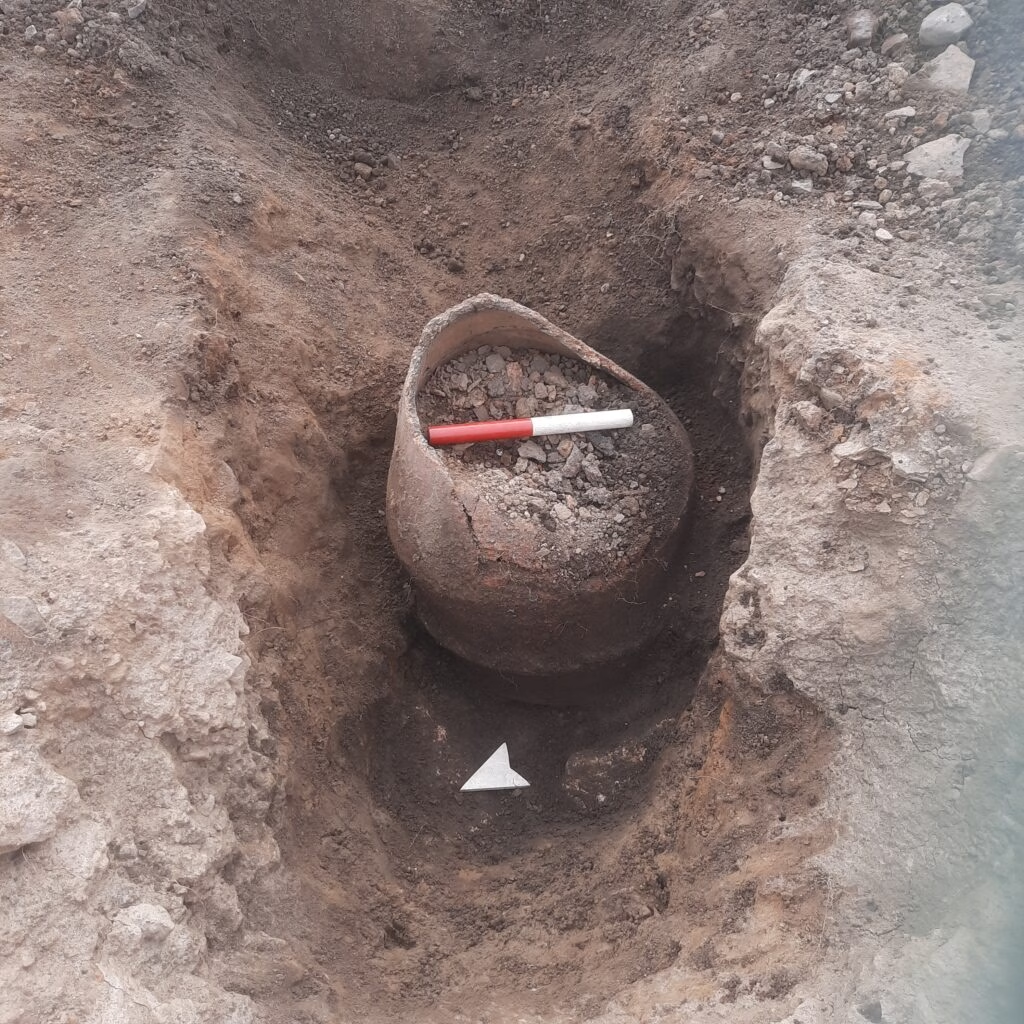
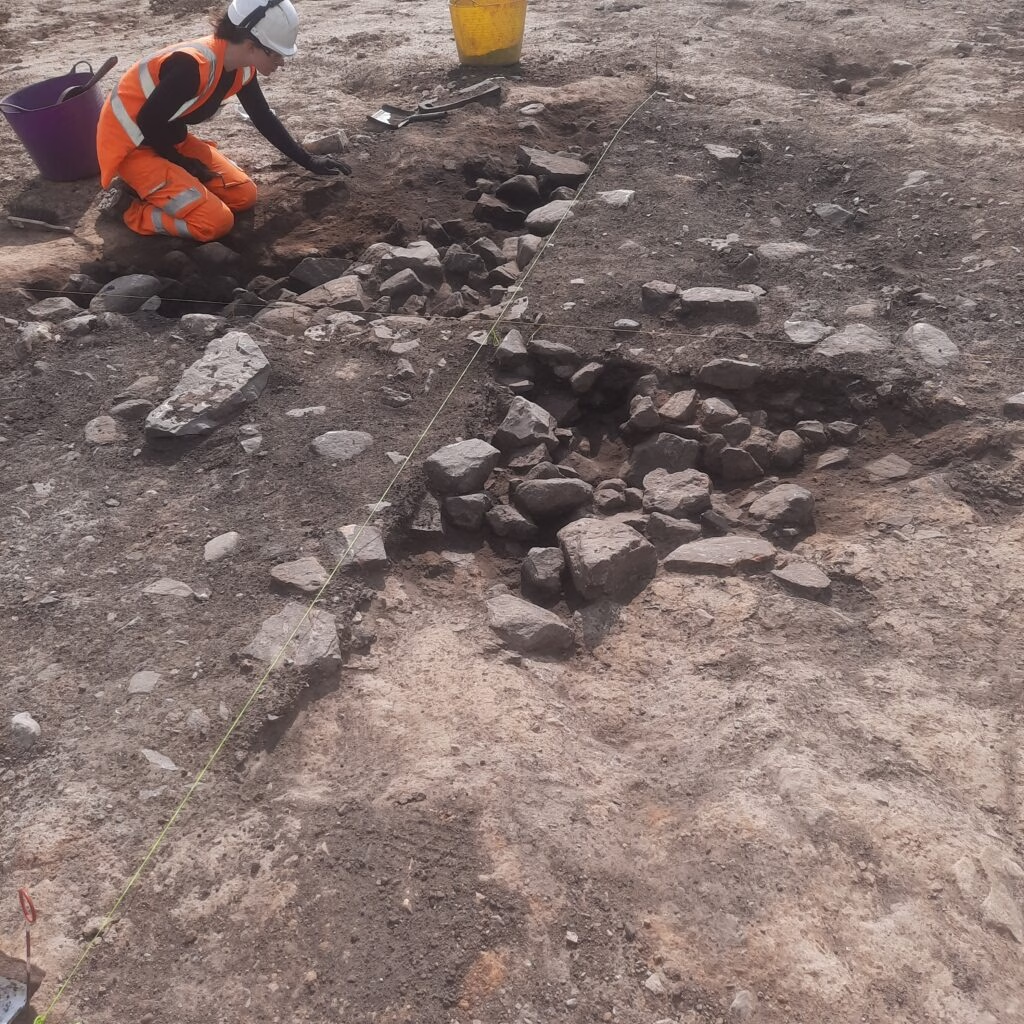
Once the soil was stripped, archaeologists identified 27 archaeological features, mainly pits and two ditches intersecting in a T-junction. One pit contained a compact deposit of cremated human bone, while another revealed a large collared urn, placed upside-down near the eastern edge of the site.
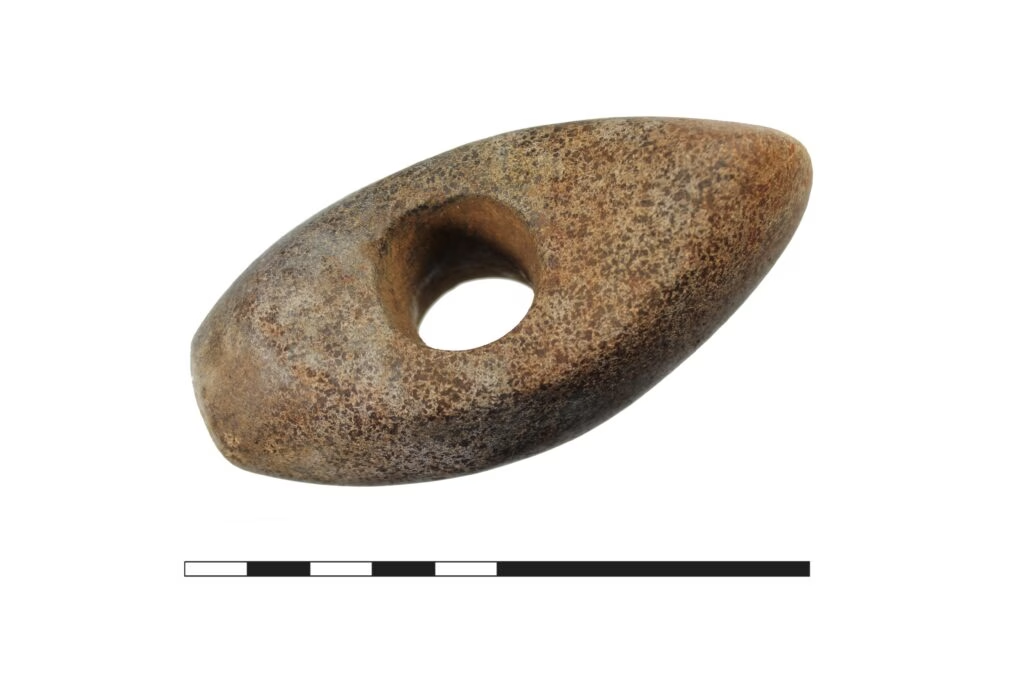
Although farming damage had collapsed the base of the vessel, the urn—measuring about 40 cm tall and 30 cm wide—was carefully lifted intact and transported to a lab. Inside, archaeologists uncovered not only cremated human remains but also a striking 10 cm volcanic stone axe hammer. Expertly shaped with a central perforation for hafting, the tool is thought to have been a prized possession of the deceased. Its exotic material indicates it had been imported from afar, pointing to widespread trade networks for prestige goods in the Bronze Age.
Such cremation practices, involving inverted urns and personal belongings, were common between the Neolithic and Bronze Age (c. 2500–1500 BC). Radiocarbon dating will provide a precise timeline for the burials.
The urn is currently undergoing conservation, while the bones and axe hammer are being studied in detail. Archaeologists believe the burial represents a high-status individual, offering a rare glimpse into the social and ritual life of prehistoric Britain.