-
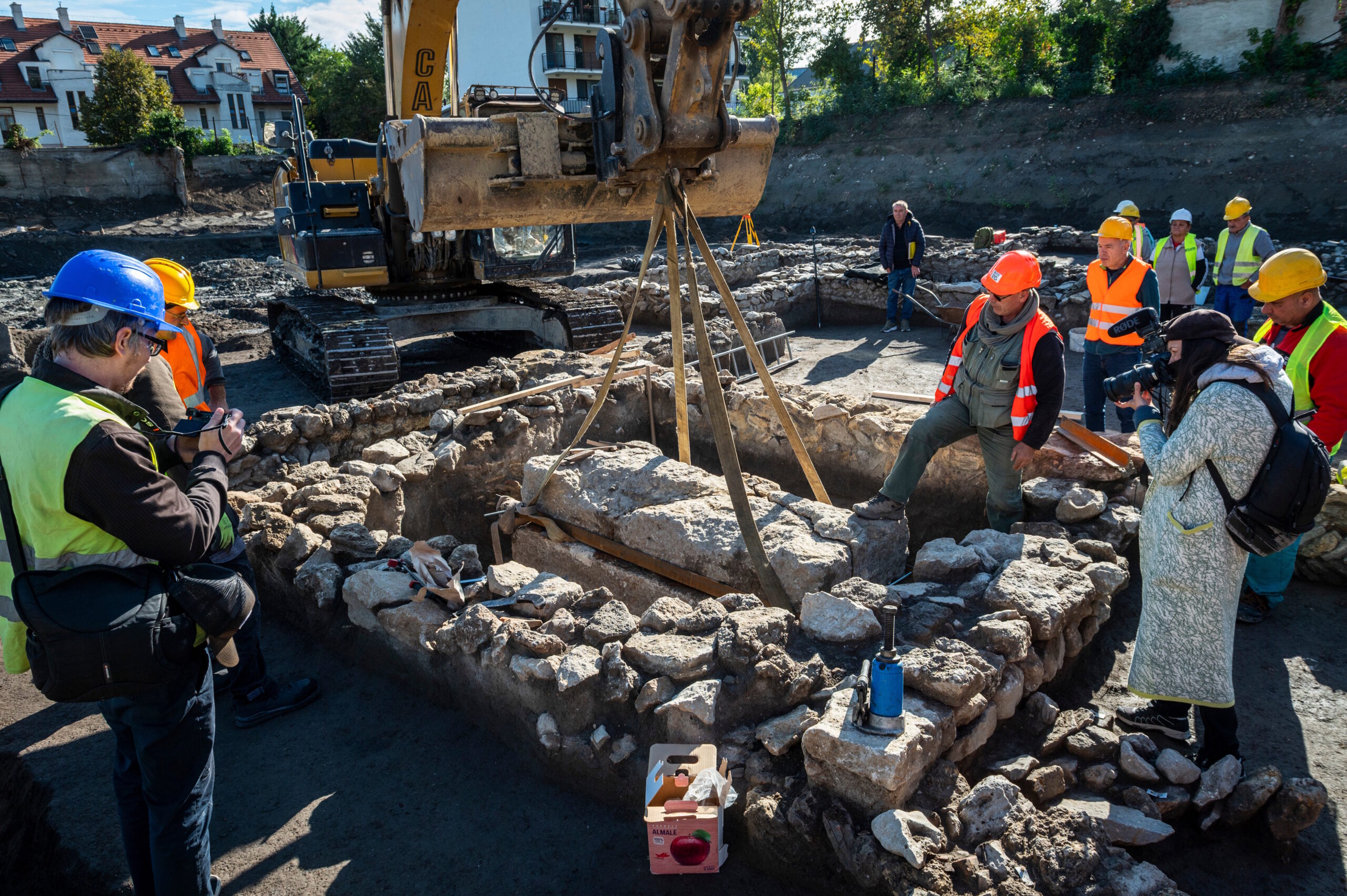
A Sealed Roman Sarcophagus in Budapest Uncovers the Life of a Young Woman Buried With Extraordinary Treasures
When archaeologists in Budapest lifted the heavy limestone lid of a Roman sarcophagus—still sealed after 1,600 years—they had little idea how well its interior had survived. As the dust settled, the outline of a young woman appeared, surrounded by a collection of grave goods so finely preserved that the entire burial instantly became one of…
-
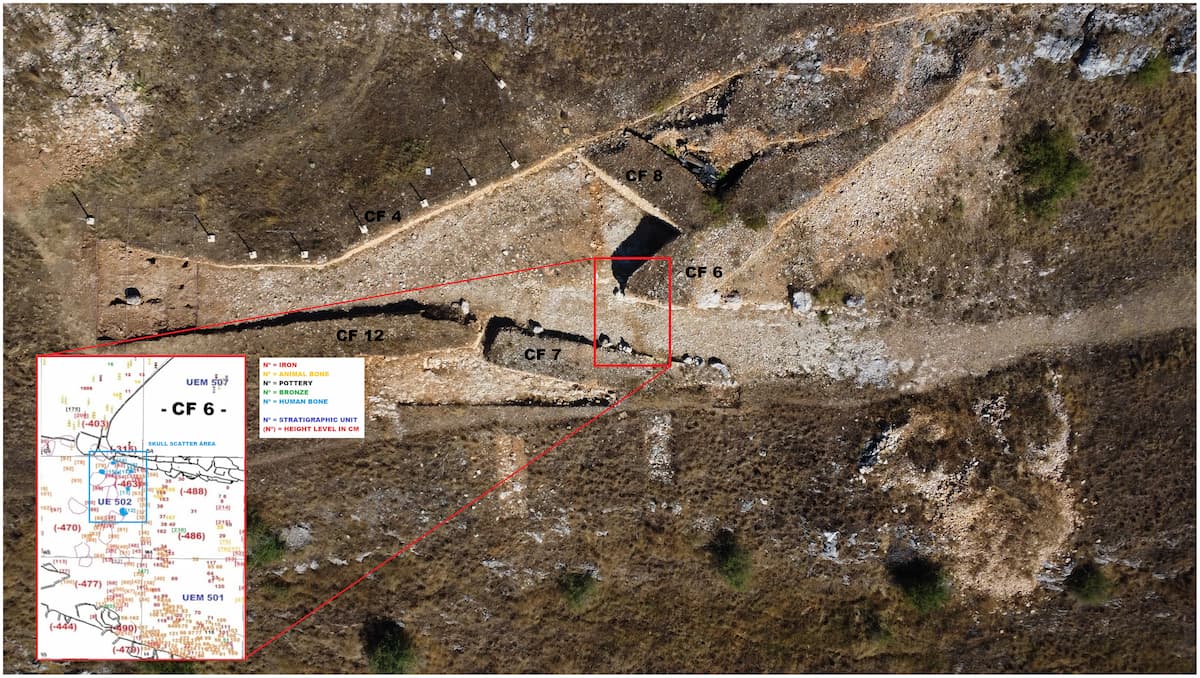
A Cantabrian Warrior’s Severed Head Found in Palencia Reveals a Brutal Roman War Trophy Tradition
A rare Iron Age skull found beneath a collapsed wall exposes how Augustus’ legions displayed the heads of defeated Cantabrian fighters Forensic archaeology has delivered a stark window into the Cantabrian Wars: the fractured skull of a middle-aged defender from La Loma was recovered under a collapsed wall, confirming that Augustus’ legions had once mounted…
-
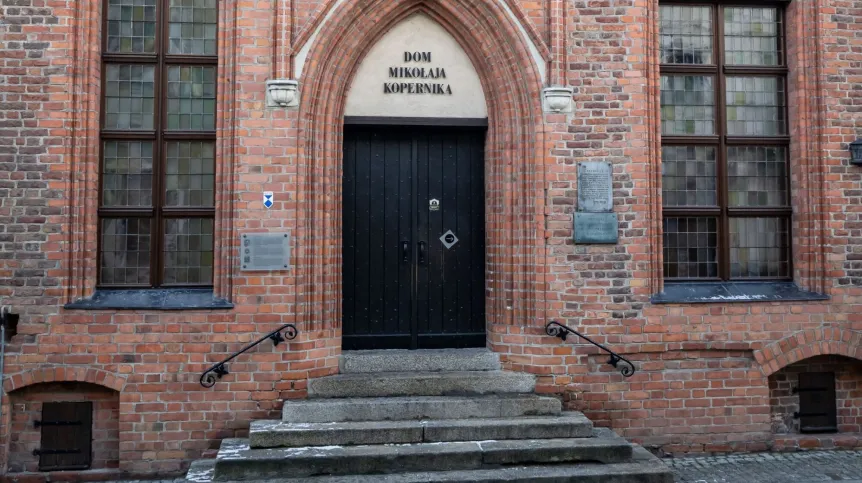
Hidden 13th-Century Wooden Structures Unearthed at Copernicus’ Family Home in Toruń
In the quiet courtyard of the Nicolaus Copernicus House in Toruń, archaeologists have uncovered something no one expected: remarkably preserved wooden structures dating back to the 13th century. Beneath later layers of construction, the earliest phase of medieval Toruń has resurfaced — offering a rare glimpse into the wooden city that existed long before brick…
-
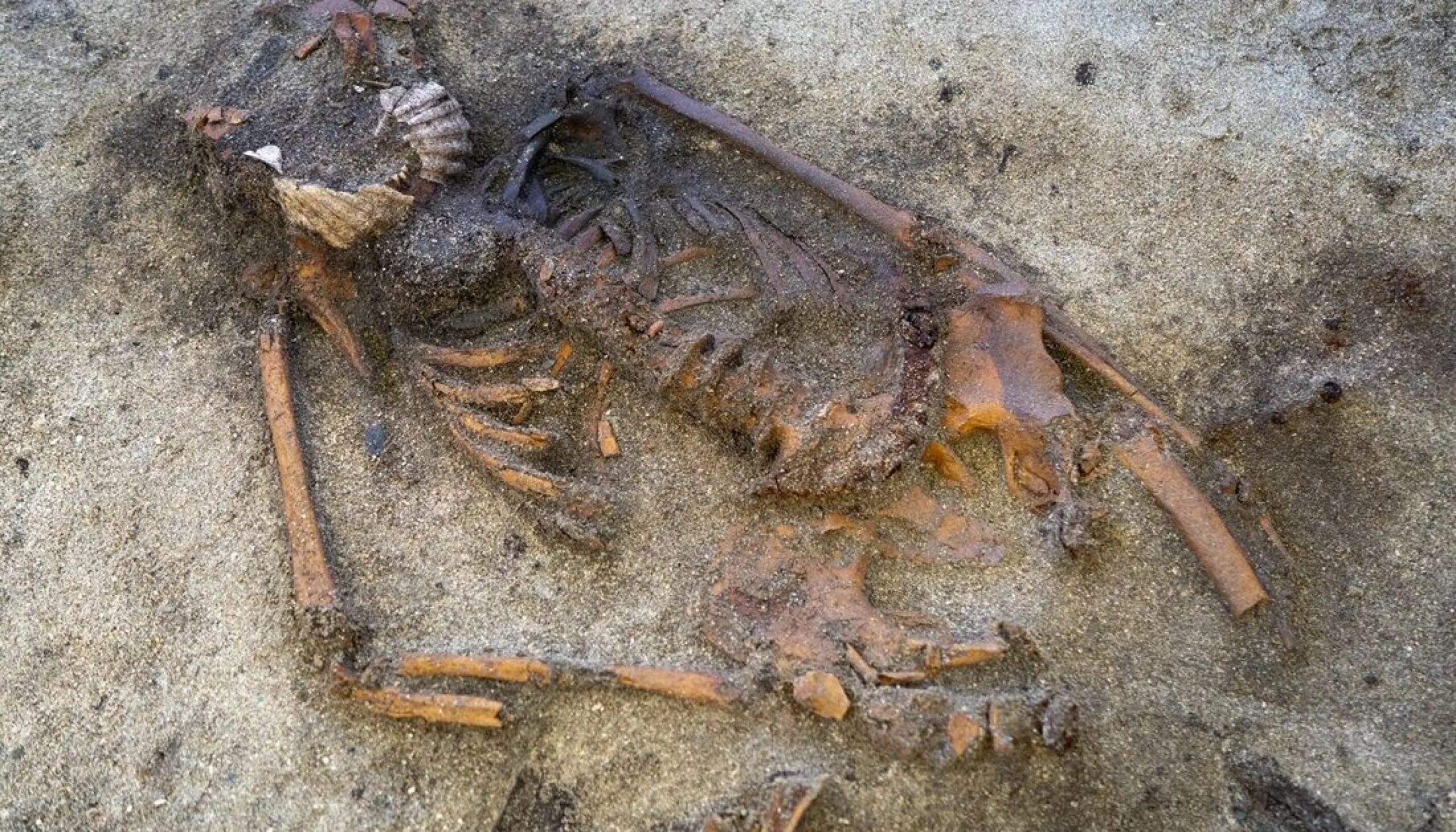
A 9th-Century Woman Buried with Scallop Shells at Her Mouth Baffles Archaeologists in Norway
Archaeologists in central Norway have uncovered a burial unlike anything previously recorded in the country: a 9th-century woman laid to rest with two scallop shells positioned on either side of her mouth, partially covering it like a silent seal. The discovery, made in Trøndelag, has quickly become one of the most enigmatic Viking-Age graves documented…
-
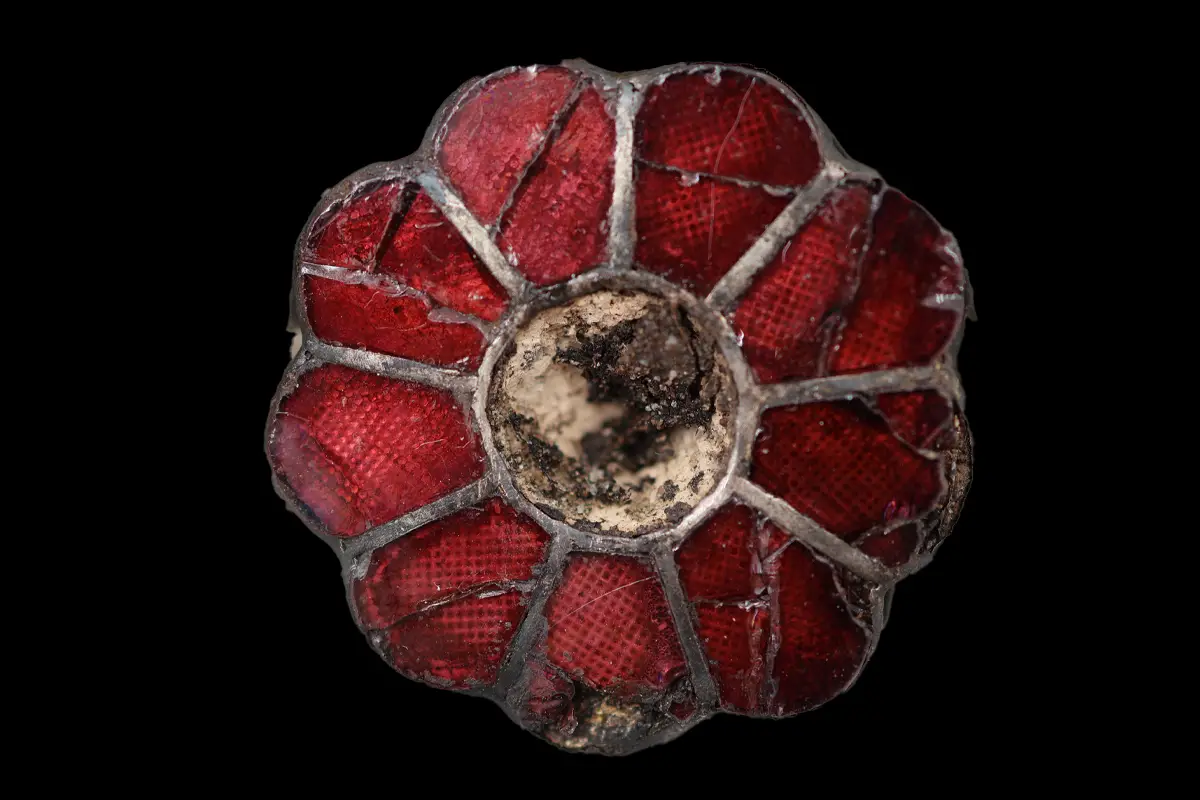
Burials Reveal Turbulent Life and Early Migrations in Pre-Bavarian Bavaria
A quiet excavation in southeastern Bavaria has turned into one of the most informative early medieval discoveries of recent years. Archaeologists working near Bad Füssing in the district of Passau uncovered a cemetery that forces a major rethink of how communities lived, moved, and fought in the Inn Valley as Roman power collapsed. A Cemetery…
-
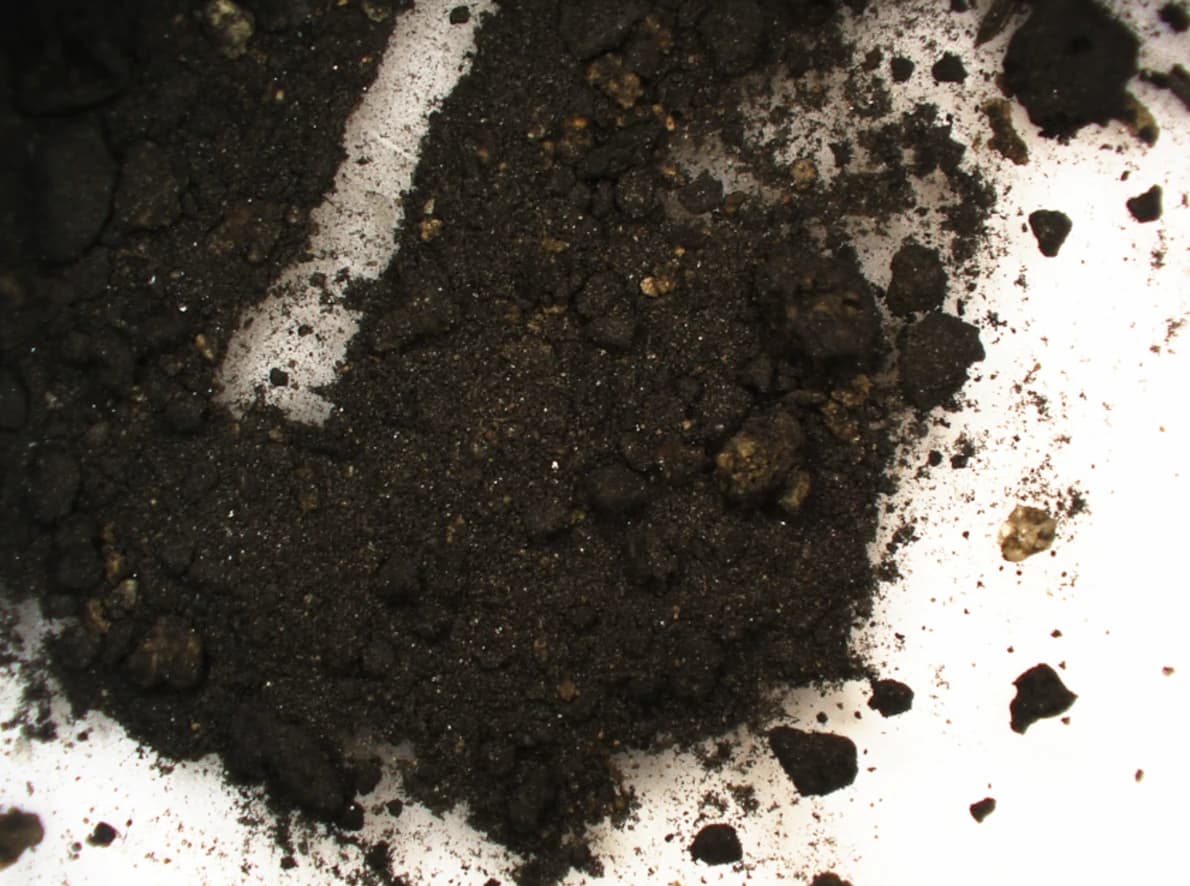
A 2,000-Year-Old Roman Inkwell from Conimbriga Reveals a Groundbreaking Mixed-Ink Formula
It began with a small bronze cylinder nobody expected to matter. But the inkwell recently re-examined in Conimbriga—one of the best-preserved Roman cities in Portugal—has turned out to be one of the most disruptive finds in the study of ancient writing. Inside the vessel, sealed for nearly two millennia, researchers identified the chemical traces of…
-
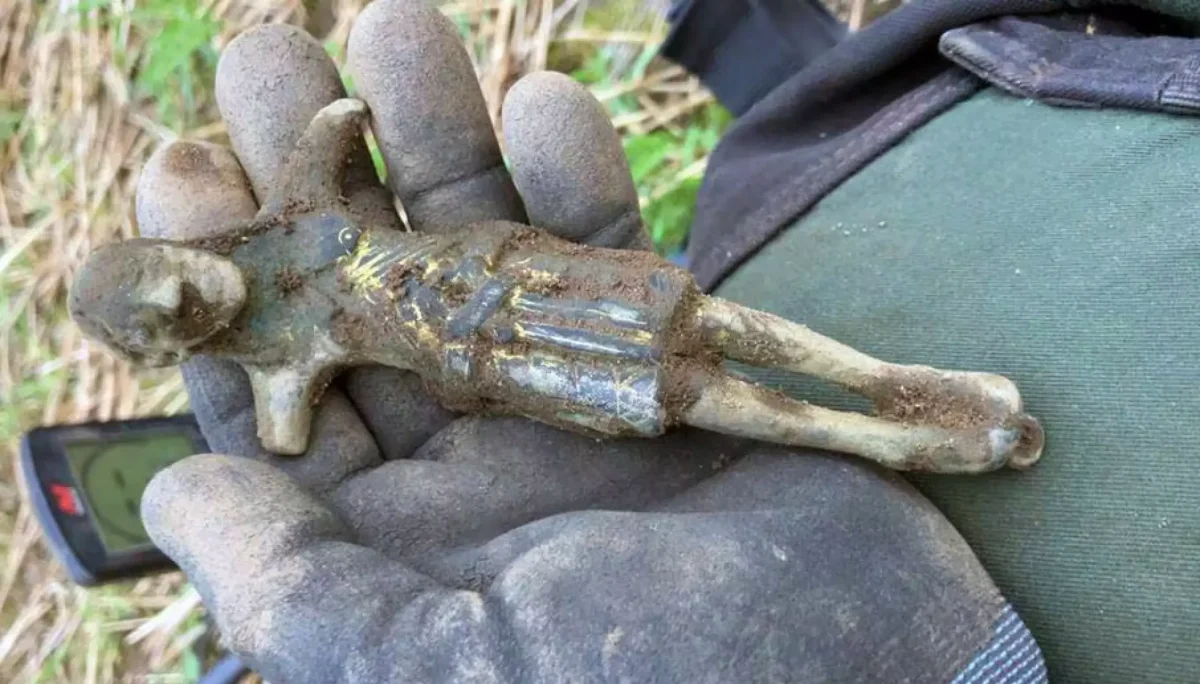
800-Year-Old Gilded Christ Figure Found in Norway Could Reveal a Lost Medieval Church
A metal detectorist’s last sweep of the day uncovered a rare gilded bronze Christ statue from the High Middle Ages — a discovery now triggering a renewed archaeological investigation in Åndalsnes. As the daylight faded over Åndalsnes, Kim Erik Fylling Dybvik made one final pass across a freshly ploughed field — a routine gesture that…
-

A 3,200-Year-Old Mountain Fortress in Croatia Rewrites the Bronze Age Map
Perched on a windswept ridge 611 meters above sea level, a massive Bronze Age stronghold has emerged from the summit of Papuk Mountain in northeastern Croatia—forcing archaeologists to rethink what Late Bronze Age societies in the Balkans were capable of. The site, known as Gradina, reveals an unexpectedly sophisticated fortification system and a settlement layout…
-
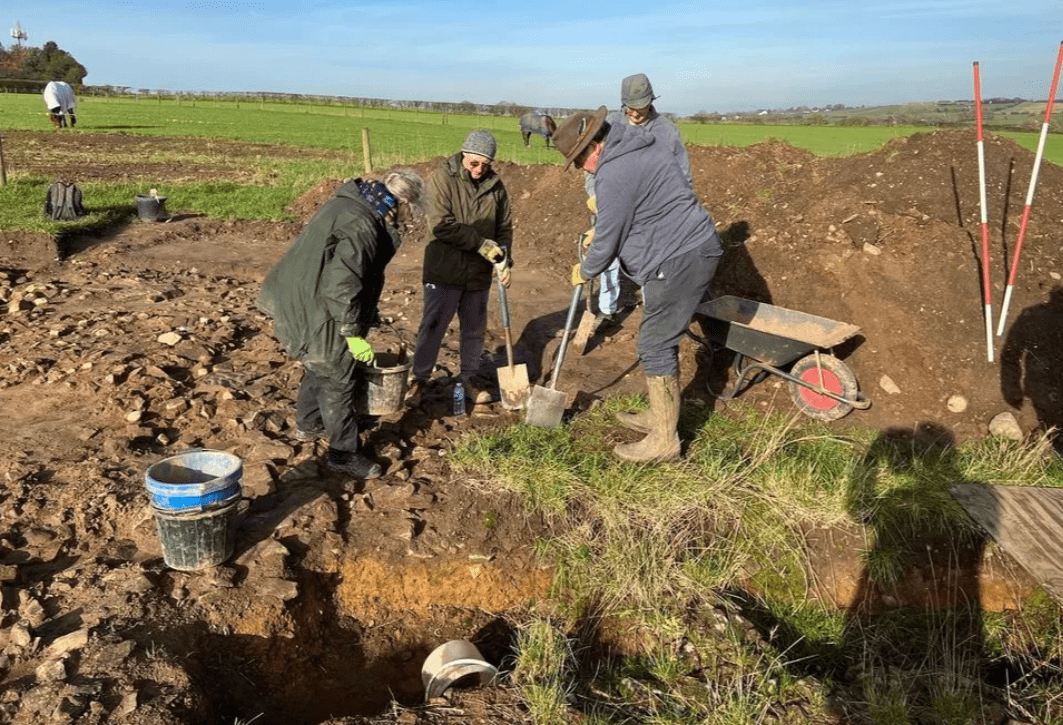
Wigan Archaeologists Uncover a 4,000-Year-Old Neolithic Henge and Bronze Age Cemetery
On a quiet stretch of farmland near the outskirts of Wigan, northern England, a team of volunteers have stumbled upon what could be one of the region’s most remarkable prehistoric finds — a 4,000-year-old Bronze Age cemetery that may sit atop an even older Neolithic henge. Members of the Wigan Archaeological Society, who have been…