Discovery near Székesfehérvár sheds light on elite warriors of the early medieval Carpathian Basin
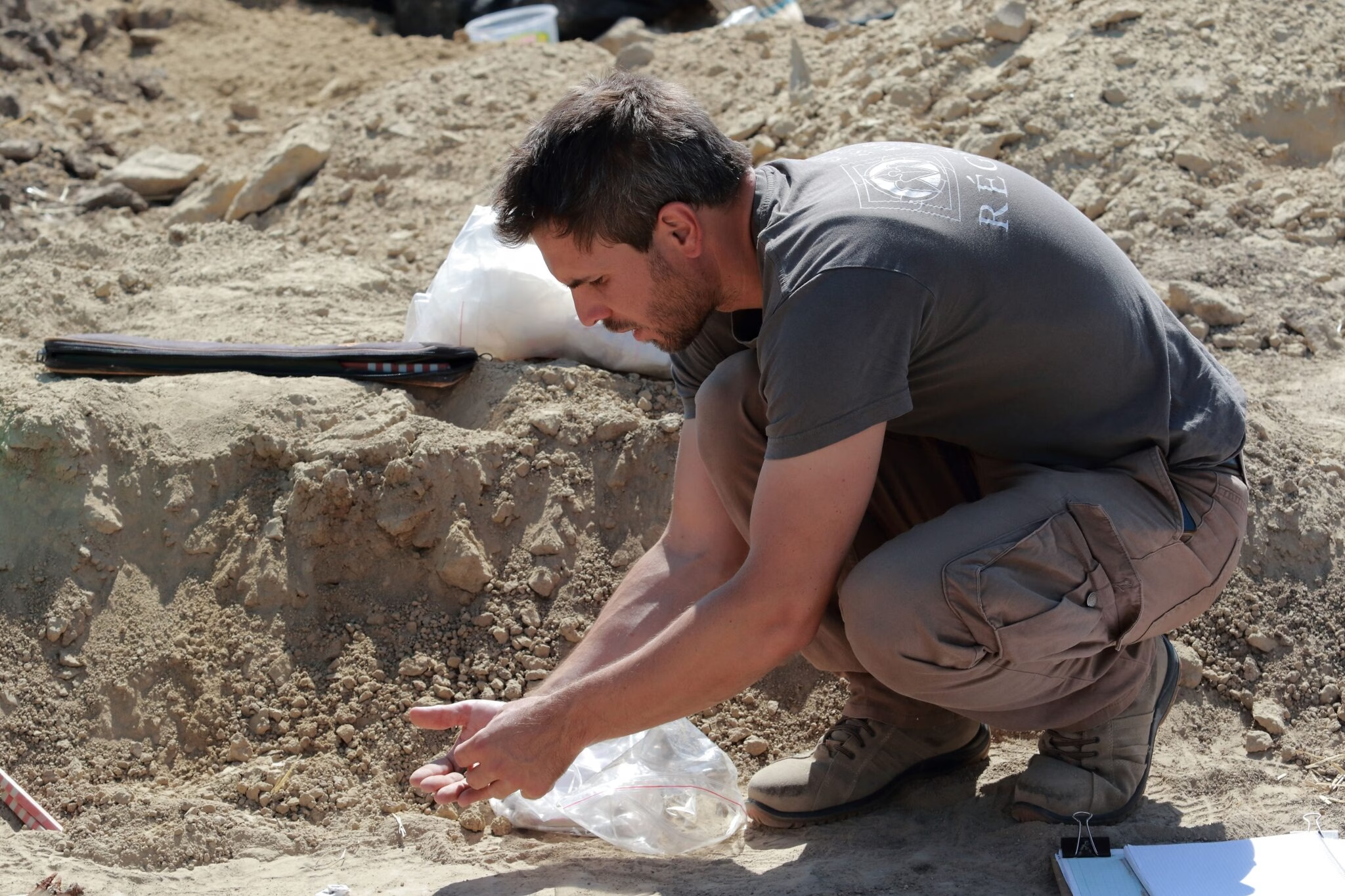
Hungarian archaeologists have unearthed a rare Avar-period saber near Székesfehérvár, marking one of the most significant early medieval discoveries in Fejér County in decades. The find, dated to the 7th–8th century, was located using satellite-based archaeological research as part of the Cemeteries from Space program, a pioneering initiative by the Hungarian National Museum and the King Stephen Museum.
Ancient Cemeteries Detected from Orbit
Satellite photographs of crop marks revealed two ancient cemeteries: a large one with an estimated 400–500 graves and a smaller burial ground nearby. Led by archaeologist Frigyes Szücsi, the team began excavations on private farmland on the Székesfehérvár–Aba border.
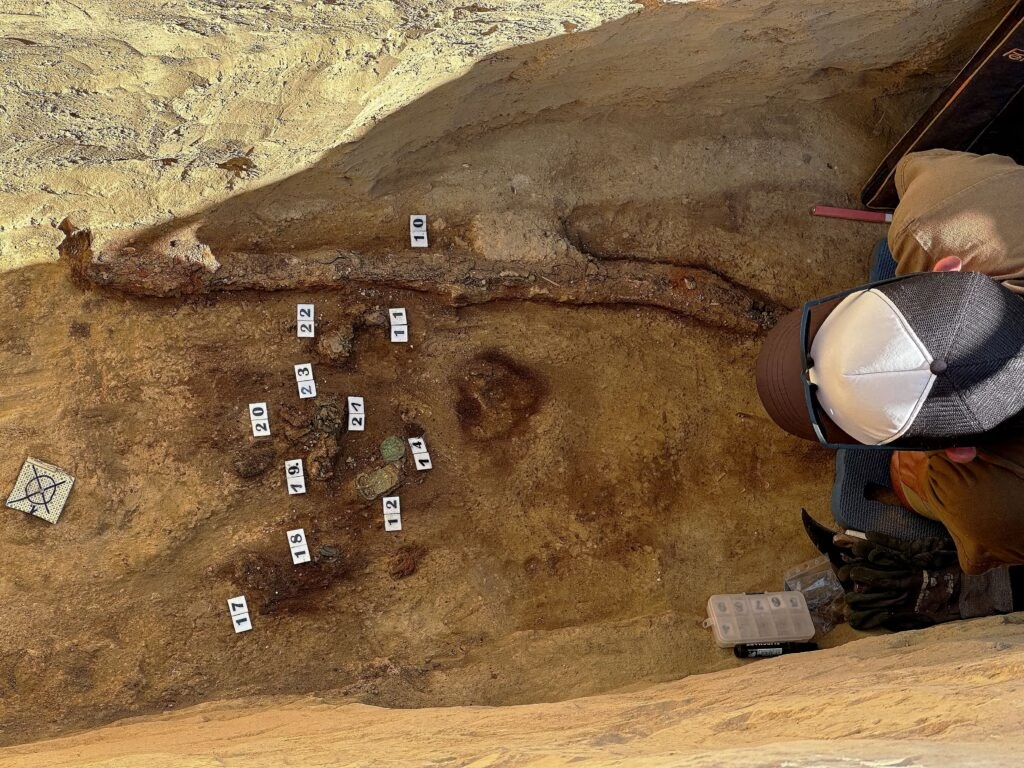
Two graves from the larger cemetery have been opened so far, and on August 25, the team uncovered the outline of a saber, a weapon rarely found in Avar burials.
A Weapon of Power
The Avars, a Central Asian nomadic people who dominated the Carpathian Basin from the late 6th to 9th centuries, buried their elite warriors with weapons, jewelry, and decorated belts. Szücsi emphasized that sabers are exceptional finds:
“The sword itself already indicates that a person of higher rank was buried here,” he explained.
The grave also contained gilded bronze hair ornaments and a pressed bronze belt fitting, reinforcing the interpretation that the deceased was of noble or military elite status.
A Fragile Rescue
Due to centuries of corrosion and agricultural chemicals in the soil, the saber is extremely fragile. To prevent damage, it was removed intact within a custom wooden frame built by volunteer carpenter László Teker. Conservators will carefully stabilize and restore the artifact before it is displayed or studied further.
A New Era of Archaeology
Historian György Szabados praised the discovery, noting that the large number of Avar cemeteries proves Fejér County’s significance in early medieval Europe. Szücsi also confirmed that 80 additional archaeological sites identified from space are awaiting excavation, promising a wave of future finds.
This cutting-edge use of satellite imagery demonstrates how technology is rewriting Hungary’s early medieval history, offering unprecedented insight into the Avar Khaganate and its warrior elite. The saber from Székesfehérvár may become one of the defining artifacts of Hungary’s Avar heritage, providing a rare glimpse into the martial traditions of a powerful 7th-century society.
Cover Image: The rare Avar-period saber discovered near Székesfehérvár, Hungary, lifted intact within a protective wooden frame to prevent damage during restoration.Credit: Szent István Király Múzeum