-
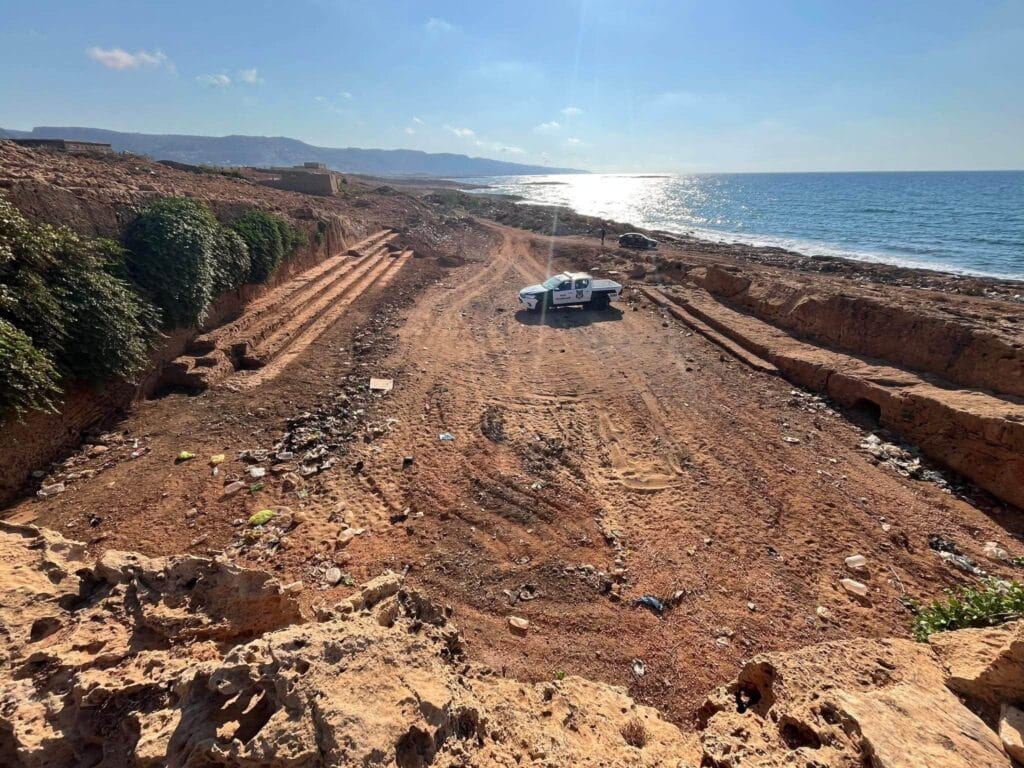
Rare Greek Hippodrome Comes to Light at Ancient Apollonia in Libya
Archaeologists working at the ancient city of Apollonia on Libya’s eastern coast have brought a rare Greek hippodrome back into view, while also identifying a previously unknown theater overlooking the Mediterranean Sea. The findings were announced in modern Susa by the Mission archéologique française de Libye (French Archaeological Mission in Libya). Researchers also reported the…
-
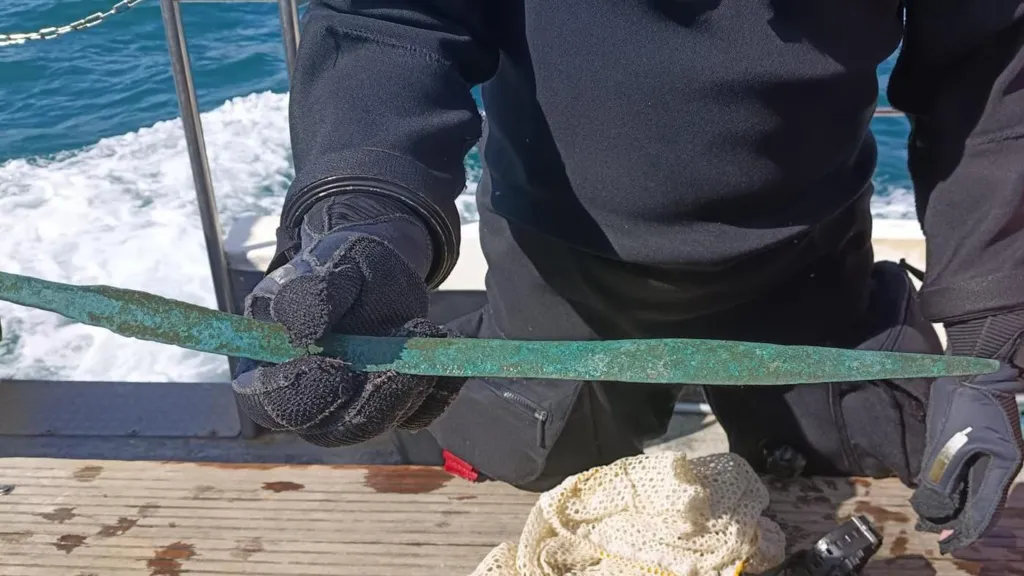
Rare 3,000-Year-Old Bronze Age Sword Discovered at Salcombe Wreck Site
A remarkably rare Bronze Age sword has been recovered from the seabed at the protected Salcombe wreck sites off the coast of Devon in south-west England. The weapon was discovered earlier this year by volunteer divers Becky Gill and Catherine Gill during archaeological investigations by the South West Maritime Archaeological Group. Initial specialist assessment dates…
-
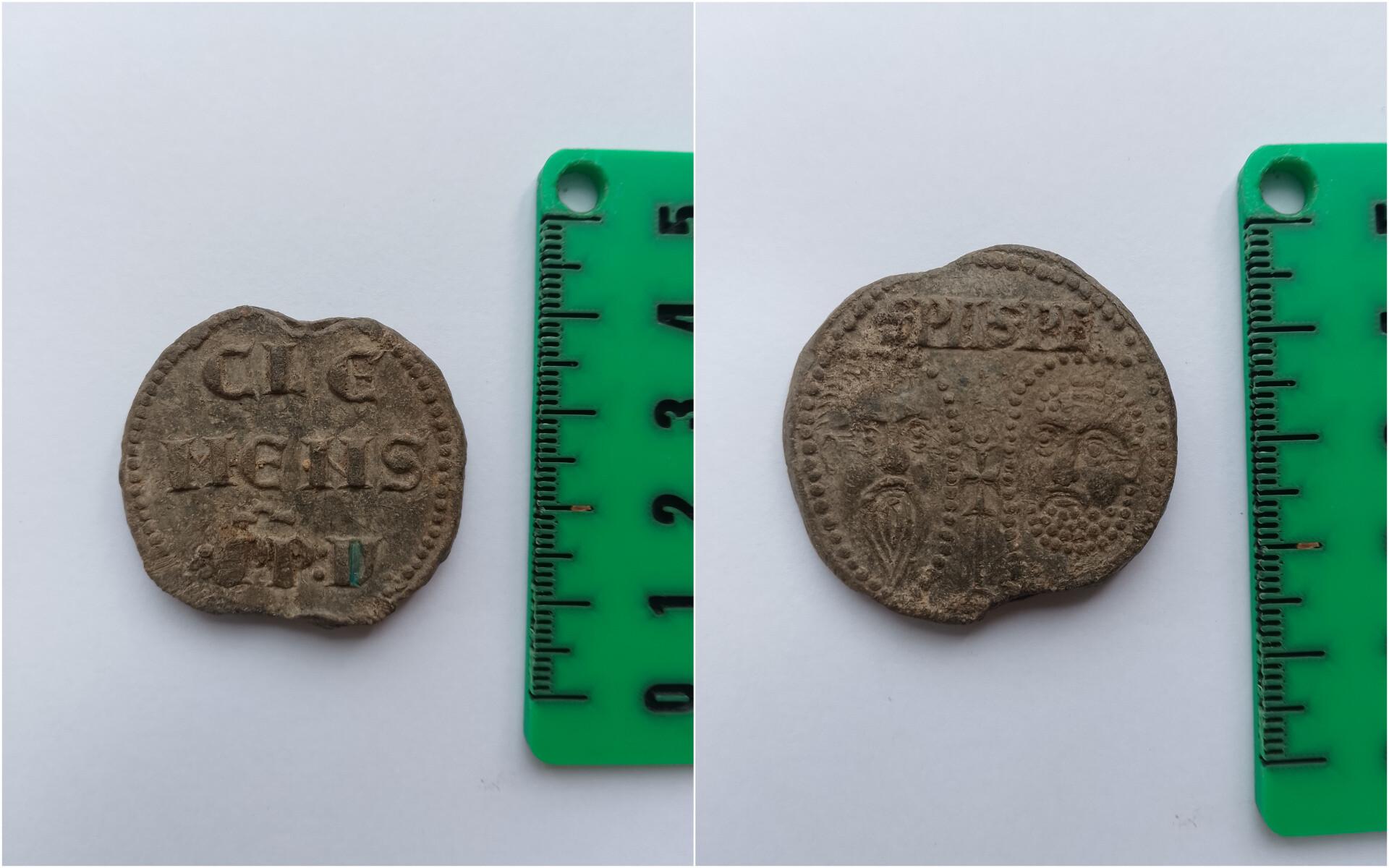
14th-Century Papal Seal Unearthed in Tallinn, the First Found in Estonia
Archaeologists excavating a courtyard in central Tallinn have discovered a 14th-century lead seal issued under Pope Clement V. It is the first papal seal ever recovered during an archaeological excavation in Estonia. The seal was found in the courtyard of the Soviet-era Eesti Projekt office building, where excavations began last year. Archaeologists have also uncovered…
-
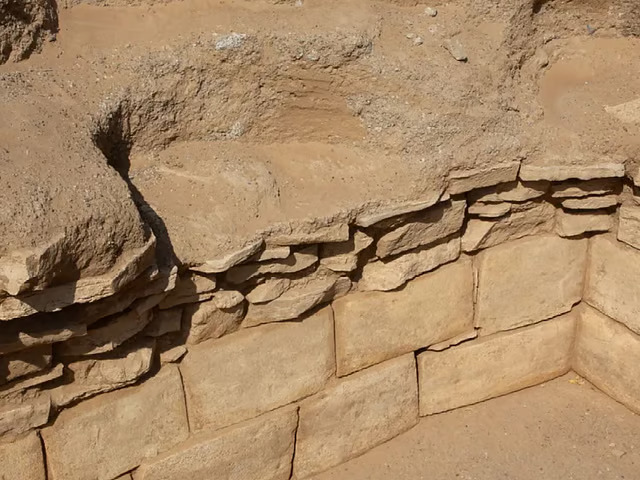
4,000-Year-Old Communal Tomb in Al Ain Held Hundreds of Burials
A 4,000-year-old communal tomb in Al Ain has been found containing the remains of hundreds of people. Discovered at the Qattarah Necropolis in the United Arab Emirates, the underground chamber remained in use for at least 1,000 years. Measuring approximately 11 metres long and 2.5 metres wide, the tomb dates to the Wadi Suq period…
-
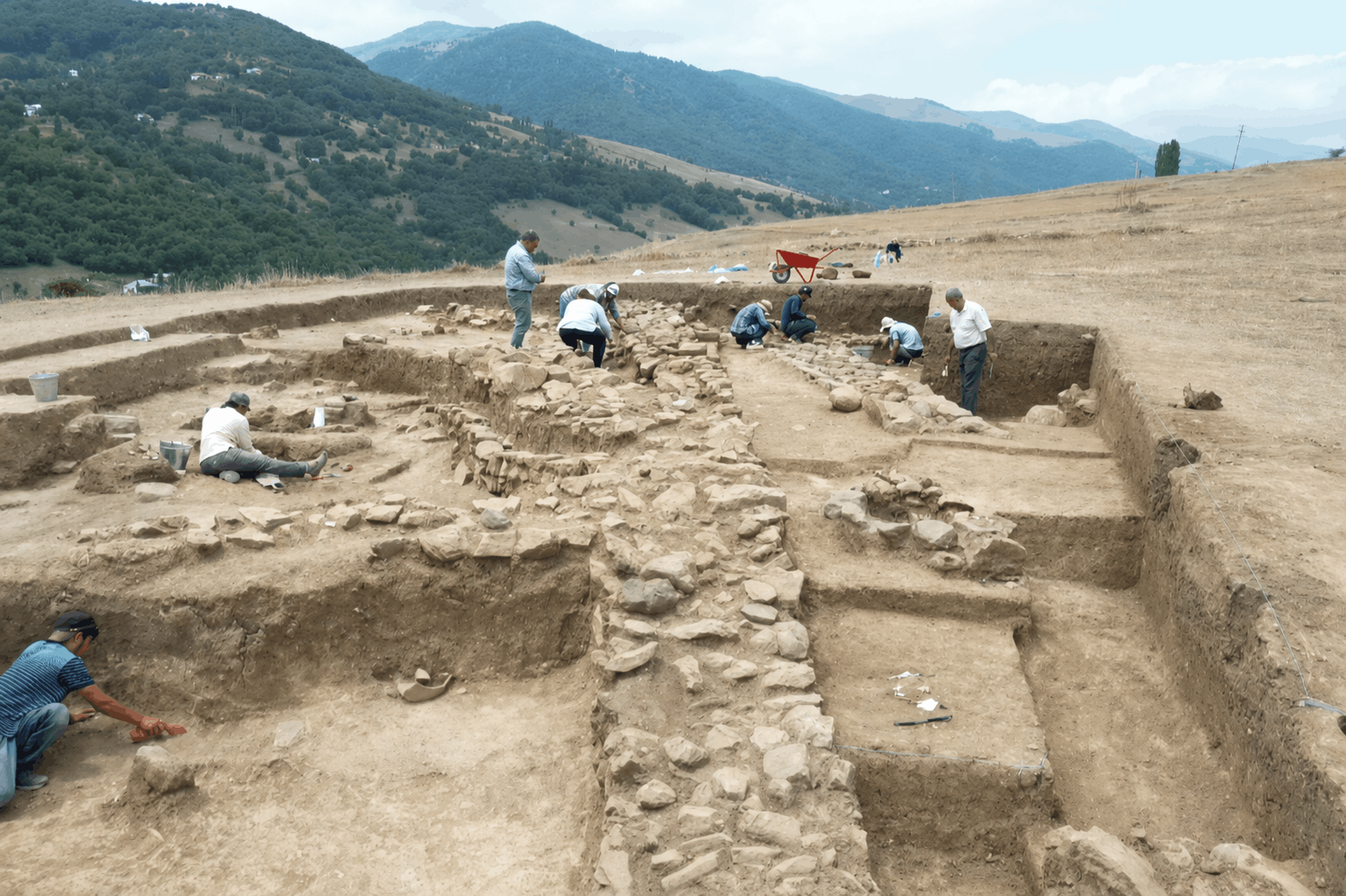
2,200-Year-Old Atropatene Settlement Found in Azerbaijan’s Mountains
Archaeologists have uncovered a large settlement dating back around 2,200 years in the mountains of southern Azerbaijan, within the historical sphere of ancient Atropatene. The site contains substantial buildings, rooms, defensive sections and evidence of production activity. The settlement, known as Seyidin Yeri, lies near Urakaran village in the Yardimli district, on the left bank…
-
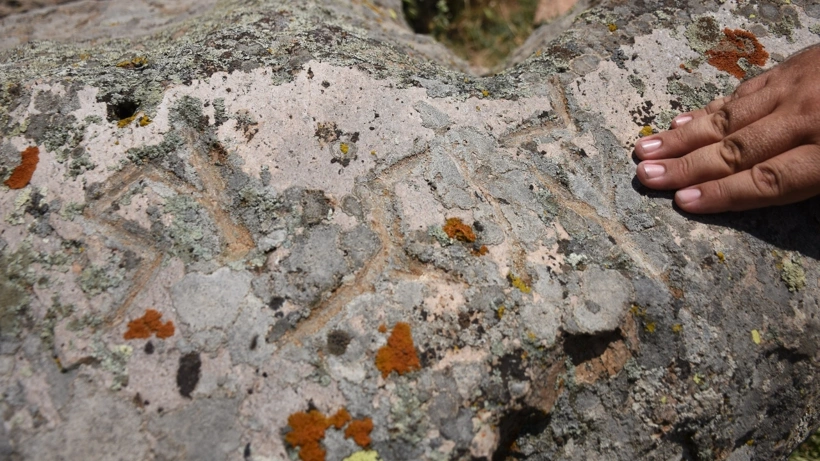
Turkic Runiform Signs Discovered Beside a Medieval Church in Central Turkey
Angular symbols associated with early Turkic writing traditions have been discovered on a rock beside a medieval church in the Binbir Kilise archaeological region of central Turkey. The carvings were recorded during the third season of surveys across Karadağ, an extinct volcanic massif north of Karaman. Researchers identified both runiform characters and tamgas linked to…
-
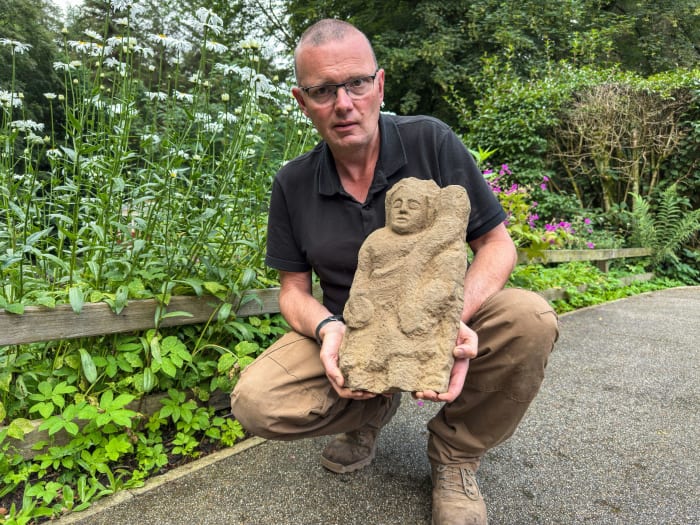
Roman Guardian Spirit Found Beneath a Vindolanda Barrack Floor After 1,600 Years
A carved Roman guardian spirit has been discovered face down beneath the floor of a fourth-century barrack at Vindolanda in northern England. The sandstone relief, probably once displayed in a small shrine, had later been reused as a paving stone, preserving its carved surface for more than 1,600 years. Dr Andrew Birley, director of excavations…
-
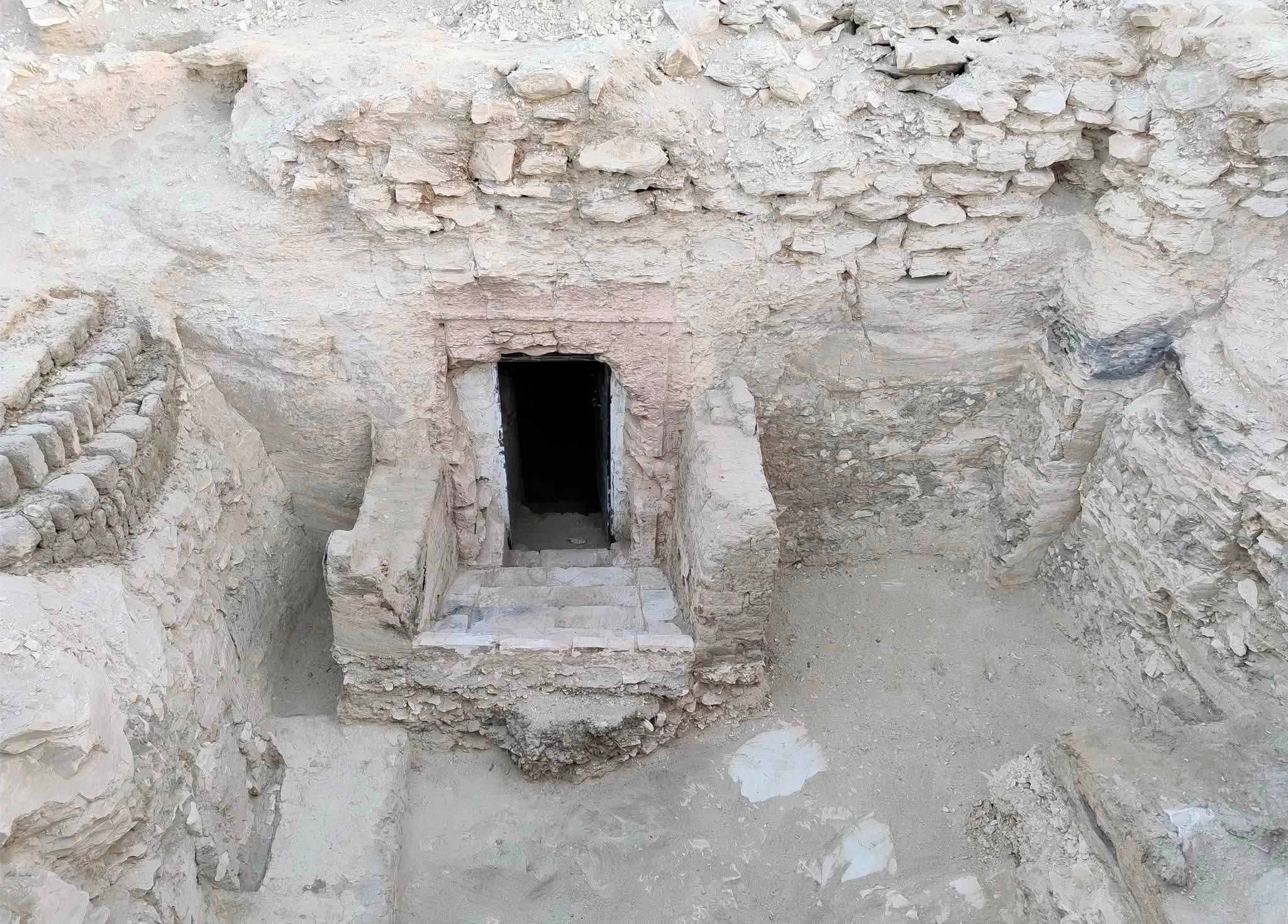
Ramesside-Era Painted Tomb of Paser Discovered in Luxor
A Dutch archaeological mission has uncovered a painted rock-cut tomb belonging to a man named Paser in the Theban Necropolis on the west bank of Luxor. The tomb was discovered in Lower Sheikh Abd el-Qurna, immediately east of Theban Tomb 45, where a team from Leiden University has conducted archaeological research since 2018. Its surviving…
-
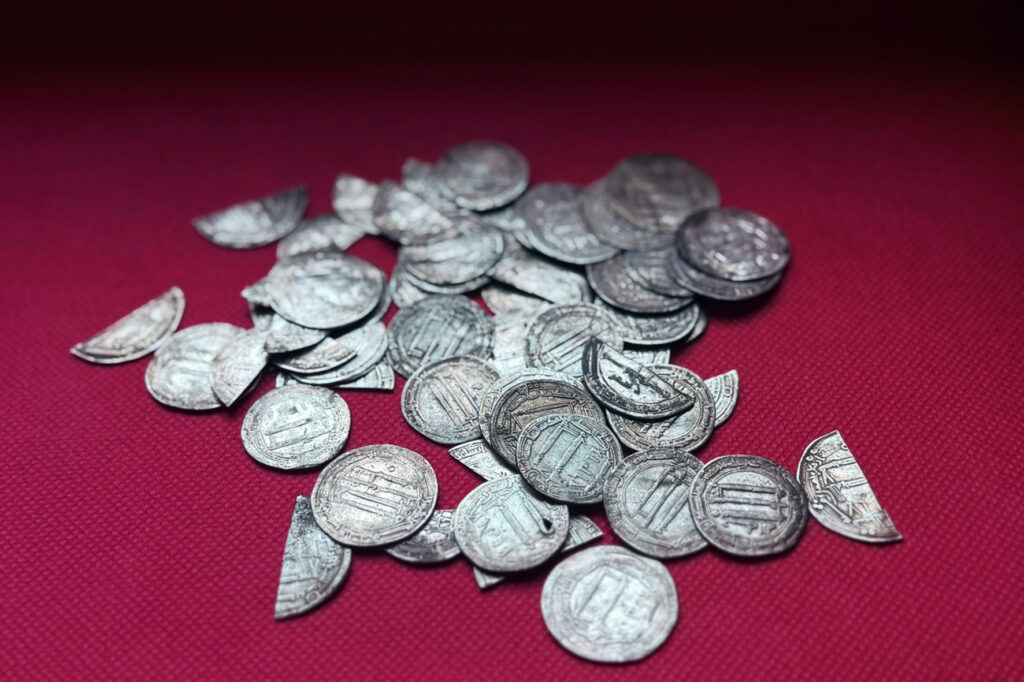
Early Islamic Silver Hoard Near Kaliningrad Points to Baltic Trade Links with the Abbasid World
A hoard of Early Islamic silver coins discovered near Kaliningrad is offering new evidence for the movement of Abbasid silver into the southeastern Baltic during the early ninth century. The collection was found in May 2026 by archaeologists from the Institute of Archaeology of the Russian Academy of Sciences during a survey on the southern…