
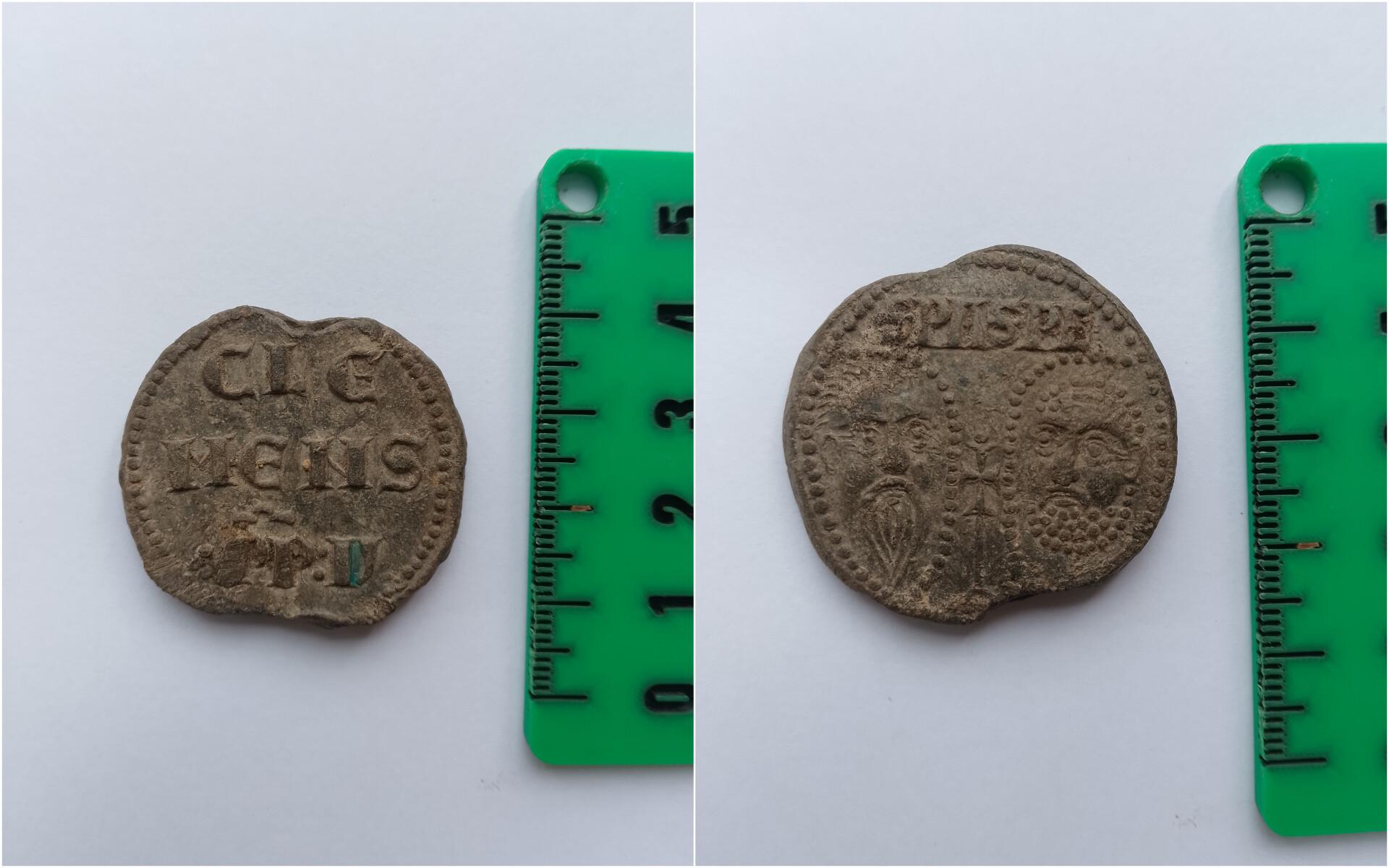
Archaeologists excavating a courtyard in central Tallinn have discovered a 14th-century lead seal issued under Pope Clement V. It is the first papal seal ever recovered during an archaeological excavation in Estonia.
The seal was found in the courtyard of the Soviet-era Eesti Projekt office building, where excavations began last year. Archaeologists have also uncovered a medieval road, ceramics, bricks, roof tiles and three wells at the site.
Archaeologist Mihkel Tammet described the discovery as exceptional in the Estonian archaeological record.
A papal document that reached medieval Tallinn
Papal seals, known by the Latin term bullae, were attached to official letters and decrees issued by popes. The lead objects authenticated the documents and gave rise to the term “papal bull.”
The newly discovered example bears the name of Pope Clement V on one side. The reverse depicts the heads of Saints Peter and Paul with beaded halos, separated by a cross-shaped staff.
Clement V led the Catholic Church between 1305 and 1314, dating the seal to the opening decades of the 14th century.
The parchment document once attached to the seal has not survived, so its contents and intended recipient remain unknown. The object nevertheless confirms that an official communication from the papal administration reached medieval Tallinn.
Only three other papal seals are known in Estonia. All remain attached to their original documents in the Tallinn City Archives. The new discovery is therefore the first detached papal seal found in an archaeological layer in the country.
How did the seal reach the excavation site?
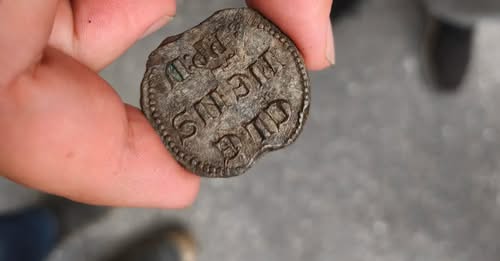
The seal emerged from a dark medieval deposit that accumulated over several centuries. It was not found inside a building or archive, making it difficult to determine where the associated document was originally kept.
Tammet believes the object may have reached the courtyard with waste or soil transported from Tallinn’s Old Town. Excavated earth and refuse were often moved outside densely occupied areas and deposited elsewhere.
The seal may once have belonged to a document sent to a church, monastery, civic institution or influential resident of medieval Tallinn. At some point, the parchment disappeared and the lead attachment was discarded or carried away with other material.
Issued during a turning point in papal history
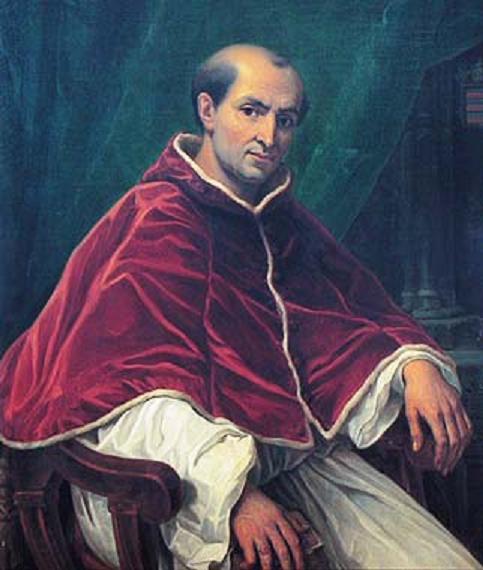
Clement V was a French-born pope whose reign marked the beginning of a major change in the medieval Church. In 1309, the papal court moved to Avignon, beginning a period in which seven successive popes governed from the French city.
He is also remembered for formally dissolving the Knights Templar in 1312 under pressure from King Philip IV of France.
There is no evidence linking the Tallinn seal to either event. Its importance lies instead in its survival as a rare archaeological trace of papal correspondence reaching the eastern Baltic more than 700 years ago.