-
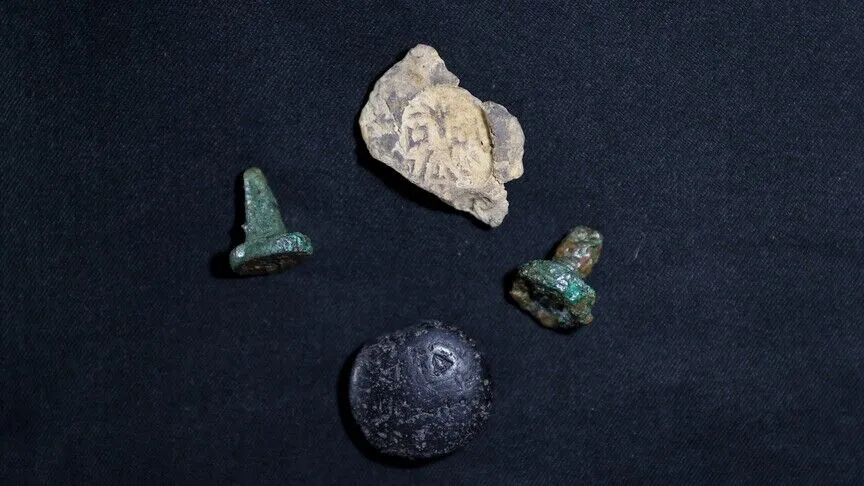
3,500-Year-Old Luwian Seal Names a Bronze Age Official at Türkmen Karahöyük
A stone seal discovered at Türkmen Karahöyük in central Türkiye preserves the name and title of an official called Kurunti-ziti, offering new evidence for an organized administrative system on the Konya Plain during the Late Bronze Age. Most Bronze Age administrators vanished without leaving their names behind. Their documents decayed, their offices disappeared and the…
-
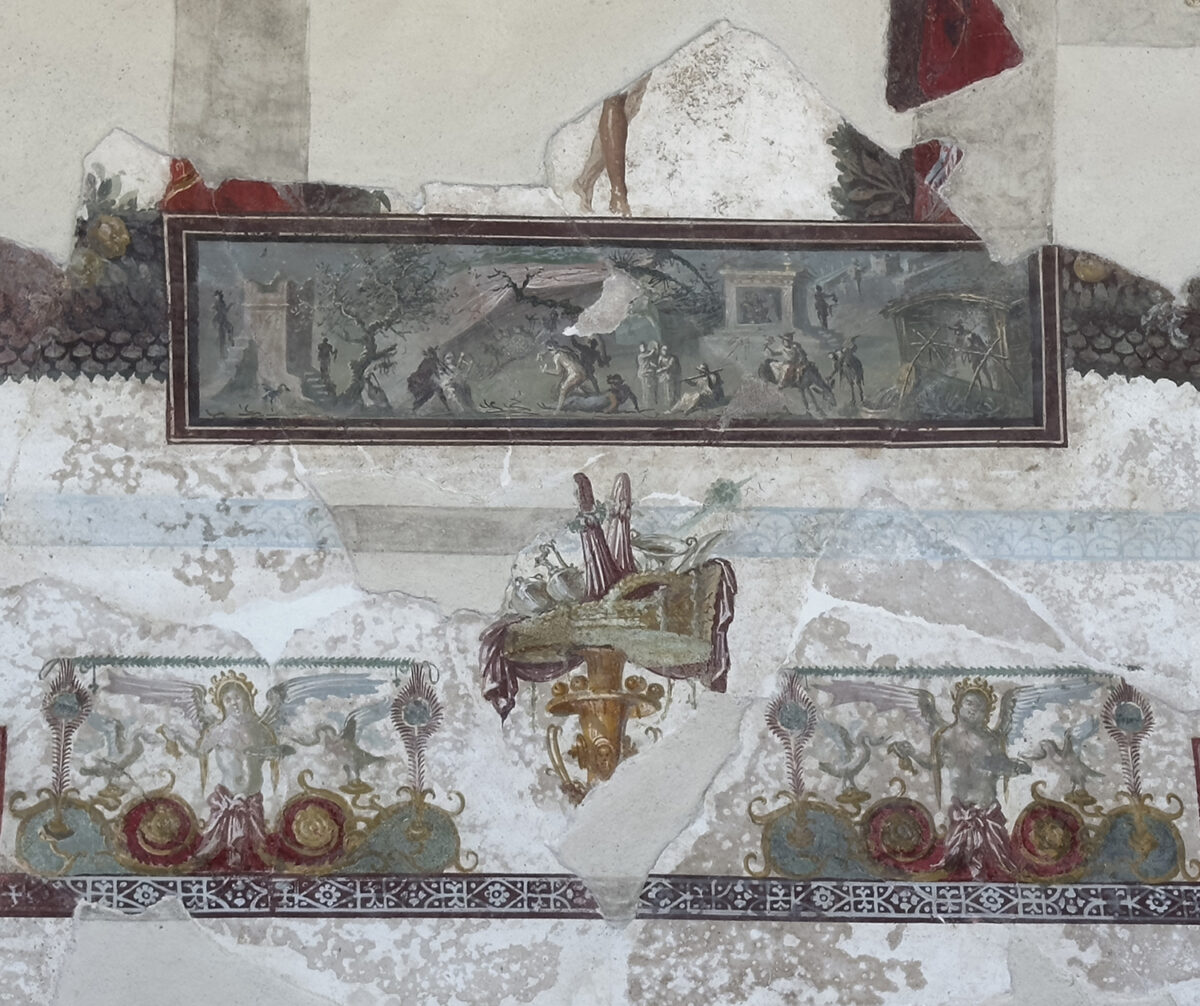
Pompeii’s Lost Ceiling Reveals Dionysus and Ariadne Above an Ancient Banquet Hall
A richly painted ceiling depicting Dionysus and Ariadne, once suspended above an upstairs banquet hall in Pompeii, has been partially reconstructed from hundreds of fragments recovered beneath the room’s collapse. The restored section comes from the House with the Bakery in Regio IX. Conservators have so far reassembled more than a quarter of the original…
-
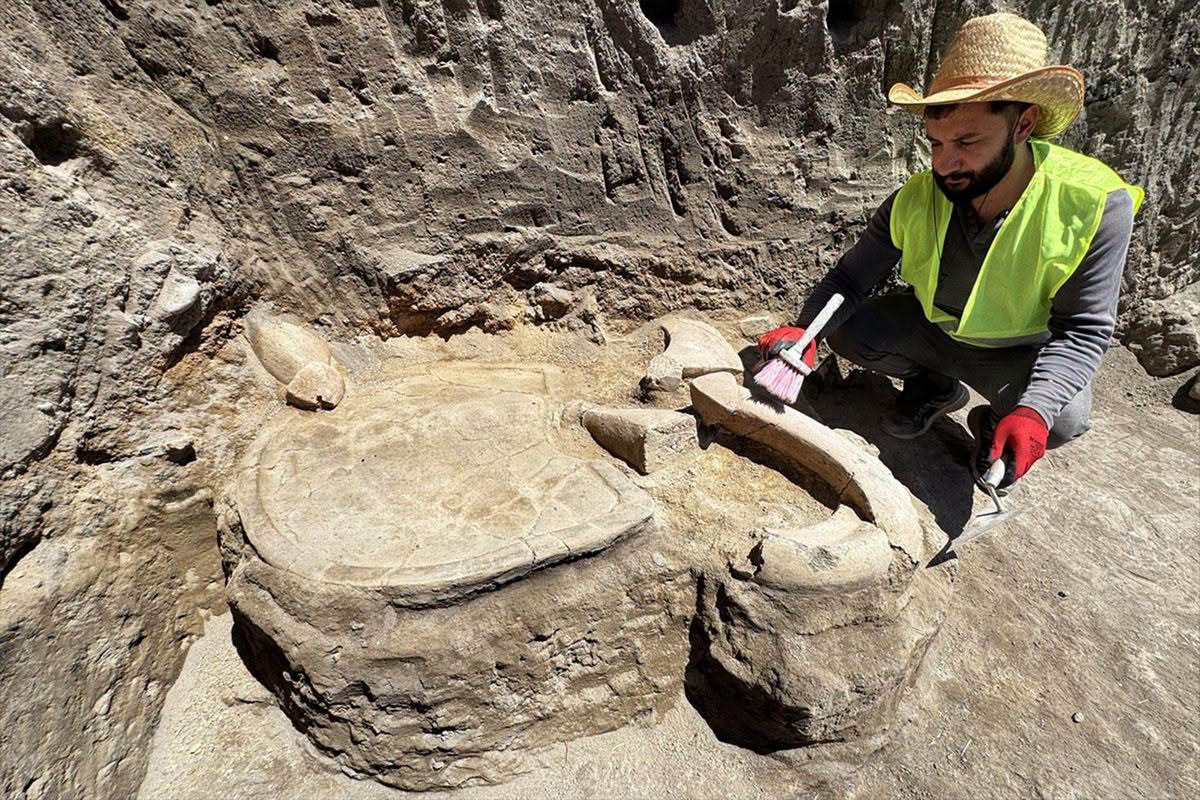
5,000-Year-Old Temple with Altars and Sacred Hearths Unearthed in Eastern Turkey
Archaeologists have uncovered a 5,000-year-old temple area containing two altars and three sacred hearths at Tadım Castle and Mound in eastern Turkey. The ritual complex, dated to around 3000 BC, was discovered during ongoing excavations in Tadım village, near Elazığ. Researchers believe the structures were used for religious ceremonies during the Bronze Age. The discovery…
-
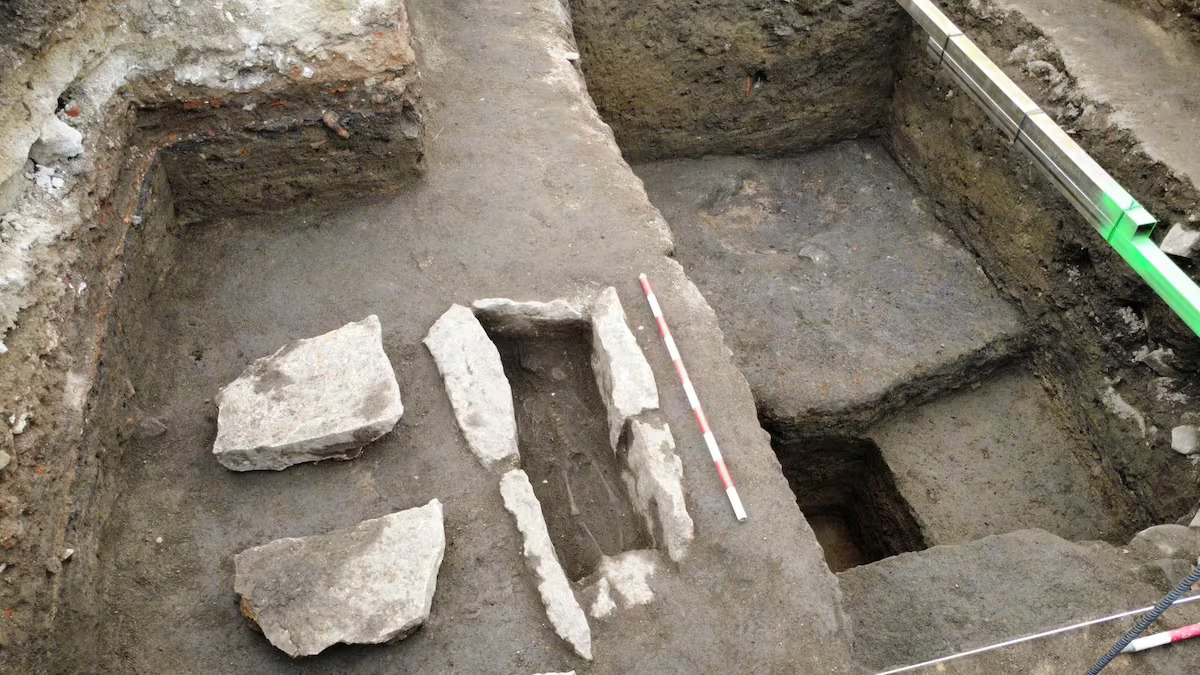
1,500-Year-Old Child Grave at Ávila’s Ancient Gate May Reflect a Protective Ritual
An intact grave containing the remains of a very young child has been uncovered directly outside one of the principal entrances to the historic city of Ávila in central Spain. The child, believed to have been approximately 18 months old, was buried alone and carefully aligned with the entrance now marked by the monumental San…
-
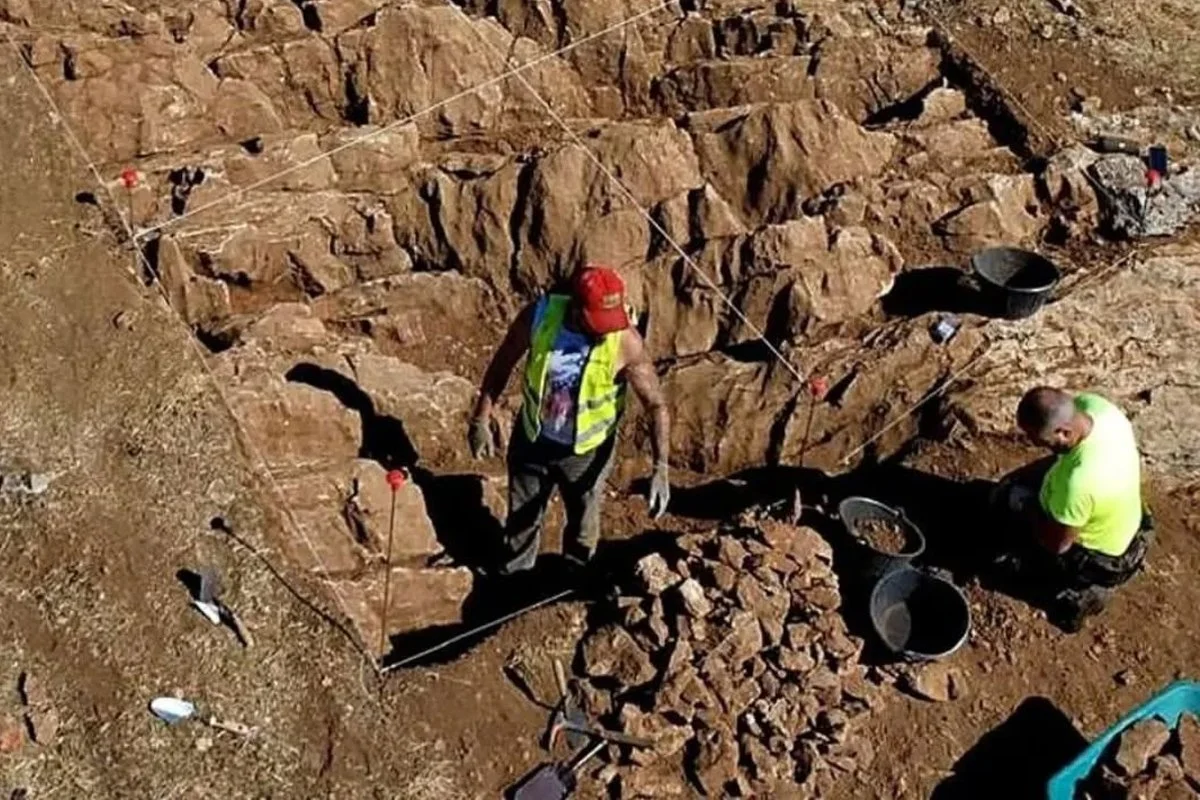
New Roman Military Camp Reveals the Vast Scale of a Cantabrian Wars Siege in Spain
Archaeologists have identified another Roman military camp around the Iron Age stronghold of La Loma in northern Spain, expanding a siege network that now includes seven known Roman positions. The newly documented installation, designated Site F, suggests that the Roman army deployed between 12,000 and 18,000 soldiers during the assault. The revised estimate places La…
-
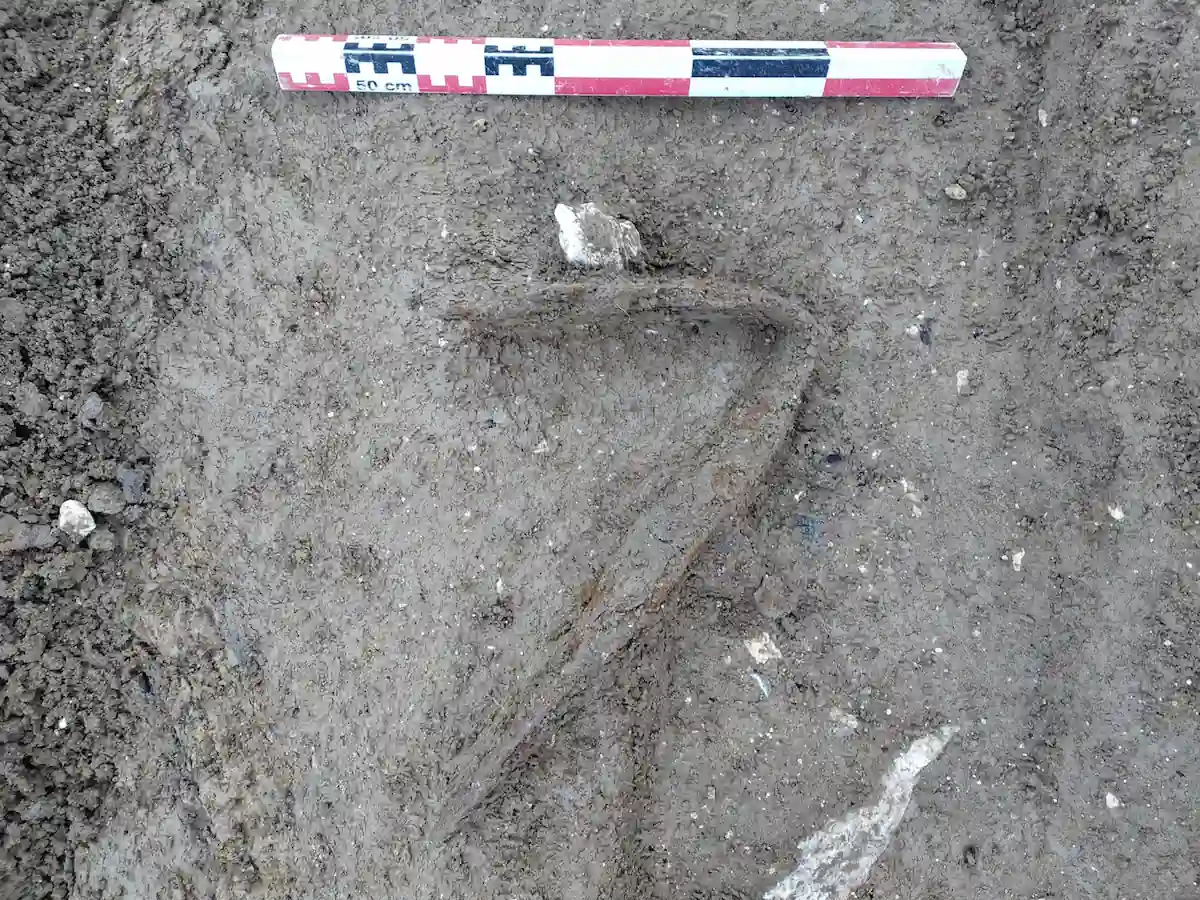
Broken Sword and Horse Butchery Reveal an Unusual 2,100-Year-Old Gallic Settlement in France
Archaeologists investigating a late Iron Age settlement in central France have uncovered a deliberately damaged sword, an enigmatic limestone statue and evidence that horses were butchered for meat on an unusually large scale. The discoveries were made at Le Désert in Mettray, just north of Tours. The enclosed rural settlement dates to the La Tène…
-
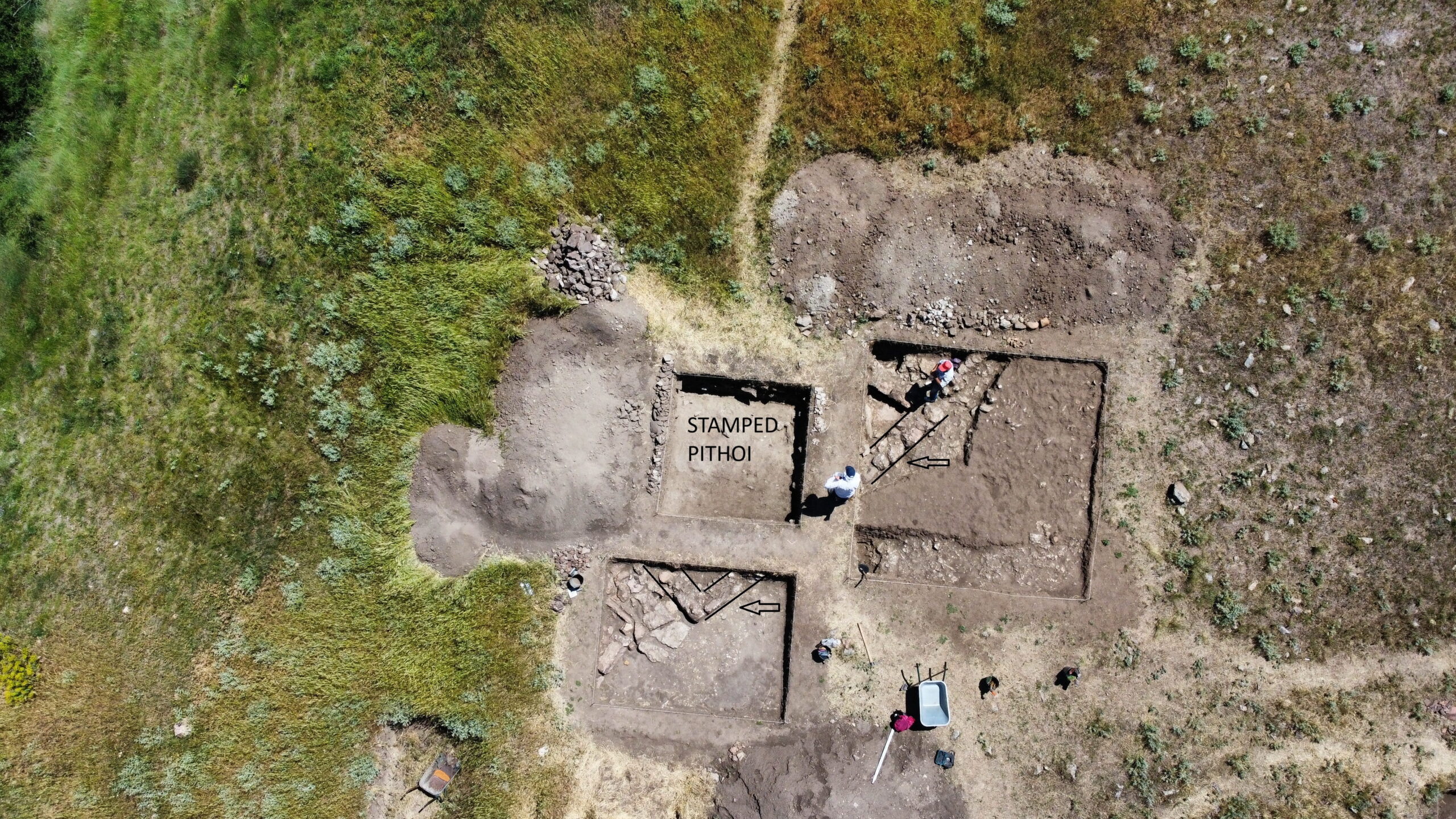
Rare Hellenistic Ritual Complex Unearthed in North Macedonia
Archaeologists excavating the ancient settlement of Gradište in North Macedonia have uncovered a Hellenistic ritual complex where offerings, libations and ceremonial feasts may have taken place more than 2,300 years ago. The discoveries were made on the Lower Terrace of the hilltop settlement near Mlado Nagoričane. According to information provided to Arkeonews by project director…
-
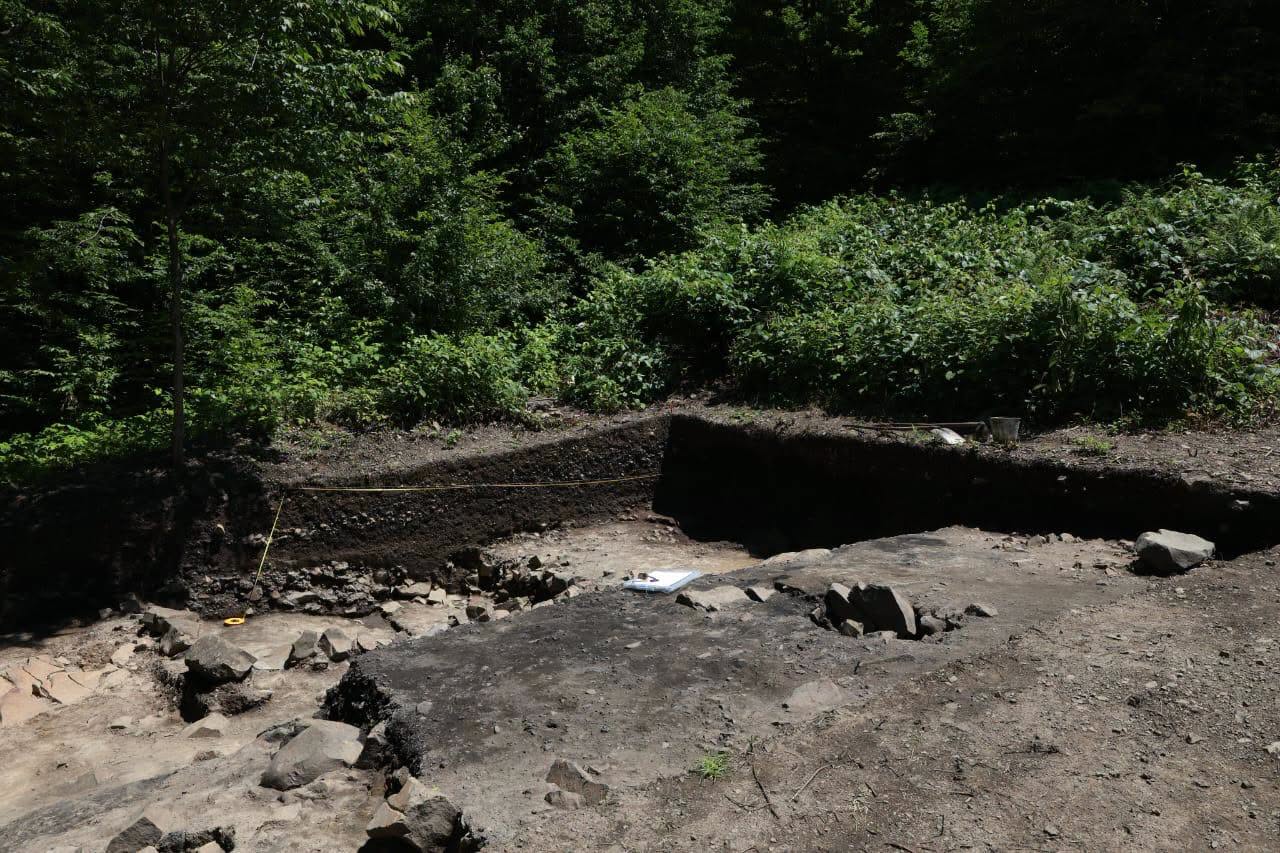
3,000-Year-Old Copper-Smelting Complex in Georgia Is the Largest Found in Ancient Colchis
Archaeologists working in western Georgia have uncovered a 3,000-year-old metallurgical complex described as the largest Bronze Age copper workshop yet discovered in the ancient region of Colchis. The site lies near the village of Doghurashi in Tsageri Municipality, within the mountainous district of Lechkhumi. Laboratory analysis conducted at the University of Oxford dates the complex…
-
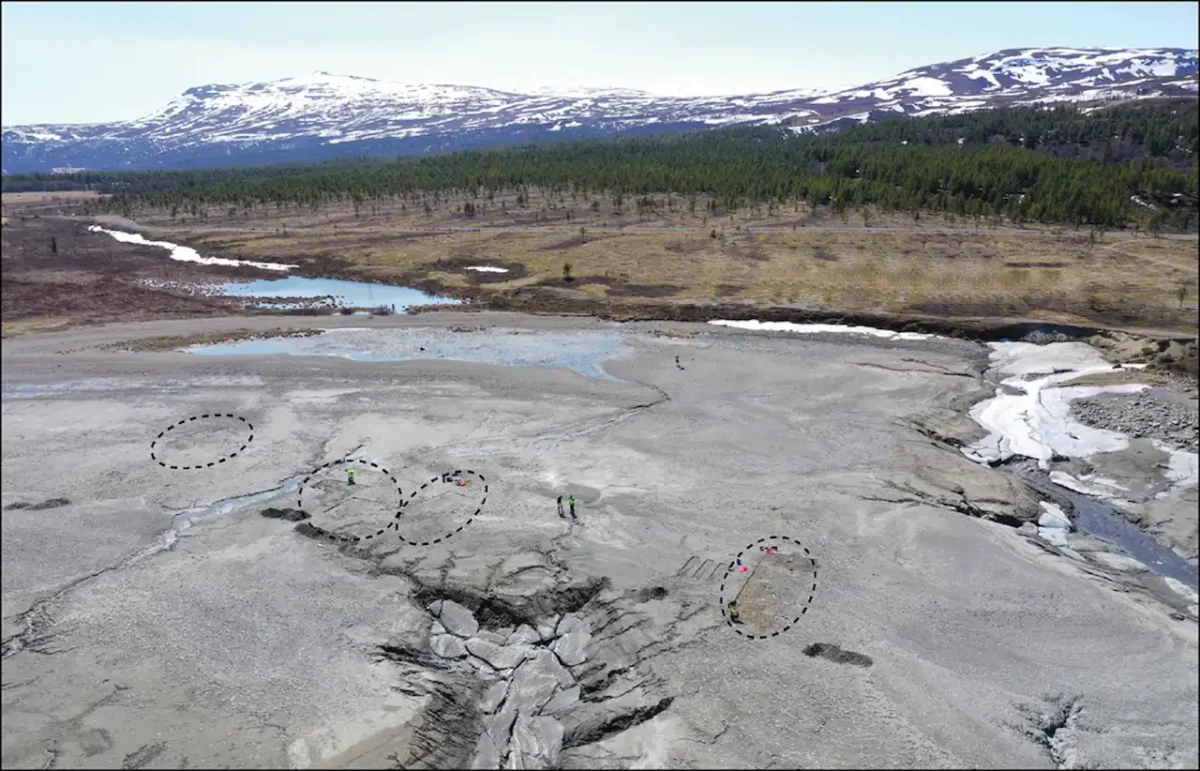
7,000-Year-Old Fish Traps Reveal Hunter-Gatherers Stocked Norway’s Mountain Lakes
Wooden fish traps discovered in a mountain lake in southern Norway have revealed that Mesolithic hunter-gatherers deliberately introduced brown trout into waters the fish could not have reached naturally. Radiocarbon dating places the earliest traps at around 5000 BC, making them direct evidence that communities in prehistoric Scandinavia were actively managing aquatic resources thousands of…