-
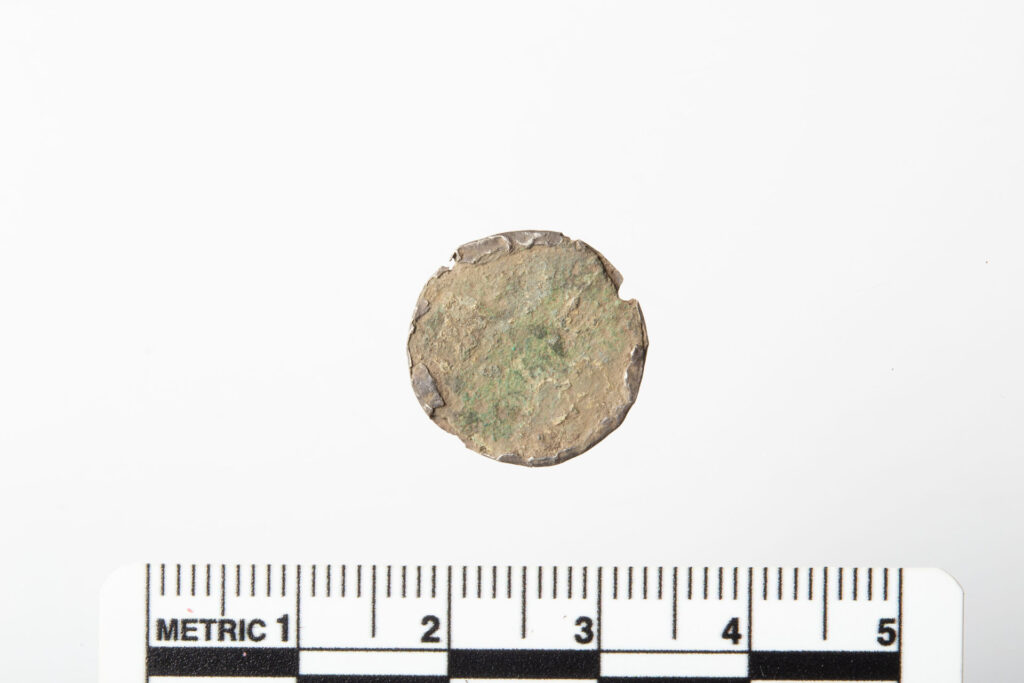
A “Button” from a Norwegian Field Turns Out to Be a Coin of the Last Viking King
A small object pulled from a field near Utstein Abbey in southwestern Norway looked so ordinary that it was first placed among buttons and other uncertain metal finds. Months later, a closer look revealed that the “button” was actually a medieval silver coin minted under Magnus Barefoot, the Norwegian ruler often described as the last…
-
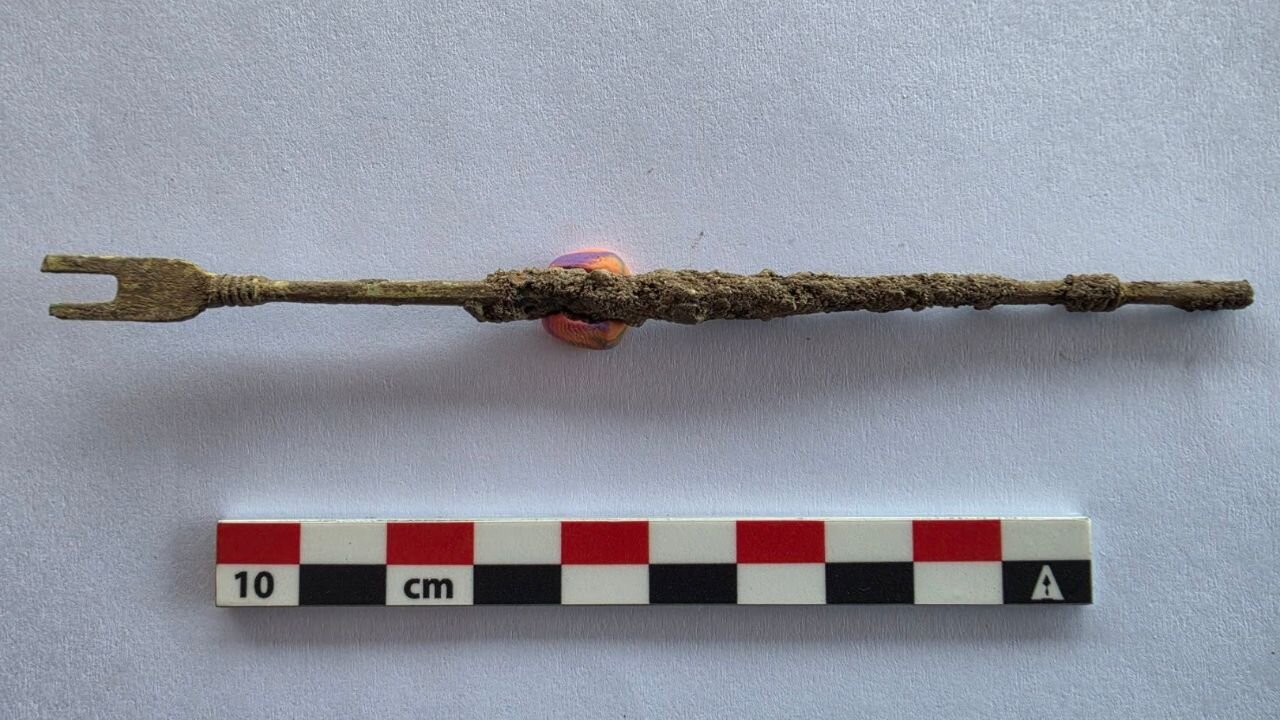
Rare Roman Surgical Tool for Bladder Stone Surgery Found Beside Temple of Hercules in Bulgaria
Archaeologists excavating the ancient city of Heraclea Sintica in southwestern Bulgaria have uncovered an exceptionally rare Roman-era surgical instrument used to remove bladder stones — a small bronze object linked to one of the most painful and risky operations known in ancient medicine. The instrument was found in a room adjoining the Temple of Heracles,…
-
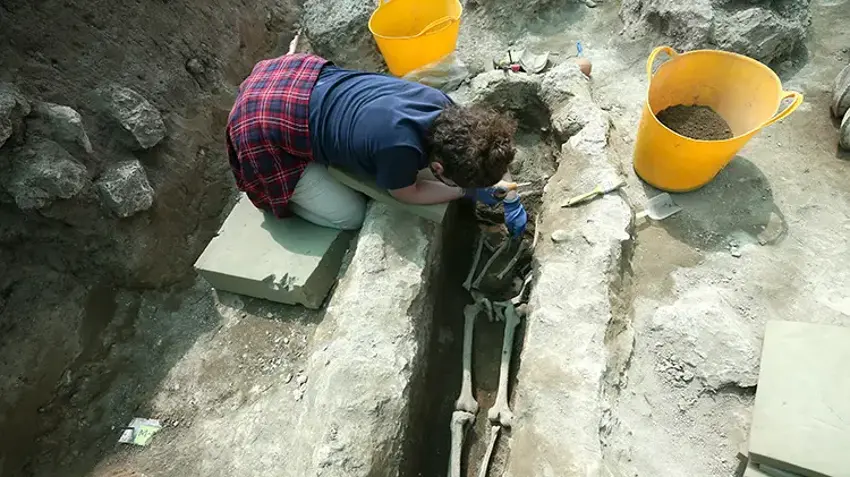
Medieval Graves in Malazgirt May Hold Clues to the Aftermath of the 1071 Seljuk-Byzantine Battle
The 1071 Battle of Malazgirt was fought between the Seljuk army of Sultan Alp Arslan and the Byzantine forces of Emperor Romanos IV Diogenes for control of eastern Anatolia. The Seljuk victory did not transform the region overnight, but it weakened Byzantine authority in the east and became one of the defining turning points in…
-
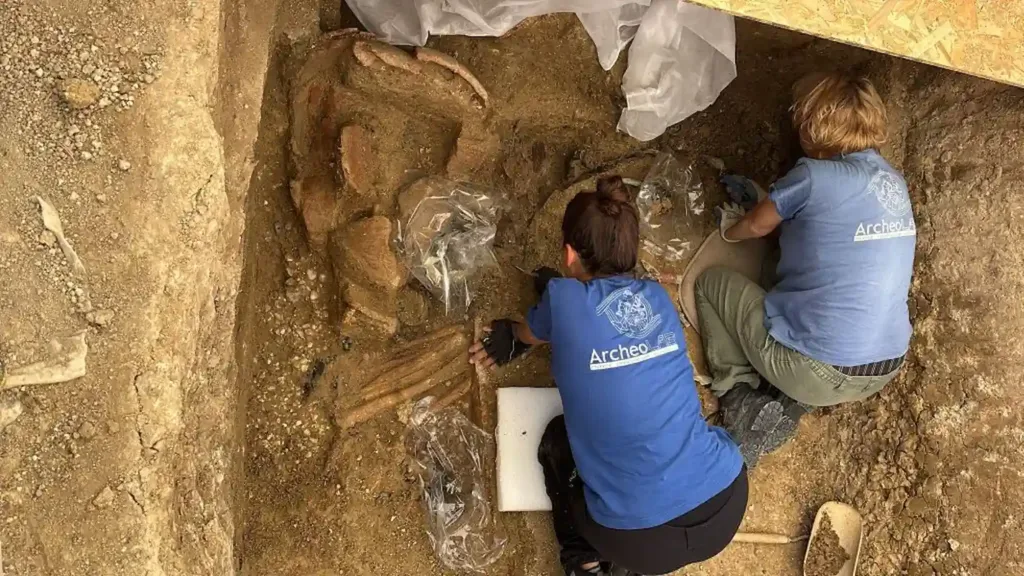
2,600-Year-Old Picene Chariot Tomb with Sealed Bronze Vessels Found near Sirolo
Archaeologists near Sirolo, on Italy’s central Adriatic coast, have uncovered a 6th-century BC Picene funerary complex centered on a high-status male burial with a two-wheeled chariot, weapons, and large bronze vessels still sealed with ceramic lids. The discovery was announced by the Soprintendenza Archeologia, Belle Arti e Paesaggio for Ancona and Pesaro-Urbino, following preventive archaeology…
-
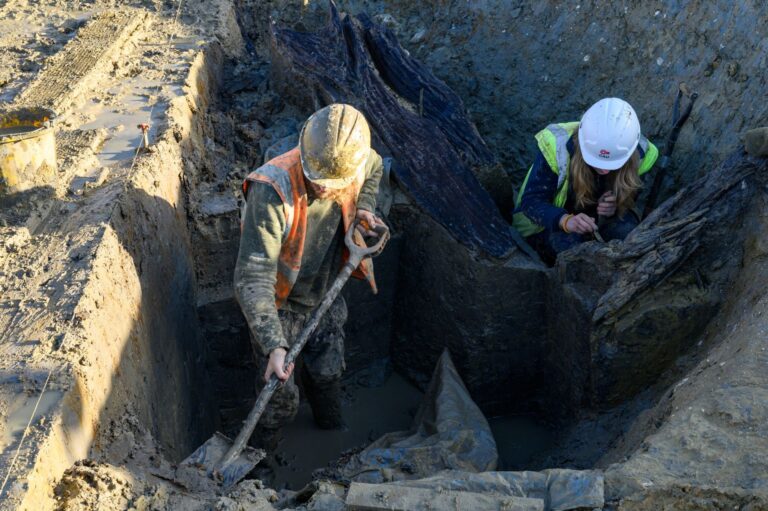
Rare Late Iron Age Ladder Discovered in Cambridgeshire Is Britain’s Longest Known Log Ladder
Archaeologists working at West Cambourne in Cambridgeshire, England, have uncovered a rare late Iron Age wooden ladder preserved in a large watering hole. The surviving length of the log ladder measures more than 3 metres, making it, according to Cambridge Archaeological Unit, the longest example of its kind currently known from Britain. The find was…
-
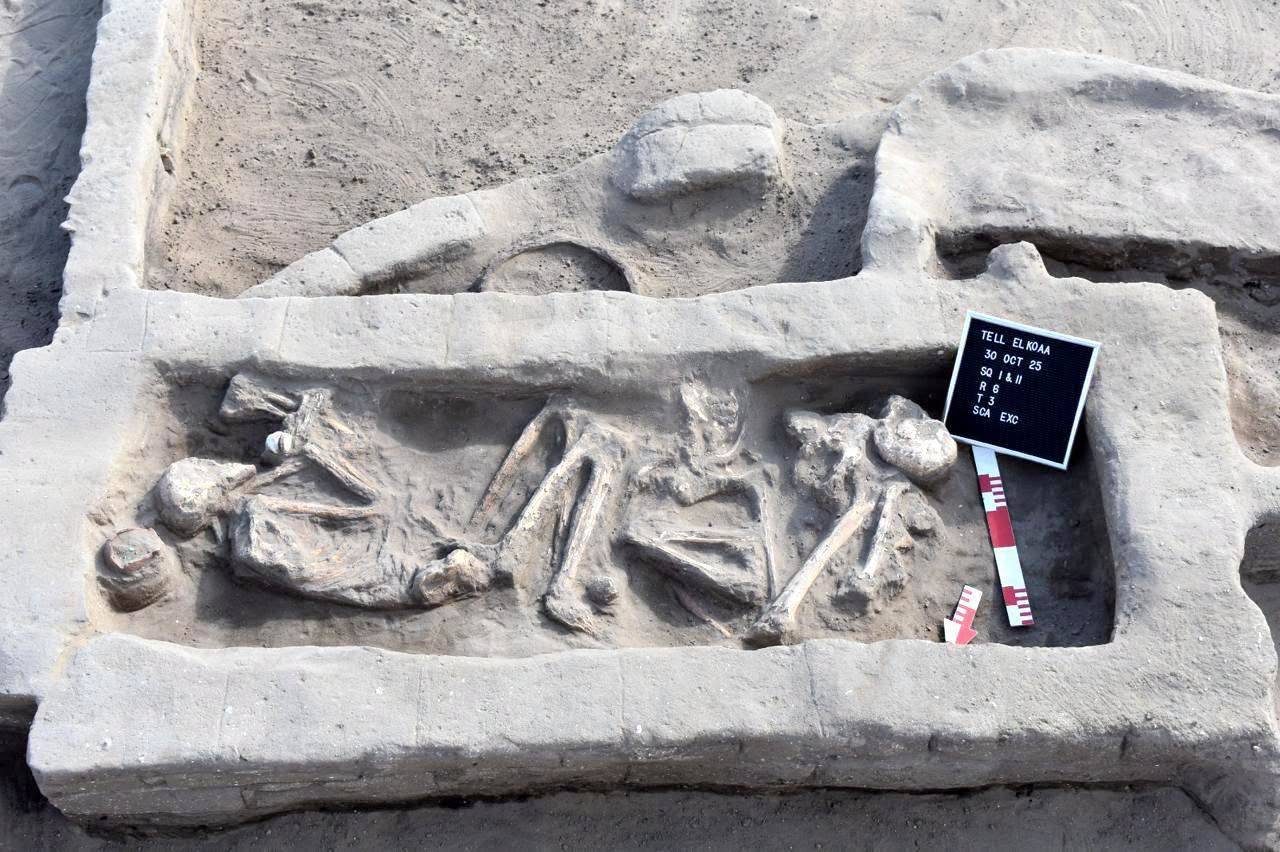
Hyksos-Era Settlement with Tombs, Kilns and Scarabs Unearthed in Egypt’s Ismailia
Egyptian archaeologists have uncovered a Hyksos-era settlement and cemetery complex at Tell el-Koa in Ismailia, adding new evidence for how communities lived, worked and buried their dead in the eastern Nile Delta during the Second Intermediate Period. The discovery was made by an Egyptian archaeological mission working in the Wadi Tumilat area, a natural corridor…
-
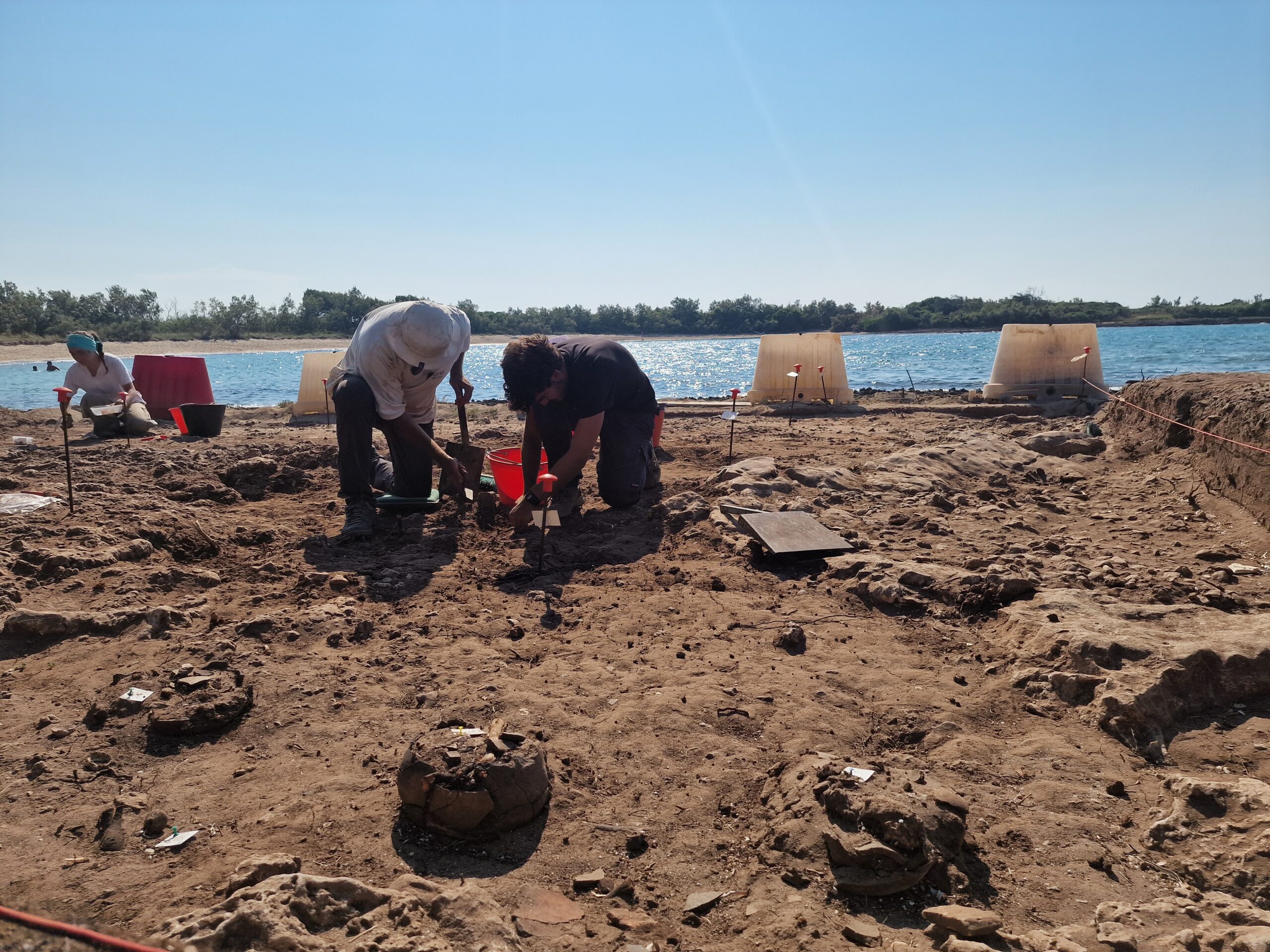
3,200-Year-Old Cremation Cemetery in Italy Reveals an Adriatic Bronze Age Community
Beneath the sand of Torre Guaceto, on Italy’s Adriatic coast, archaeologists are uncovering a cemetery where the dead were burned, gathered into ceramic urns, and buried with care more than 3,000 years ago. The 2026 excavation season has added 23 new cremation graves to the site, bringing the total number of burials found in the…
-
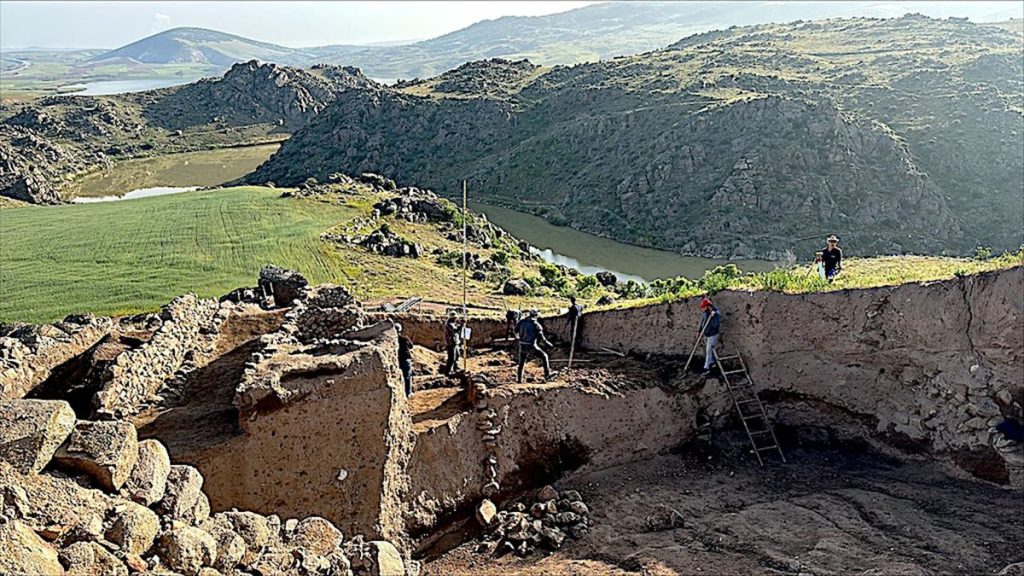
An Animal-Figured Seal at Büklükale May Belong to an Early Hittite Tradition
A handled stamp seal with two animal figures has been found at Büklükale, the multi-layered archaeological site near the Kızılırmak River in central Türkiye. The object was uncovered during excavations in Karakeçili district of Kırıkkale province, where a team from the Japanese Institute of Anatolian Archaeology has been working under the direction of Assoc. Prof.…
-
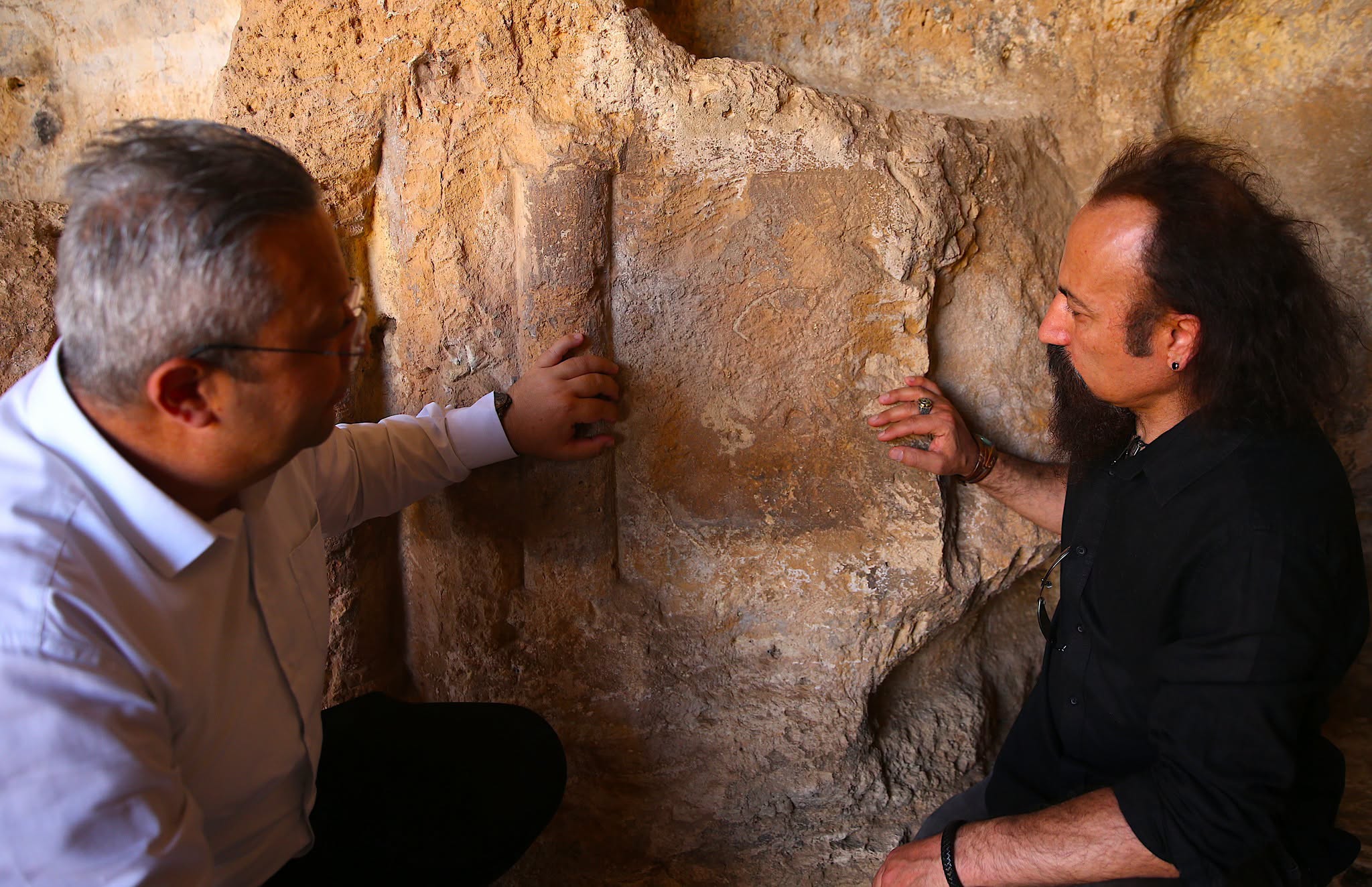
A Cross Sealed a Mithras Temple in Türkiye 1,700 Years Ago
At Zerzevan Castle in Diyarbakır, researchers say a newly deciphered inscription at the entrance of an underground Mithras temple shows that the sanctuary was sealed by Christians about 1,700 years ago. The text, examined through Aramaic and Syriac epigraphy, suggests that the temple was not merely abandoned. Its sacred authority was formally brought to an…