-

6,000-Year-Old Megalithic Burial Mounds in Serra do Laboreiro Reveal Why Prehistoric Builders Chose High Ground
High in the mountains of northern Portugal, a new study on megalithic burial mounds in Serra do Laboreiro is revealing why prehistoric communities consistently chose elevated terrain for their monuments—challenging long-held assumptions about visibility, territory, and landscape use. Stretching along the natural border between Portugal and Galicia in Spain, Serra do Laboreiro preserves hundreds of…
-
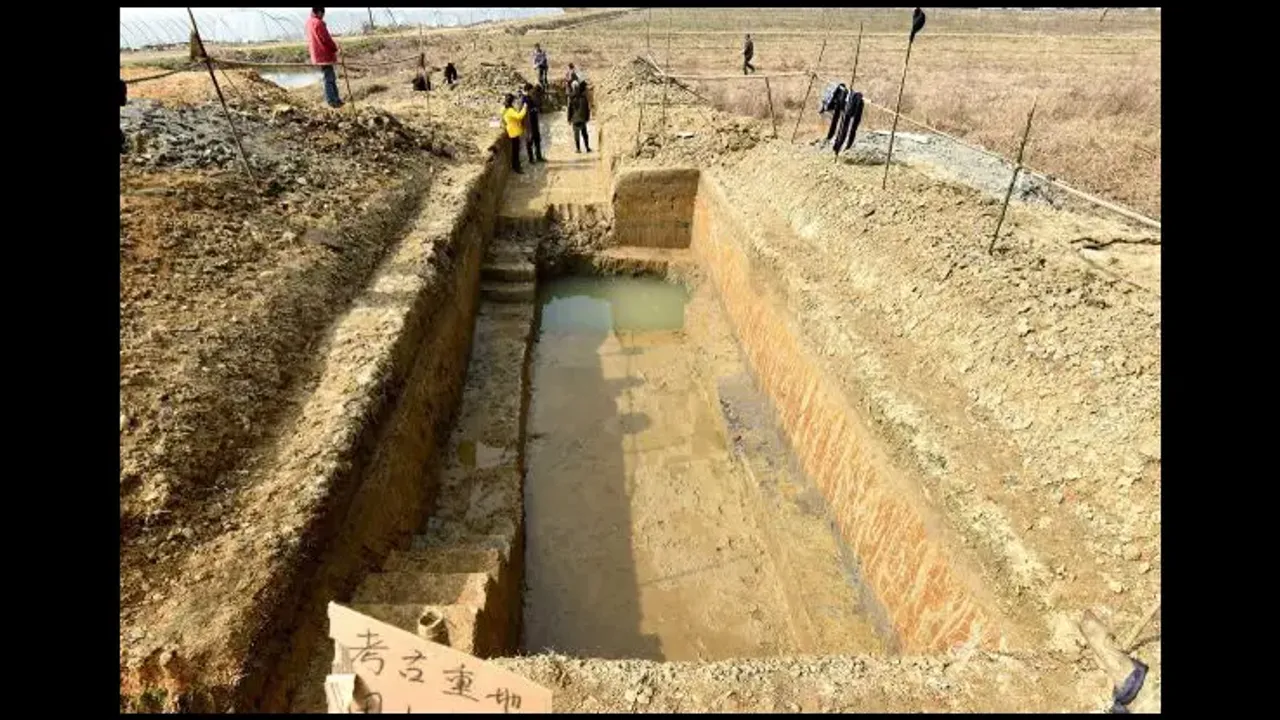
4,000-Year-Old Water System Discovered in China Reveals Sophisticated Urban Planning in the Xia Dynasty
A 4,000-year-old water system discovered in central China is offering one of the clearest pieces of evidence yet that the Xia Dynasty was not a loosely organized early society, but rather a highly coordinated and engineered state with the capacity to design and control its environment on a large scale. Unearthed at the Wangchenggang site…
-
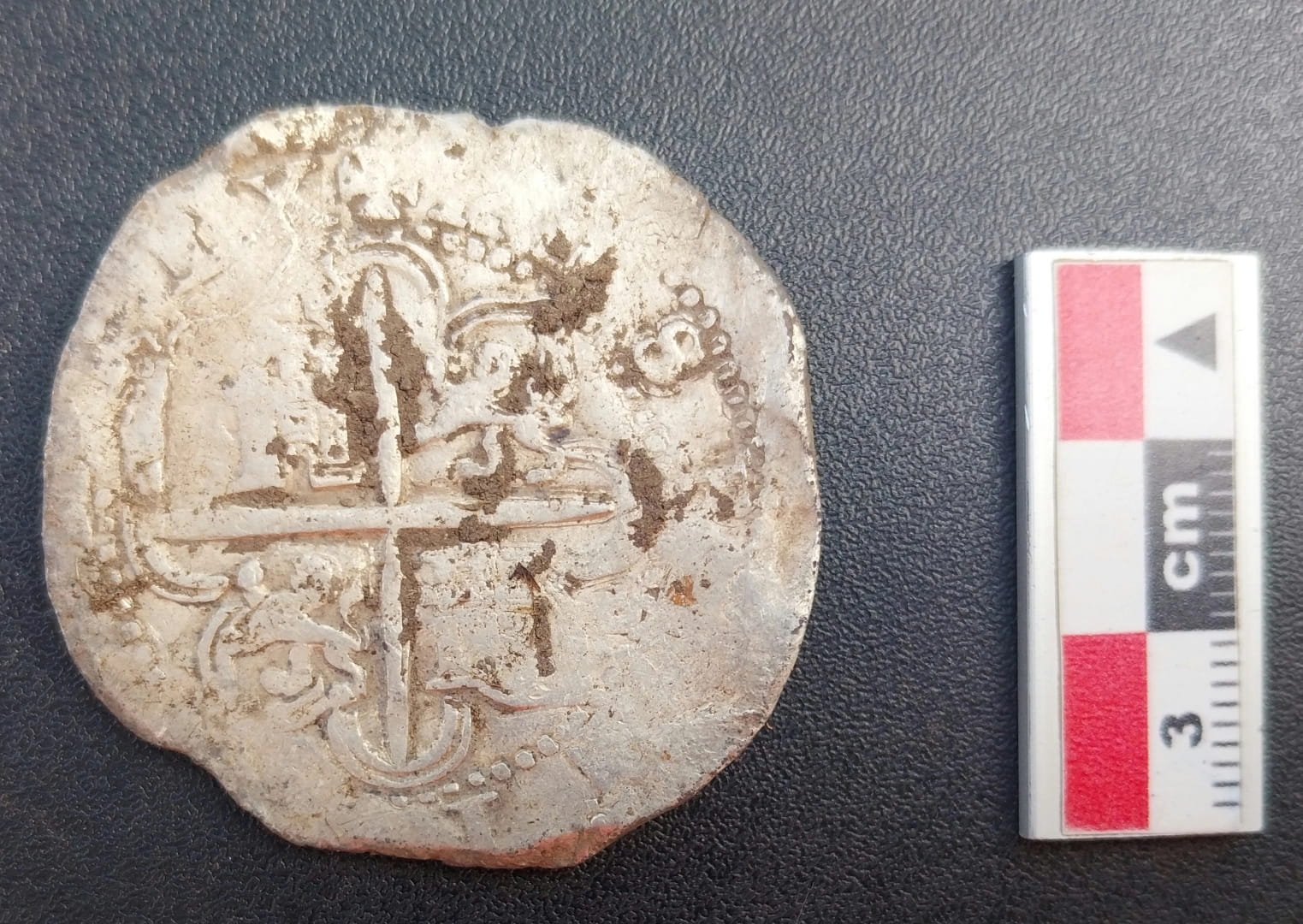
Spanish Silver Coin Found in Chile Pinpoints Lost 1584 Colony and Its Founding Ceremony
A silver coin buried more than four centuries ago has revealed the precise location of a failed Spanish colony at the Strait of Magellan, transforming a 16th-century written account into a verifiable archaeological reality. The coin, a Spanish “real de a ocho,” was uncovered during excavations at Ciudad del Rey Don Felipe near modern Punta…
-

1,300-Year-Old Ship Burial Discovered in Norway Pushes Viking Age Origins Back by a Century
A 1,300-year-old ship burial discovered in Norway is pushing the origins of the Viking Age back by nearly a century, offering new evidence that complex maritime traditions were already in place long before the Viking world began to expand across Europe. A Burial Once Thought to Be Legend The burial lies within Herlaugshaugen, one of…
-

Ancient City of Cuicuilco Aligned with the Equinox, Study Reveals Early Solar Urban Planning
At sunrise near the spring equinox, the sun rises directly in line with a prominent hill on the eastern horizon of Cuicuilco—an alignment that may not be accidental. A new study suggests this ancient Mexican city was deliberately designed to follow the movement of the sun, pointing to an early form of astronomical urban planning.…
-
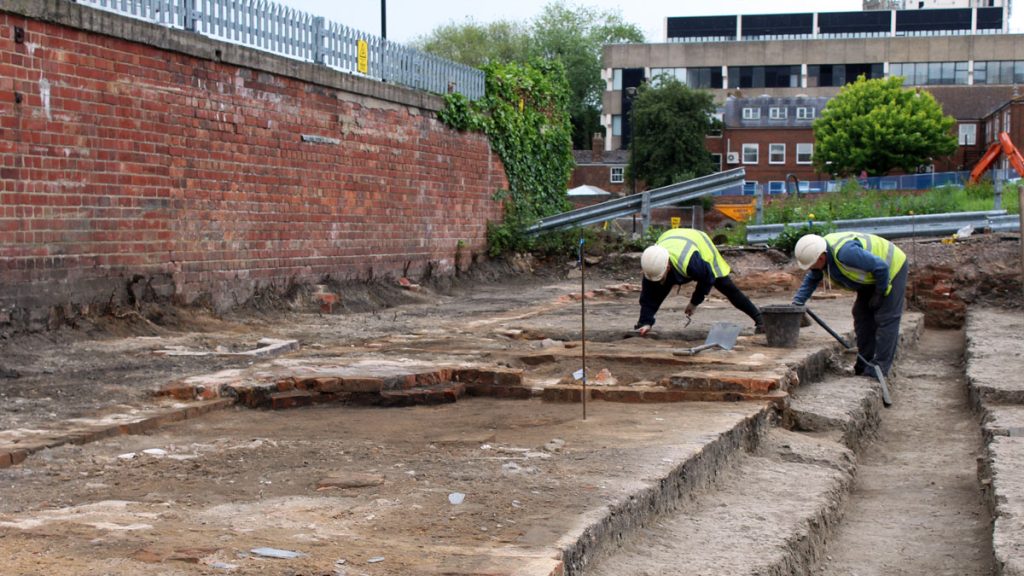
Roman Pinecone Hairpin Found in Britain Carried a Hidden Symbol of Fertility and Power
A Roman pinecone hairpin discovered in Britain is revealing how a simple personal object could carry powerful symbols of fertility and belief in the Roman world. A small bone object uncovered during recent excavations in Britain is now offering a rare, almost personal glimpse into how people in the Roman world expressed belief, identity, and…
-
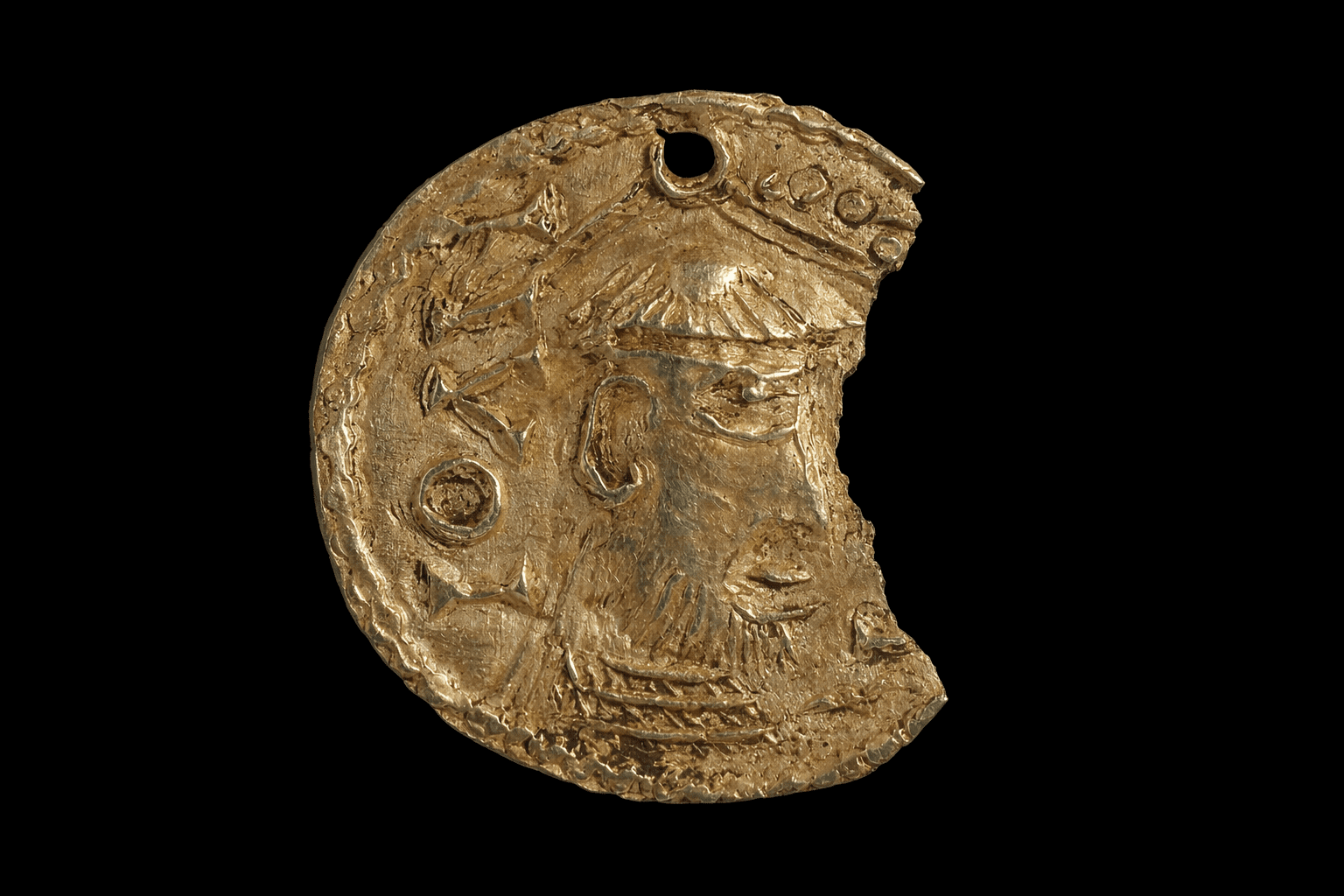
Gold Pendant Found in England Does Not Fit the Viking Age and Depicts John the Baptist
A small gold pendant discovered in eastern England is forcing historians to confront an unexpected contradiction. The object, dated to the 9th century, belongs to a period when Vikings controlled much of the region. Yet it clearly depicts a central figure of Christianity: John the Baptist. That combination should not exist within the same historical…
-

2,400-Year-Old Iron Workshop Discovered in Senegal Reveals Long-Lost African Metallurgy Tradition
A 2,400-year-old iron workshop in Senegal is forcing archaeologists to rethink how and where iron technology developed in the ancient world. Excavated in the Falémé River Valley, the site reveals not a short-lived experiment, but a remarkably stable production system that operated for nearly 800 years. The discovery, led by researchers from the University of…
-
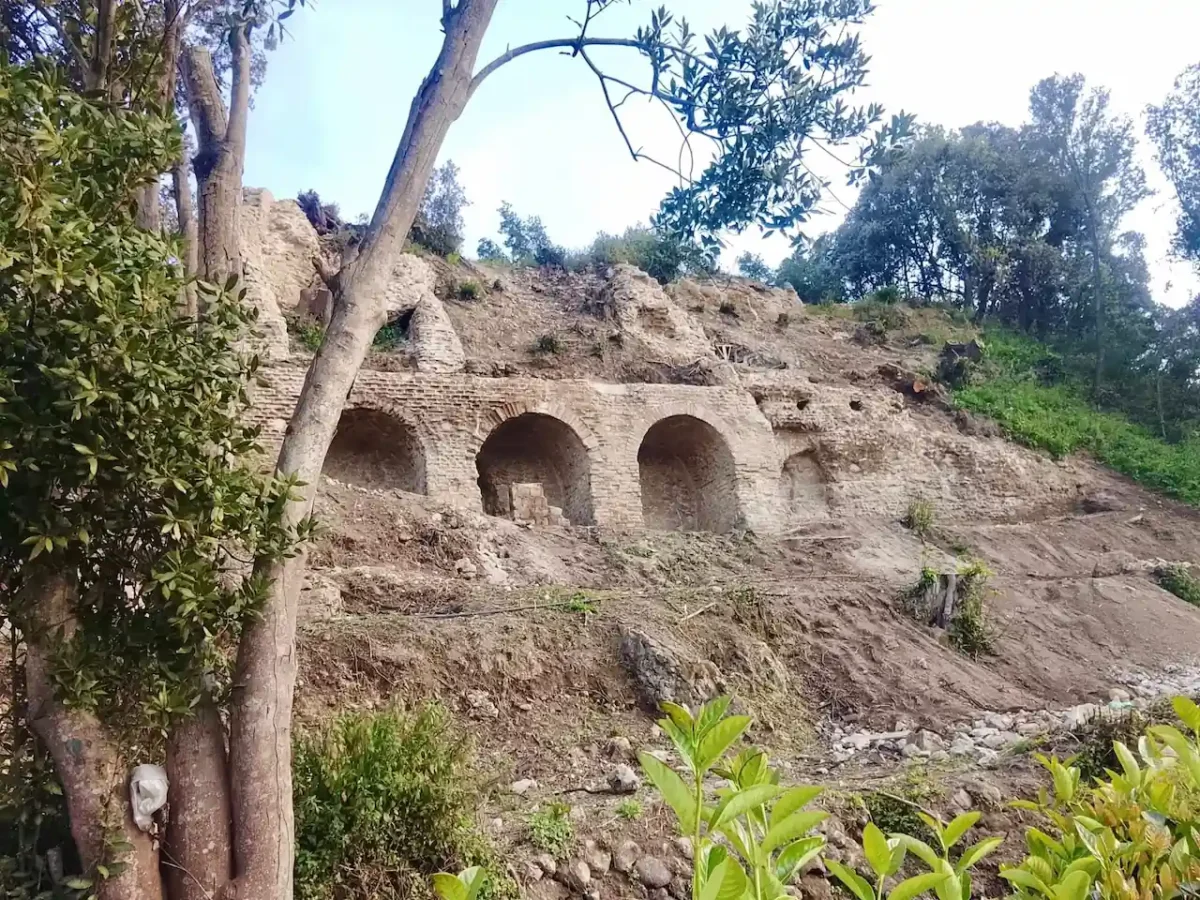
Roman Villa Linked to Cicero’s Son-in-Law Discovered on Former Camorra Property in Baiae
A confiscated mafia property on Italy’s southern coast has revealed something no one expected: the remains of a vast Roman seaside villa, buried beneath layers of modern construction and long-hidden from public view. The discovery was made in Bacoli, near Naples, where archaeologists have brought to light a monumental maritime villa in ancient Baiae, one…