-
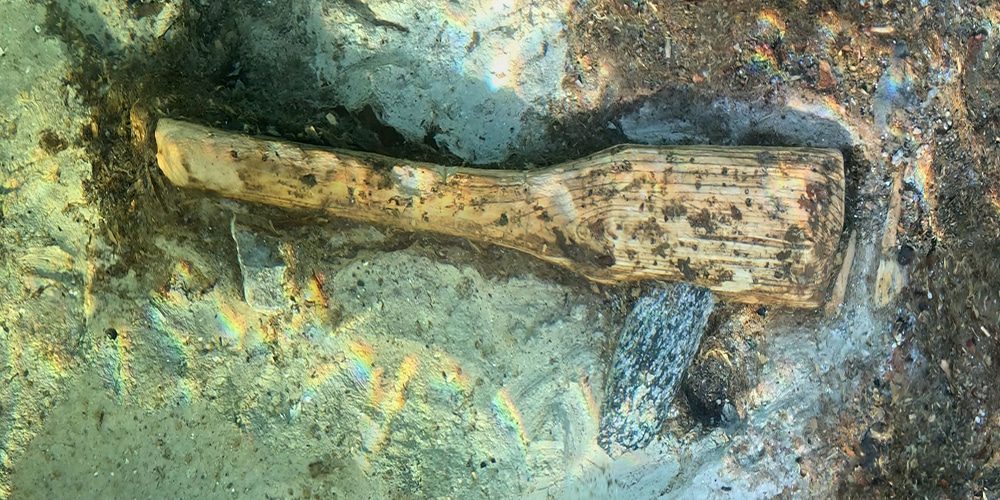
Rare 4,800-Year-Old Neolithic Axe Discovered in Lake Constance, Switzerland
A rare 4,800-year-old Neolithic axe discovered in Lake Constance, Switzerland is offering new insight into prehistoric craftsmanship and lakeside life in Central Europe. Recovered during controlled underwater excavations in Steckborn harbor, the tool stands out not only for its completeness, but for the unusually clear picture it provides of material choices and local resource use…
-
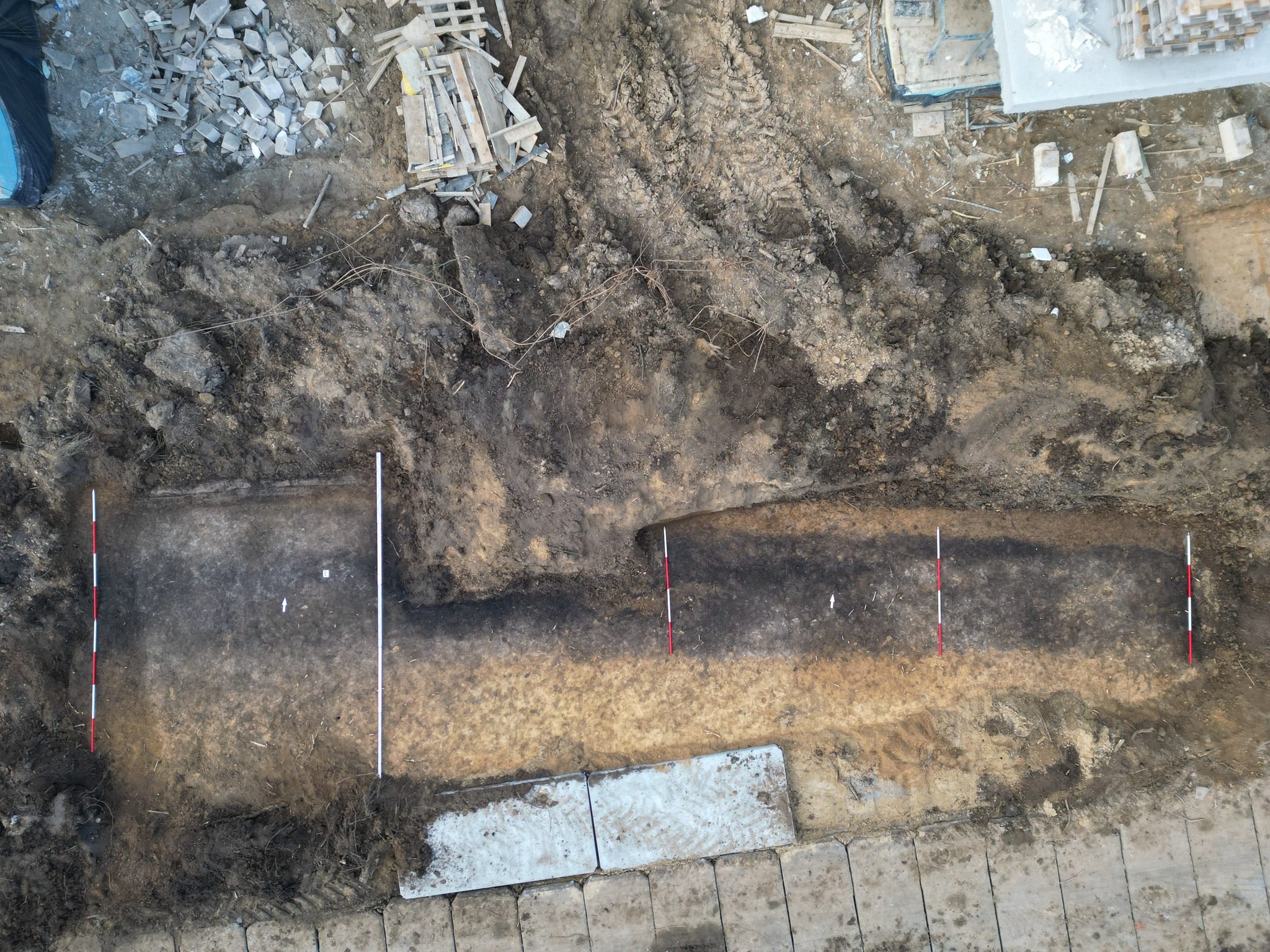
6,000-Year-Old Wooden Megalithic Tomb Discovered in Poland During Housing Project
A 6,000-year-old wooden megalithic tomb discovered in Lublin, Poland, during a housing project is offering rare insight into prehistoric burial traditions in Central Europe. What began as routine groundwork has revealed an unexpected structure tied to one of the region’s earliest farming communities. According to a statement by the Lublin Voivodeship Conservator of Monuments, based…
-
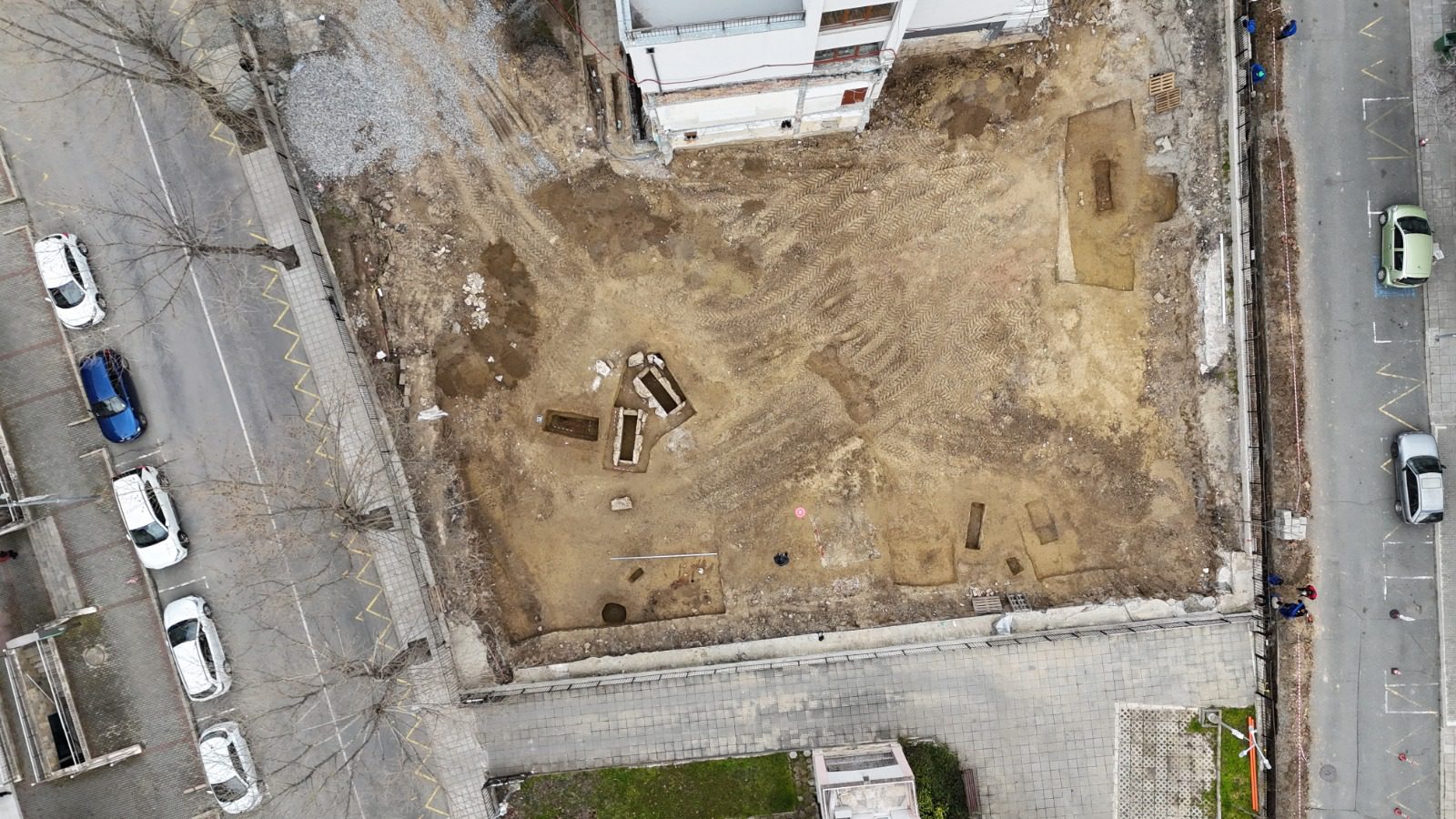
Hellenistic Tombs Unearthed in Bulgaria Reveal Rare Burial Pit and Gilded Bronze Wreath
A stretch of Bulgaria’s Black Sea coast has quietly revealed a remarkable chapter of ancient life—and death. Archaeologists working in Nessebar have uncovered a group of Hellenistic tombs dating to the 3rd–2nd centuries B.C., including an unusual stepped burial pit containing a finely crafted gilded bronze wreath. The discovery was made within the necropolis of…
-

Archaeologists Unearth 6,000 Years of Human History in Chechnya—from Ritual Altars to Bronze Age Metal Workshops
A vast archaeological investigation in southern Russia has revealed an unexpectedly dense landscape of human activity stretching back more than 6,000 years—uncovering ritual spaces, early settlements, metal workshops, and hundreds of burials that reshape what we know about the North Caucasus. Conducted ahead of the construction of the Novogrozny–Serzhen-Yurt gas pipeline, the excavation—led by the…
-

Second Crusader Sword Discovered Off Israel Coast Five Years After First Find
Five years after uncovering a barnacle-covered Crusader sword off the coast of Israel, diver Shlomi Katzin has returned to nearly the same location—and found another. The new find is already drawing attention from archaeologists, not just for its rarity, but for what it suggests about medieval activity along the region’s shoreline. A Chance Encounter Turns…
-
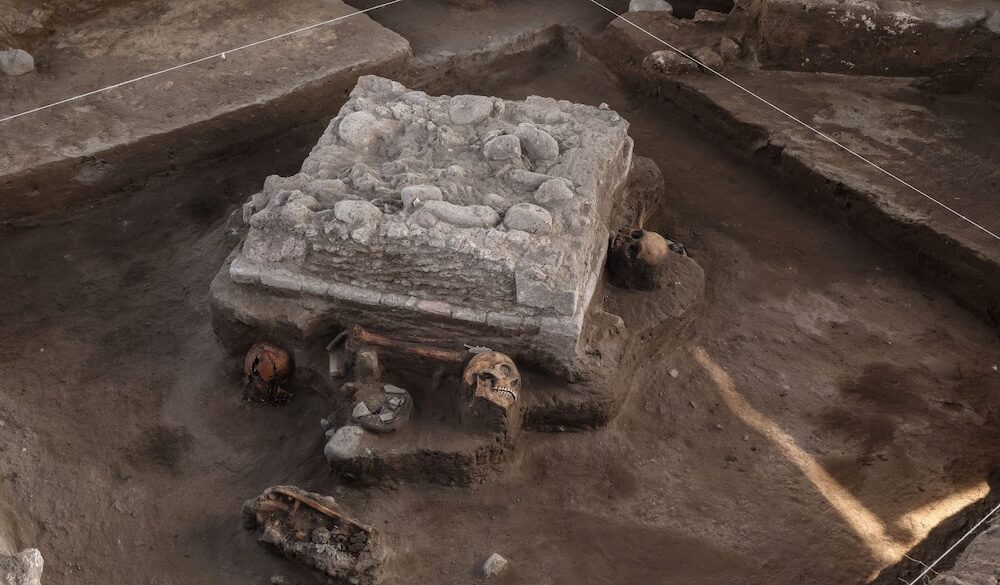
Ancient Toltec Altar With Human Remains Discovered Near Tula Ruins in Mexico
Archaeologists working near the ancient city of Tula in central Mexico have uncovered a Toltec ceremonial altar surrounded by human remains and ritual offerings, shedding new light on the religious life and urban layout of one of Mesoamerica’s most influential civilizations. The discovery emerged during salvage excavations linked to the construction of the Mexico City–Querétaro…
-
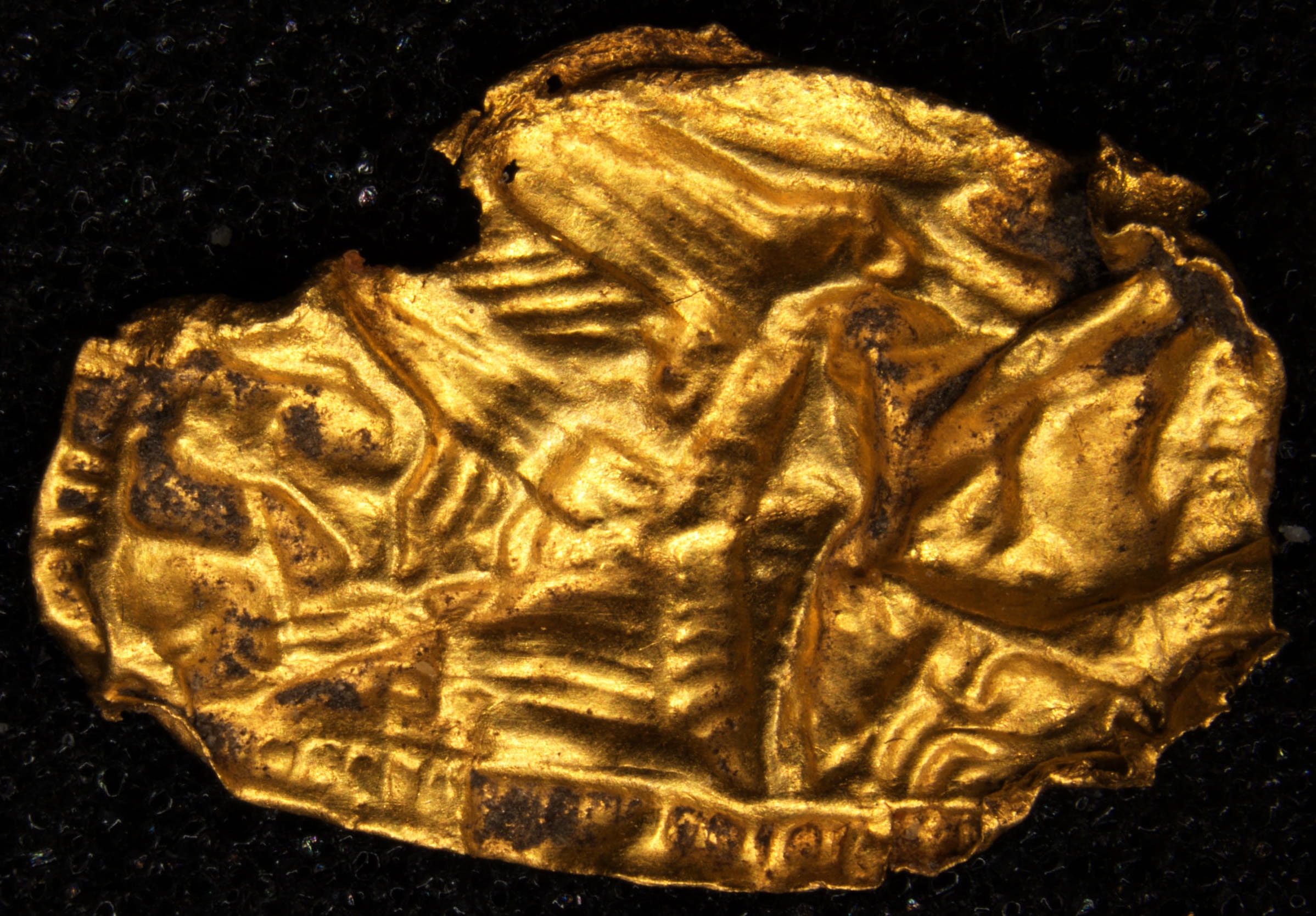
Rare Nordic Iron Age “Gold Man” Found in Norway After 127 Years
In southwestern Norway, a metal detectorist has uncovered a rare gullgubbe—a delicate gold foil stamped with the image of a man and a woman—dating to the Nordic Iron Age (c. 550–793 A.D.). Despite measuring just 1 centimeter in length, the object may offer critical clues about a forgotten ceremonial landscape. A Rare Find in Rogaland…
-
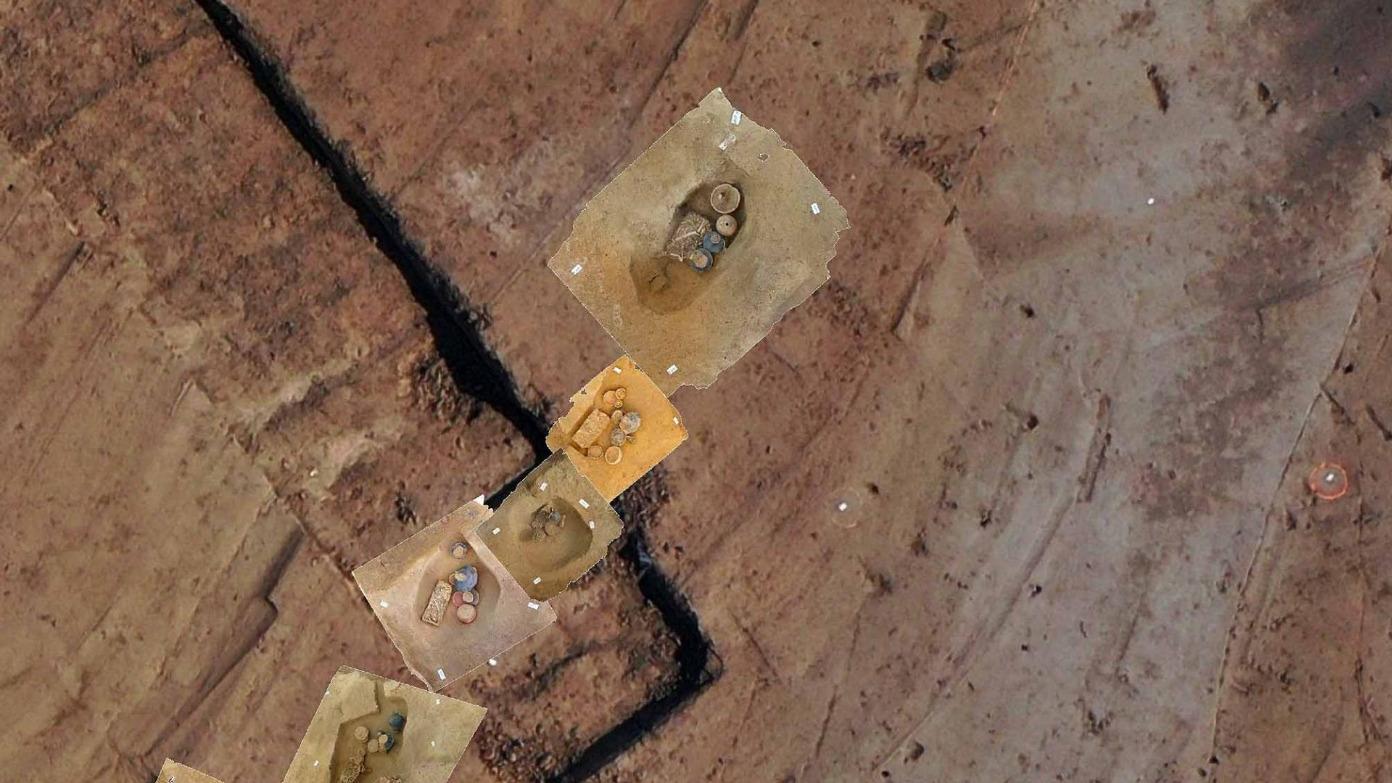
2,000-Year-Old Child’s Grave in France Reveals Terracotta Figurine of Embracing Couple
A small grave, easily overlooked among hundreds of archaeological features in northern France, has yielded one of the most quietly powerful discoveries of recent years: a terracotta figurine depicting a couple locked in an embrace, placed beside the cremated remains of a very young child. The burial, dated to the 1st century AD, was uncovered…
-
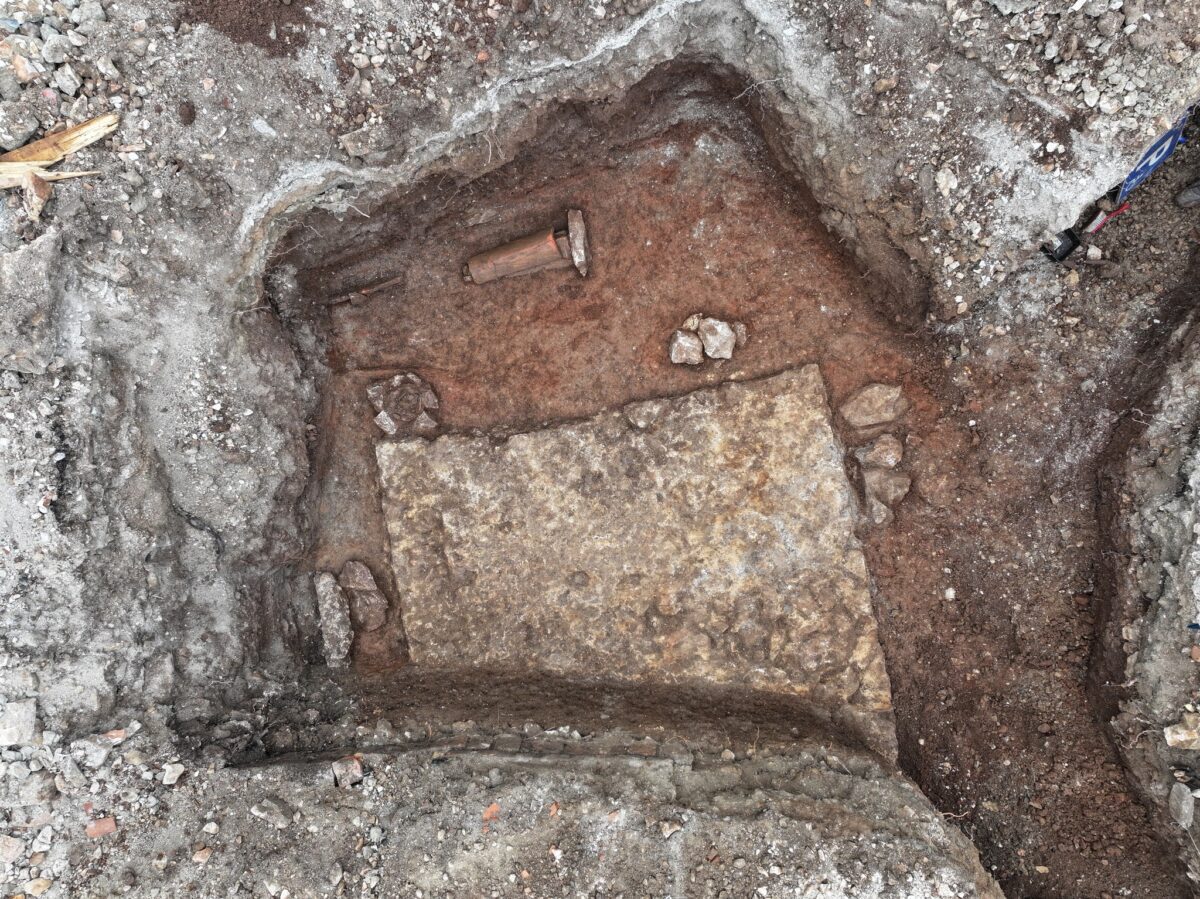
5 Centuries Beneath Zadar: Massive Roman Necropolis of Iader Confirmed in Relja
Beneath the modern streets of Zadar, a quieter story has been unfolding—one shaped not by monuments, but by generations of the dead. New excavations in the Relja district now confirm the existence of a vast Roman necropolis used continuously for nearly five centuries, directly tied to the ancient city of Iader. This is not simply…