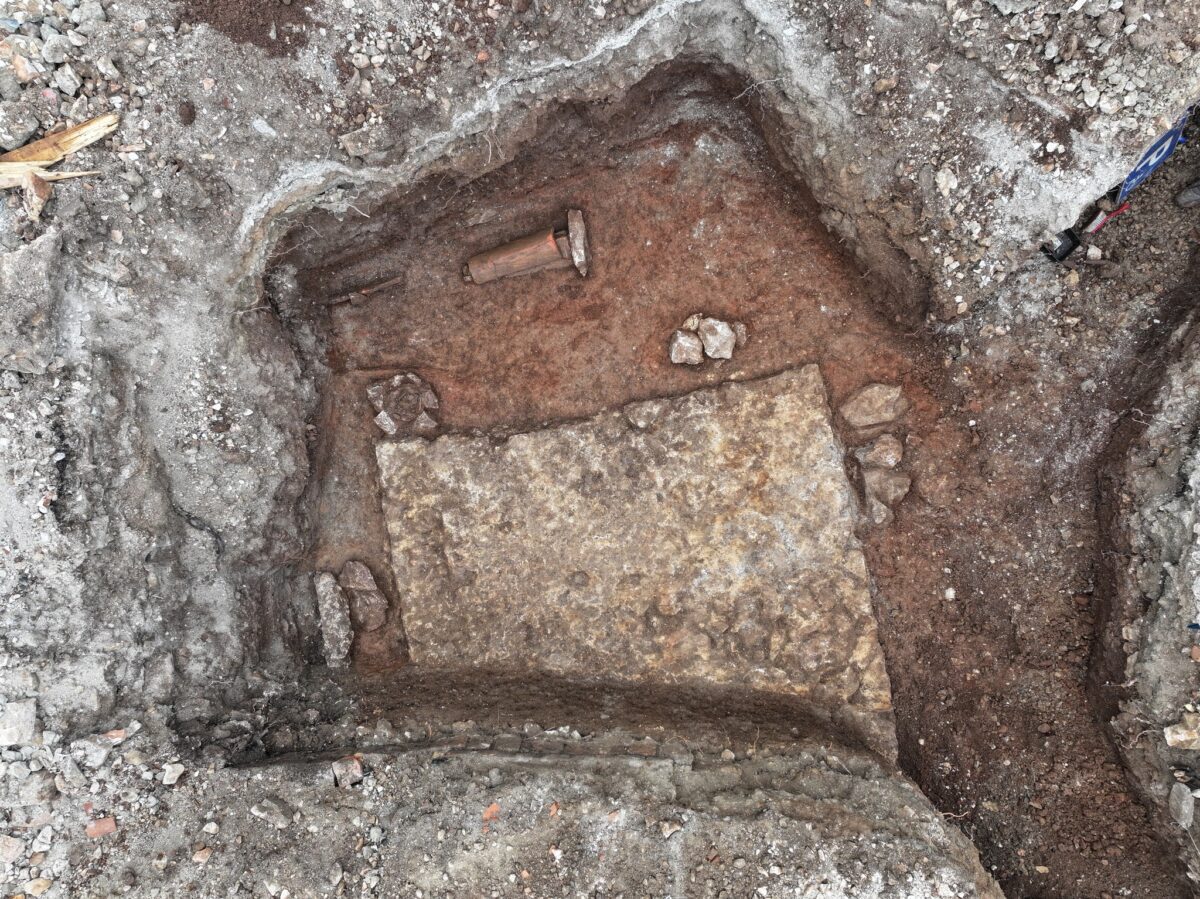
Beneath the modern streets of Zadar, a quieter story has been unfolding—one shaped not by monuments, but by generations of the dead. New excavations in the Relja district now confirm the existence of a vast Roman necropolis used continuously for nearly five centuries, directly tied to the ancient city of Iader.
This is not simply another burial site. It is a rare example of long-term spatial continuity in Roman funerary practice, offering a deeper understanding of how urban life—and death—remained structured over centuries along the Adriatic coast.
A Necropolis Used for 500 Years Without Interruption
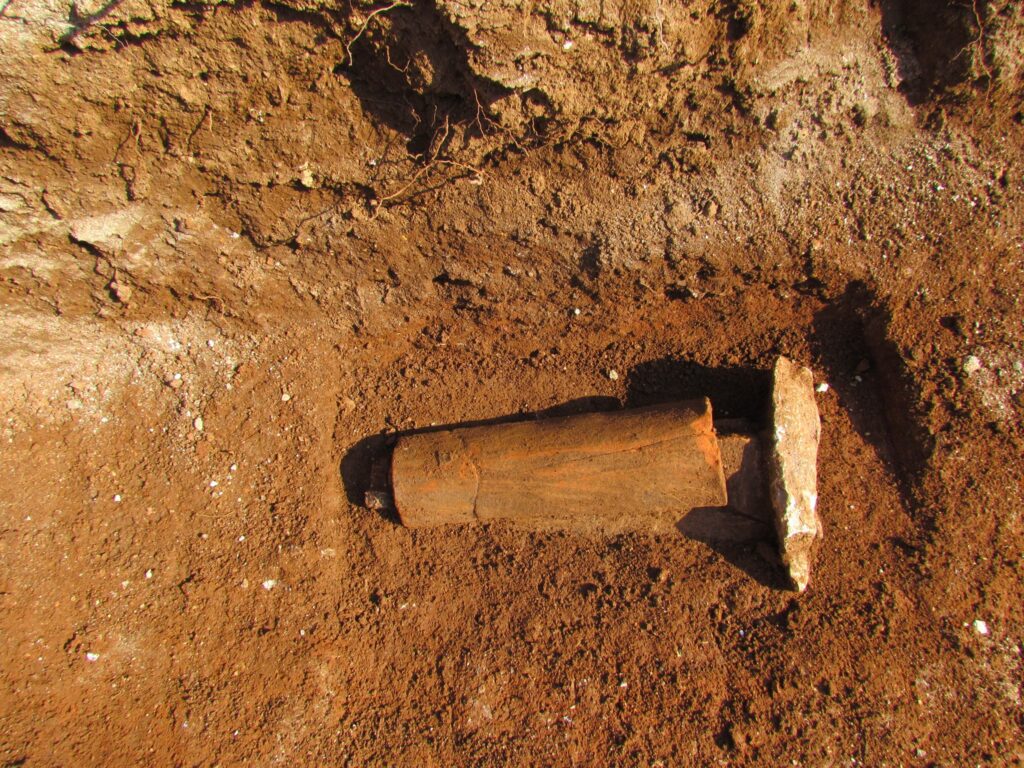
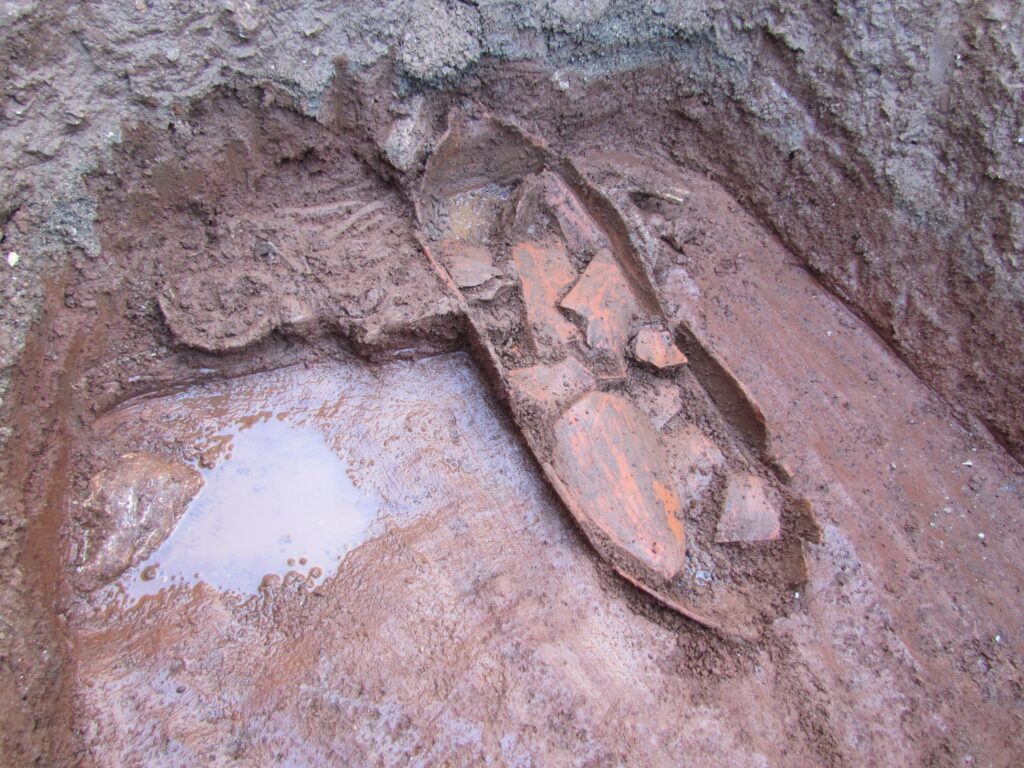
Recent excavations led by the University of Zadar at the former Croatian Automobile Club site have uncovered new burials, including ceramic and glass urns, as well as amphorae used as funerary containers.
These discoveries align with a much broader archaeological pattern. Across the Relja area, more than 3,000 graves have already been documented, forming one of the largest burial datasets in Roman Dalmatia.
What sets this site apart is its chronology.
The necropolis remained in use from the late 1st century BCE to the 5th century CE—a span of nearly 500 years. Instead of relocating burial grounds over time, the inhabitants of Iader repeatedly returned to the same funerary zone, creating a layered and continuous landscape of memory.
Built Outside the Walls—But Central to the City
The positioning of the necropolis follows Roman custom, but its scale reveals something more.
Roman law prohibited burials within city walls, pushing cemeteries to the outskirts—typically along major roads. The Relja necropolis developed along one of the main routes leading into Iader, turning this corridor into a highly visible funerary axis.
This was not accidental.
Burials placed along roads ensured that the dead remained part of daily life. Tombs were seen by travelers, merchants, and citizens, reinforcing status, identity, and collective memory.
The density of graves in this area suggests that Relja was not secondary—it was one of the primary burial zones of the city.
Hidden Beneath the Modern City
Today, this immense necropolis lies beneath shopping centers, residential blocks, and urban infrastructure.
Over more than a century of archaeological work, graves have been uncovered in scattered locations—each excavation expanding the known extent of the site. What is emerging is not a single cemetery, but a vast funerary landscape integrated into the urban fabric of ancient Iader.
Within this landscape, variation is key.
Differences in grave construction, burial types, and associated goods reveal clear social distinctions, from modest burials to more elaborate interments. These variations reflect wealth, status, and cultural influences across centuries of Roman rule.
Objects That Reflect Belief in the Afterlife
The graves frequently contain a rich collection of objects: ceramic vessels, glass containers, jewelry, oil lamps, and coins.
These items were not decorative—they were symbolic.
Oil lamps (lucernae) were likely meant to provide light in the afterlife. Coins are often associated with the ritual passage to the underworld. Everyday objects suggest a belief that life continued beyond death in a familiar form.
In some cases, amphorae were used as burial containers, pointing to variations in funerary treatment, possibly linked to age or local customs.
Together, these finds reveal a consistent worldview: death was not an end, but a transition.
Evidence of Trade and a Connected Adriatic City
One of the most striking aspects of the Relja necropolis is the diversity of materials found within the graves.
Many objects originate from different parts of the Mediterranean, indicating that Iader was deeply integrated into regional and long-distance trade networks.
As a coastal city, Zadar functioned as a strategic hub connecting maritime routes with inland territories of Roman Dalmatia. The imported goods found in burial contexts provide direct archaeological evidence of this connectivity.
Even in death, the population of Iader remained tied to a wider Roman world.
A Necropolis Still Not Fully Discovered
Despite decades of research, the full extent of the Relja necropolis remains unknown.
Each new excavation continues to reveal additional graves, suggesting that large portions of the site are still hidden beneath modern development. Archaeologists emphasize that ongoing work will be essential to fully understand the spatial organization of this funerary complex.
What is already certain, however, is its importance.
A burial ground used continuously for five centuries represents more than a cemetery. It is a long-term record of social continuity, cultural change, and urban life in Roman Dalmatia.
As research progresses, the Relja necropolis is emerging as one of the most significant archaeological resources in Croatia—offering an exceptionally detailed window into the lives, beliefs, and identities of the people of ancient Iader.
Odjel za arheologiju, Sveučilište u Zadru (Department of Archaeology at the University of Zadar)
Cover Image Credit: Department of Archaeology at the University of Zadar via Facebook