-
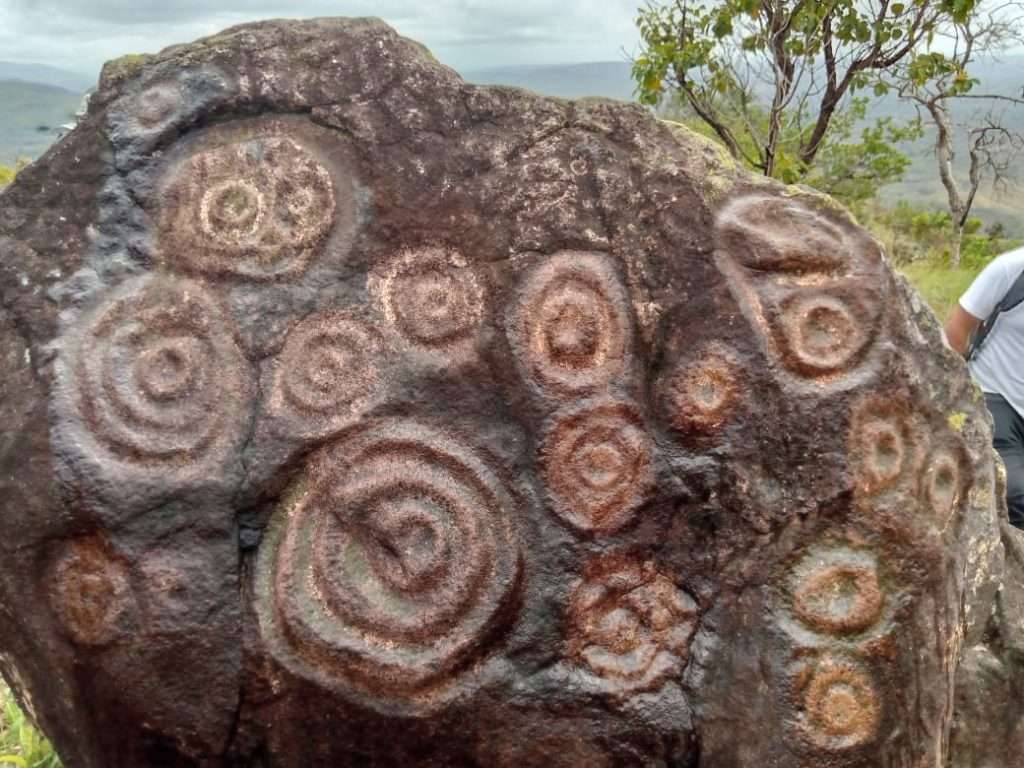
8,000-Year-Old Petroglyphs Found in Venezuela Could Reframe Early South American Symbolism
In the highland community of Quebrada Seca, northeastern Venezuela, authorities have confirmed the discovery of a major petroglyph complex estimated to be between 4,000 and 8,000 years old. If the upper range proves correct, this would place the engravings among the earliest known symbolic expressions in eastern Venezuela. The site lies 3.5 kilometers from San…
-
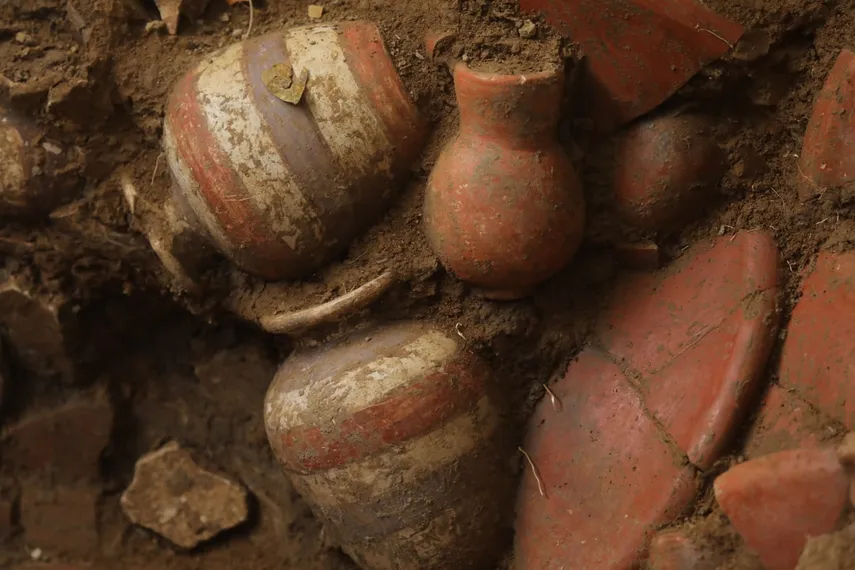
Gold-Buried Leader: 1,000-Year-Old Tomb in Panama Sheds Light on Pre-Hispanic History
A remarkable archaeological discovery in Panama is offering new insight into the political authority, ritual life, and social organization of pre-Hispanic societies in Central America. The Ministry of Culture of Panama (MiCultura) has confirmed the excavation of “Tomb 3,” a more than 1,000-year-old high-status burial at the El Caño Archaeological Site in Coclé province. A…
-
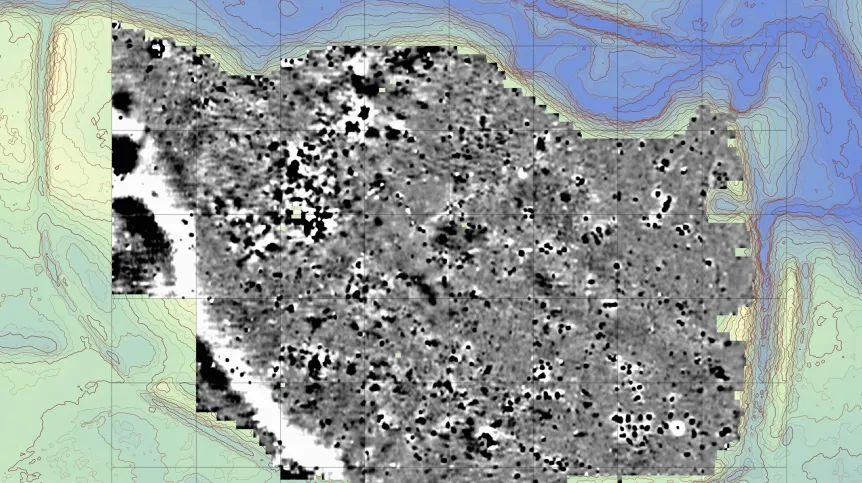
A Lost Medieval City Emerges from the Forest: The Mystery of Stolzenberg
In a forested area of western Poland, archaeologists have confirmed the remains of a long-forgotten medieval town: Stolzenberg. Hidden for centuries near the modern settlement of Zagrody, close to Sławoborze, the site preserves the earthworks and layout of a town that briefly flourished in the late 13th or early 14th century—before being mysteriously abandoned. Spread…
-
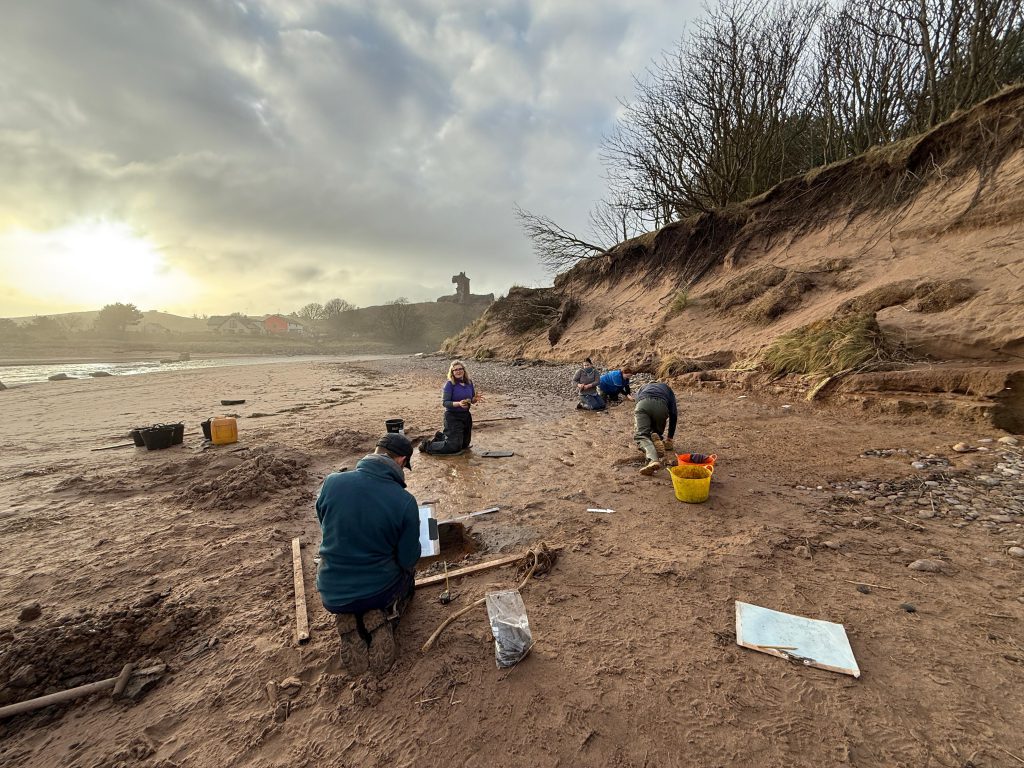
2,000-Year-Old Human and Animal Footprints Emerge on Scotland’s Storm-Battered Coast — Then Vanish Within Days
Scotland’s east coast does not usually give up its secrets gently. This time, it did — and then took them back almost immediately. After a series of violent winter storms tore through Lunan Bay in Angus, shifting dunes exposed a band of compact clay beneath the sand. Pressed into it were human and animal footprints…
-

2,500-Year-Old Jaw Surgery in Siberia Reveals Iron Age Prosthetic Technique
High in the frozen mountains of the Altai, where winds carve across the Ukok Plateau, a woman survived what should have been a fatal injury. Two and a half millennia later, modern CT imaging has revealed how. Researchers from Novosibirsk State University have identified what may be the earliest documented case of temporomandibular joint (TMJ)…
-
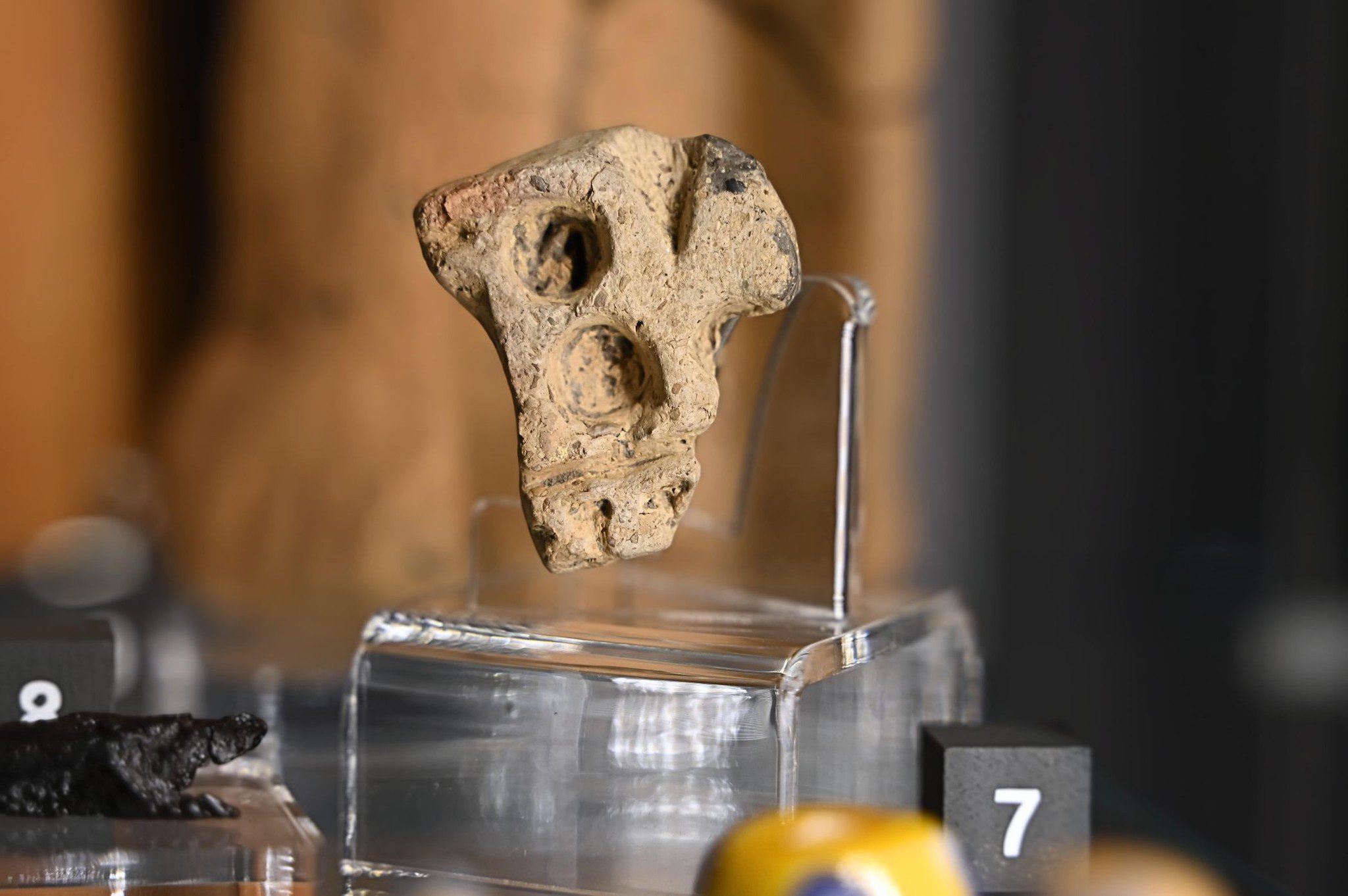
7,500-Year-Old Neolithic Figurine with Raised Arms Discovered in Romania
A small clay figurine no taller than six centimeters is now reshaping discussions about early European spirituality. Archaeologists in central Romania have announced the discovery of a 7,500-year-old Neolithic idol at the site of Arcuș – Platoul Târgului, near Sfântu Gheorghe — a find that offers rare insight into the symbolic world of some of…
-
2,500-Year-Old Clay Stamp Found in Poland May Be the Country’s First Pintadera
A small clay object unearthed in southeastern Poland may rewrite part of the country’s Early Iron Age story. Archaeologists believe a 2,500-year-old artifact discovered near Jarosław could represent the first pintadera ever identified on Polish soil — a clay stamp likely used to decorate textiles or apply pigment to the human body. The object was…
-
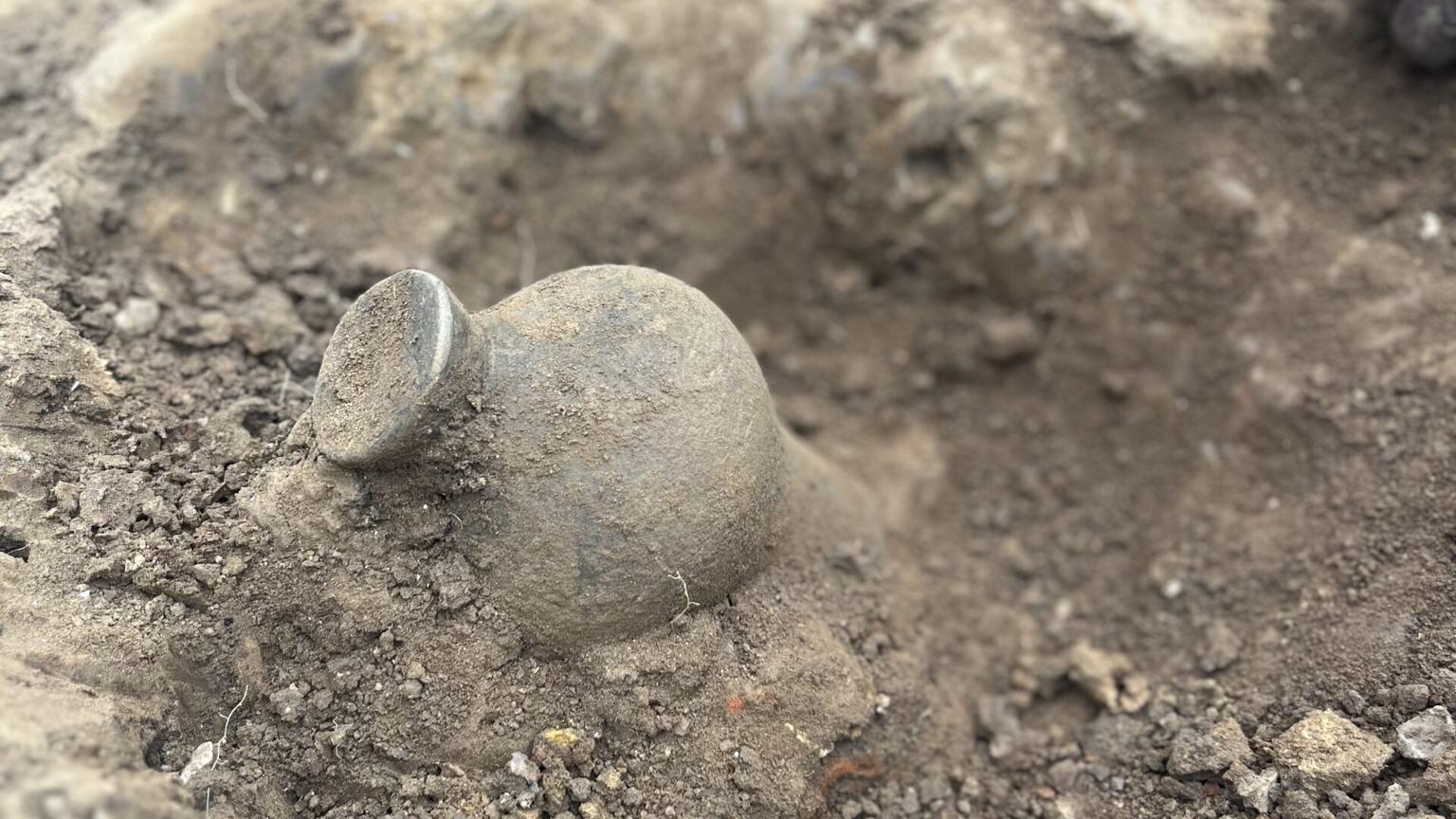
1,600-Year-Old Roman Cup Found Upside Down in East Yorkshire May Mark Lost Shrine
When archaeologists working in East Yorkshire lifted a small grey ceramic cup from the soil, it emerged almost completely intact — despite having been buried for roughly 1,600 years. The vessel dates to the 4th century AD, the closing chapter of Roman Britain. On its own, it is an ordinary example of Romano-British greyware: locally…
-
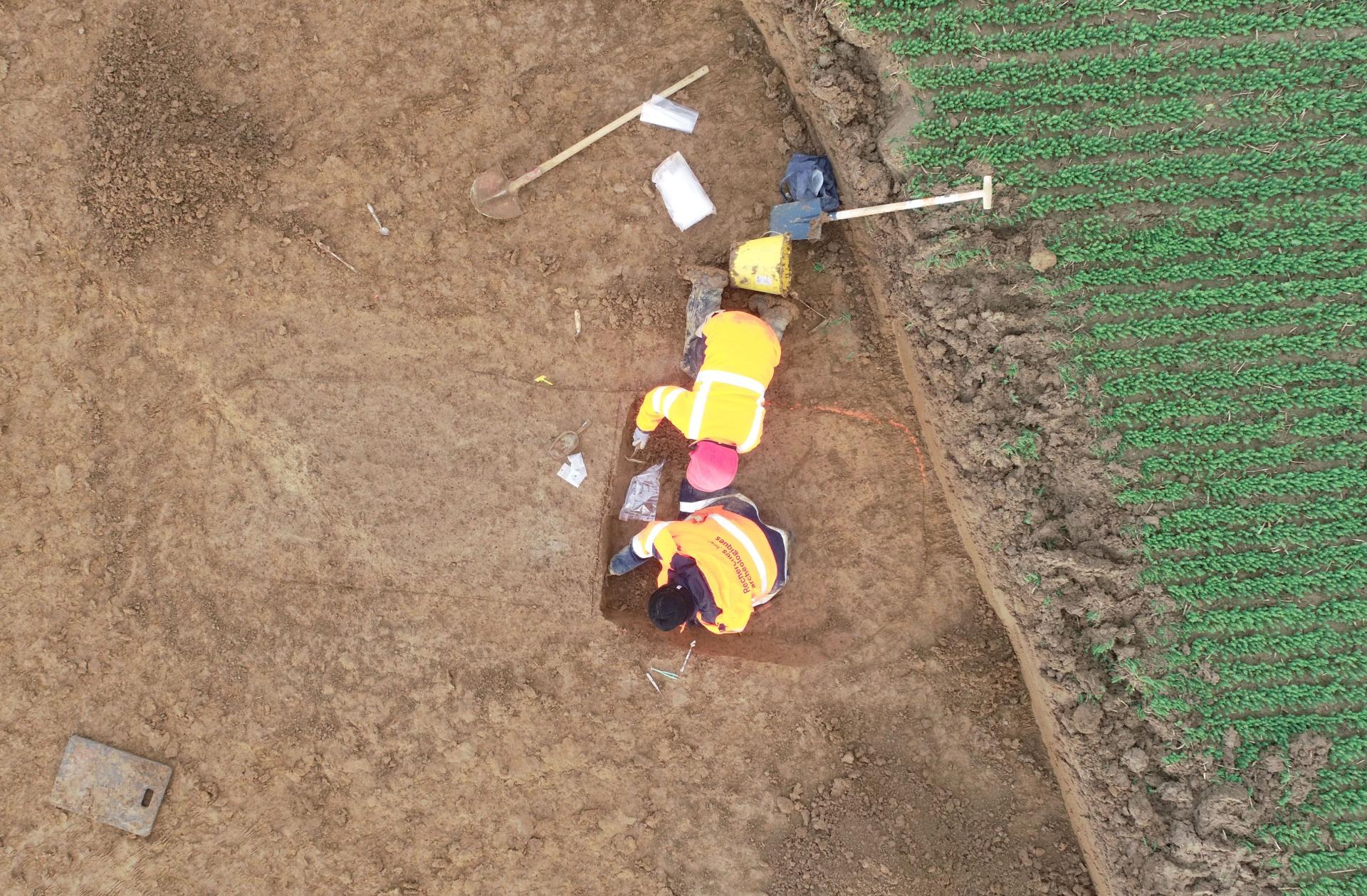
Bronze Age “Princely Tomb” Discovered in Normandy Reveals Elite Warrior Network
Archaeologists have uncovered a richly furnished “princely tomb” dating to around 1900–1800 BCE in Ecouché-les-Vallées, Normandy — a region where such elite burials are exceptionally rare. A Warrior Equipped for the Afterlife Inside the grave pit, researchers identified a remarkable assemblage of prestige objects: 31 finely crafted flint arrowheads, two bronze daggers, and a fragment…