-
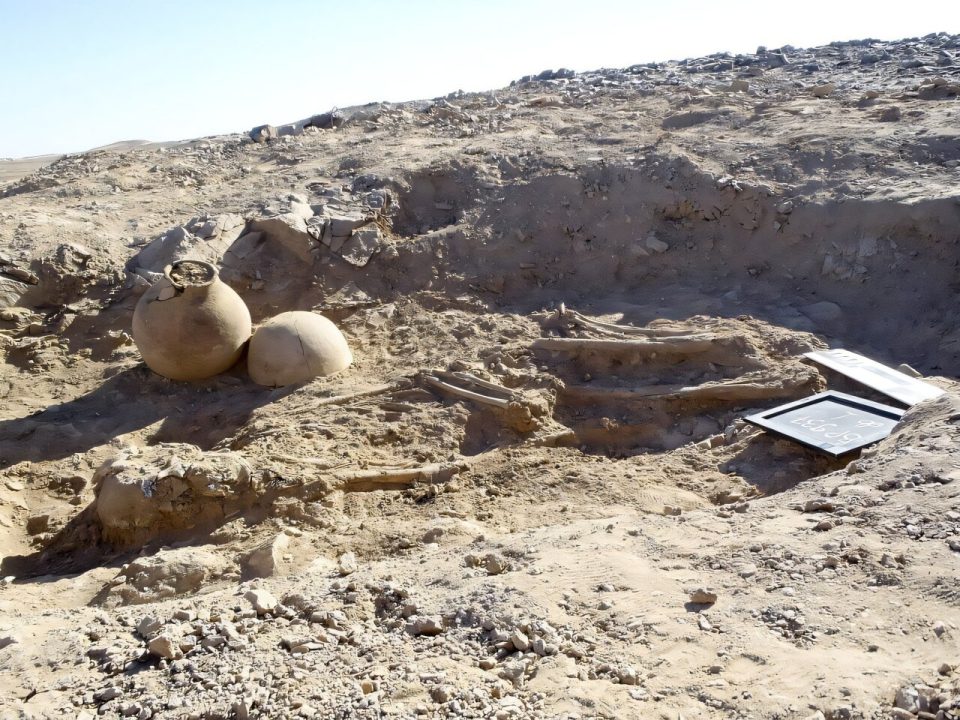
4,000-Year-Old Kerma Period Burial Discovered in Sudan’s Bayuda Desert
A 4,000-year-old grave uncovered in Sudan’s remote Bayuda Desert is offering new insights into Kerma burial customs and the region’s ancient environment. The discovery, made by Polish archaeologists, sheds light not only on funerary practices but also on daily life in a semi-desert landscape that once looked very different from today. The excavation is being…
-
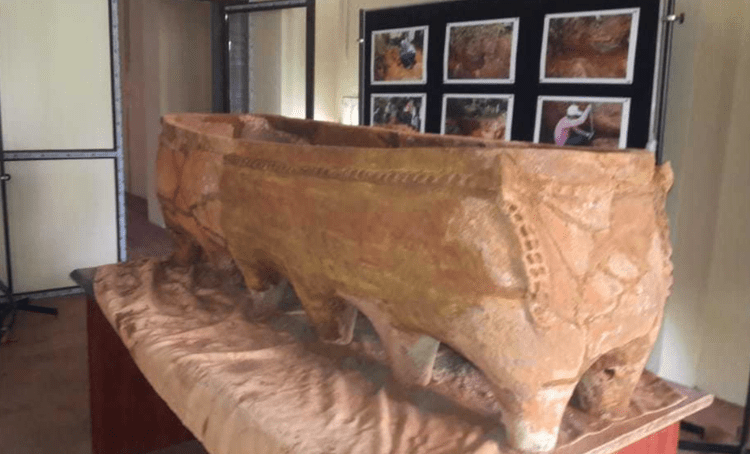
2,300-Year-Old Twelve-Legged Terracotta Sarcophagus Unearthed in Pallavaram, Southern India
In the crowded urban sprawl south of Chennai, history has surfaced in the most unexpected way. Beneath roughly two meters of soil in Pallavaram, archaeologists have uncovered a 2,300-year-old terracotta sarcophagus resting on twelve carefully crafted legs — a discovery that is reshaping our understanding of early historic cultures in southern India. A Rare Megalithic…
-

11-Year-Old Discovers 48-Million-Year-Old Turtle Fossil on Public Lands in Wyoming
It looked like an ordinary stone. But in the vast, wind-swept terrain of southwestern Wyoming, an 11-year-old boy paused — and changed the story of a 48-million-year-old landscape. Last fall, while exploring Bureau of Land Management (BLM) public land in the Greater Green River Basin, young fossil enthusiast Touren made a discovery that has since…
-
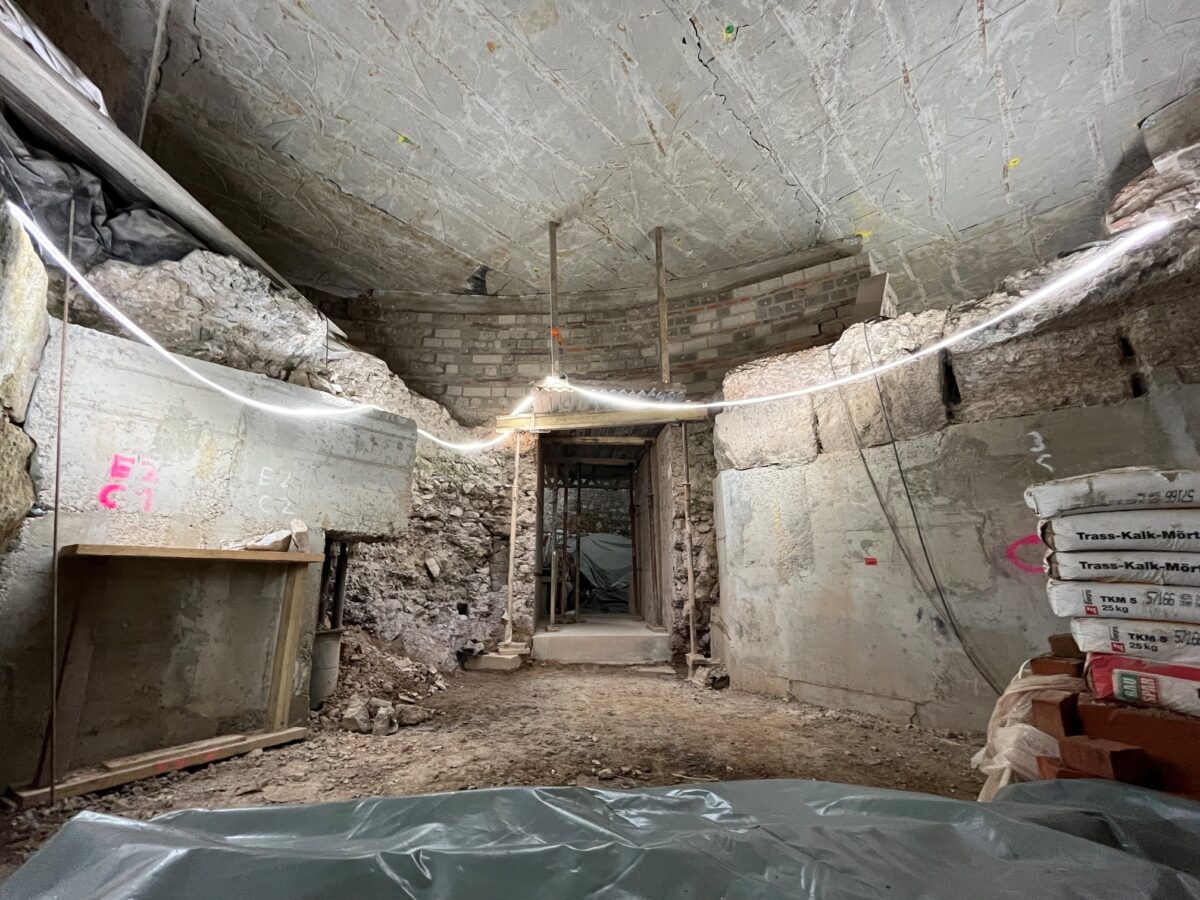
A Roman House Altar Unlike Any Other North of the Alps Unearthed in Cologne
For centuries, Cologne has lived above its Roman past. Now, beneath the Rathausplatz, that past has resurfaced in extraordinary form. Archaeologists working on the underground visitor route of the MiQua – LVR-Jewish Museum in the Archaeological Quarter Cologne have uncovered a remarkably well-preserved 2nd-century CE Roman house altar — a lararium described as unique north…
-
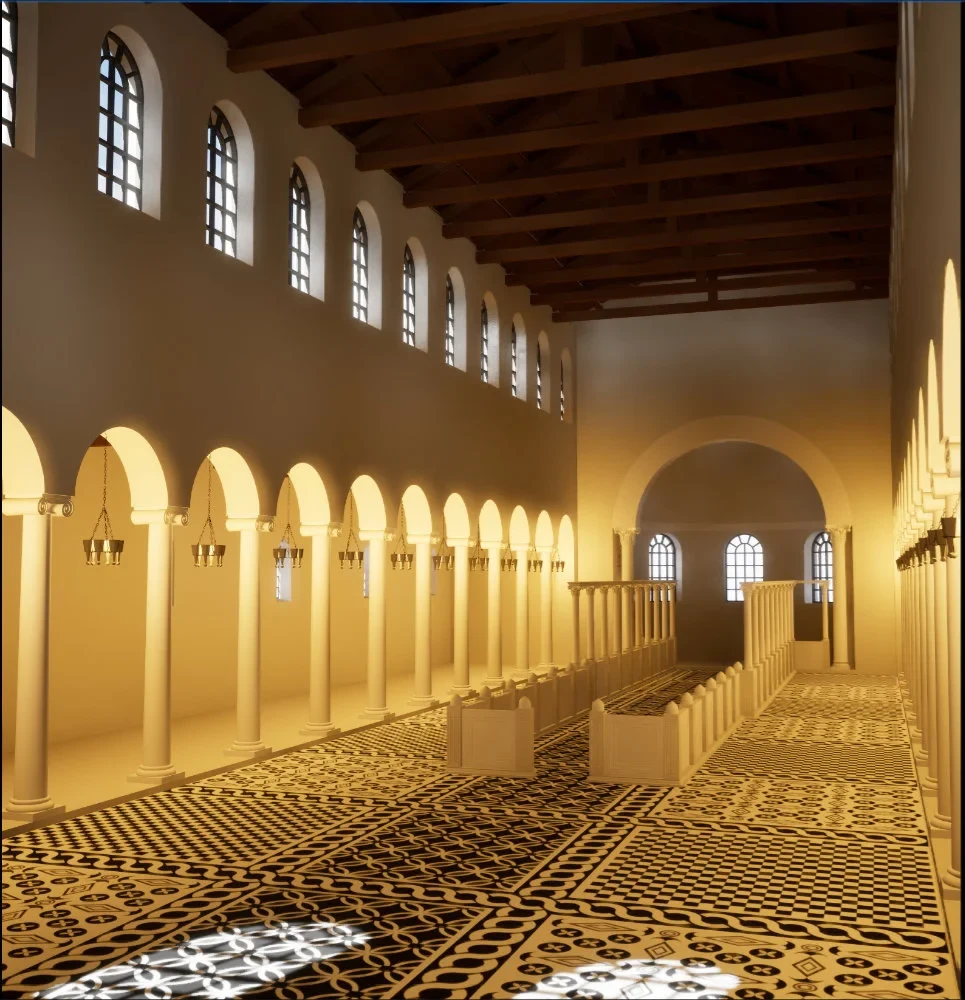
Beneath Roman Farmland, a 1,700-Year-Old Episcopal Power Complex Emerges at Ostia Antica
Just centimeters below plowed earth on the outskirts of Rome, archaeologists have uncovered a discovery that quietly redraws the map of early Christian power: a monumental church complex and an opulent bishop’s palace dating to the fourth century. The excavation, led by the University of Bonn in cooperation with German and Italian institutions, is revealing…
-

1,500-Year-Old Anglo-Saxon Sword Near Canterbury Reveals Elite Power and European Ties
Archaeologists from the University of Central Lancashire have uncovered an exceptionally preserved sixth-century Anglo-Saxon sword in a cemetery in Kent. The weapon, buried around 1,500 years ago, is not just another grave good. It is a statement. Of authority. Of lineage. Of connection to a much larger European network. The discovery, led by Professor Duncan…
-
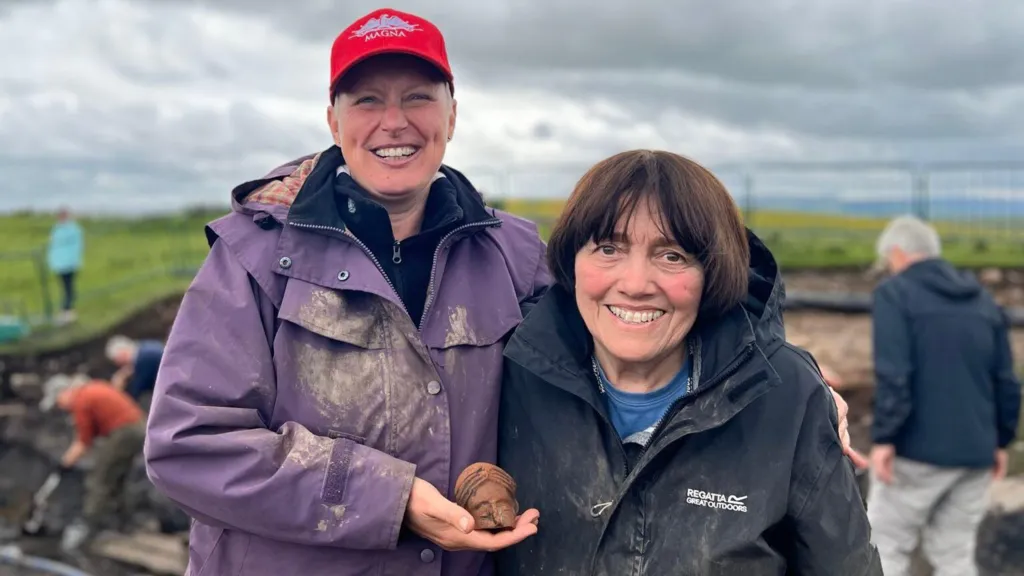
Volunteers Unearth Rare Roman Terracotta Head at Magna Fort
A routine excavation along the northern defences of Magna Roman Fort has produced an unexpected and unusually intimate discovery — a small terracotta head, recovered not by a senior specialist, but by two volunteers working side by side in the trench. Rinske de Kok and Hilda Gribbin were carefully clearing soil when the fired clay…
-

Archaeologists Discover 116-Meter Lead Aqueduct In Situ at Petra
For years, Petra’s water system was described as practical, efficient, mostly gravity-driven. That picture just shifted. On the slopes of Jabal al-Madhbah, archaeologists have identified a 116-meter pressurized lead pipeline preserved in situ — a feature rarely documented in open-air aqueduct corridors in the eastern Mediterranean. The find sits within a 2,500-square-meter survey zone and…
-
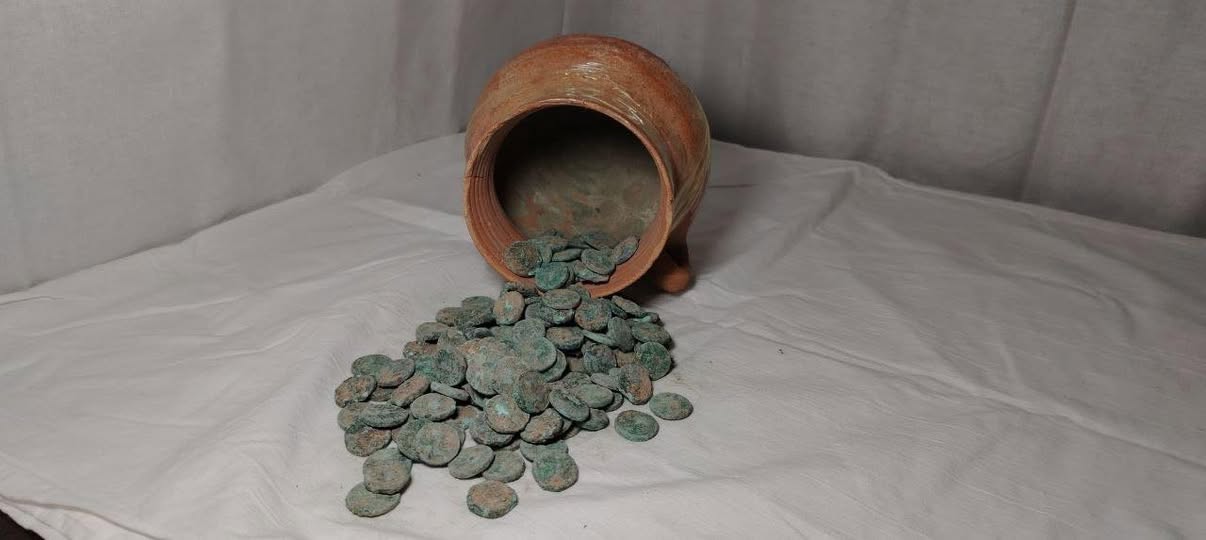
2,000-Year-Old Kushan Coin Hoard Unearthed in Tajikistan Sheds Light on a Forgotten Empire
A farmer’s routine work in southern Tajikistan has led to a discovery that reaches back nearly two millennia. In the Shahritus district, more than 150 copper coins dating to the 1st century AD were found buried inside a small ceramic vessel—an intact hoard from the early days of the Kushan Empire. The find, announced in…