-
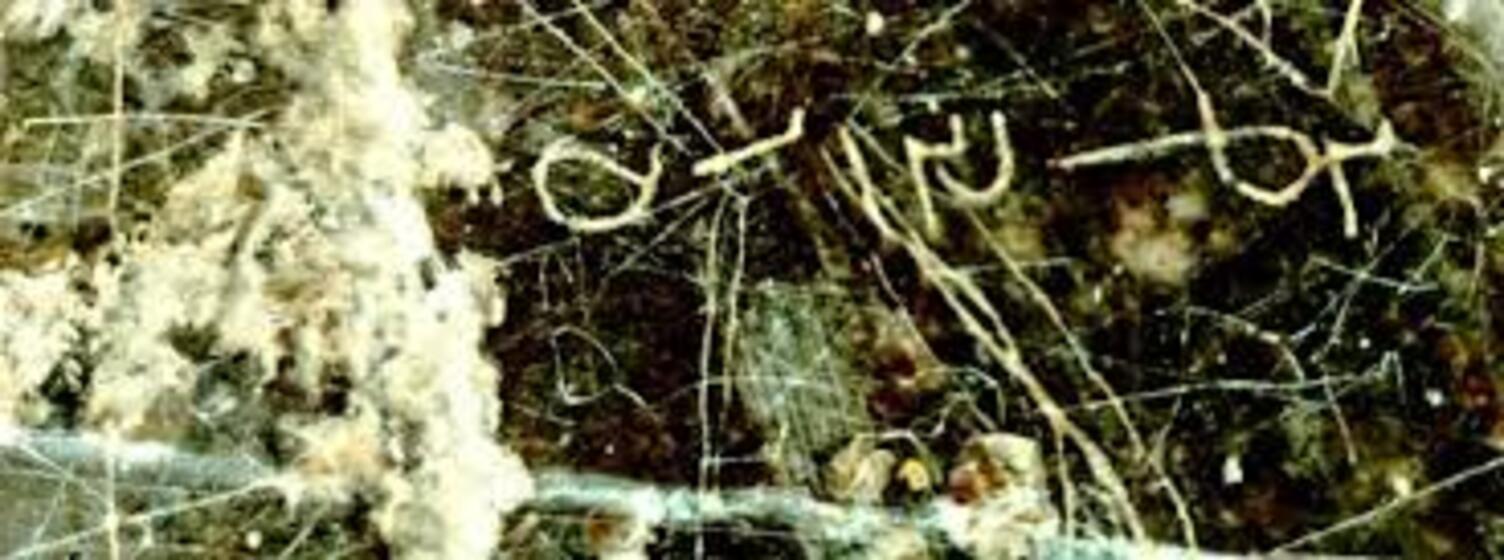
Sassanid-Era Rock Inscription Discovered in Iran Reveals Royal Festival Calendar
Archaeologists working in southern Iran have identified a rare Sassanid-era rock inscription that offers direct insight into how royal ceremonies were timed and commemorated during late antiquity. Carved into limestone cliffs on the Marvdasht Plain, the short text appears to record an official court festival linked to the winter month of Dey, a period of…
-

A 1,400-Year-Old Zapotec Tomb Discovered in Oaxaca, Mexico
Mexico has announced what officials describe as the country’s most important archaeological discovery in more than ten years: an exceptionally well-preserved Zapotec tomb dating to around AD 600, uncovered in the Central Valleys of Oaxaca. The find is already being hailed as a landmark for understanding the social structure, funerary beliefs, and symbolic world of…
-

Seven Centuries Beneath Rome: Republican Tombs, a Hercules Sanctuary, and Monumental Basins Unearthed in Pietralata
In the eastern outskirts of Rome, archaeologists have brought to light a remarkably layered archaeological landscape—one that traces daily life, belief, and burial practices across more than 700 years. Excavations at Acacia Park 2, near Via di Pietralata, reveal a suburban zone shaped by roads, rituals, and families from the early Republic through the dawn…
-
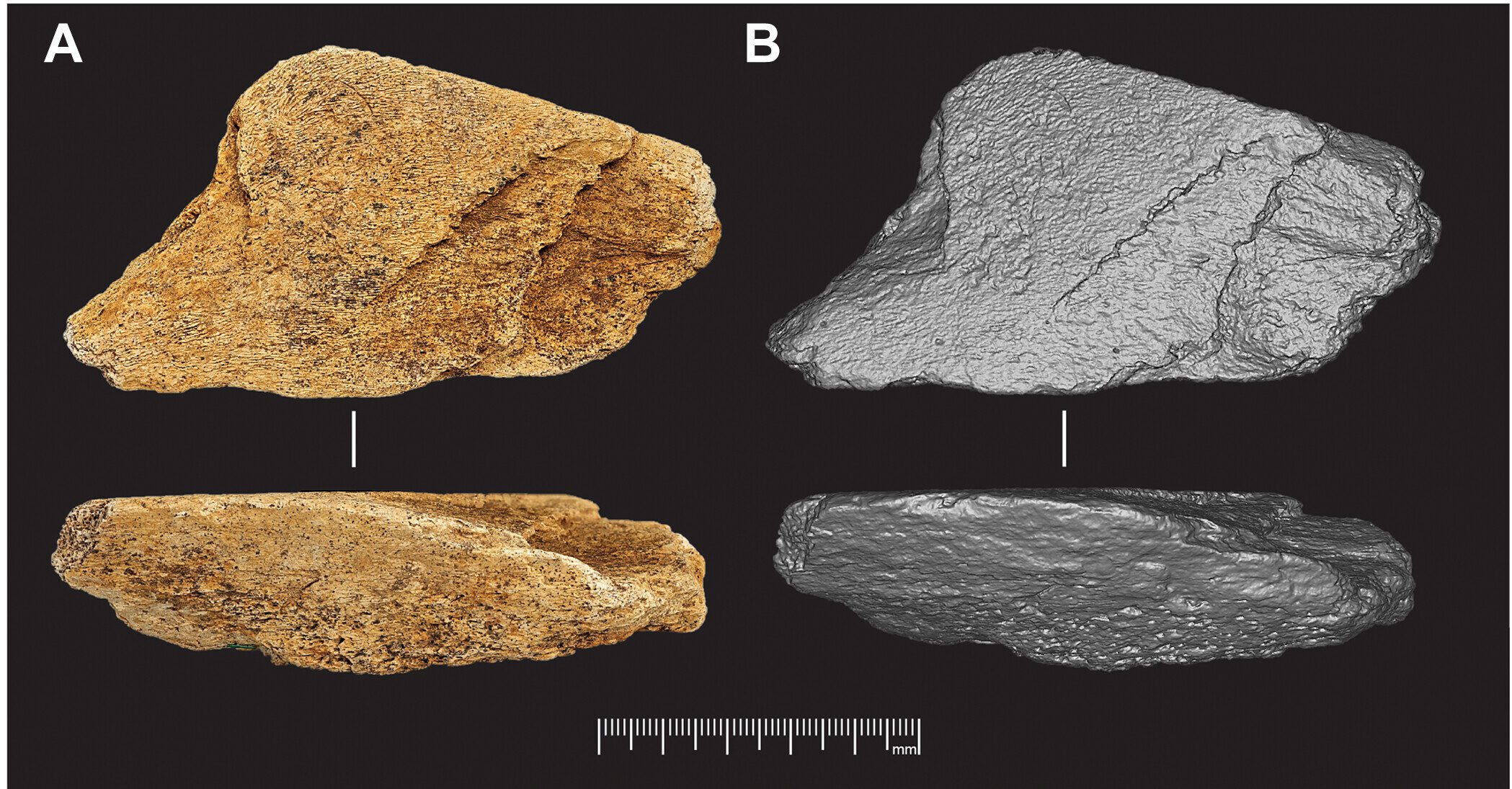
Europe’s Oldest Elephant Bone Tool Reveals Unexpected Skill Among Early Humans in Britain
Archaeologists working in southern England have identified what is now considered the oldest elephant bone tool ever documented in Europe—a discovery that reshapes how researchers understand the technological abilities of early human populations nearly 500,000 years ago. The artefact, a carefully shaped bone hammer, offers rare insight into how early humans in prehistoric Britain selected…
-
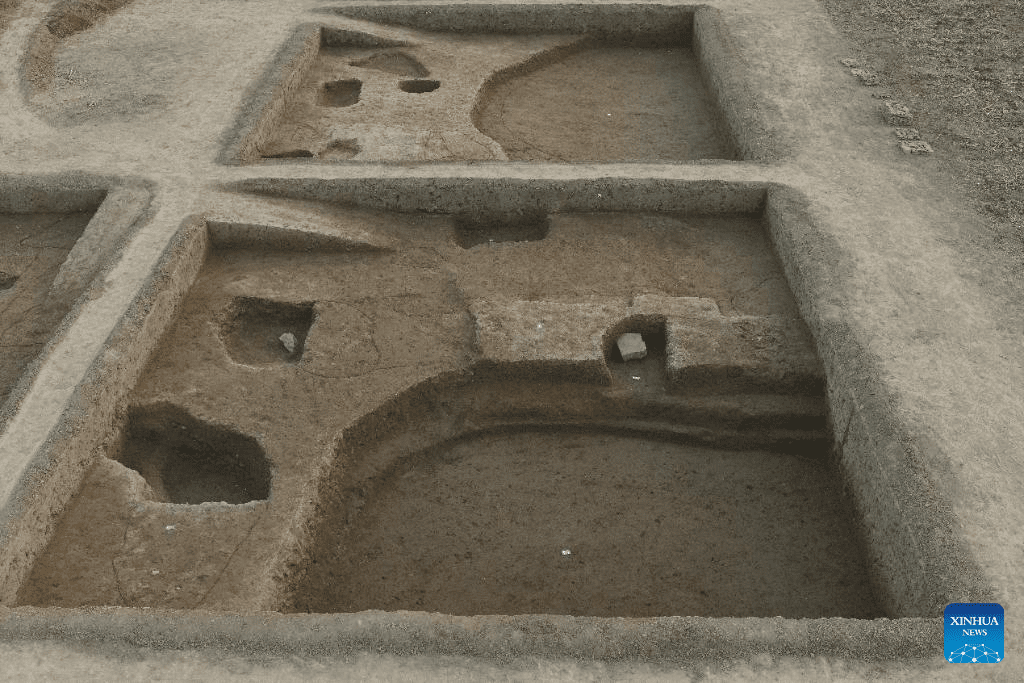
How an Empire Stored Its Survival: Northern Wei Imperial Granary Discovered in Luoyang, China
In Luoyang, one of imperial China’s longest-serving capitals, archaeologists have uncovered the remains of a vast Northern Wei Dynasty state granary, offering rare insight into how an early medieval empire safeguarded its survival through centralized food storage. The discovery, made just east of the imperial palace at the Han-Wei Luoyang Ancient City, reveals the logistical…
-
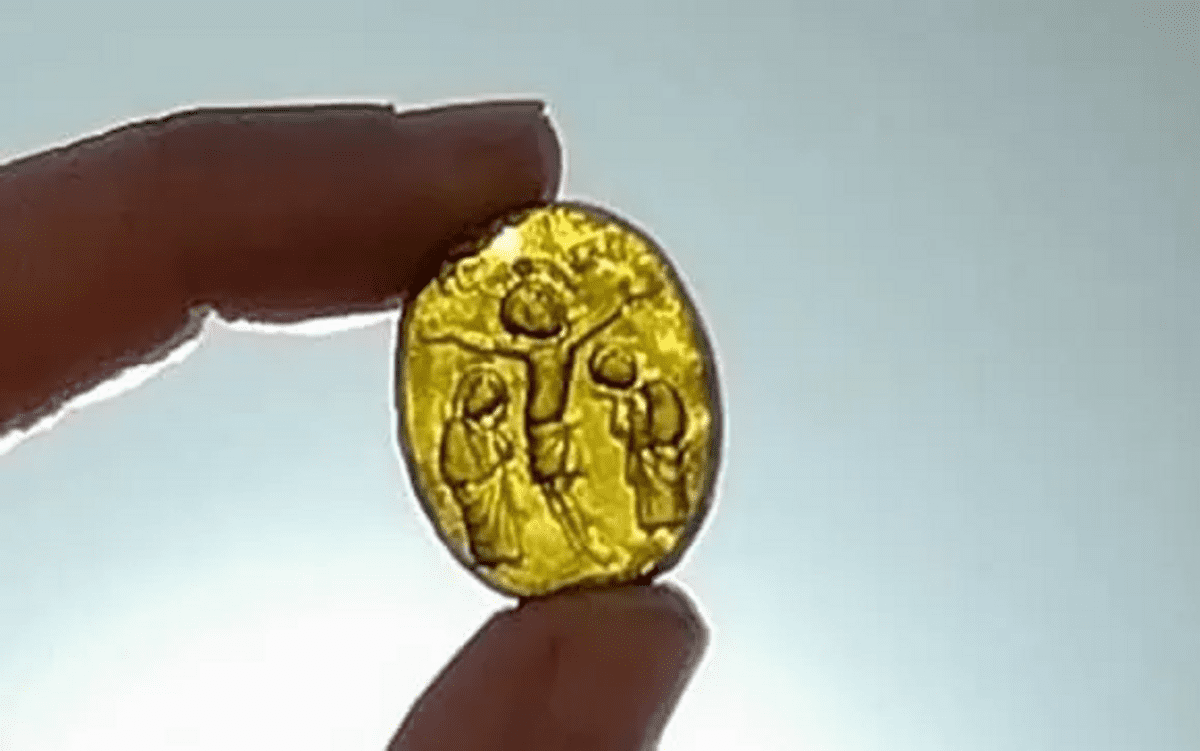
A Medieval Glass Crucifixion Jewel Emerges from England’s Largest Infrastructure Dig
Beneath the future site of the Sizewell C nuclear power station, archaeologists have uncovered an object that feels unexpectedly intimate.A tiny medieval glass jewel, depicting the Crucifixion, lay hidden in Suffolk soil for centuries. The find comes from one of the largest archaeological investigations ever carried out in eastern England, revealing not only the jewel…
-

5,000-Year-Old Pithos Burial Discovered in Coastal Attica Reveals Complex Bronze Age Rituals
An exceptionally preserved Early Bronze Age pithos burial has been uncovered in eastern Attica, revealing complex funerary architecture and long-lived ritual activity along the coast of the Aegean. The discovery was made during rescue excavations carried out since 2024 in the town of Rafina, ahead of riverbank stabilization works. Dated to the Early Bronze Age…
-

Roman Marching Camps Discovered Deep in Central Germany
Archaeologists have identified Roman marching camps deep in Central Germany, marking the northeasternmost Roman military sites ever confirmed in the region and challenging long-held assumptions about Rome’s withdrawal from Germania. The discoveries, made in Saxony-Anhalt, provide concrete archaeological evidence that Roman troops operated far beyond the Rhine frontier during the early 3rd century AD. The…
-
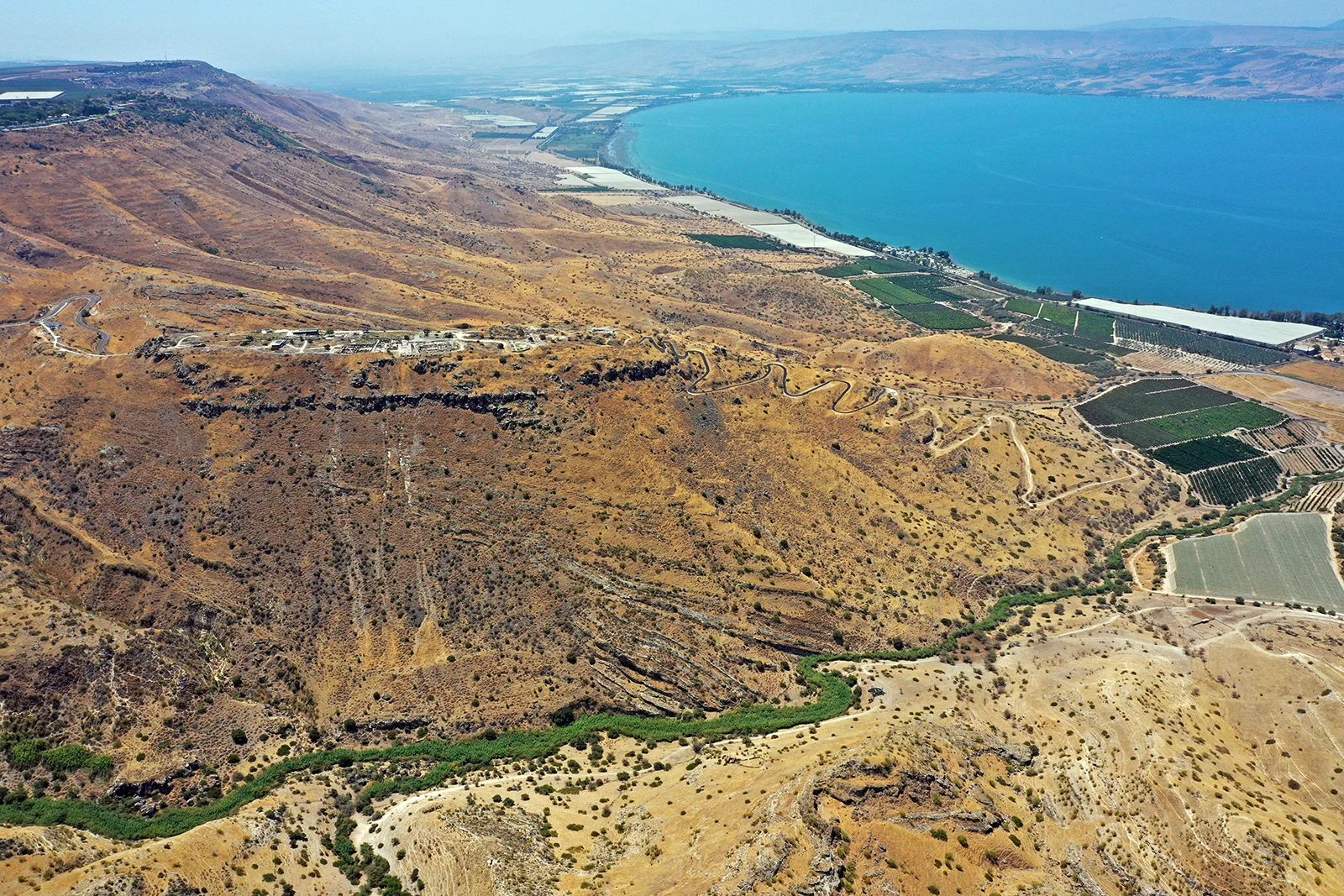
A 1,600-Year-Old Nursing Home Has Been Discovered in a Byzantine City Near the Sea of Galilee
At first glance, it looked like an ordinary mosaic floor. But a short inscription embedded in stone told a very different story—one that reaches into the social heart of the Byzantine world. Archaeologists working at the ancient city of Hippos, overlooking the Sea of Galilee, have uncovered what may be the earliest archaeological evidence of…