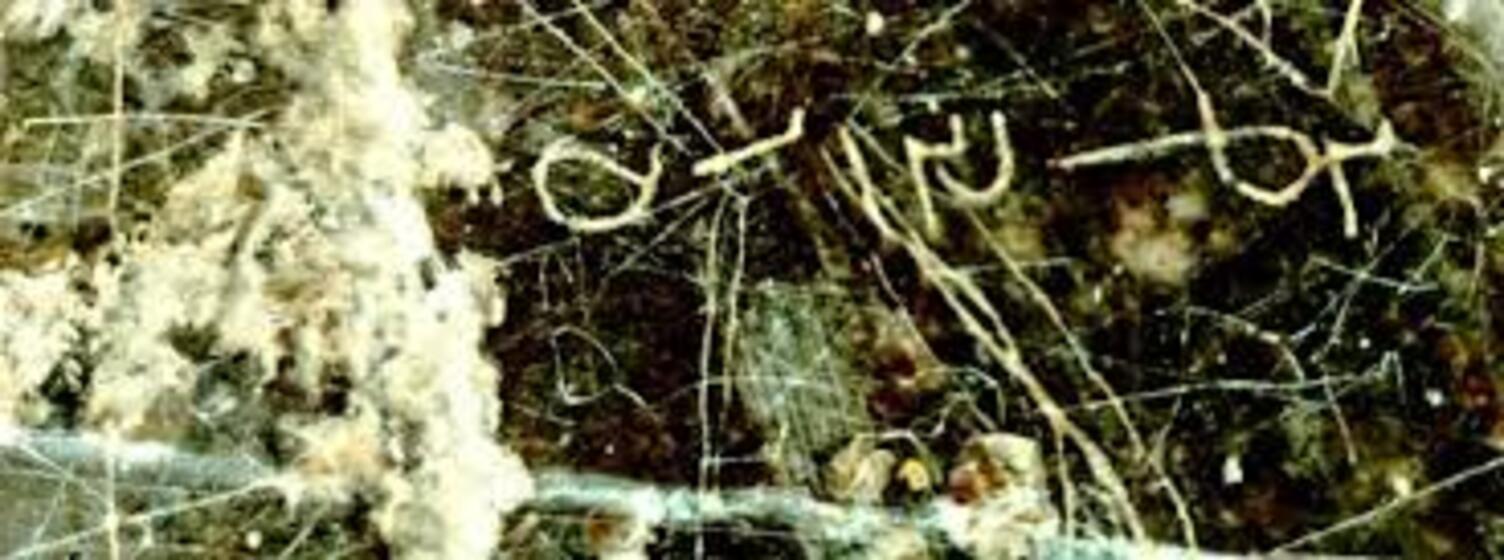
Archaeologists working in southern Iran have identified a rare Sassanid-era rock inscription that offers direct insight into how royal ceremonies were timed and commemorated during late antiquity. Carved into limestone cliffs on the Marvdasht Plain, the short text appears to record an official court festival linked to the winter month of Dey, a period of particular religious and symbolic importance in the ancient Iranian calendar.
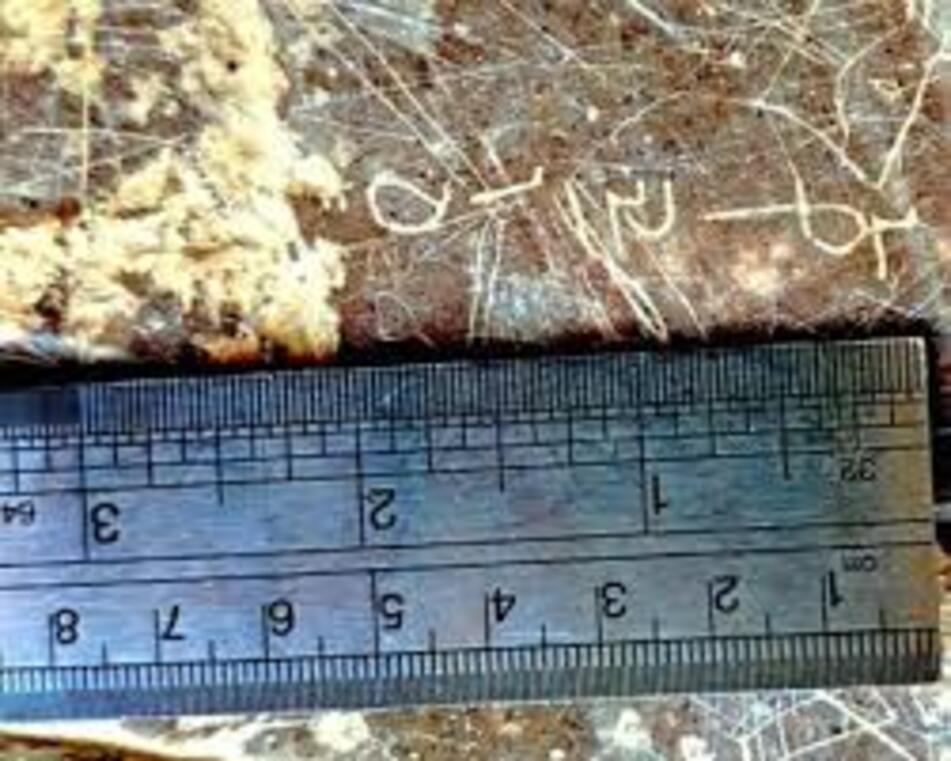
The inscription was cut in Middle Persian (Pahlavi) script and dates to the Sassanid period, when ritual and timekeeping formed a central pillar of imperial authority. Although sections of the carving have been worn away by centuries of natural erosion, the surviving lines are clear enough to indicate that the text refers not to a military victory or royal title, but to the timing of a ceremonial event—an uncommon focus in Sassanid epigraphy.
A rare inscription centered on ritual
The find was documented by Iranian archaeologist and historian Abolhassan Atabaki, who has been surveying Sassanid-era carvings across the Marvdasht Plain in recent years. According to Atabaki, inscriptions that explicitly mention festivals are extremely rare in the archaeological record, making this fragment especially valuable despite its modest size.
While the final portion of the text has been lost, likely due to prolonged exposure to wind and rain, the preserved section strongly suggests that the inscription marked the date of an officially sanctioned royal ceremony. Its purpose, researchers believe, was to fix the event within both sacred time and a meaningful public landscape.
The symbolic weight of the month of Dey
In the Zoroastrian calendar, the month of Dey was closely associated with Ahura Mazdathe supreme deity. It included several observances known collectively as the Deygan festivals, celebrated on days when the name of the day and the month coincided. These occasions emphasized cosmic order, divine favor, and the legitimacy of kingship—concepts that lay at the heart of Sassanid political ideology.
By referencing Dey, the newly identified inscription points to a ceremonial framework in which royal authority was reinforced through ritual alignment with sacred time. Rather than functioning as a private court event, the ceremony appears to have been deliberately anchored in the natural landscape, transforming the rock face itself into a medium of imperial memory.
Ritual and power in the Sassanid state
The Sassanid Empire (224–651 CE) relied heavily on religious symbolism, calendar regulation, and public ceremony as instruments of governance. Kings were portrayed not only as political rulers but as guardians of faith and cosmic balance. In this context, festivals were more than seasonal celebrations—they were acts of statecraft.
An inscription that records the timing of such a ritual suggests that ceremonies were intended to be remembered, repeated, and recognized beyond the confines of the palace. By carving the date into stone, Sassanid authorities embedded royal ritual into the physical and symbolic geography of the empire.
Marvdasht and Iran’s imperial landscapes
The discovery adds another layer to the long and complex history of the Marvdasht Plain, one of Iran’s most archaeologically rich regions. Over the past two years, Atabaki has documented multiple Sassanid carvings in the area, many positioned on cliffs overlooking ancient routes and settlement zones. In total, more than fifty historical remains from the Elamite, Achaemenid, and Sassanid periods have now been recorded across the plain.
Marvdasht’s importance is underscored by its proximity to Persepolis, as well as Naqsh-e Rostam and Naqsh-e Rajab, both renowned for royal tombs and reliefs spanning multiple dynasties. Nearby lie the ruins of Estakhr, a major urban and religious center during the late Achaemenid and Sassanid periods.
Archaeological evidence indicates that settled communities existed on the Marvdasht Plain long before Persepolis was founded in the sixth century BCE. The continued use of the same landscape during the Sassanid era reflects a conscious effort by later rulers to associate themselves with Iran’s deeper imperial past.
Why the discovery matters
Researchers believe that this inscription contributes to a more nuanced understanding of Sassanid ceremonial life, shedding light on how festivals, timekeeping, and sacred geography worked together to sustain imperial authority. Unlike monumental reliefs celebrating conquest, this modest carving speaks quietly of ritual, rhythm, and the structuring of time itself.
Further documentation and conservation work at the site may clarify how widespread such commemorative practices were—and how often the calendars of kings were quite literally written into the landscape of ancient Iran.
Cover Image: Close-up view of a Sassanid-Era Rock Inscription carved in Middle Persian (Pahlavi) script on limestone cliffs of Iran’s Marvdasht Plain, documenting a royal festival date from late antiquity. Credit: Tehran Times