-

A Roman Funeral Pyre Overflowing with Gold: Elite Bustum Burial Discovered in France’s Dordogne Valley
A routine rescue excavation near the Dordogne River has revealed one of the most lavish Roman pyre burials ever documented in southwestern France. When archaeologists from France’s National Institute for Preventive Archaeological Research (INRAP) opened a trench at the locality known as La Bourgatie Ouest in Lamonzie-Saint-Martin (Dordogne, Nouvelle-Aquitaine), they originally expected to uncover traces…
-
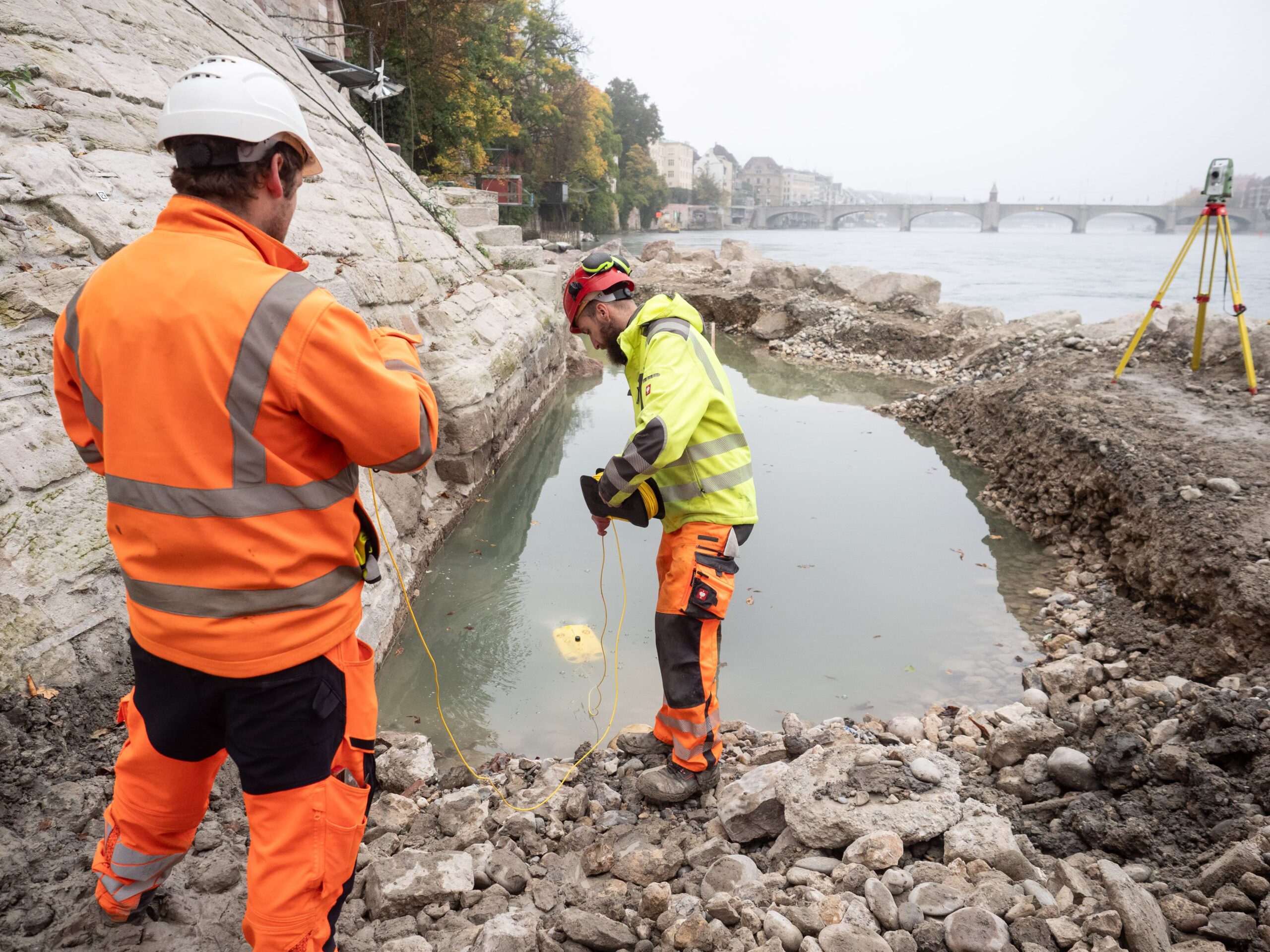
A Medieval Cantor’s Seal Emerges from the Rhine as Renovation Work Reshapes Basel’s Historic Riverbank
For the second time in less than a century, Basel’s riverbank has delivered another unexpected window into its deep urban past. During ongoing repair works on the massive retaining wall beneath the Pfalz terrace—directly behind the city’s iconic Münster Cathedral—archaeologists uncovered a remarkably well-preserved medieval seal stamp that once belonged to Rudolf Kraft, the cathedral’s…
-

A Forgotten Roman Governor Resurfaces in Spain: Newly Deciphered Inscription Reveals Rare Lot-Casting Ritual in Carthago Nova
For decades, the late Republican history of Hispania Citerior has been marked by silence — a thinly documented interval between civil conflict, economic boom and the administrative reforms of Augustus. A newly restored copper vessel from Cartagena has now broken that silence. From a collapsed room sealed by fire 1,700 years ago, archaeologists have recovered…
-
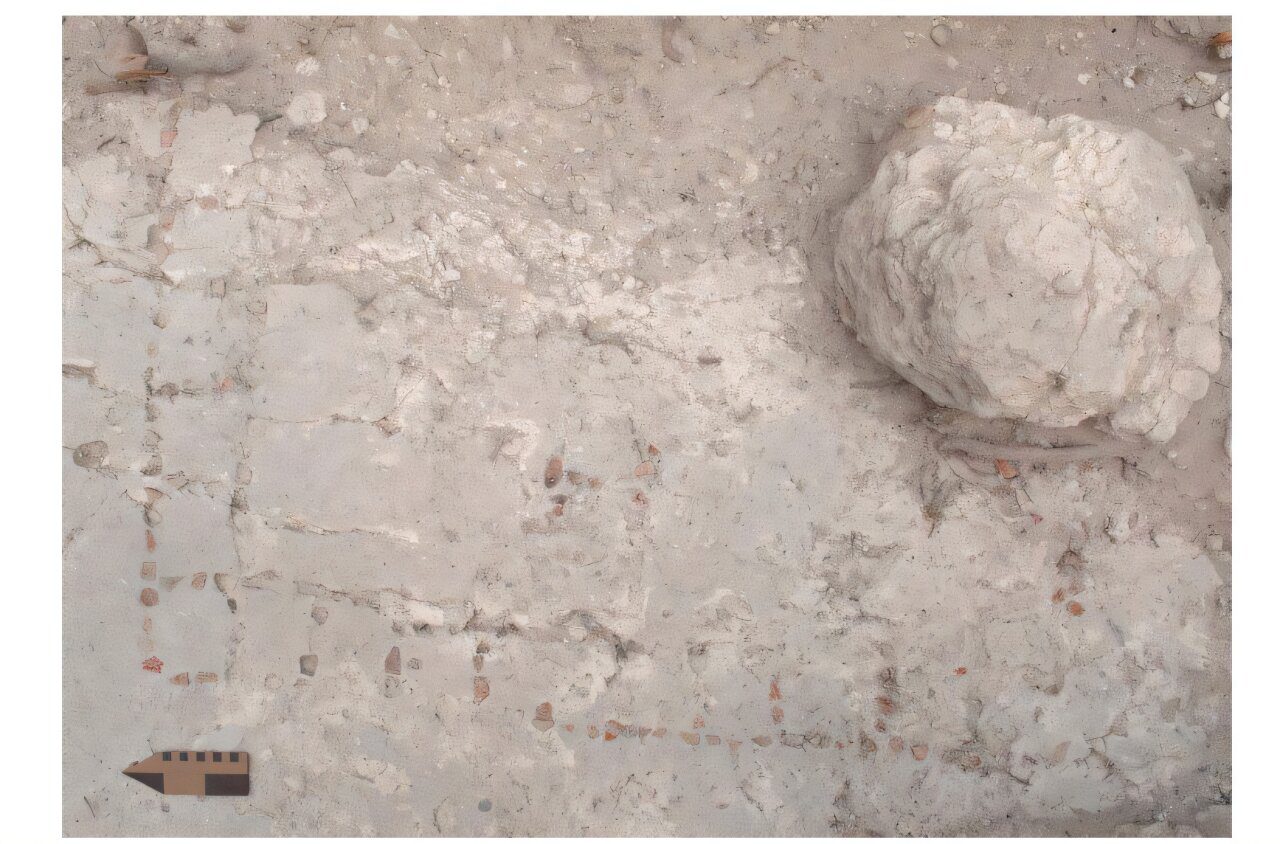
Archaeologists Uncover a One-of-a-Kind Maya Game Board Built Into the Architecture Itself
Deep beneath a modest mound in the ancient Maya capital of Naachtun, archaeologists have uncovered a discovery that challenges long-held assumptions about how the Maya played, gathered, and designed their living spaces. Hidden within the plaster of a Classic-period floor lay a meticulously crafted patolli board, not scratched into the surface—as is typical across Mesoamerica—but…
-
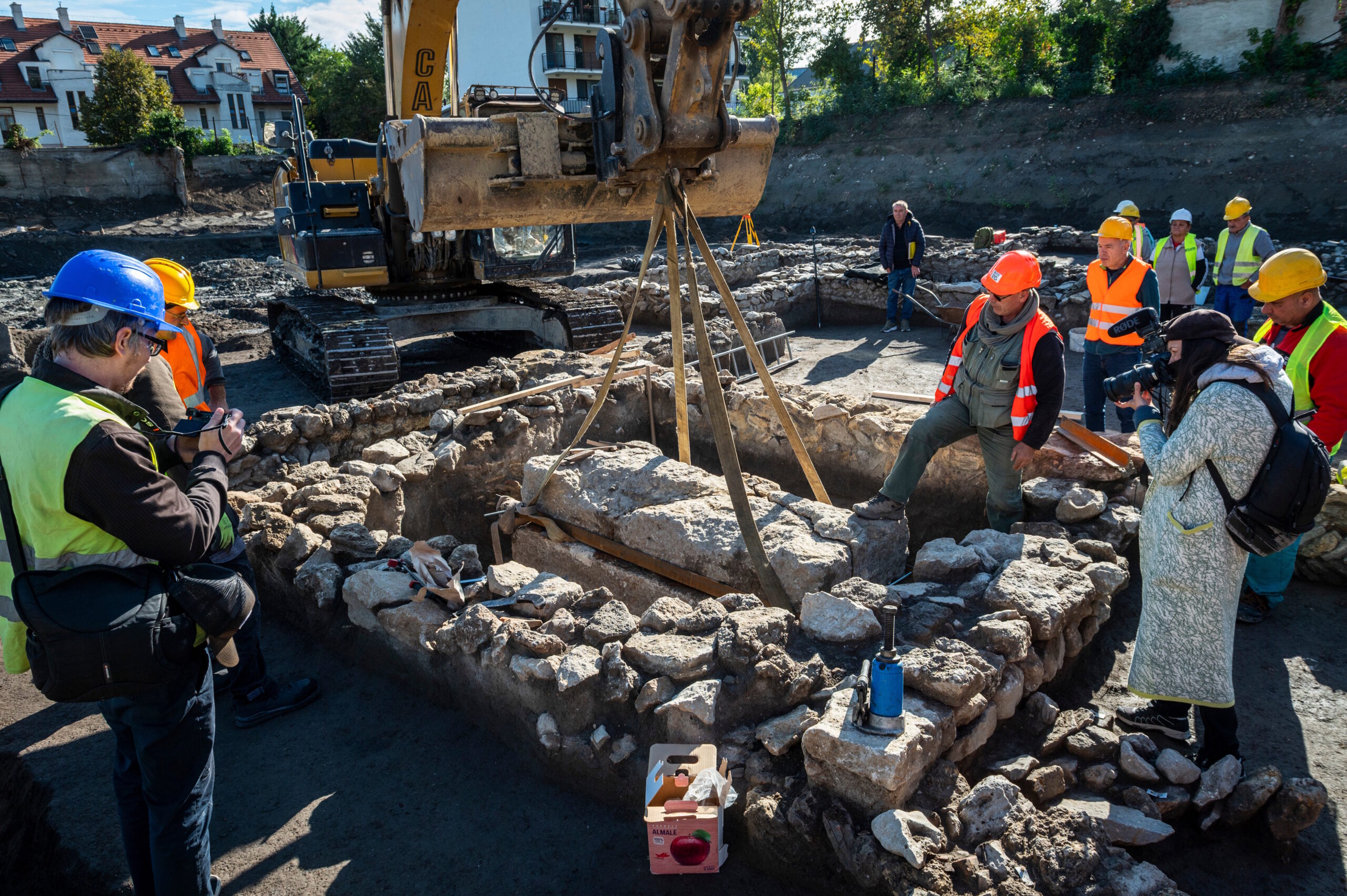
A Sealed Roman Sarcophagus in Budapest Uncovers the Life of a Young Woman Buried With Extraordinary Treasures
When archaeologists in Budapest lifted the heavy limestone lid of a Roman sarcophagus—still sealed after 1,600 years—they had little idea how well its interior had survived. As the dust settled, the outline of a young woman appeared, surrounded by a collection of grave goods so finely preserved that the entire burial instantly became one of…
-
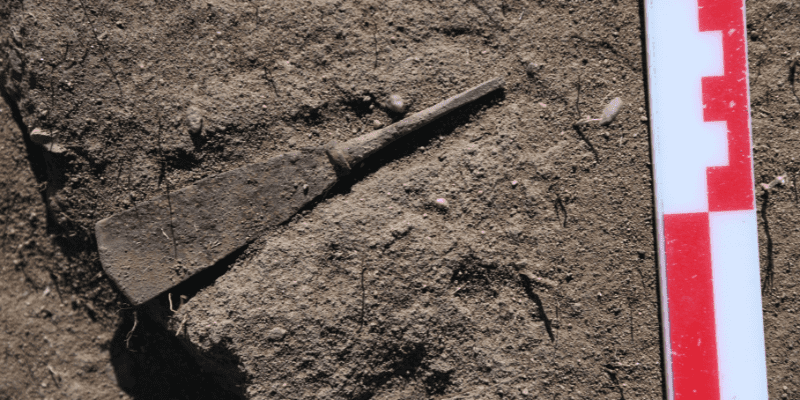
Bronze Age ‘Mega-Settlement’ on the Kazakh Steppe Challenges Old Narratives of Early Urbanism
A sweeping archaeological survey on the northern Kazakh Steppe has revealed one of the most extensive Bronze Age settlements ever documented in Central Asia — a discovery that forces scholars to reassess how and where early urban life first emerged across Eurasia. The site, known as Semiyarka, sprawls across an unexpectedly large area of the…
-
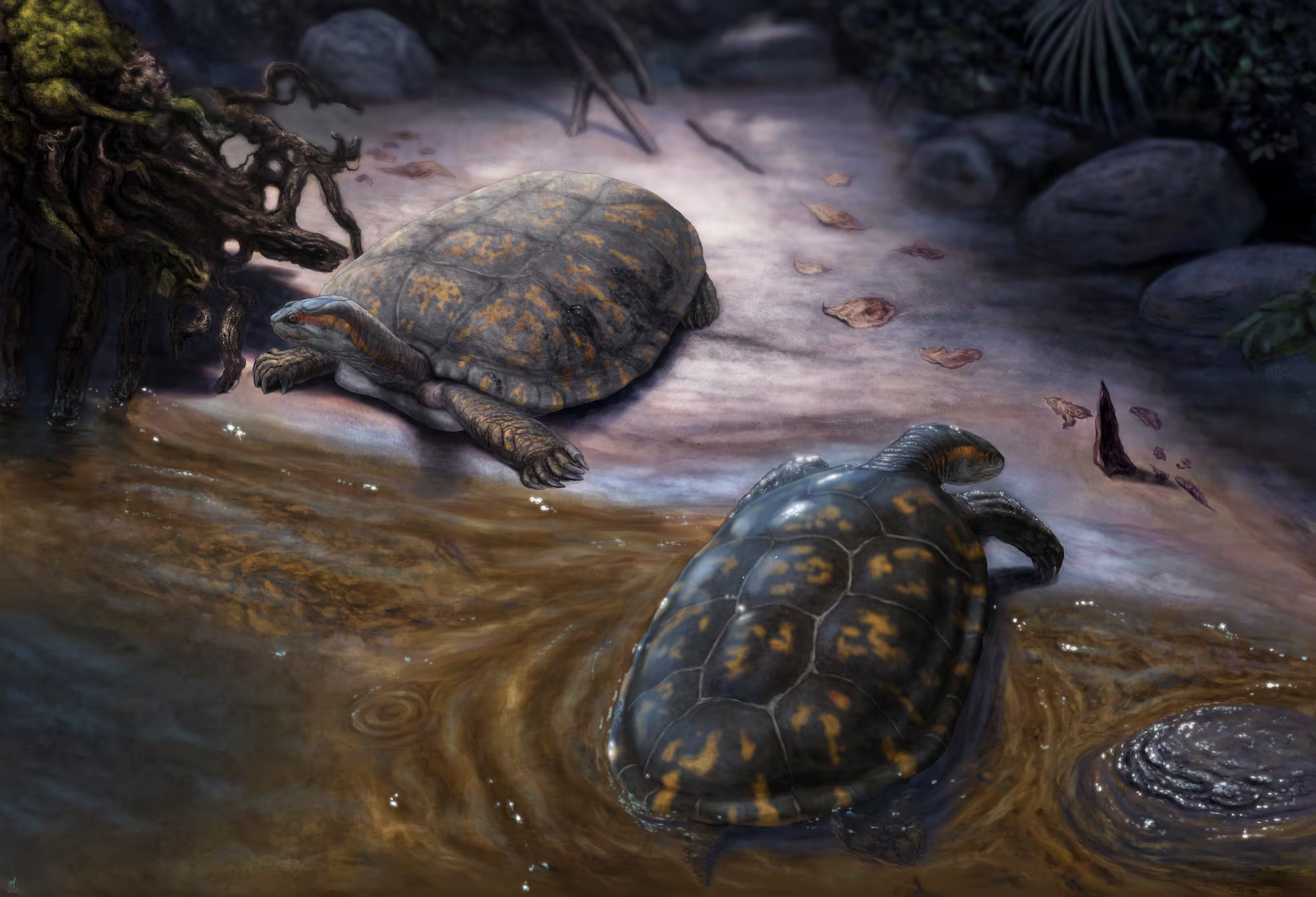
A New Miocene Turtle Named Shakiremys colombiana Reveals a Surprising Evolutionary Link in Northern South America
A newly described fossil turtle from central Colombia is reshaping what scientists know about the evolutionary pathways of South America’s freshwater turtles. The species, now formally named Shakiremys colombiana, lived roughly 13 million years ago during the Middle Miocene—a period when the region around today’s Tatacoa Desert was a labyrinth of lakes, floodplains, and interconnected…
-
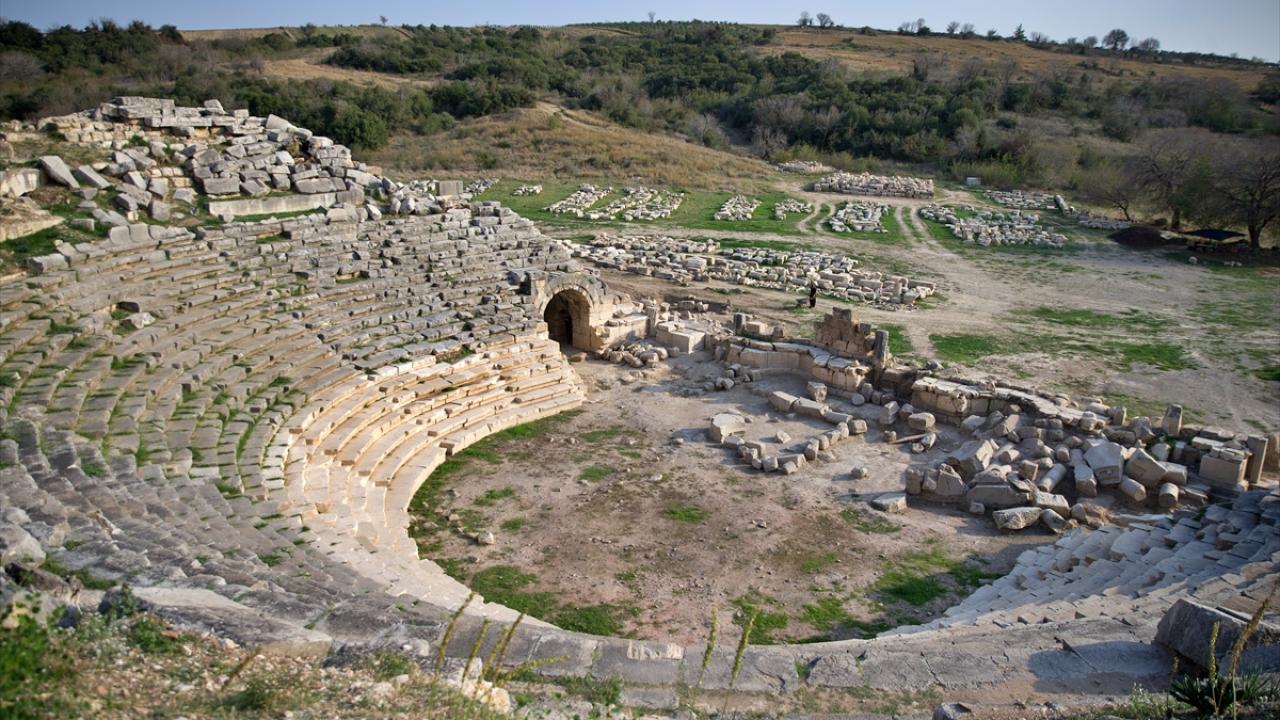
A Rare Find at Kastabala: Philosopher Mask Appears Where It Normally Shouldn’t
Late afternoon light spills across the ruined theatre of Kastabala, catching on thousands of weathered limestone blocks. The space feels silent now, but archaeologists working here know that every carved detail once served a purpose. And this season, one detail stopped the entire team in its tracks: the face of an elderly philosopher emerging from…
-
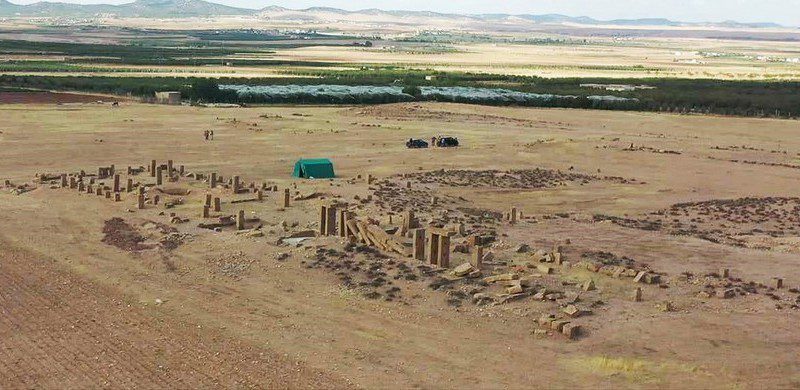
One of the Roman Empire’s Largest Olive-Pressing Complexes Unearthed in Tunisia
The high steppes of central Tunisia don’t give up their secrets easily. From a distance, the Jebel Semmama massif looks empty—bare earth, scattered stone, a harsh wind cutting over the plateau. But beneath this deceptively quiet landscape, archaeologists have now confirmed something far more ambitious: one of the largest Roman olive-pressing installations ever identified across…