-
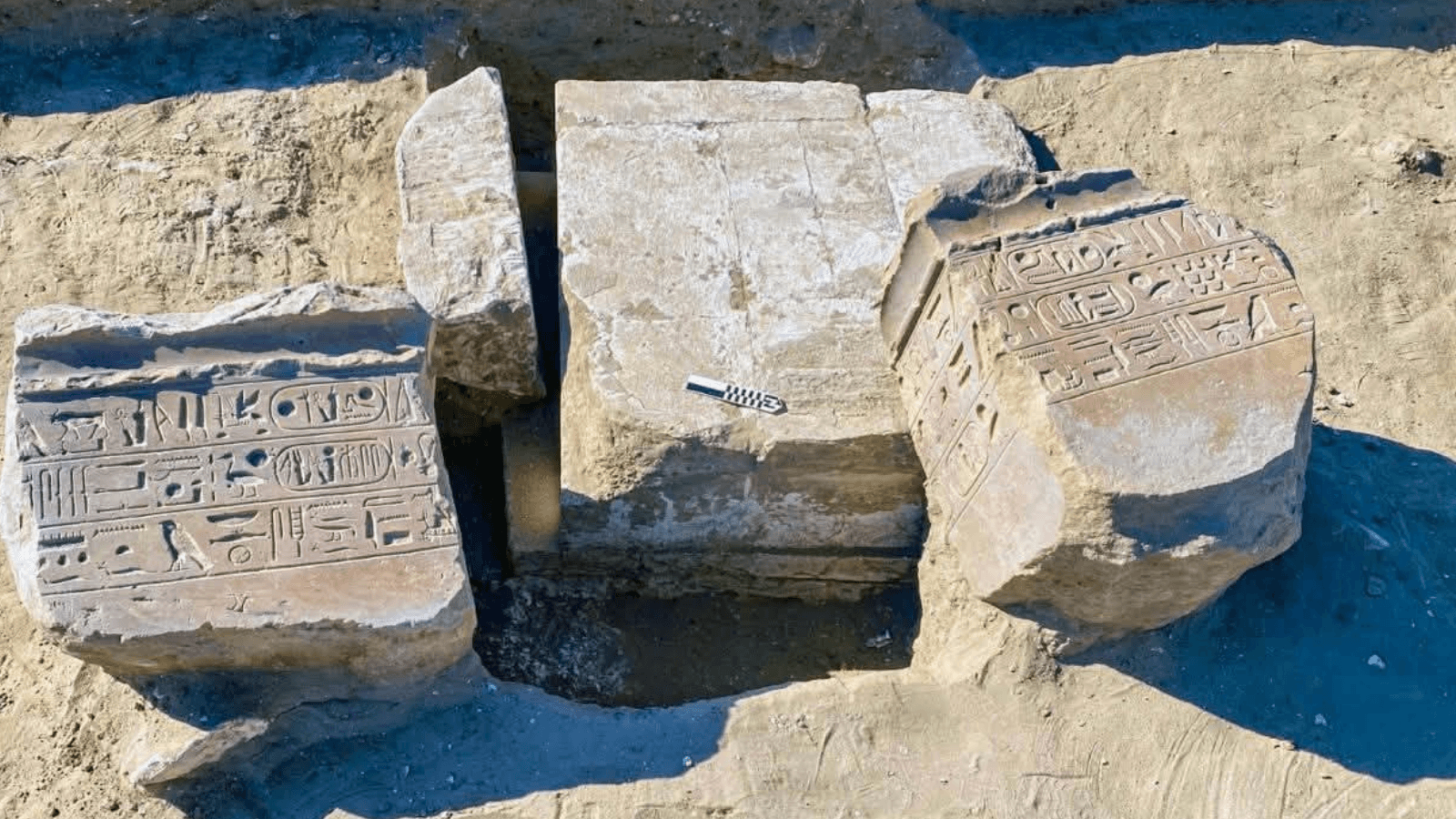
Ramesses II Inscription Offers New Clue to Egypt’s Lost City of Mesen
A massive sandstone lintel inscribed with the name of a long-lost ancient Egyptian city has emerged from excavations at Tell Abu Saifi, offering archaeologists one of their strongest clues yet to the possible location of Mesen. The discovery was made near East Qantara in Egypt’s Ismailia Governorate, where an Egyptian archaeological mission is investigating a…
-
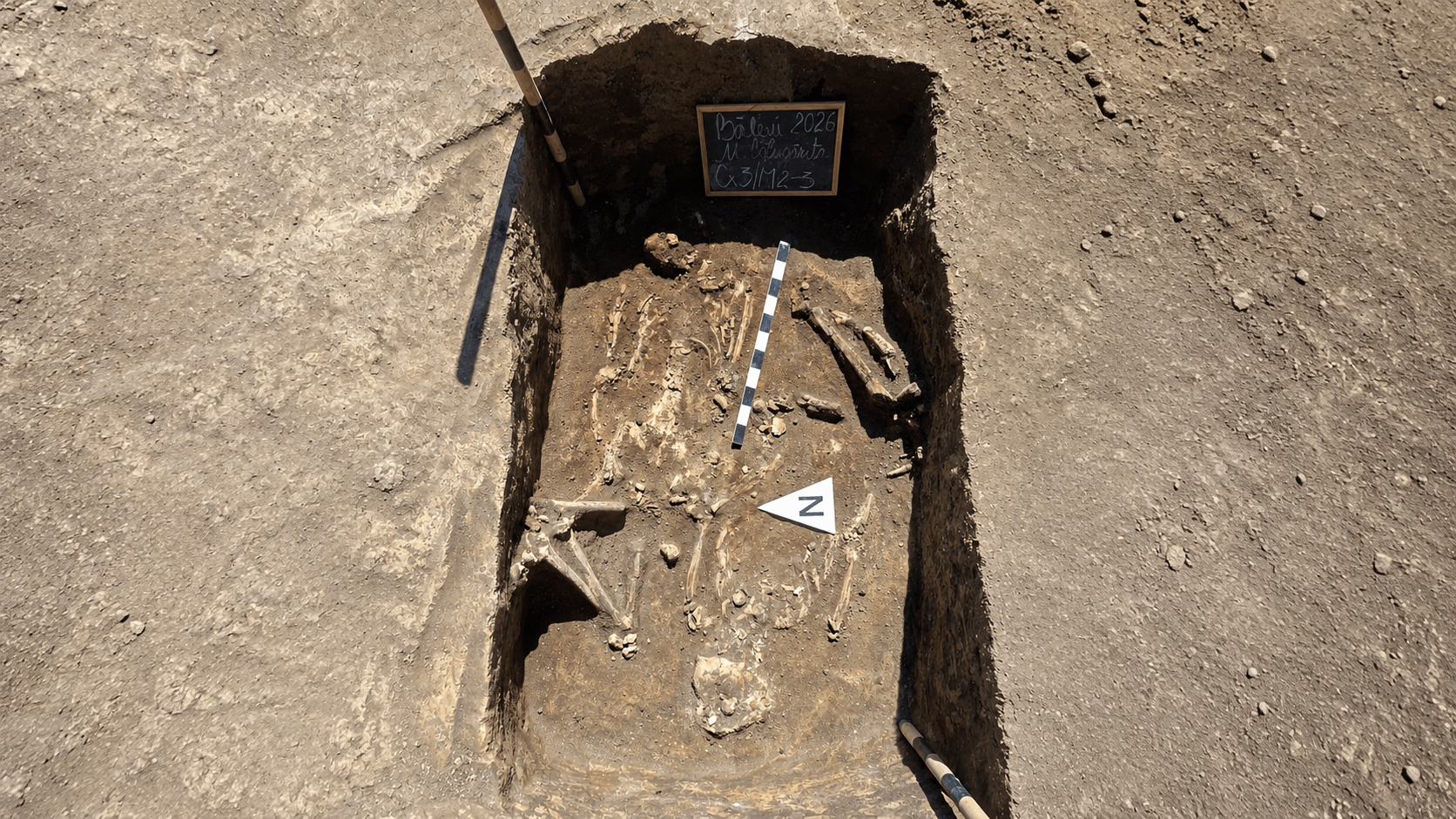
5,000-Year-Old Yamnaya Graves in Romania Reveal an Unusual Skull Placement
More than 5,000 years ago, several people were buried beneath a mound in what is now eastern Romania. Archaeologists have now uncovered four Yamnaya graves, including a double burial, revealing traces of an elaborate funerary tradition involving red ochre, wooden beams, matting and fire. One burial contained an especially unusual detail. The skull was not…
-
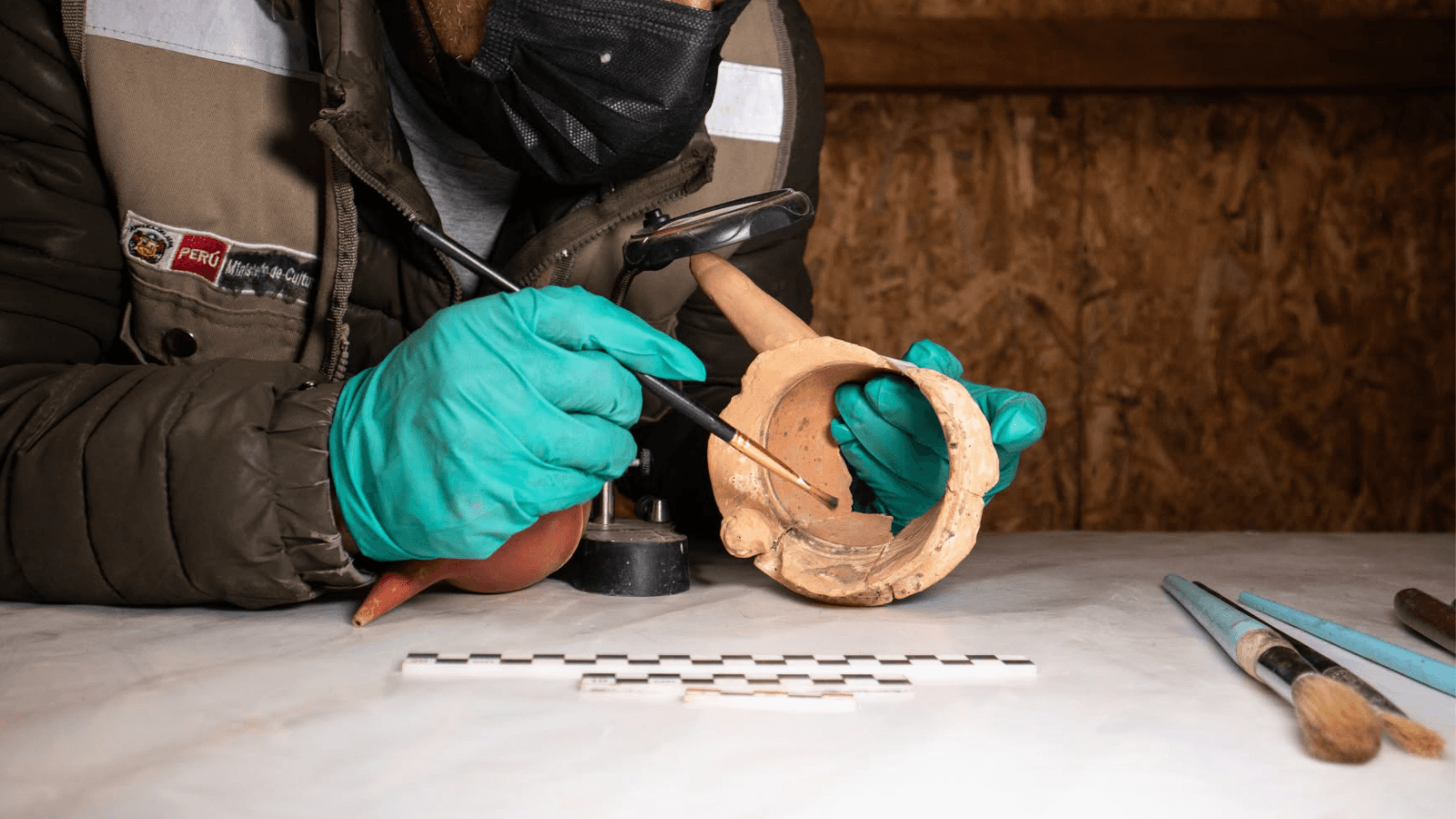
1,100-Year-Old Puma-Headed Vessel Unearthed at Peru’s Marcahuamachuco
Archaeologists working at Marcahuamachuco in northern Peru have uncovered a ceramic vessel modeled with the head of a puma, providing new evidence about ceremonial activity at one of the most important archaeological centers in the northern Peruvian Andes. The vessel was recovered during archaeological research and conservation work in the West Wall subsector of Marcahuamachuco,…
-
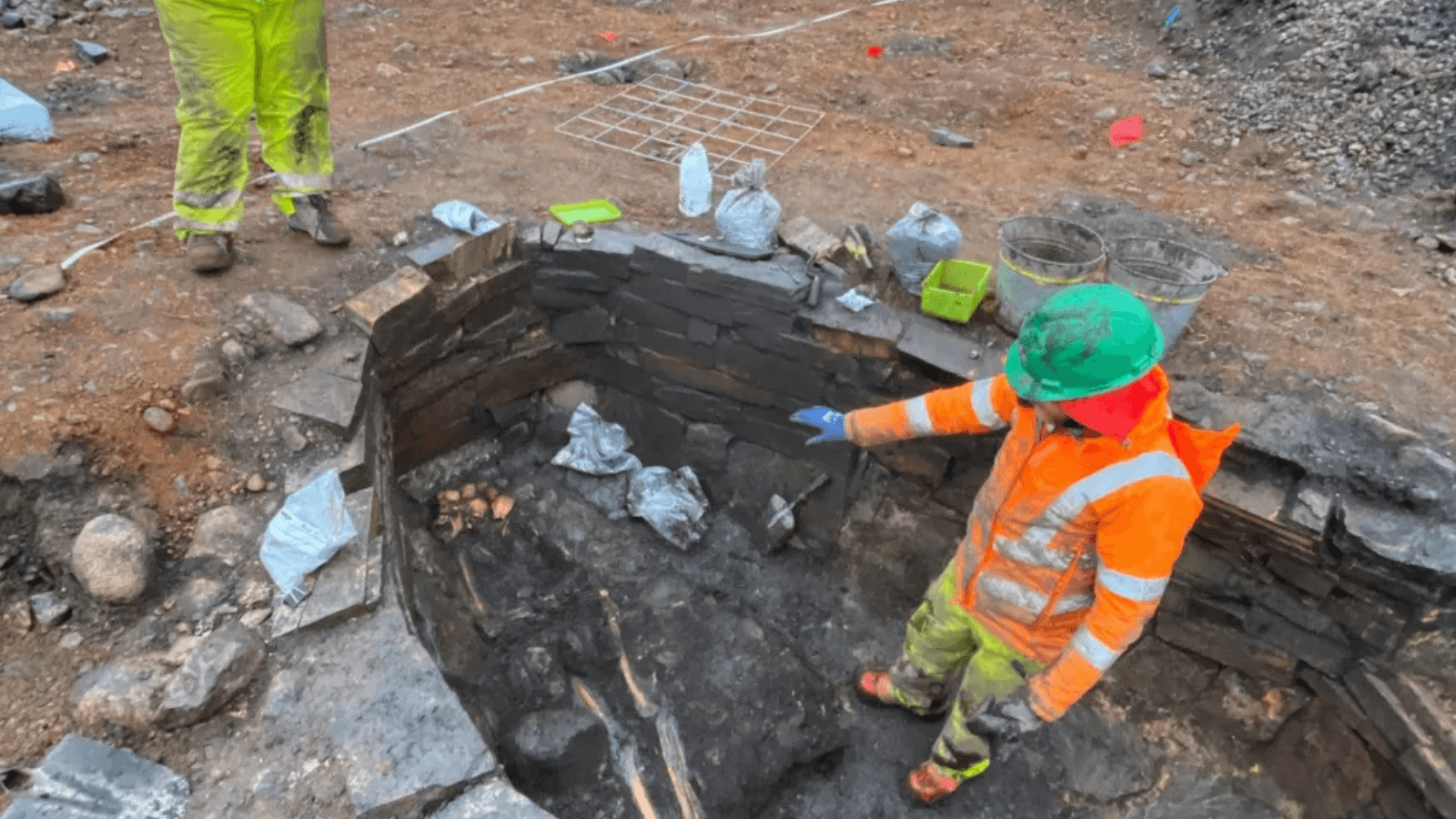
2,000-Year-Old Woman Found Buried in Possible Ritual Well at Iron Age Settlement in Scotland
Archaeologists working ahead of a quarry expansion in northern Scotland have uncovered the remains of a woman inside an unusually elaborate stone-lined structure dating to the Iron Age. The approximately 2,000-year-old burial was discovered at Evelix Quarry near Dornoch in Sutherland, where traces of what may have been an Iron Age settlement are also emerging.…
-
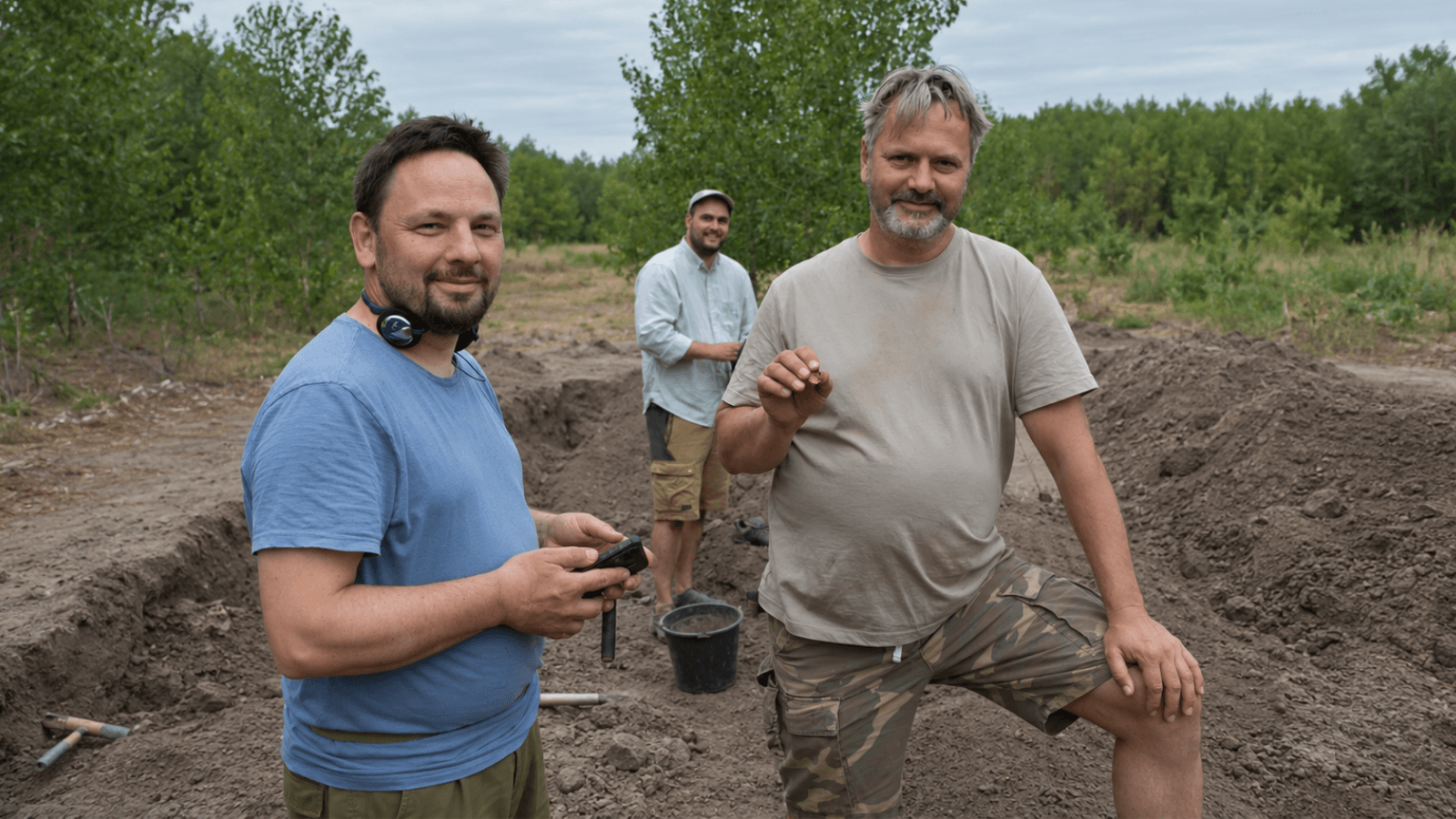
Rare Gold Fittings Found in 1,000-Year-Old Elite Grave at Undisclosed Site in Hungary
Rare gold fittings discovered at an undisclosed site in Hungary have been linked to an elite burial from the Hungarian Conquest period more than 1,000 years ago. The find was made at an undisclosed location in Pest County, where the exact site is being kept confidential while archaeological investigations continue. Officials say the location will…
-
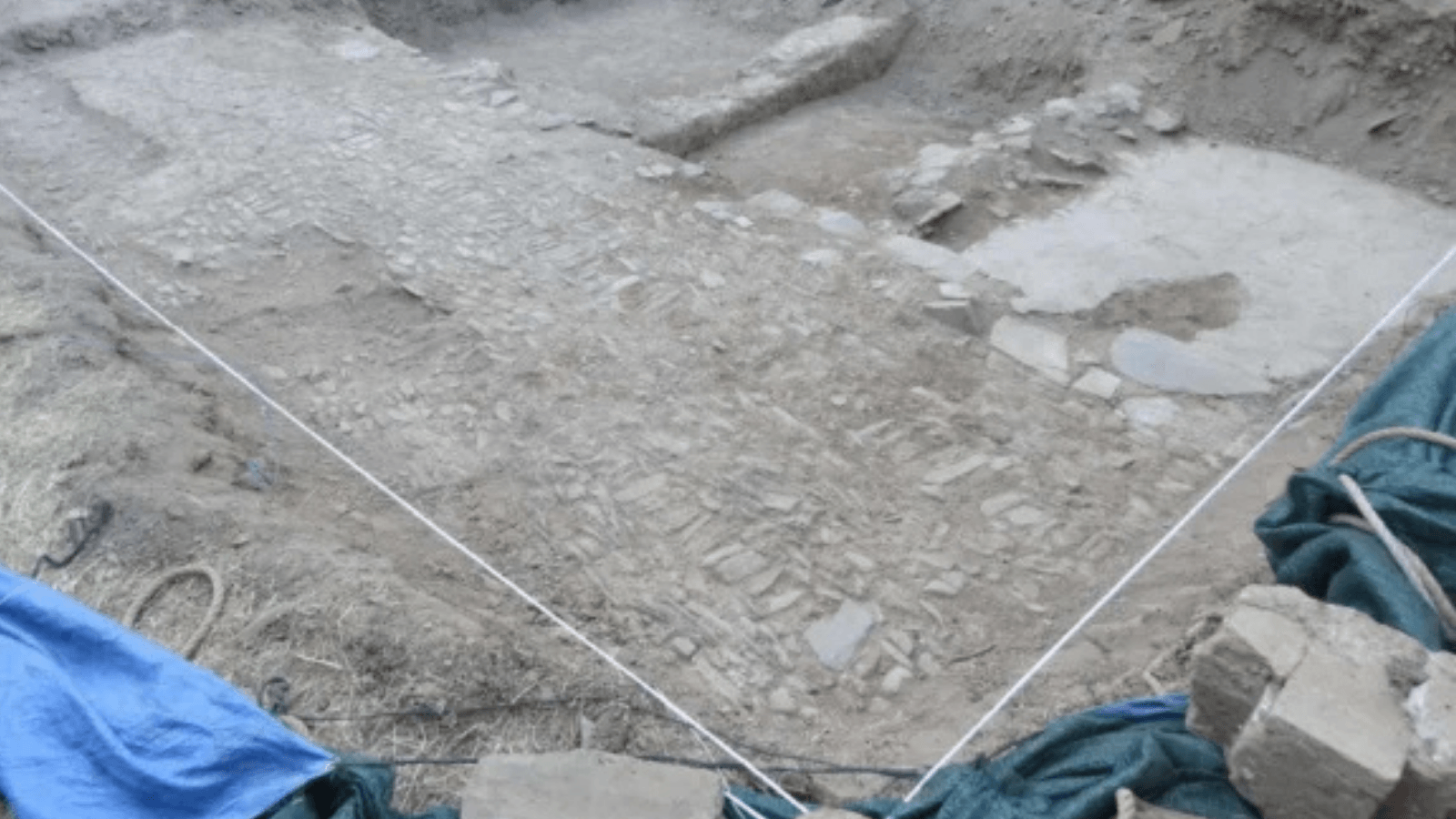
Archaeologists Trace Lost Royal Guesthouse Linked to Queen Isabella at Spain’s Guadalupe Monastery
Archaeologists working at the Royal Monastery of Santa María de Guadalupe in western Spain have uncovered remains of a lost royal guesthouse that disappeared in the 19th century, allowing researchers to begin reconstructing a building long known mainly through historical plans and drawings. The excavation revealed foundation trenches, part of a patterned floor and structural…
-
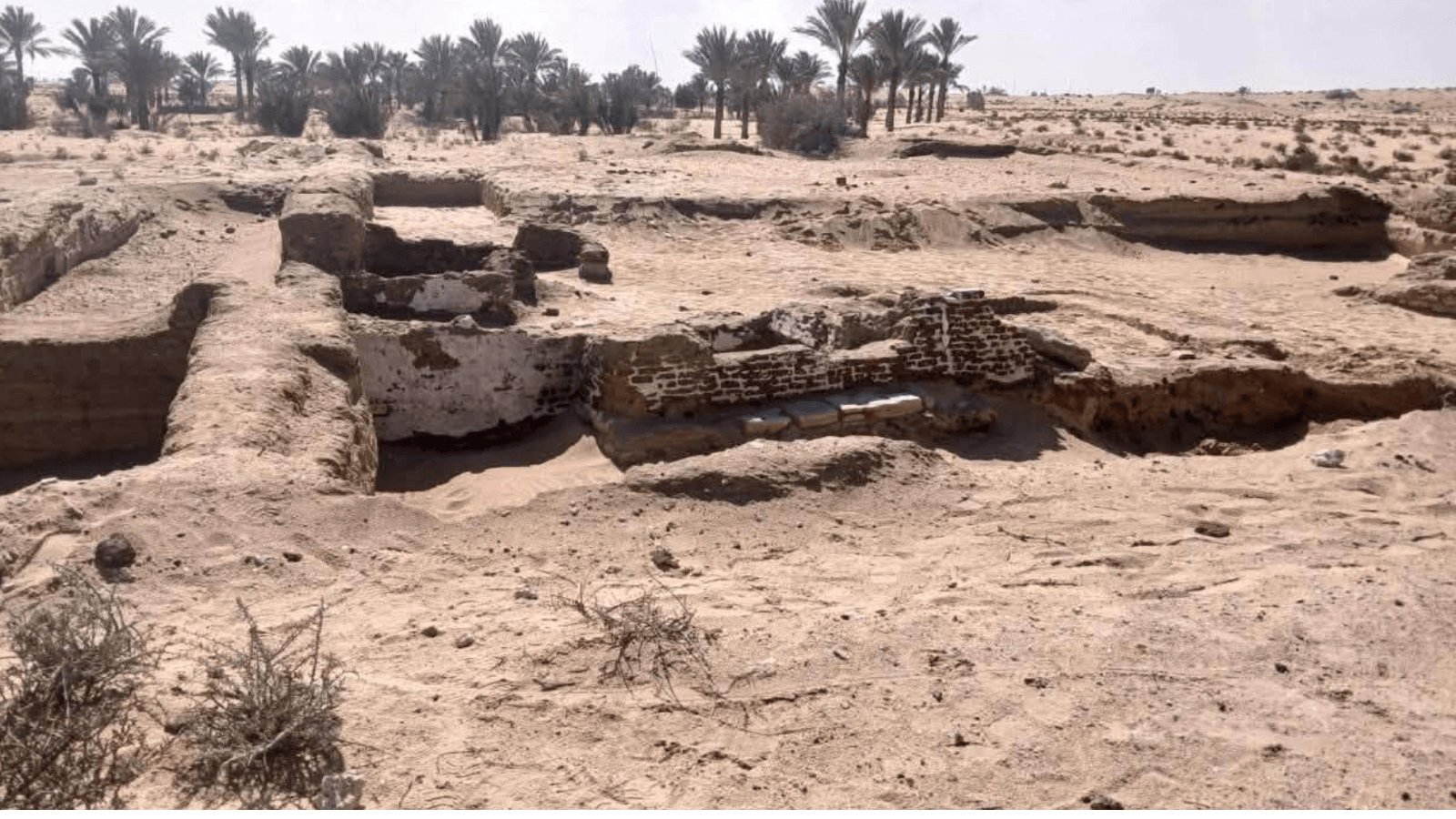
Buried Mamluk Caravanserai Unearthed in North Sinai on Egypt’s Historic Pilgrimage Route
Archaeologists in Egypt’s North Sinai have uncovered the remains of a medieval roadside complex believed to have served pilgrims and merchants travelling along one of the region’s most important historical routes. The structure was discovered at the site of Asila, where excavations by Egypt’s Supreme Council of Antiquities have exposed parts of what researchers believe…
-
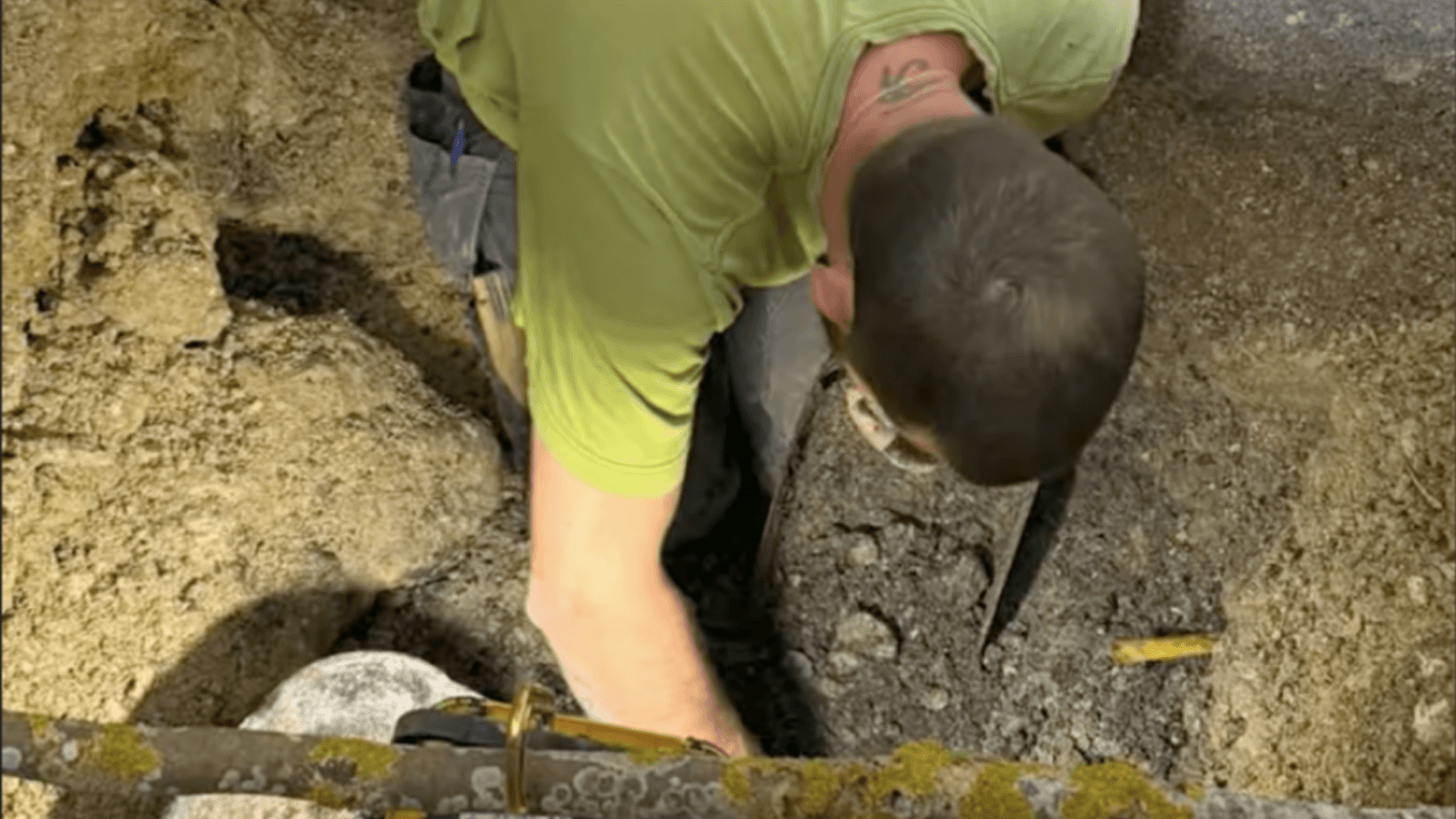
Around 9,000-Year-Old Remains of a Pregnant Woman and Fetus Found in Sweden
Archaeologists working inside a cave on a small Baltic island have uncovered the remains of a young pregnant woman with the bones of her unborn child still preserved in close anatomical association with her body, offering an exceptionally rare glimpse into life and death in Stone Age Scandinavia. The discovery was made in the Suder…
-
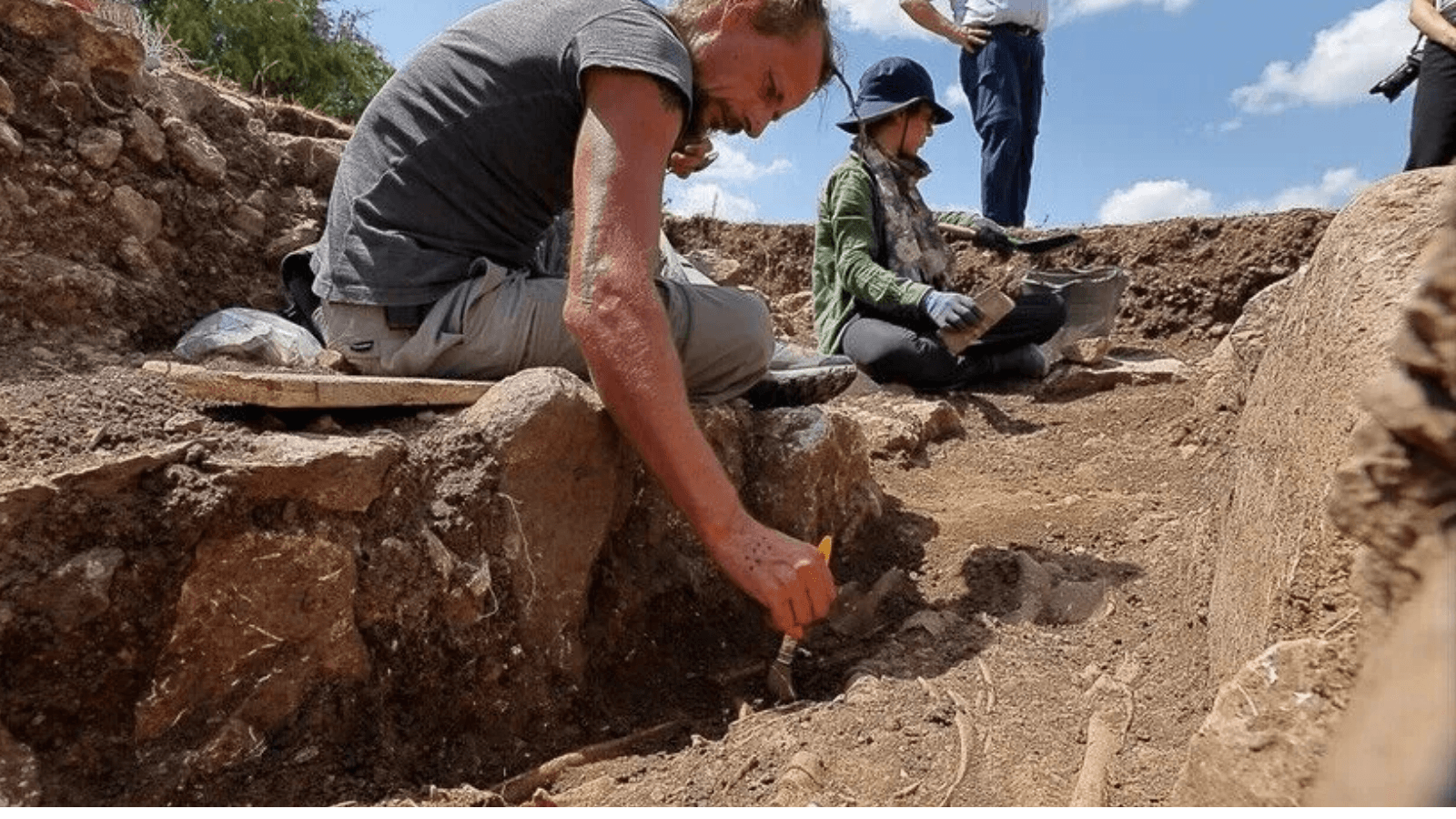
Complete 2,300-Year-Old Skeleton Found at Hattusa with Knife Beside the Shoulder
Archaeologists at Hattusa have uncovered a 2,300-year-old burial containing a complete human skeleton, with a knife lying beside the deceased’s right shoulder. The grave was discovered on the northwestern slope of the ancient city in central Türkiye and dates to the late 4th or 3rd century BC. That places it long after Hattusa’s famous role…