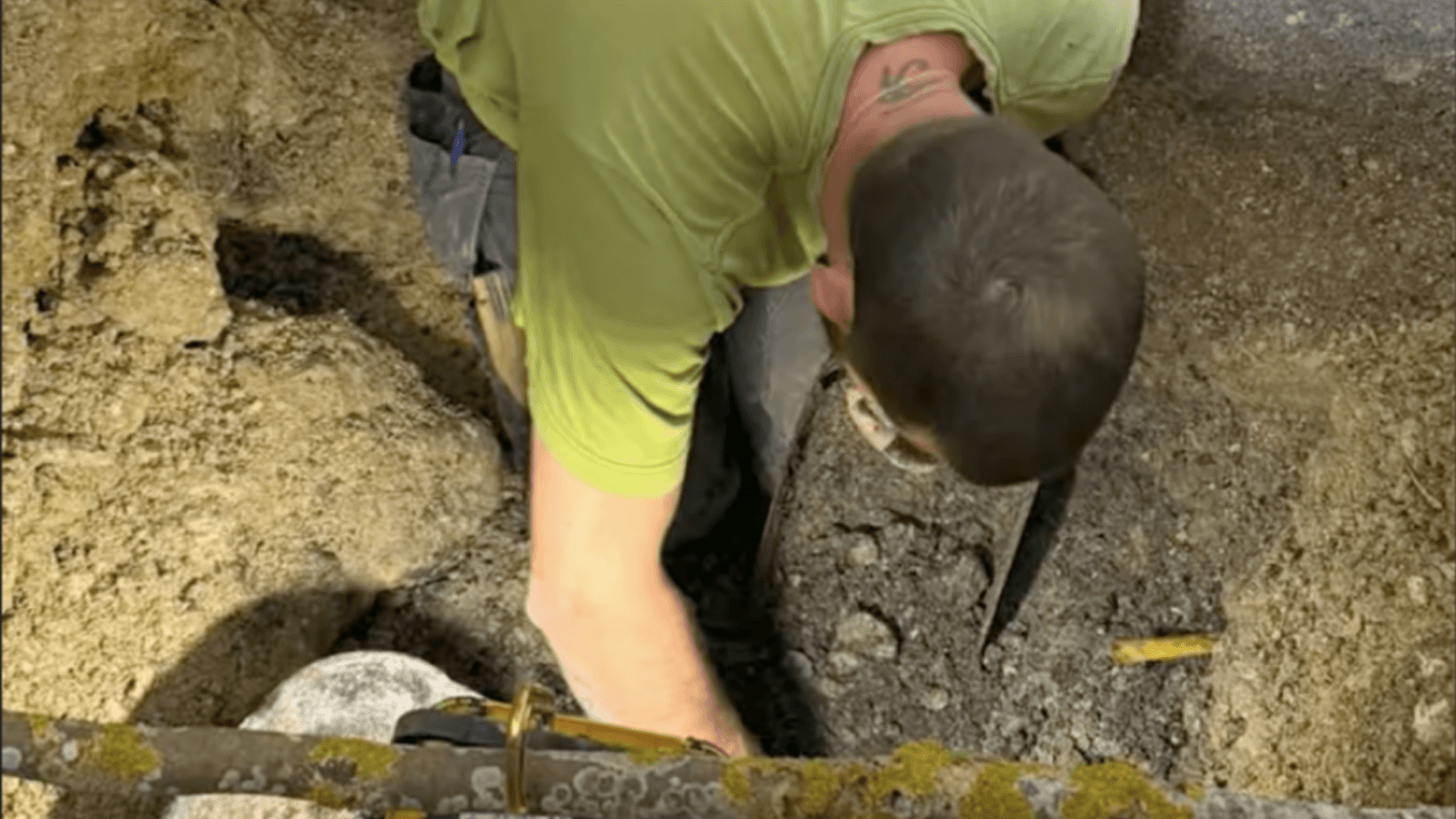
Archaeologists working inside a cave on a small Baltic island have uncovered the remains of a young pregnant woman with the bones of her unborn child still preserved in close anatomical association with her body, offering an exceptionally rare glimpse into life and death in Stone Age Scandinavia.
The discovery was made in the Suder Vagnhus cave on Lilla Karlsö, a small island west of Gotland, Sweden. The remains are thought to be around 9,000 years old based on the archaeological layer in which they were found, although the woman’s bones have not yet been directly radiocarbon dated.
Researchers estimate that the woman was between 14 and 19 years old when she died. Examination of the fetal remains indicates that she was approximately 32 to 34 weeks pregnant, placing the pregnancy well into the third trimester.
What makes the discovery particularly unusual is the relationship between the fetal bones and the woman’s skeleton. The remains appear to have stayed close to the area of her body where the fetus would have been during pregnancy.
A rare Stone Age discovery
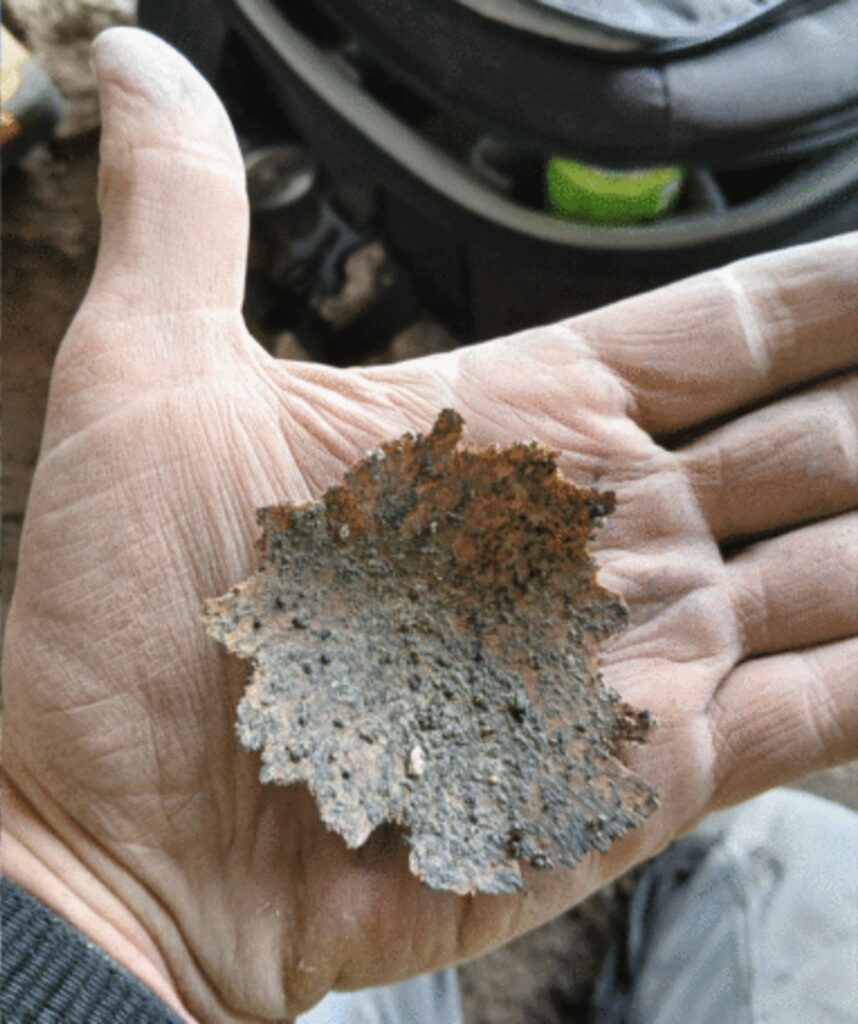
Remains of infants and fetuses are extremely unusual archaeological finds, according to archaeologist Alexander Sjöstrand, making the survival of the fetal bones especially significant.
Finding fetal remains together with a woman who died during pregnancy can provide archaeologists with evidence that is rarely preserved in prehistoric contexts.
The cause of the woman’s death is currently unknown, and there is no evidence showing that it was connected to her pregnancy.
Researchers hope further analysis of the skeleton will provide information about her health and physical condition. The remains may also offer clues about the development and nutrition of the fetus before death.
The 9,000-year date is still an estimate
Although the discovery has been described as approximately 9,000 years old, that age has not yet been established through direct radiocarbon dating of the woman’s remains.
Published estimates place the archaeological deposits associated with the discovery broadly within a period several thousand years into the Stone Age, with different reports giving ranges around the 9,000-year mark.
A radiocarbon sample from the bones is expected to provide a much more precise date.
DNA analysis is also planned on material taken from the remains. Researchers hope this may provide further information about the woman and her origins.
Another question is how she came to Gotland and whether she lived in the region permanently or only during part of the year.
At the time she is thought to have lived, the Baltic landscape was very different from today. Post-glacial changes were continuing to reshape coastlines and islands across the region, creating an environment in which waterways played a central role in movement and settlement.
Her burial position is still being reconstructed
Only part of the skeleton has been fully examined, and archaeologists are being cautious about reconstructing the woman’s burial position.
The surviving arrangement suggests that she may have been placed on her side with her body drawn up in a contracted position, sometimes described archaeologically as a Hocker position.
However, the skeleton has been affected by later processes inside the cave, including collapse and disturbance, making a complete reconstruction difficult.
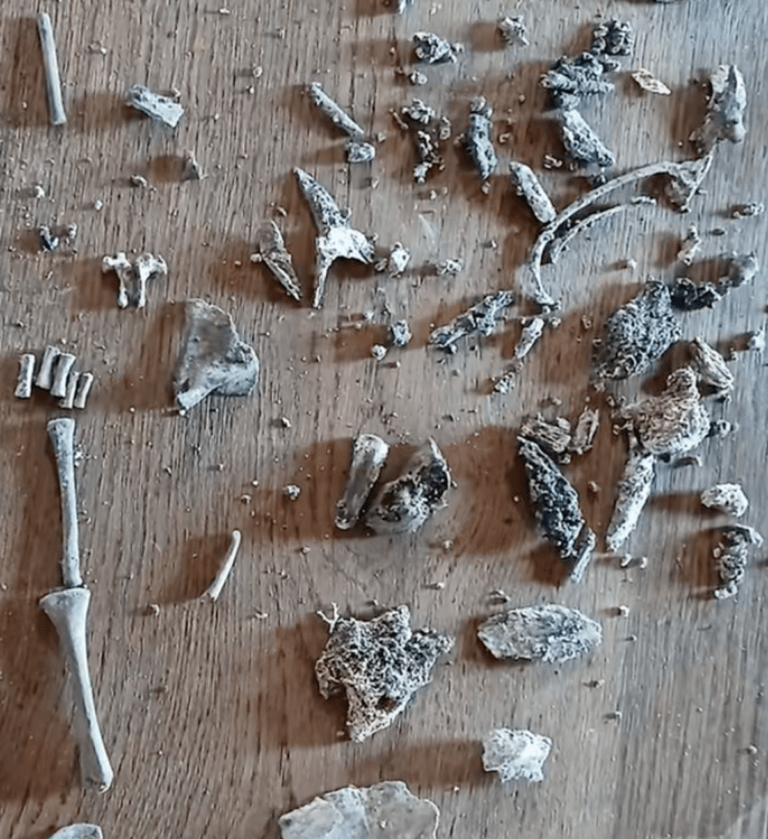
The fetal bones were identified during the careful excavation of the woman’s remains. Small limb bones were found close to her pelvis, followed by parts of the fetal skull.
Their position in relation to the adult skeleton led archaeologists to conclude that the woman had been pregnant when she was buried.
The fetus therefore does not appear to represent a separate burial placed beside her.
A cave preserving thousands of years of human activity
Archaeological investigations at Suder Vagnhus began in 2023 and are connected with research at Uppsala University’s Campus Gotland.
The cave contains evidence from very different periods, showing that people returned to the site repeatedly over thousands of years.
Previous excavation has revealed a well-preserved clay floor associated with the Viking Age, as well as wooden structures dating to around the eighth century AD. Much older organic material has survived in deeper deposits.
Researchers believe conditions inside the cave have played an important role in preserving fragile archaeological remains. Low oxygen levels and relatively stable conditions can slow the degradation of organic material that would often disappear at exposed sites.
Plant remains have also been recovered from the deeper Stone Age deposits, providing another source of evidence for reconstructing the environment surrounding the people who used the cave.
Nearby Stora Karlsö may eventually provide useful comparative material. Excavations there in the late nineteenth century uncovered human remains belonging to 15 individuals, including an infant, and some of those remains may date to broadly the same prehistoric period.
Radiocarbon dating may provide the next breakthrough
Several of the most important questions surrounding the woman remain unanswered.
Researchers do not yet know exactly when she died, where she came from or what caused her death. Direct radiocarbon dating should establish the chronology of the burial more firmly, while planned DNA analysis may provide additional information about her biological background.
Further examination of the skeleton could also reveal details about her health, diet and physical condition.
Even before those results are available, the discovery stands out for the survival of evidence rarely encountered in prehistoric archaeology: a young woman who died while heavily pregnant, with the remains of her unborn child still preserved in close association with her body thousands of years later.
An ancient burial on Sweden’s Lilla Karlsö island, where archaeologists uncovered evidence of one of the country’s earliest known prehistoric pregnancies. Credit: SVT Nyheter