
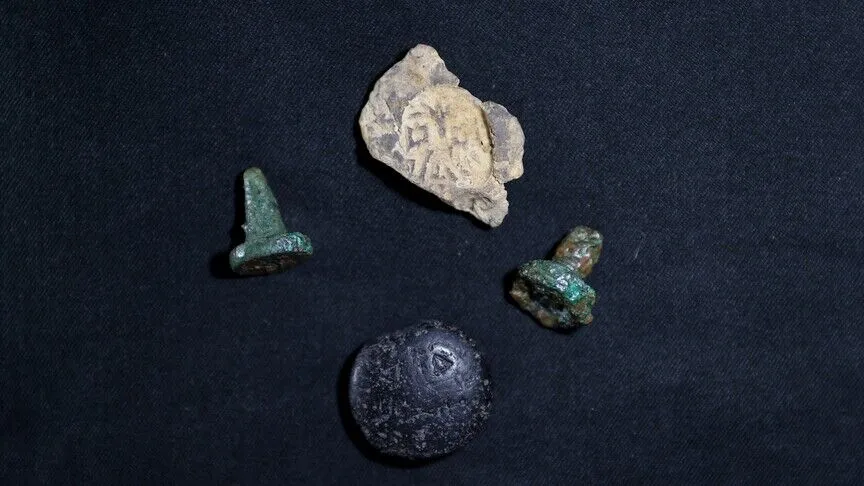
A stone seal discovered at Türkmen Karahöyük in central Türkiye preserves the name and title of an official called Kurunti-ziti, offering new evidence for an organized administrative system on the Konya Plain during the Late Bronze Age.
Most Bronze Age administrators vanished without leaving their names behind. Their documents decayed, their offices disappeared and the daily transactions they supervised were forgotten.
At Türkmen Karahöyük, however, one official left a small but durable trace.
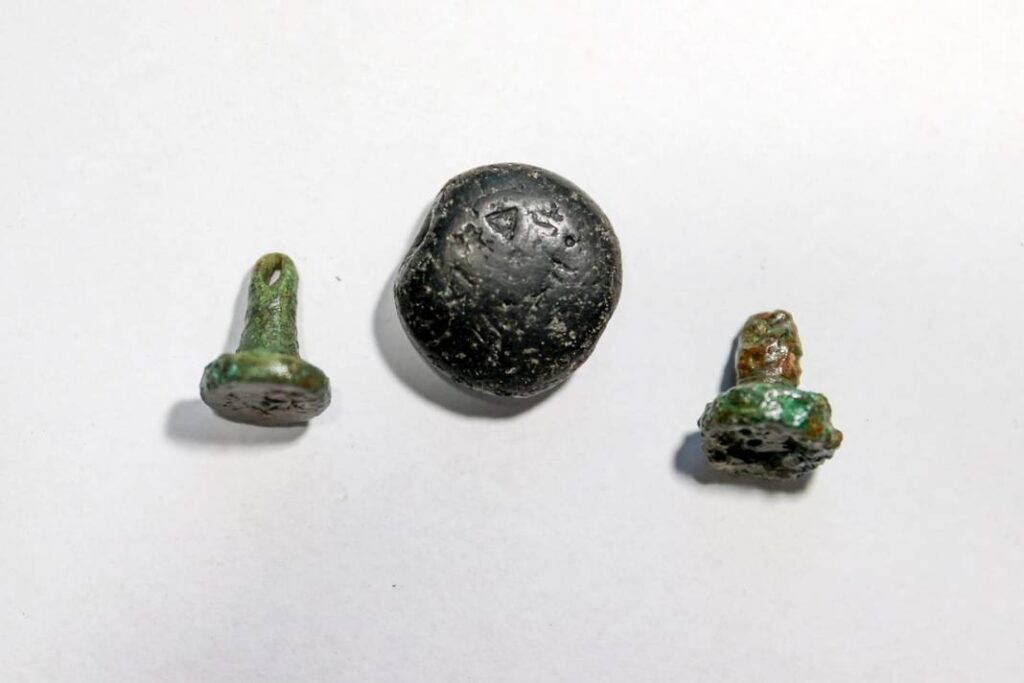
Archaeologists excavating the vast settlement near Çumra in Türkiye’s Konya province have uncovered a stone seal inscribed in Hieroglyphic Luwian. Dated to approximately 1500–1400 BCE, it bears the name Kurunti-ziti alongside an administrative title.
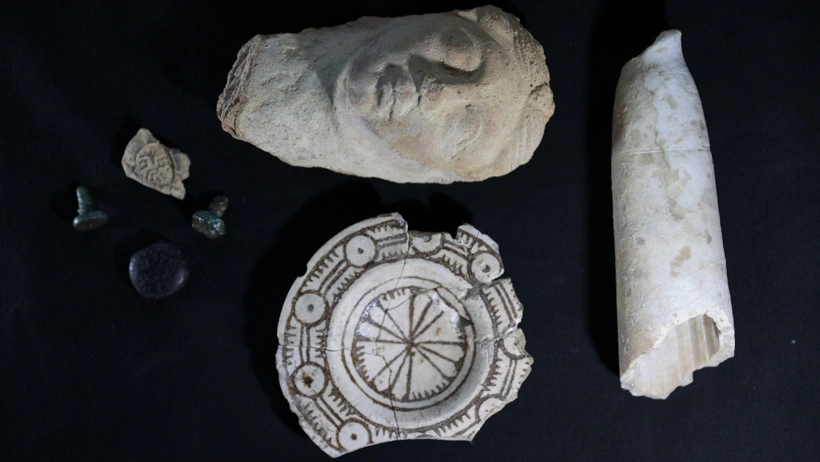
Two copper seals and a clay sealing carrying another individual’s name were also recovered. Together, the finds provide new evidence that Türkmen Karahöyük supported an organized bureaucracy during the Late Bronze Age.
The official named Kurunti-ziti
Kurunti-ziti’s name appears to incorporate Kurunta, an important deity in the Hittite and Luwian religious world associated with hunting and wild animals.
The presence of both a personal name and a title makes the stone seal particularly significant. It likely belonged to an official connected with the administration of the settlement or its surrounding territory.
Although Kurunti-ziti may not have occupied the highest level of political authority, his seal suggests that he held a recognized position within a broader hierarchy.
The clay sealing bearing another name is equally important. It indicates that more than one individual was represented within the site’s administrative record, pointing to a system in which different officials held defined responsibilities.
How seals powered Bronze Age administration
Seals were essential tools of government in Bronze Age Anatolia.
Officials pressed them into wet clay to authenticate documents, secure containers and control goods moving through institutional storage or distribution systems. The impression identified the person responsible for approving a transaction or protecting access to a shipment, storeroom or document.
The discovery of several seals and sealings at Türkmen Karahöyük therefore suggests more than individual ownership. It points to an administrative structure capable of assigning authority, monitoring goods and recording responsibility.
Excavation co-director Michele Rüzgar Massa said the finds provide evidence for bureaucracy and a state hierarchy at the settlement during the Late Bronze Age.
Even brief inscriptions containing a name and title can be valuable because they reveal the officials who worked below the level of kings and royal families—people who rarely appear in monumental texts.
Why Türkmen Karahöyük matters
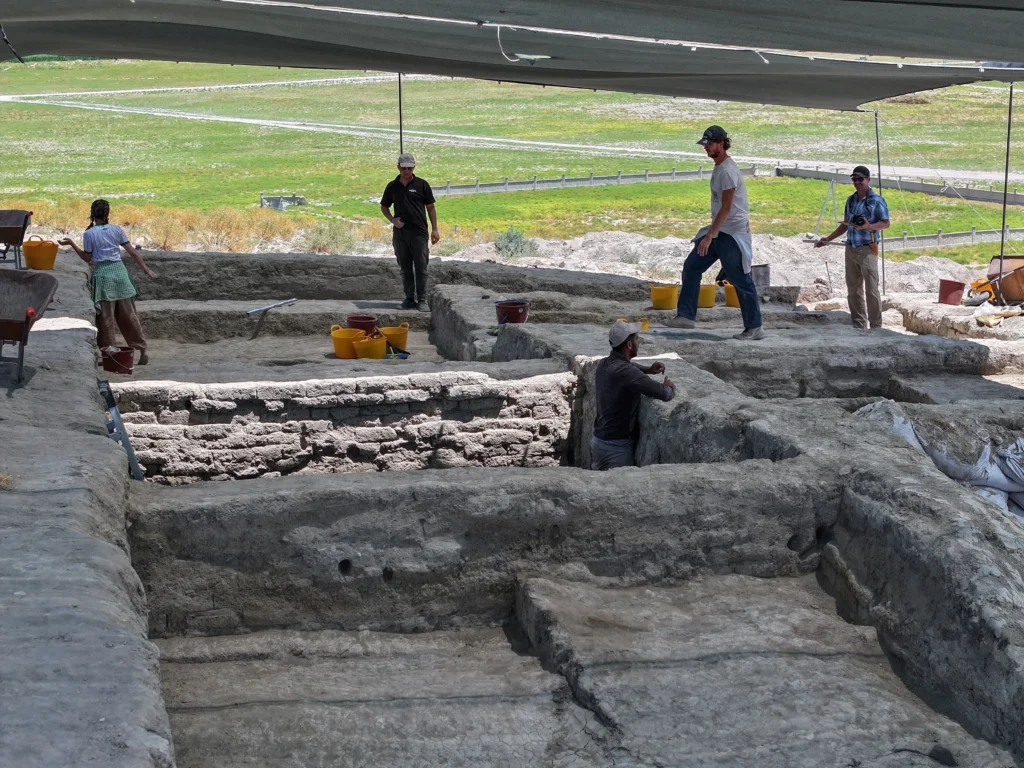
Türkmen Karahöyük rises approximately 35 meters above the Konya Plain and covers nearly 30 hectares. The wider settlement extended beyond the main mound, making it one of the largest pre-Roman archaeological sites in central Anatolia.
The site was occupied for thousands of years, from prehistoric periods through the Bronze and Iron Ages and into the Hellenistic era.
Türkmen Karahöyük has also been proposed as a candidate for Tarhuntašša, an important Hittite royal center whose location remains uncertain. The new seals do not prove that identification, but they strengthen the interpretation of the settlement as a major regional center with the administrative capacity expected of a politically important city.
The site was already known for a monumental Hieroglyphic Luwian inscription discovered nearby in 2019. That text named Great King Hartapu and demonstrated Türkmen Karahöyük’s political importance during the Iron Age.
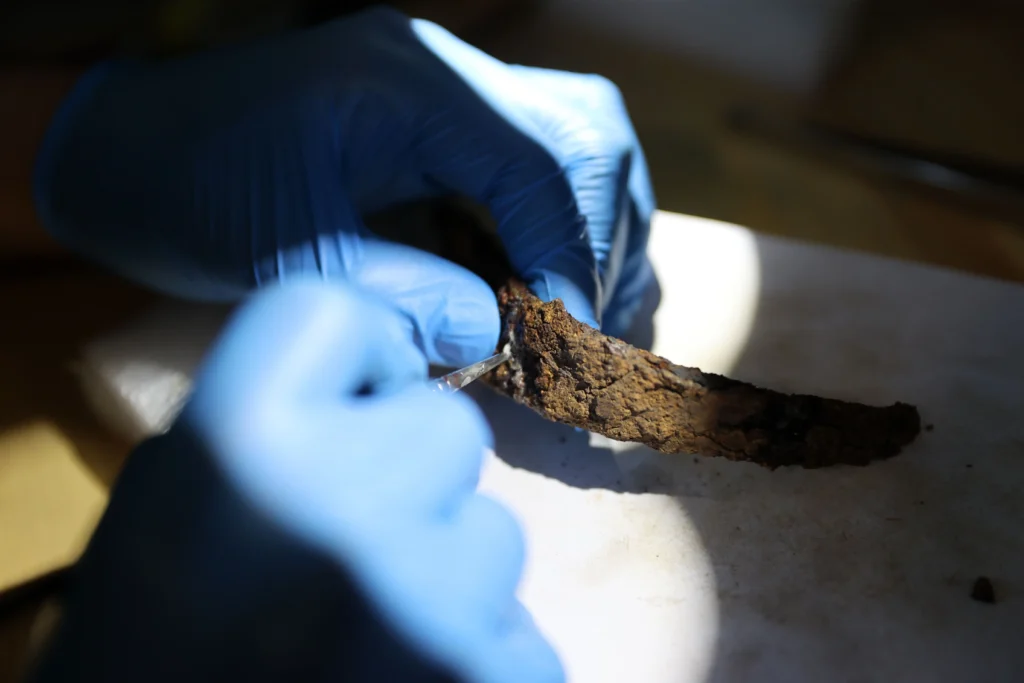
The newly uncovered seals now push evidence for institutional authority at the settlement several centuries further back, into the Late Bronze Age.
Excavations are co-directed by Michele Rüzgar Massa of Bilkent University and James Osborne of the University of Chicago. As work continues across the mound, researchers hope to clarify Türkmen Karahöyük’s changing role within the political landscape of ancient Anatolia.
For now, the seal has restored one name to that history.
Kurunti-ziti was not remembered through a royal monument or a record of conquest. His identity survived on a small object likely used in routine administration—and after 3,500 years, it has returned a Bronze Age official to the historical record.