-
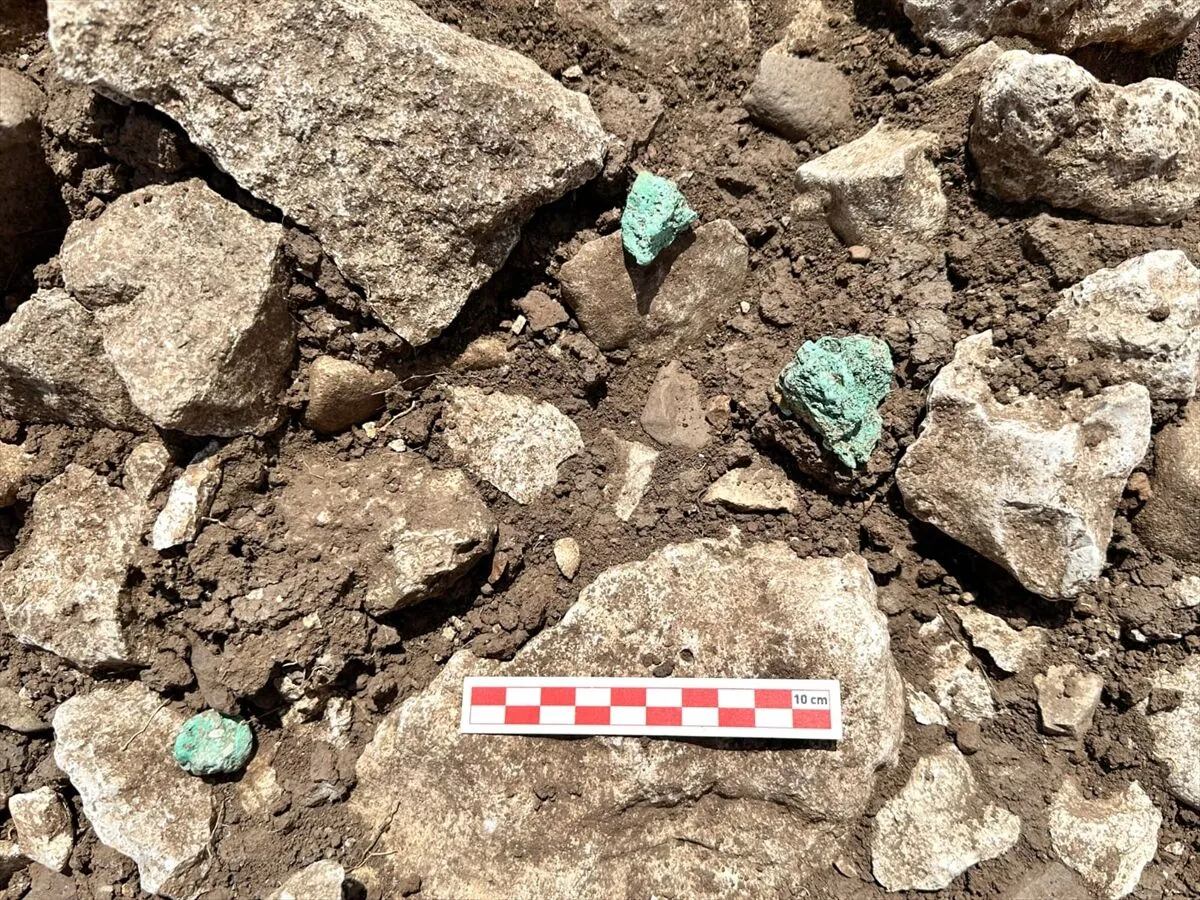
9,000-Year-Old Workshop Discovered in Türkiye Reveals Neolithic Malachite Processing and Copper Working
Archaeologists have discovered a 9,000-year-old malachite and copper workshop at Çayönü Tepesi in southeastern Türkiye. The stone-paved workspace contained raw and partly worked malachite, processed samples, copper beads and other copper objects, preserving several stages of Neolithic production within the same excavated area. The excavation team uncovered the workshop during the 2026 season near Ergani…
-

Journal Retracts Study Claiming Satellite Radar Revealed Hidden Structures Inside the Great Pyramid
A scientific paper claiming that satellite radar data had revealed previously unknown rooms, corridors and tunnels inside the Great Pyramid of Giza has been retracted. Remote Sensing, which published the study in 2022, said an investigation found serious methodological flaws and statistical errors that undermined its conclusions. The decision also casts new doubt on later…
-
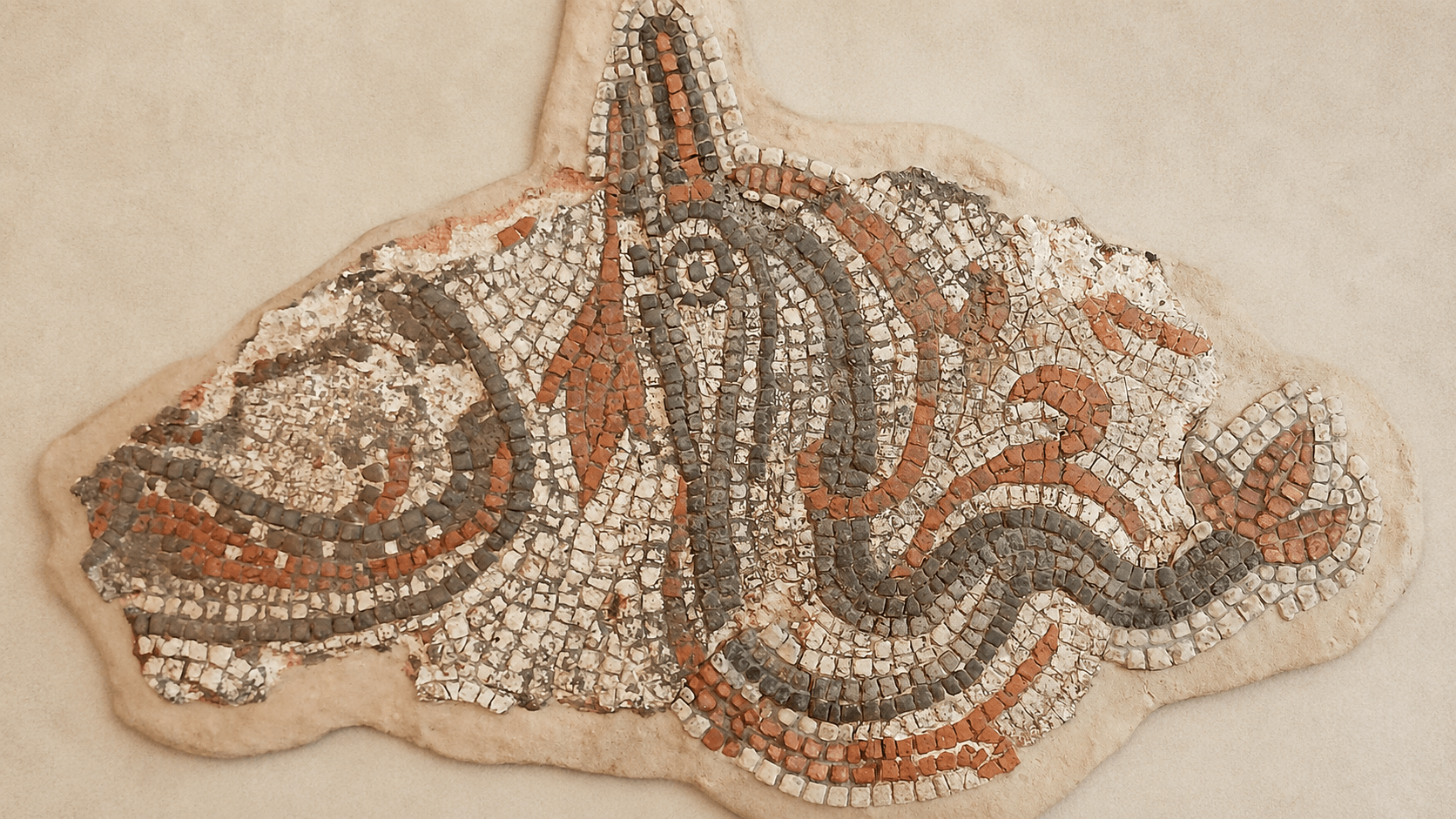
Lost Roman Sea Mosaic in England Survives Through One Fragment and an 18th-Century Drawing
For more than two centuries, a Roman sea mosaic discovered beneath Cirencester survived largely as an image on paper. The pavement itself disappeared beneath the changing streets of the English town, but a single fragment rescued from beneath a house in the 1980s has now returned to the Corinium Museum. The fragment does not represent…
-
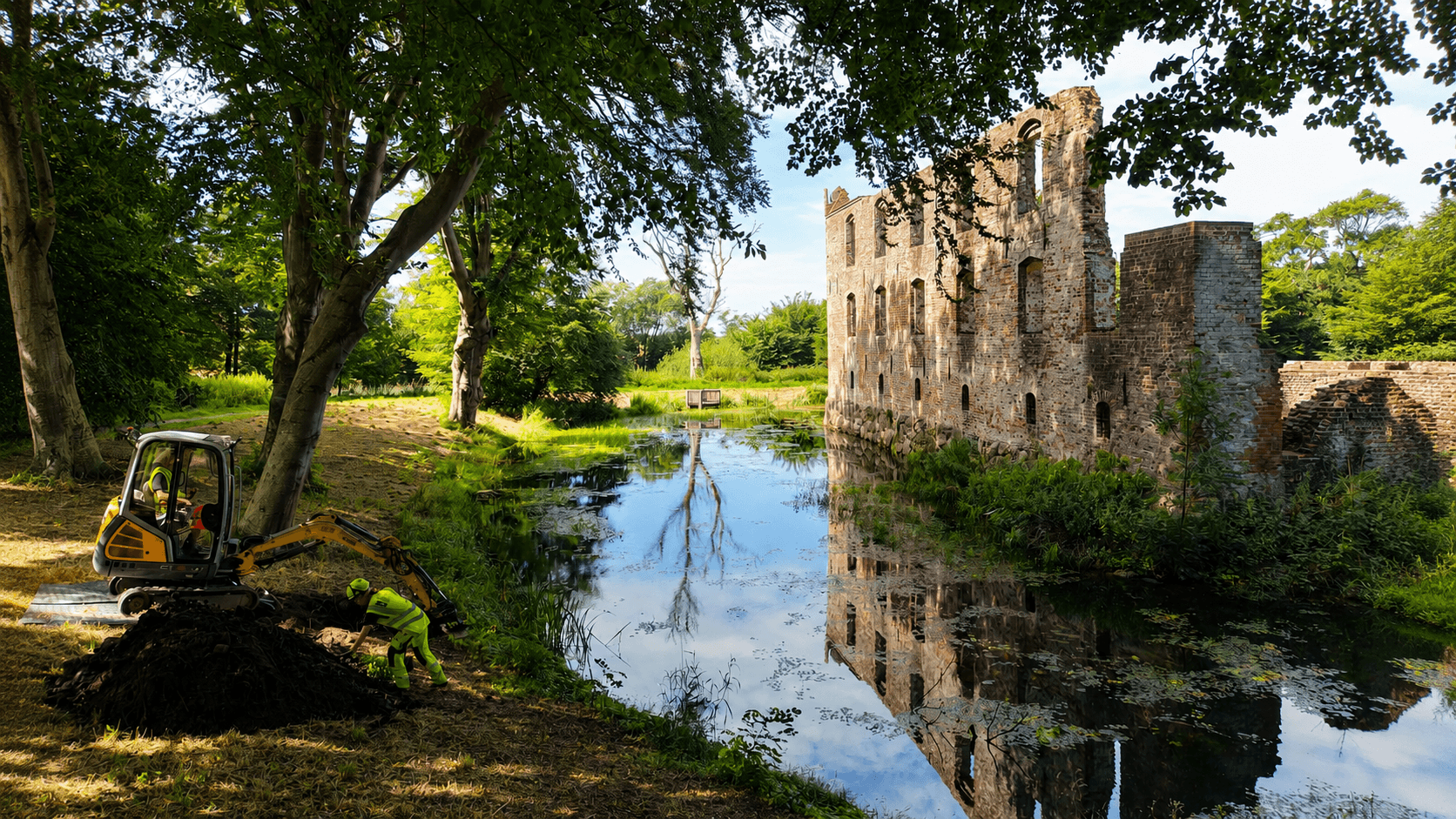
Wooden Foundations Found Beneath the Entrance to Denmark’s Trøjborg Castle
Worked wooden piles uncovered at the entrance to Denmark’s Trøjborg Castle may belong to a former gatehouse. Tree-ring dating could reveal whether they formed part of the medieval fortress or the Renaissance castle built over it centuries later. Archaeologists from Museum Sønderjylland encountered the timbers while monitoring construction at the protected castle ruin near Visby…
-
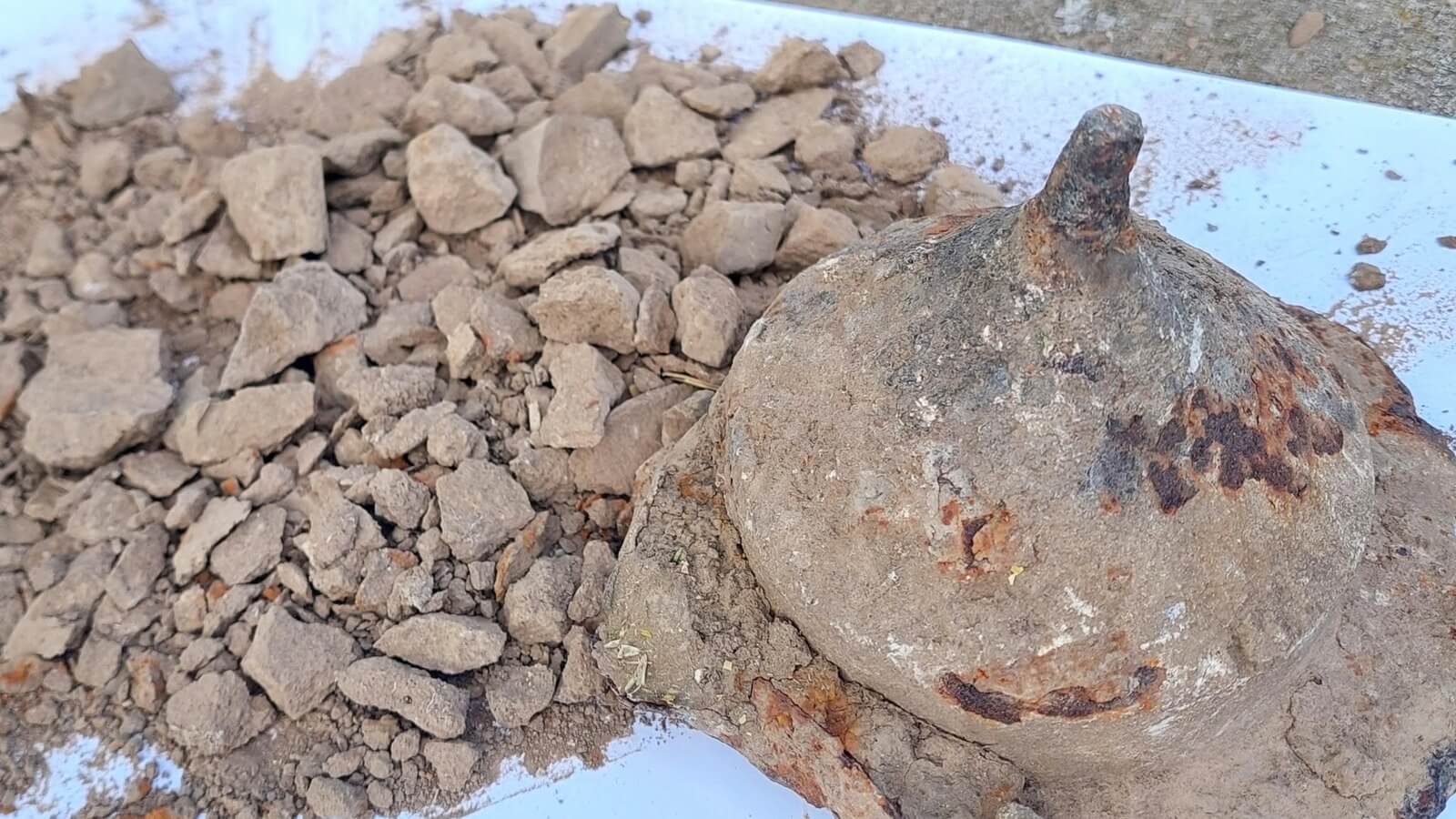
1,800-Year-Old Shield Boss Found in Polish Scrapyard May Lead to a Lost Warrior Cemetery
An iron shield fitting rescued from a scrapyard in eastern Poland has been identified as a 1,800-year-old archaeological artifact. Inside it, museum specialists found something even more revealing: soil containing burned human bones, apparently preserved from a cremation grave whose location remains unknown. Włodzimierz Starykiewicz discovered the object at a scrapyard in Hrubieszów, close to…
-
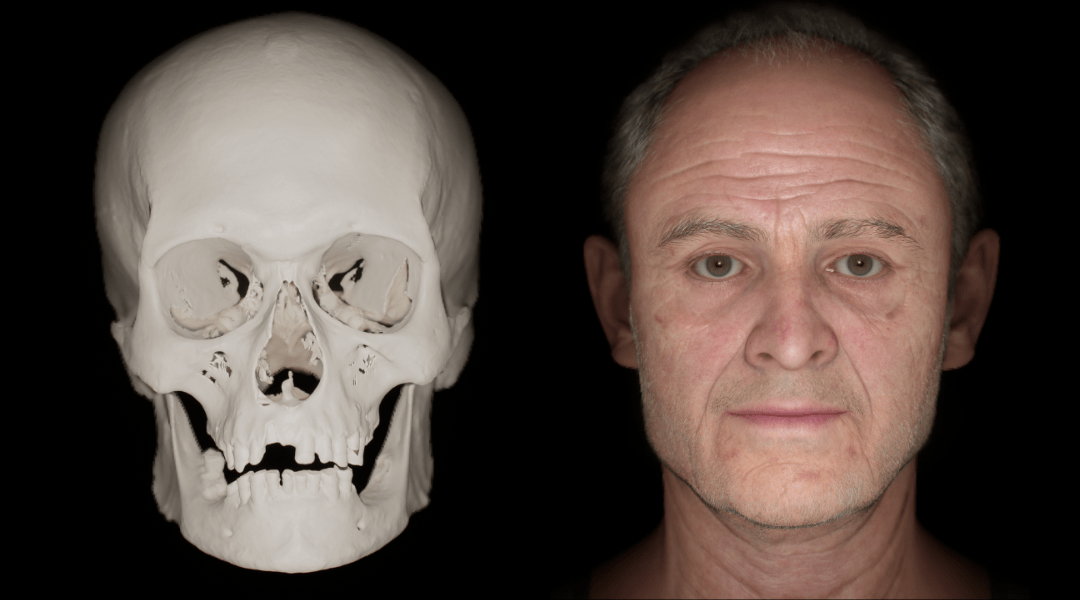
Face of “Conquest Man,” Buried Soon After the Norman Conquest, Reconstructed in England
The face of “Conquest Man,” an individual buried in England shortly after the Norman Conquest, has been digitally reconstructed from his 1,000-year-old skull. His burial combined a Christian setting with Scandinavian-influenced grave goods, while scientific tests indicate substantial continental European ancestry. His skeleton was excavated at St Peter’s Church in Barton-upon-Humber, North Lincolnshire. He was…
-
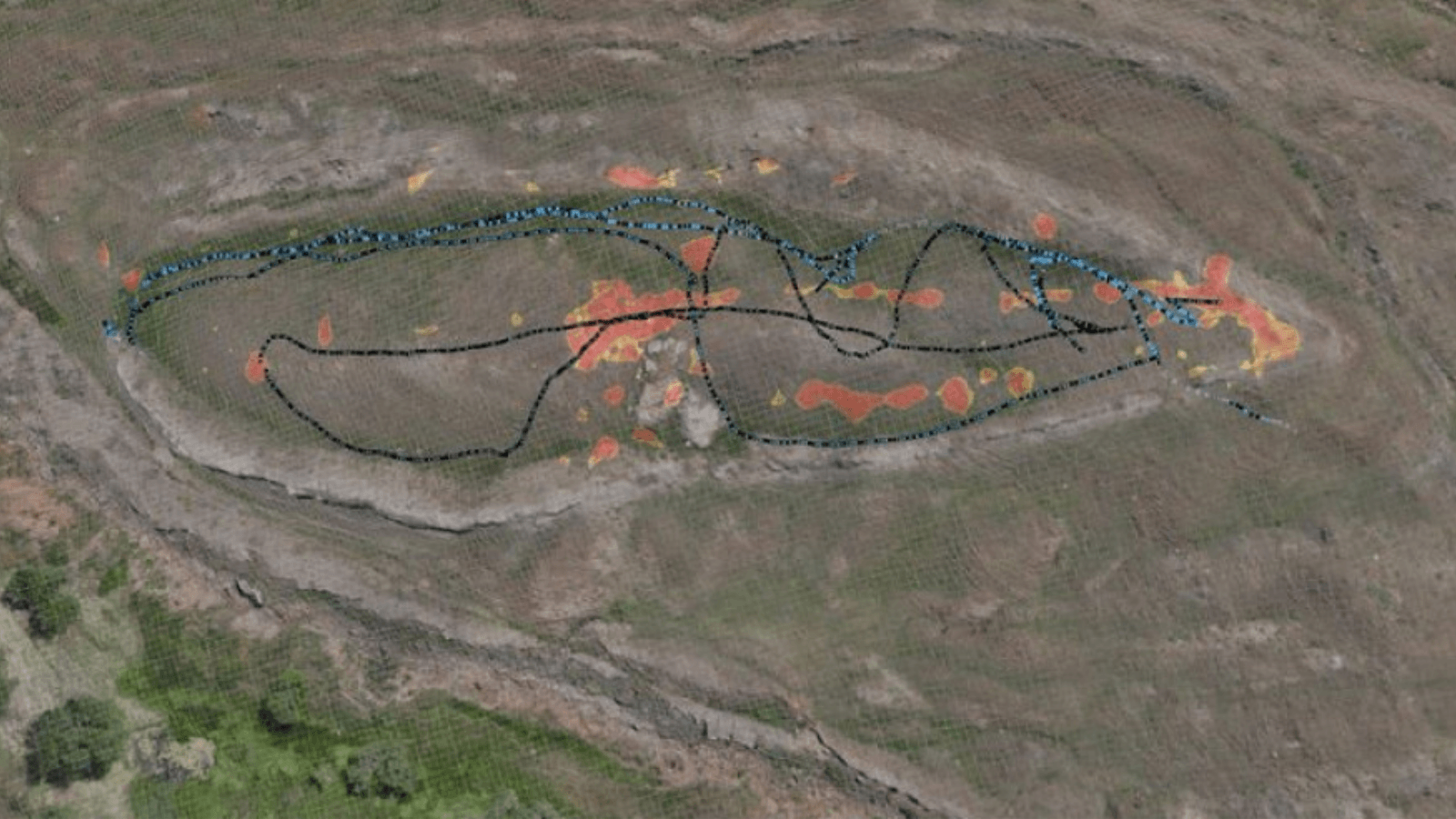
Radar Built to Find Military Tunnels Tests Turkey’s Noah’s Ark-Shaped Formation
A radar built to find military tunnels and buried objects is now testing what lies beneath Turkey’s Noah’s Ark-shaped Durupınar Formation. Its first survey identified angular anomalies and possible cavities, giving researchers new targets for physical sampling. Known as BakhtarRadar, the technology emerged from research supported by the US Air Force. Its deployment at Durupınar…
-
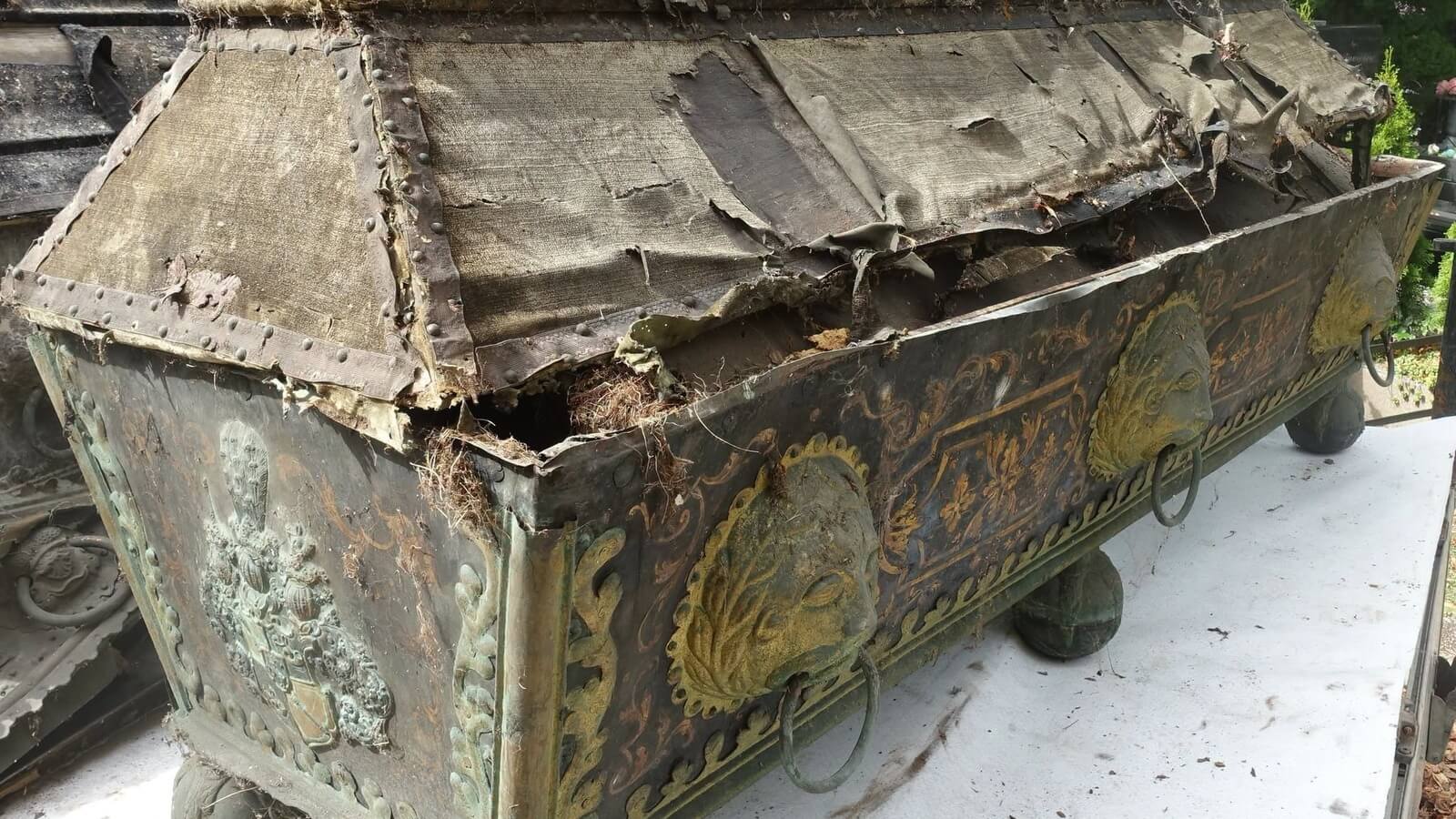
18th-Century Aristocratic Sarcophagi Identified Inside Another Family’s Mausoleum in Poland
18th-century aristocratic sarcophagi belonging to the von Hochberg family have been identified among more than 25 historic coffins and funerary objects documented inside another family’s mausoleum in southwestern Poland. Researchers linked eight burials to named members of the dynasty, including the man who transformed Książ Castle into a Baroque residence. The burials were examined on…
-
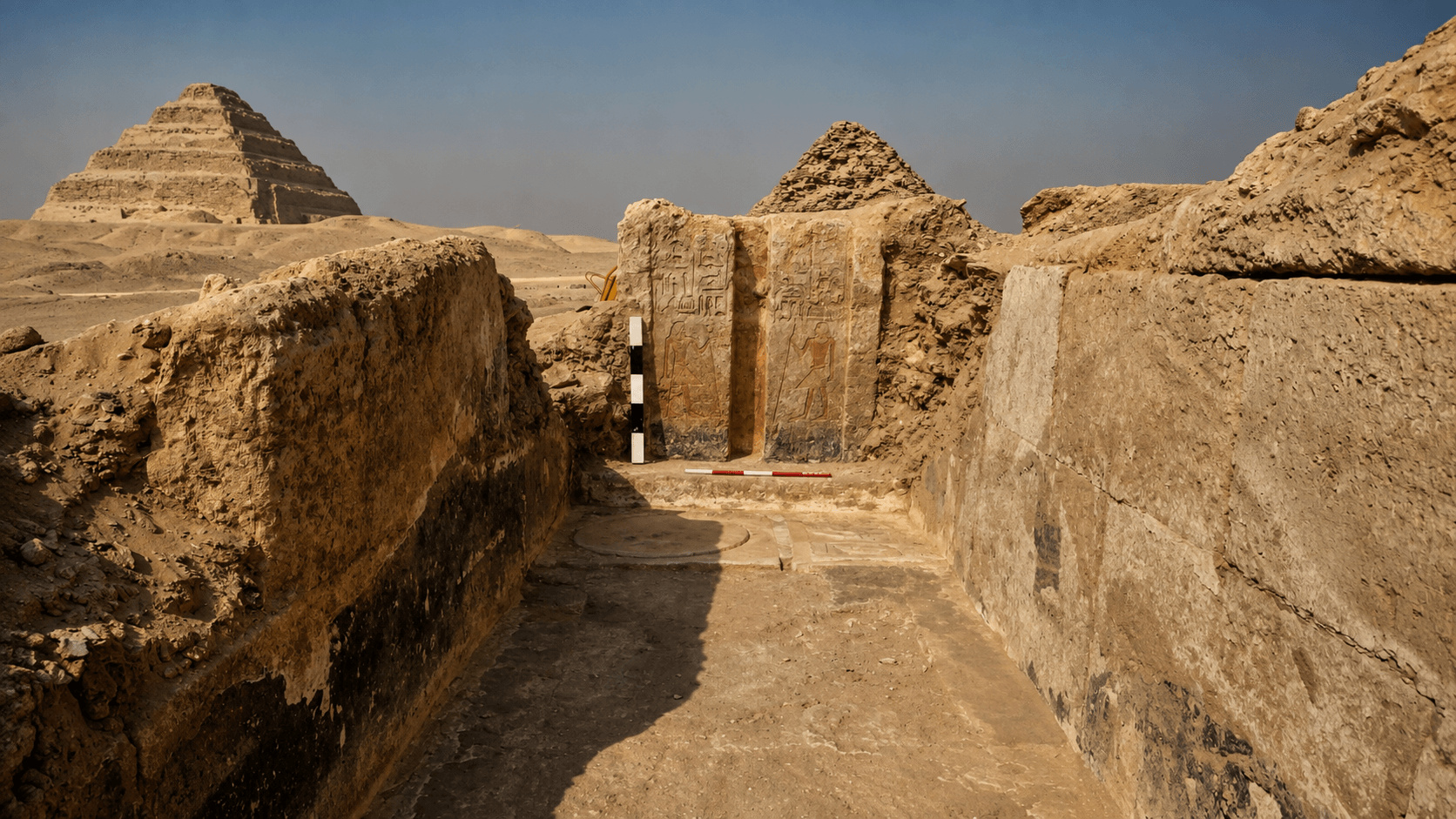
Old Kingdom Tomb of High-Ranking Royal Official Found at Saqqara Reveals a Necropolis Reused Across Eras
Archaeologists at Saqqara have uncovered the Old Kingdom tomb of a high-ranking Egyptian official named Sekhentiu-Ptah, together with part of his funerary chapel, an inscribed false door and a group of alabaster ritual objects still preserved in their original setting. The excavation also exposed a network of burial shafts containing later human burials, painted funerary…