-
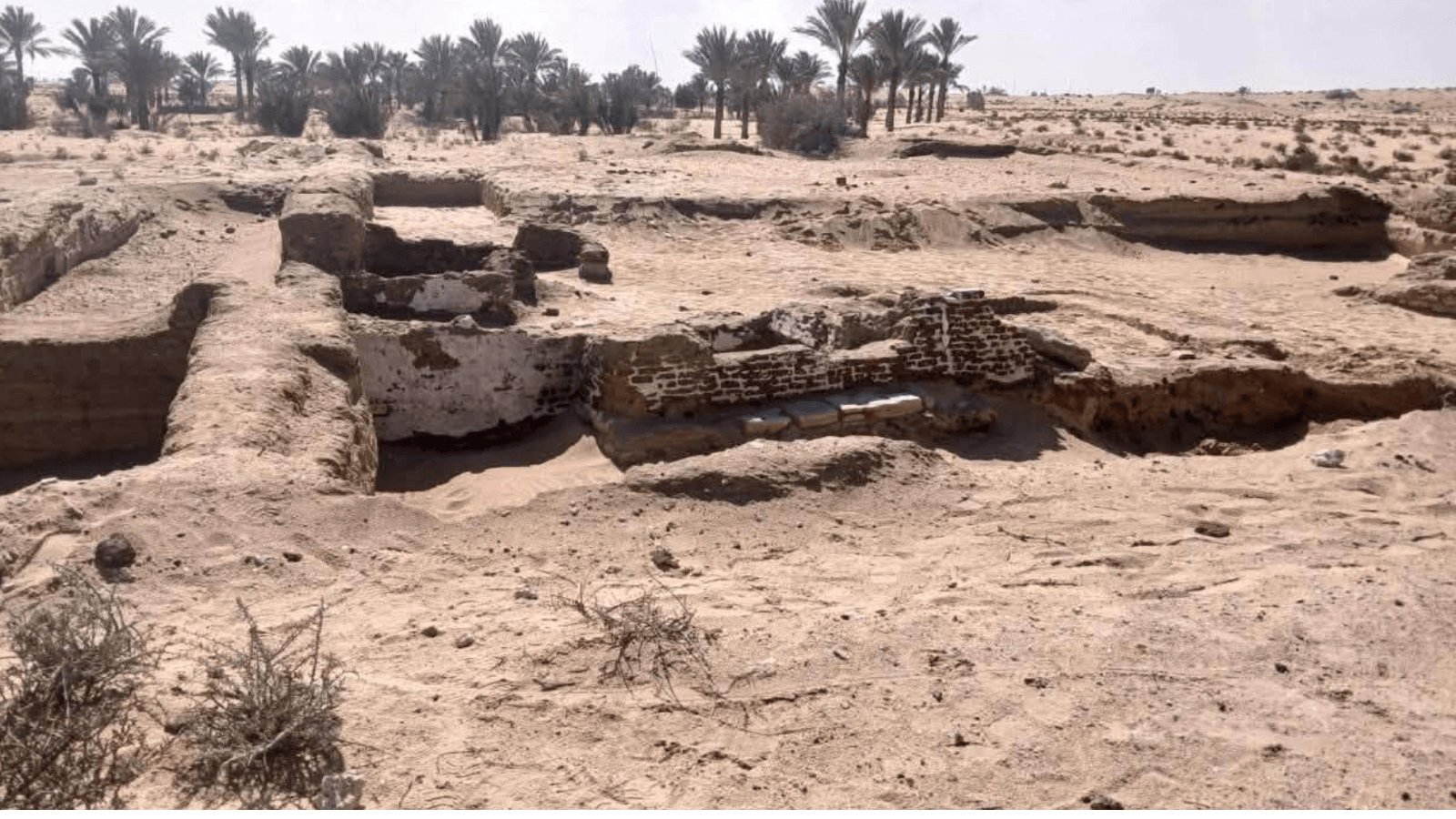
Buried Mamluk Caravanserai Unearthed in North Sinai on Egypt’s Historic Pilgrimage Route
Archaeologists in Egypt’s North Sinai have uncovered the remains of a medieval roadside complex believed to have served pilgrims and merchants travelling along one of the region’s most important historical routes. The structure was discovered at the site of Asila, where excavations by Egypt’s Supreme Council of Antiquities have exposed parts of what researchers believe…
-
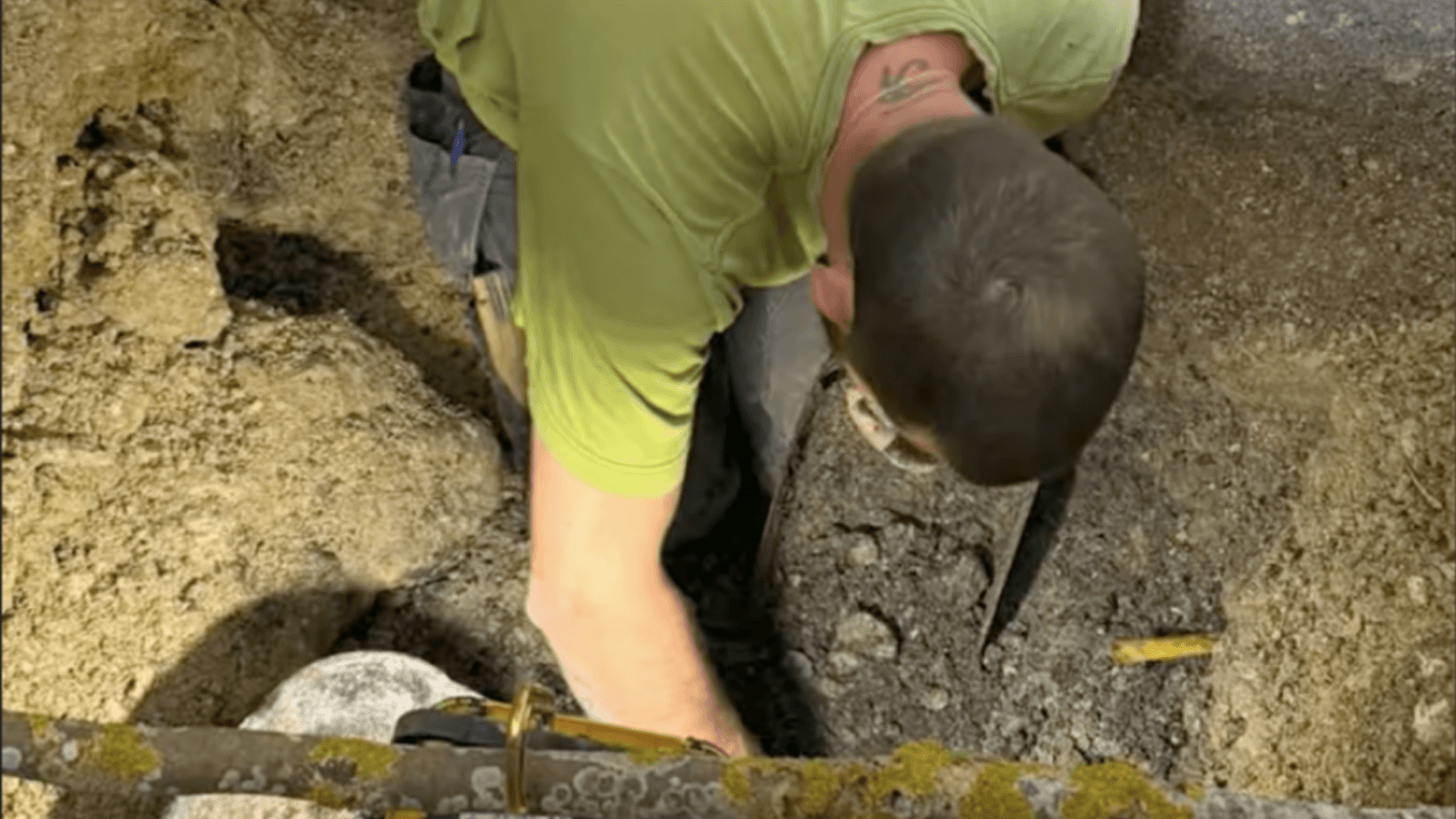
Around 9,000-Year-Old Remains of a Pregnant Woman and Fetus Found in Sweden
Archaeologists working inside a cave on a small Baltic island have uncovered the remains of a young pregnant woman with the bones of her unborn child still preserved in close anatomical association with her body, offering an exceptionally rare glimpse into life and death in Stone Age Scandinavia. The discovery was made in the Suder…
-
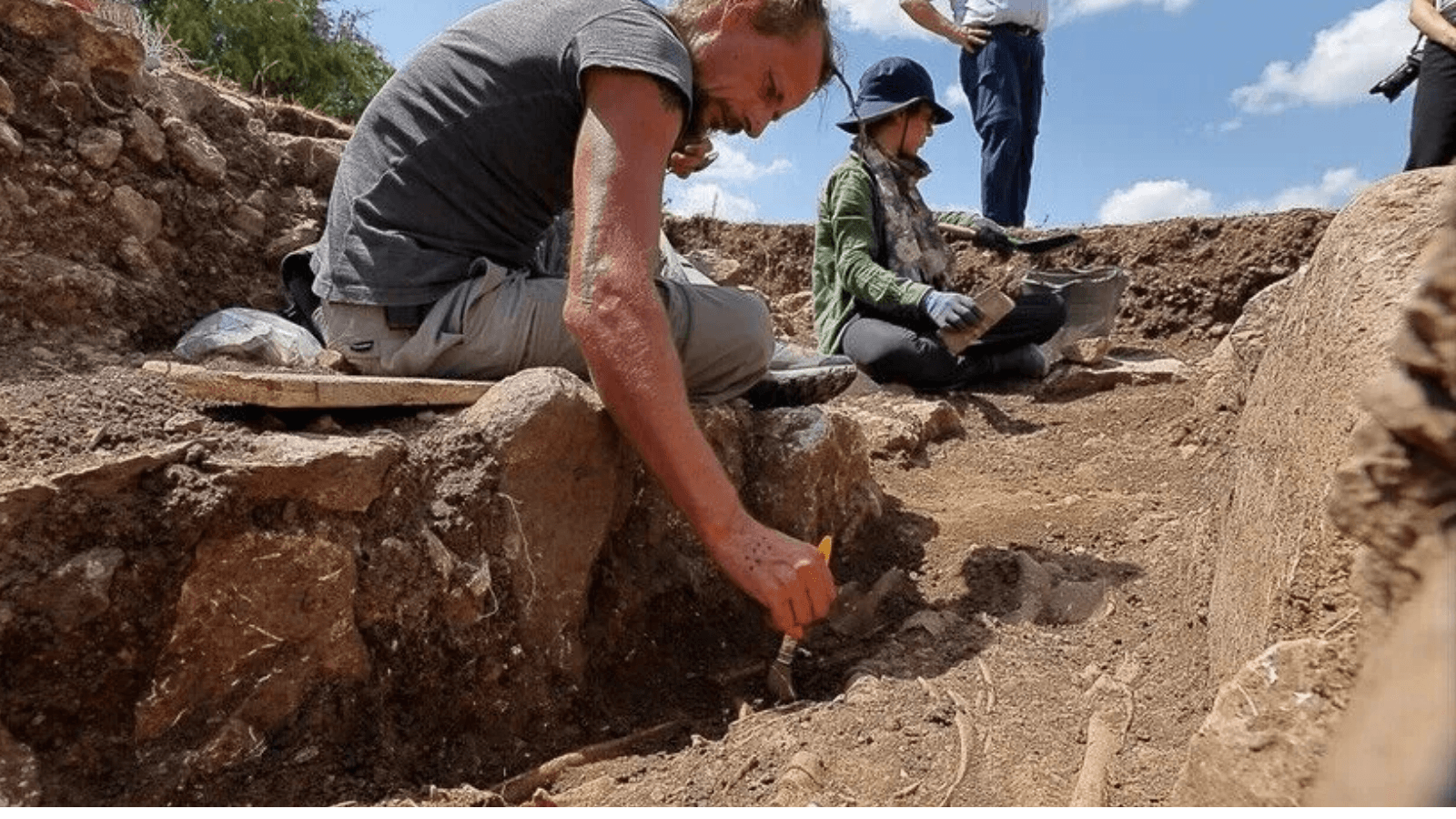
Complete 2,300-Year-Old Skeleton Found at Hattusa with Knife Beside the Shoulder
Archaeologists at Hattusa have uncovered a 2,300-year-old burial containing a complete human skeleton, with a knife lying beside the deceased’s right shoulder. The grave was discovered on the northwestern slope of the ancient city in central Türkiye and dates to the late 4th or 3rd century BC. That places it long after Hattusa’s famous role…
-
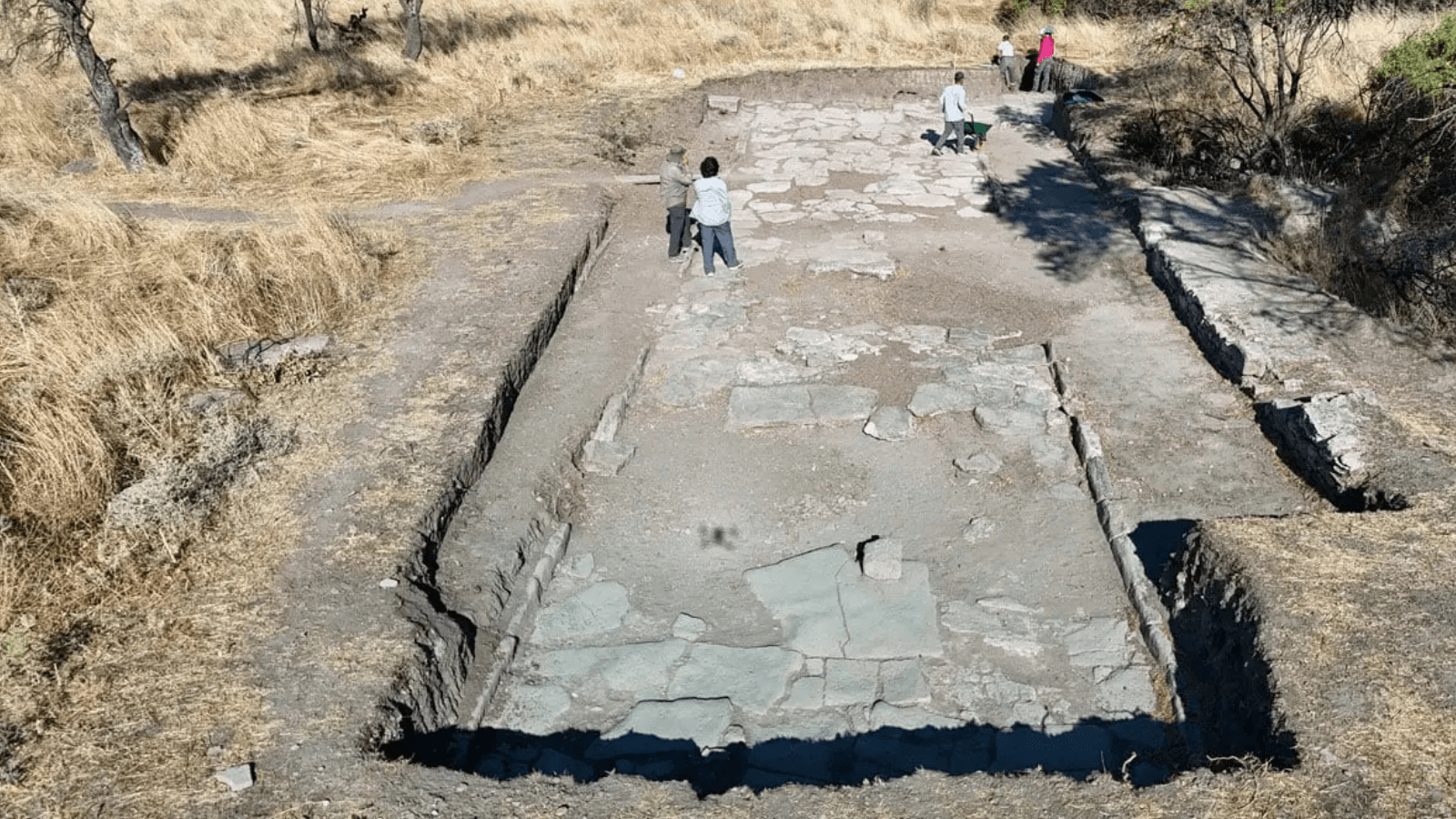
2,000-Year-Old Street Emerging at Troy Reveals the Scale of Its Roman City
Archaeologists at Troy are uncovering a major Roman street that once ran through the lower city, exposing part of an urban landscape shaped nearly 2,000 years ago at a place Romans closely associated with their own legendary beginnings. The street is emerging during the 2026 excavation season at the ancient site in northwestern Türkiye. Researchers…
-
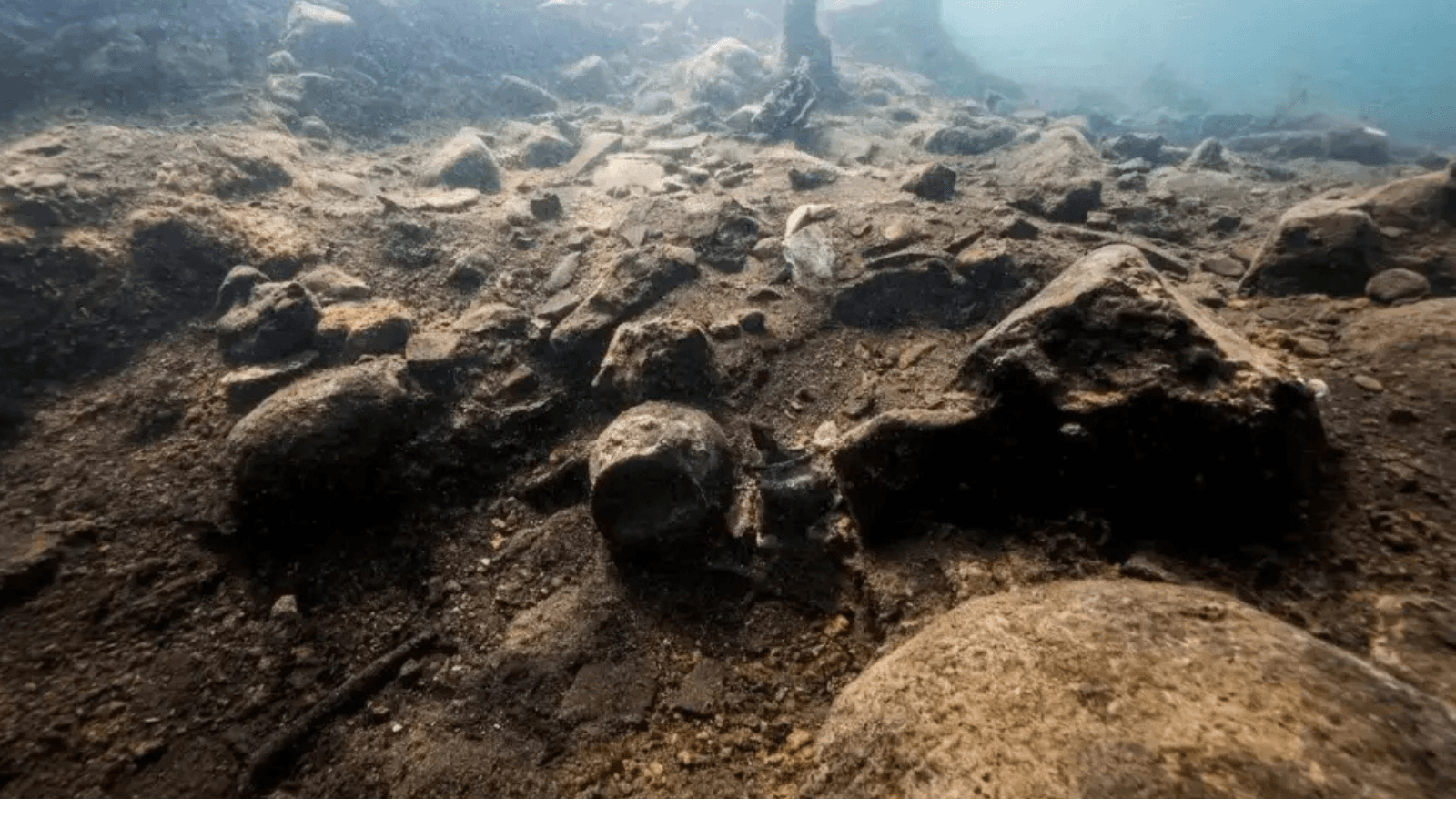
3,000-Year-Old Wheat Ears Found Intact as Ritual Offerings Beneath Italy’s Lake Bolsena
Archaeologists excavating the submerged Gran Carro settlement in Italy’s Lake Bolsena have found intact ears of ancient wheat placed inside ceramic vessels as offerings more than 3,000 years ago. The unusual organic remains survived on the lakebed alongside pottery, wooden structures and traces of a settlement dating back to the Final Bronze Age. The finds…
-
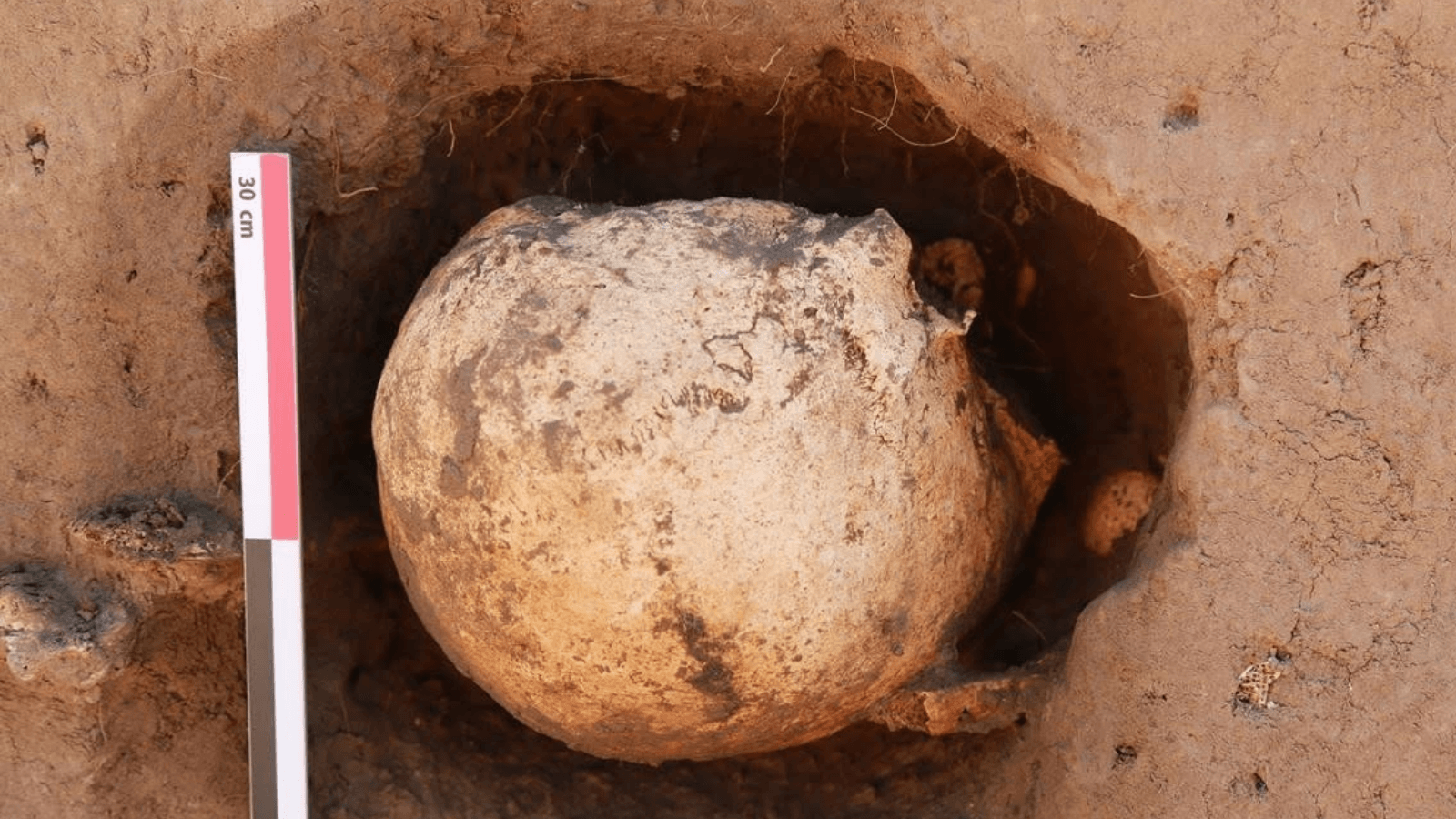
Inverted Human Skull and Iron Nails Found in an Unusual Grave in Poland
An inverted human skull has been uncovered in a puzzling grave at Ślipcze in eastern Poland, where archaeologists had already found disarticulated bones and iron nails among the human remains. The toothless skull was positioned with its cranial vault facing downward and the foramen magnum — the large opening at the base of the skull…
-
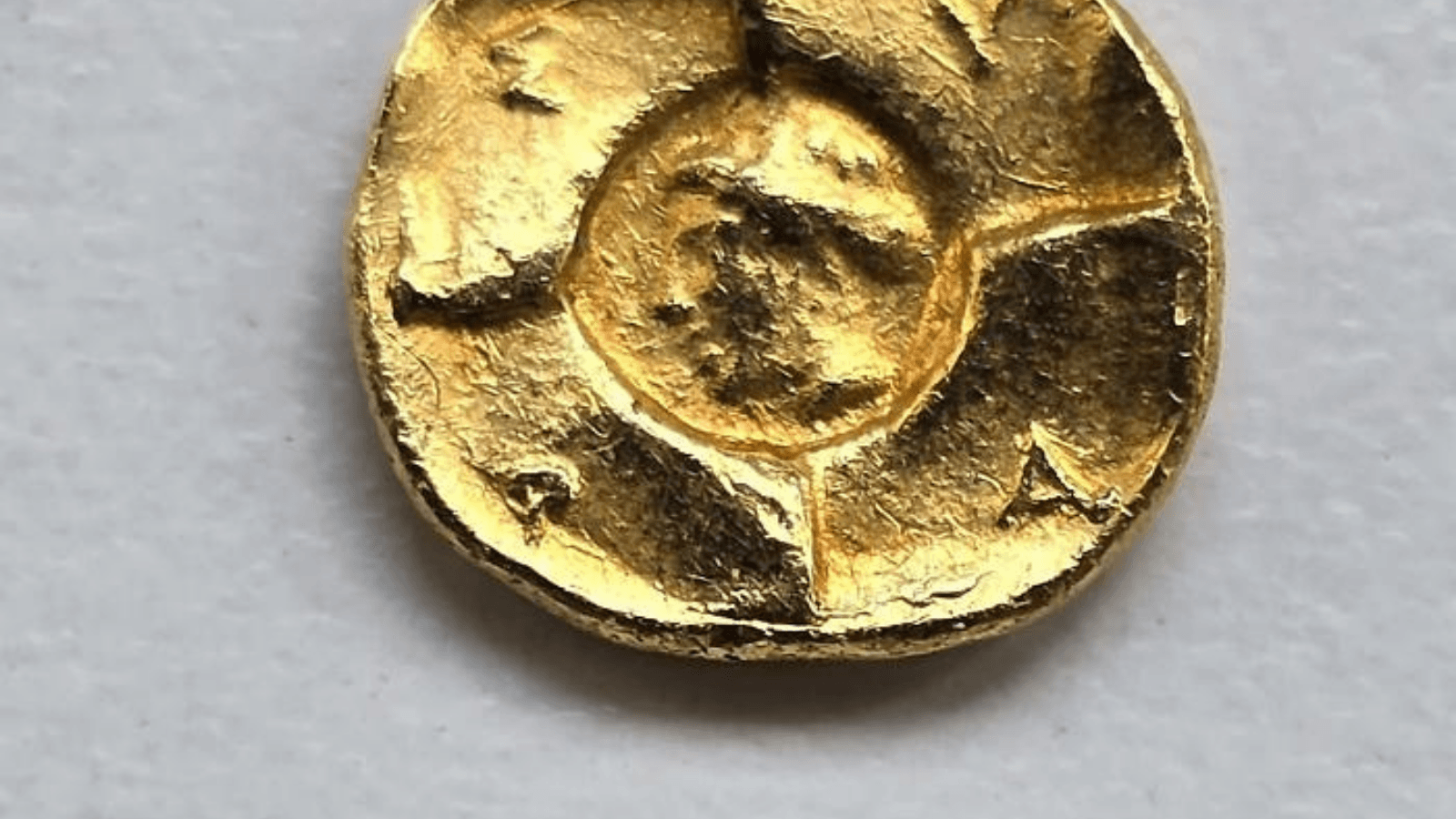
2,400-Year-Old Gold Coin Minted During Carthaginian Invasion Found at Ancient Akragas
A rare gold coin struck in Syracuse during the Carthaginian invasion of Sicily has been discovered at ancient Akragas, almost exactly where archaeology and history intersect at one of the city’s most turbulent moments. The coin was recovered during an emergency excavation at the Maddalusa necropolis near modern Agrigento, on Sicily’s southern coast. Archaeologists had…
-
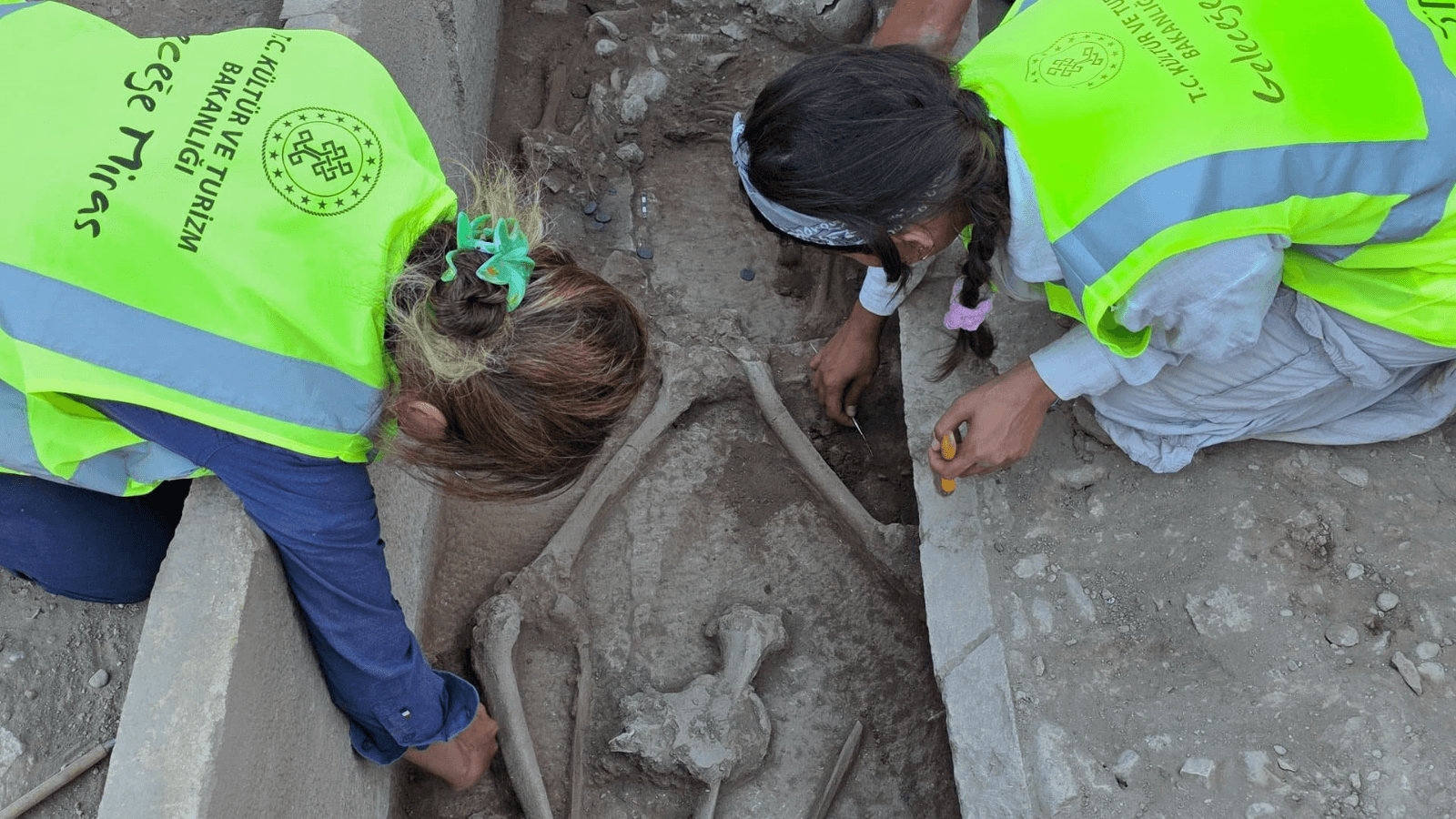
2,400-Year-Old Tomb Found at Aspendos May Have Belonged to a Wrestler
Archaeologists excavating the ancient city of Aspendos in southern Türkiye have uncovered a roughly 2,400-year-old cist grave containing coins decorated with images of wrestlers, raising the possibility that the person buried there may have been connected to sport. The grave was discovered in the newly identified Eastern Necropolis, the first burial area of its kind…
-
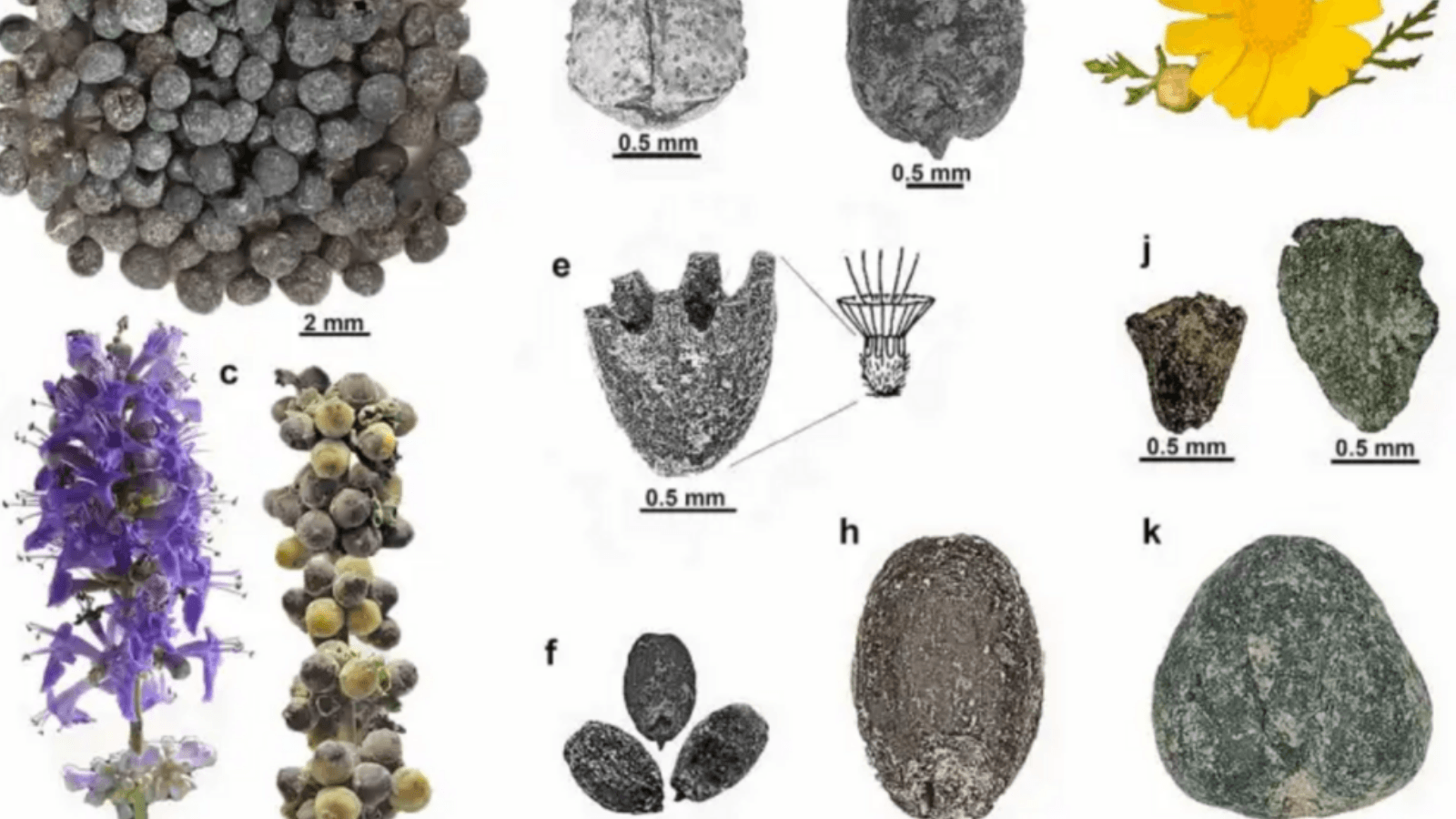
New AI Identifies 7,000-Year-Old Seeds to Reconstruct Ancient Farming
A new AI system designed to identify ancient plant remains is giving archaeologists a faster way to study charred seeds that preserve evidence of what people cultivated, stored and ate thousands of years ago. Identifying such remains is often slow and difficult. Ancient seeds may be burned, broken or distorted, forcing specialists to examine large…