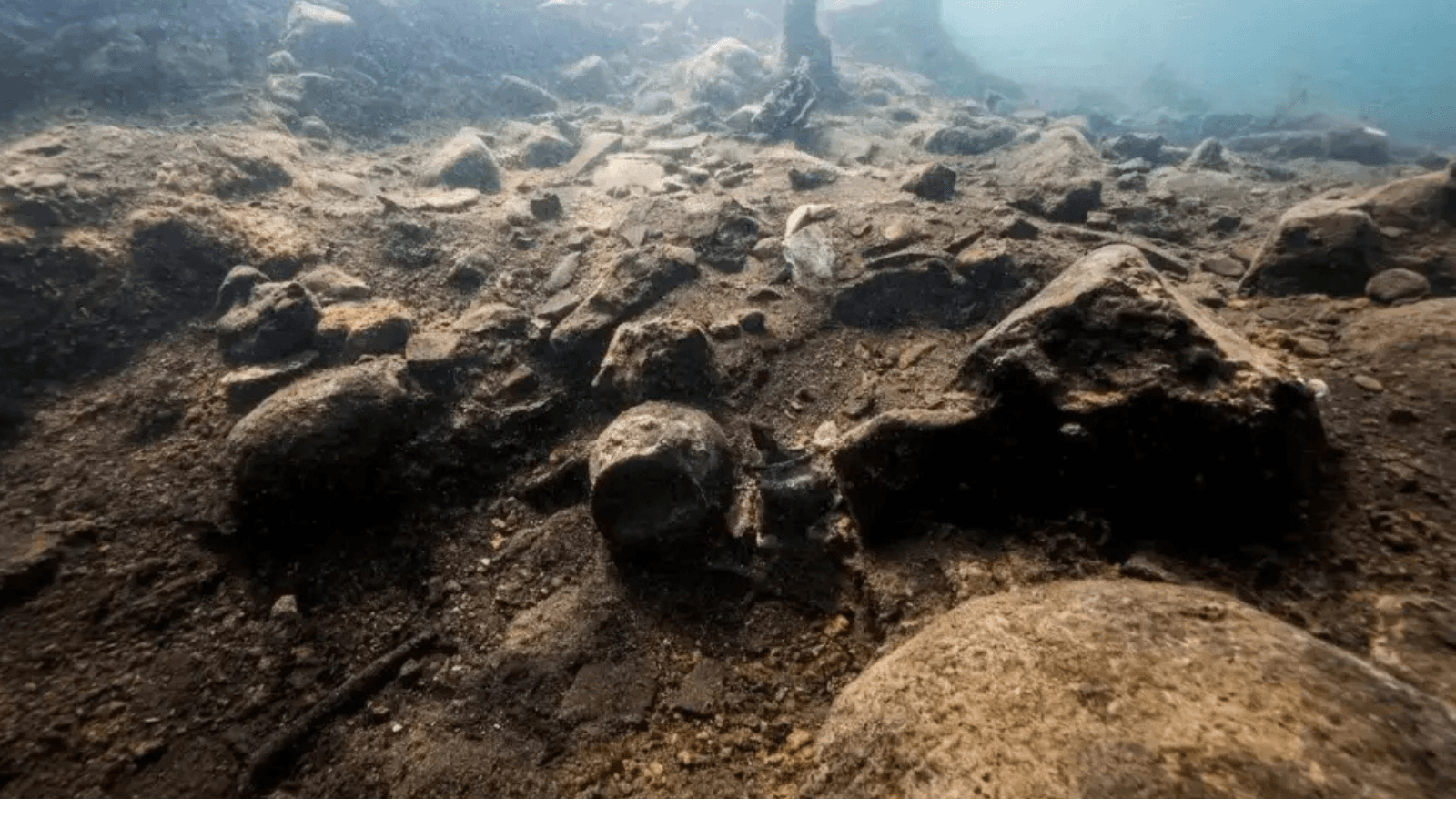
Archaeologists excavating the submerged Gran Carro settlement in Italy’s Lake Bolsena have found intact ears of ancient wheat placed inside ceramic vessels as offerings more than 3,000 years ago. The unusual organic remains survived on the lakebed alongside pottery, wooden structures and traces of a settlement dating back to the Final Bronze Age.
The finds emerged during the 2026 underwater excavation campaign at Gran Carro, one of central Italy’s best-preserved prehistoric lakeside sites. According to the Soprintendenza Archeologia, Belle Arti e Paesaggio for the province of Viterbo and Southern Etruria, the latest work has also strengthened evidence that the settlement was in use during the Protovillanovan period, before the Early Iron Age phase for which it is better known.
Research is being directed by the Soprintendenza’s Underwater Archaeology Service as part of a three-year program funded by Italy’s Ministry of Culture. Underwater archaeologists from L’Anfora Archeologia Mare Ambiente and conservators from CSR Restauro Beni Culturali have been involved in the work, while the Central Institute for Restoration has contributed to monitoring the site’s fragile wooden and ceramic remains.
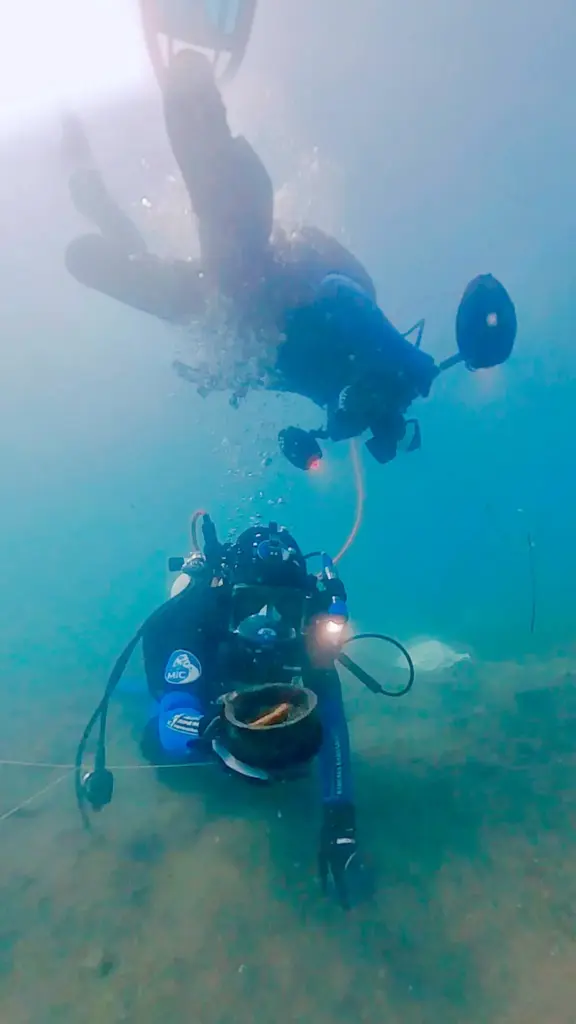
Wheat still inside the vessels
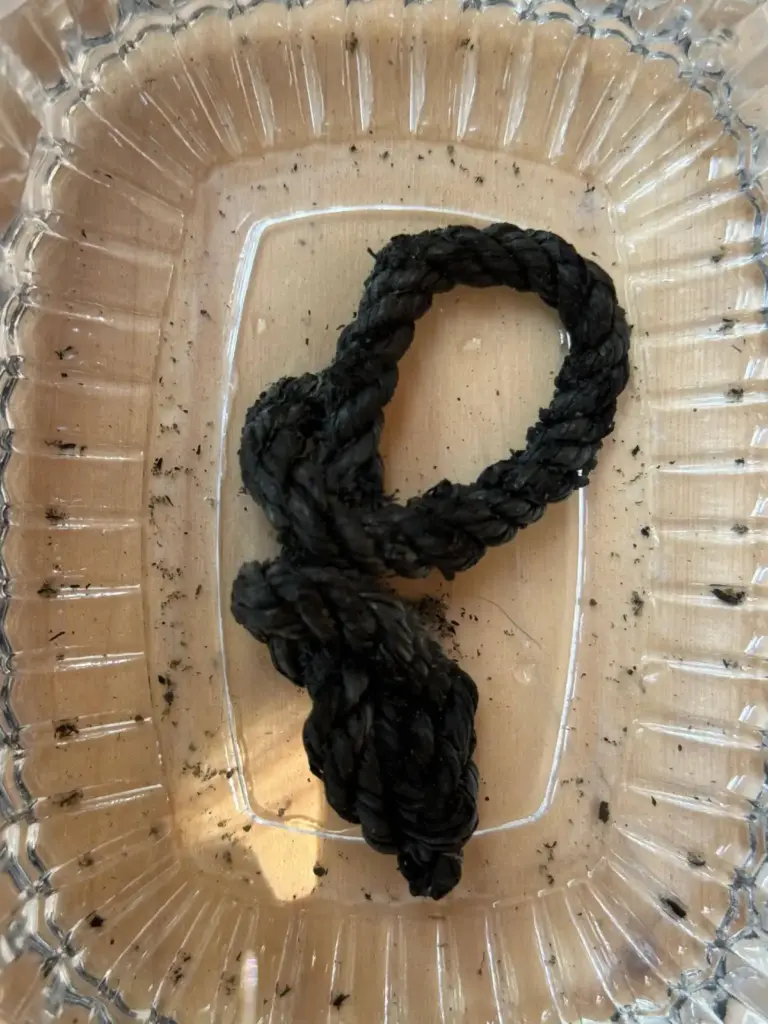
Among the most revealing discoveries are ears of farro, a type of hulled wheat, found intact inside vessels in the area known as the Aiola.
Archaeologists interpret the plant remains as deliberate offerings, adding to evidence that the Aiola was used for ritual activity rather than simply forming part of the domestic settlement. Other objects recovered from the area resemble grave goods commonly found in Villanovan burials of the Early Iron Age.
The waterlogged environment of Lake Bolsena has played a major role in its survival. Gran Carro is notable for preserving wooden posts, structural remains and other organic material that would usually decay at terrestrial archaeological sites. The submerged settlement lies only a few meters below the lake surface, where hundreds of ancient wooden piles still mark parts of its original layout.
Pottery pushes the settlement deeper into the Bronze Age
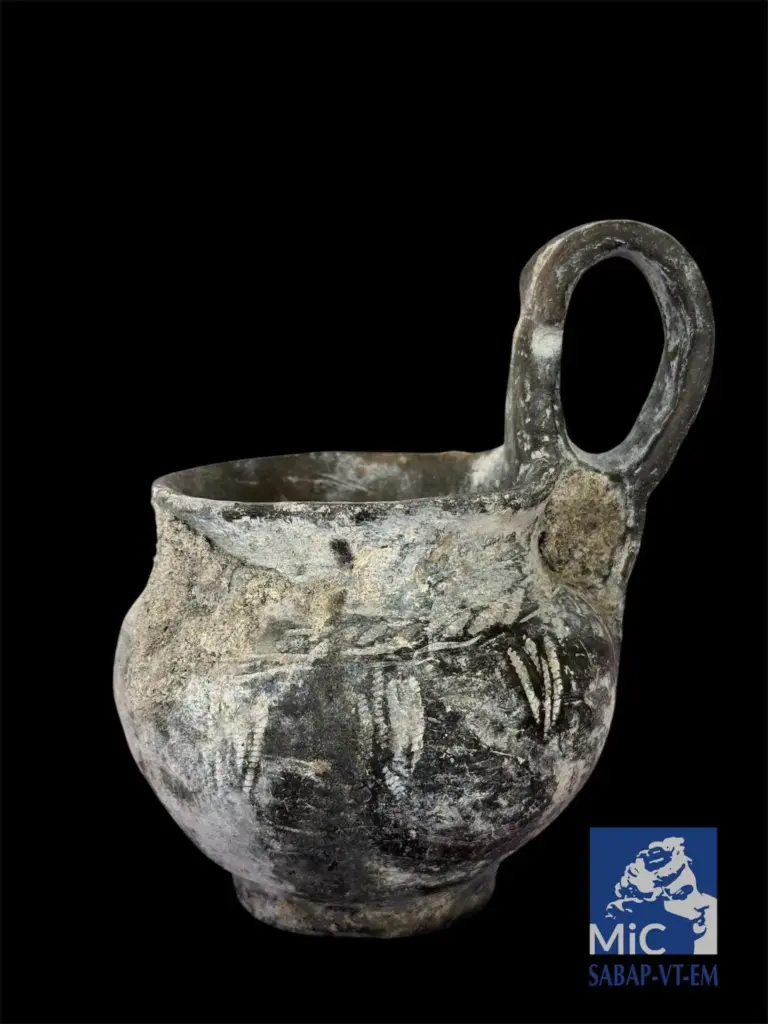
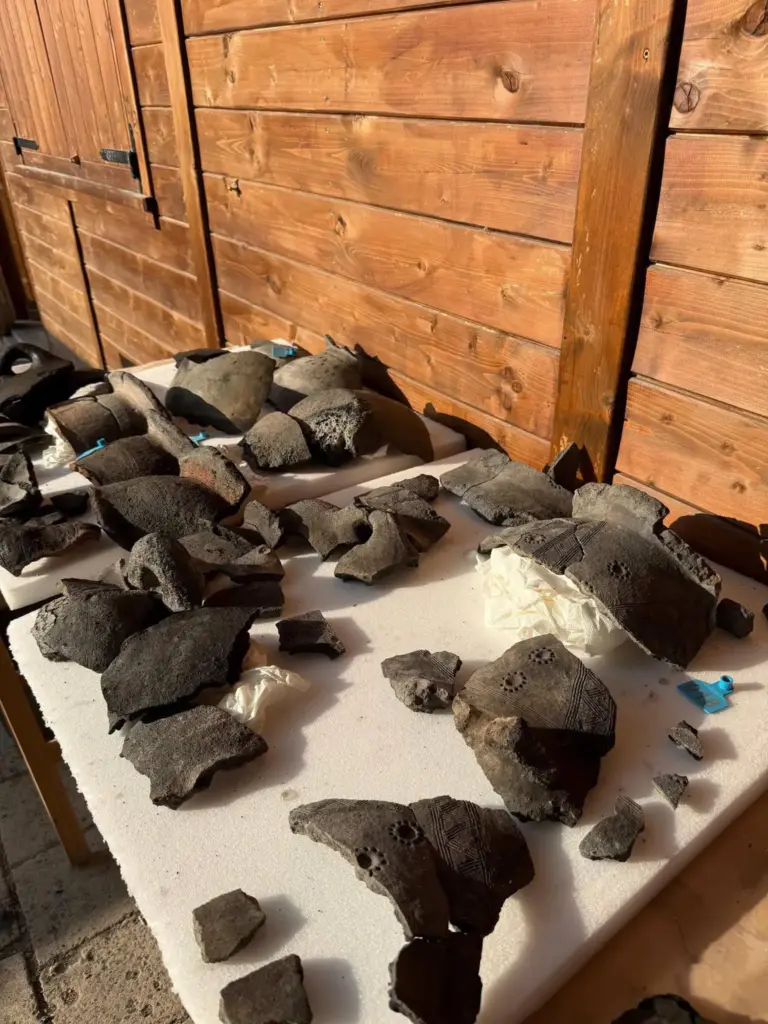
Several vessels recovered during the latest campaign can be clearly assigned to the Final Bronze Age. The Soprintendenza said the finds definitively attest to a Protovillanovan phase at the site, extending the securely documented history of the settlement beyond its better-known Early Iron Age occupation.
Gran Carro has long been associated with the Villanovan cultural horizon of central Italy, but the newly recovered pottery provides firmer evidence for activity at the site during an earlier phase.
Large wooden elements beneath the Aiola
Large wooden elements are emerging at the base of the Aiola, with some extending beneath its covering stones. Their purpose and precise chronology have yet to be established.
Large wooden elements are also emerging from beneath the stones at the base of the Aiola.
The Aiola itself is an unusual feature of Gran Carro: a large concentration of volcanic stones associated with an area of submerged thermal springs. Archaeological evidence from the mound and its surroundings has led researchers to identify it as a sacred or cult area within the prehistoric landscape.
Further investigation of the wooden remains may help establish how this part of Gran Carro developed and whether the ritual use of the area was preceded by an earlier structure.
Gran Carro preserves more than a settlement
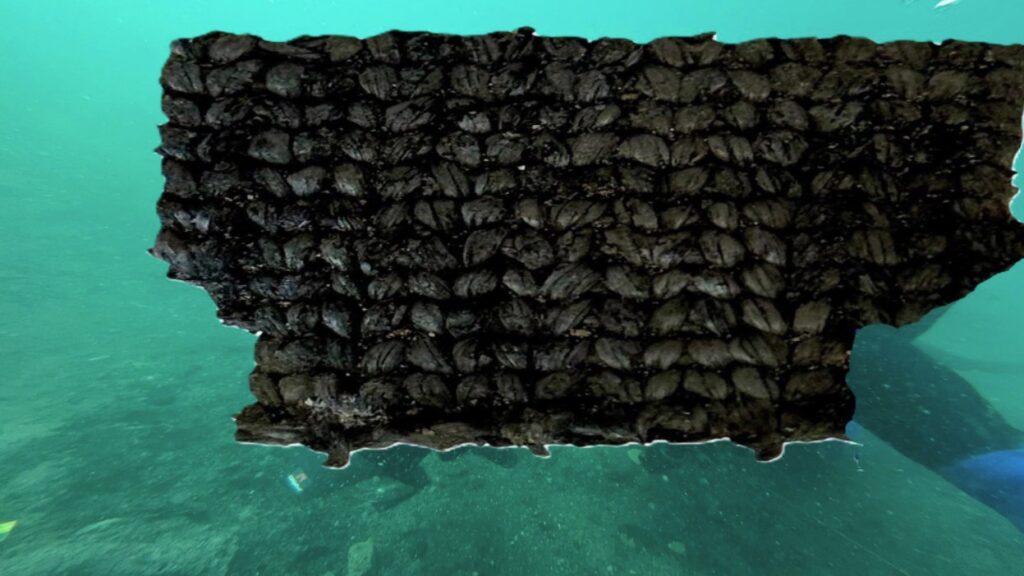
The latest discoveries follow another exceptional find made at Gran Carro during the 2026 season: the first surviving textile fragment recovered from the settlement. Until then, archaeologists had found evidence for textile production, but no actual piece of fabric had survived.
Together with the Final Bronze Age pottery and the still-unexplained wooden elements beneath the Aiola, the finds are giving archaeologists a clearer picture of how Gran Carro developed across the transition from the Bronze Age to the Iron Age.
The new evidence also shows that the submerged settlement preserves more than houses and everyday objects. It retains traces of the rituals practiced by the people who lived on the shores of Lake Bolsena more than three millennia ago.
Cover Image: The submerged Gran Carro archaeological site in Lake Bolsena, where excavations have revealed Bronze Age pottery, preserved organic remains and evidence of ritual activity dating back more than 3,000 years. Credit: Soprintendenza ABAP Viterbo e Etruria Meridionale / MiC