-
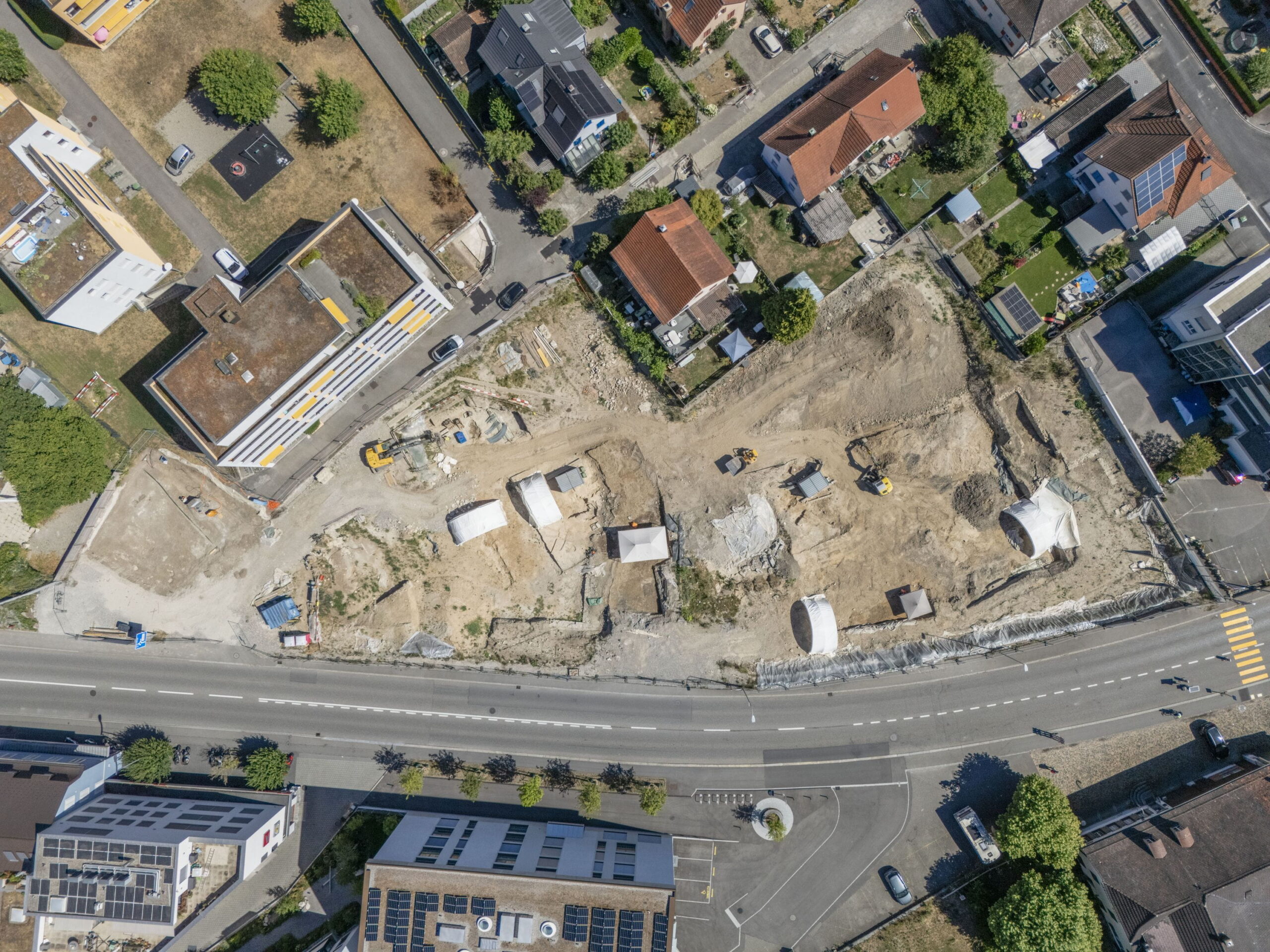
Rare Gold Aureus of Emperor Tiberius Discovered at Roman Camp in Switzerland
A rare gold aureus minted during the reign of Emperor Tiberius has been discovered during excavations at Vindonissa, Switzerland’s only Roman legionary camp. The coin is one of the most remarkable finds from the latest excavation, as coins recovered at Vindonissa are generally made of bronze or silver. Tiberius ruled the Roman Empire from AD…
-
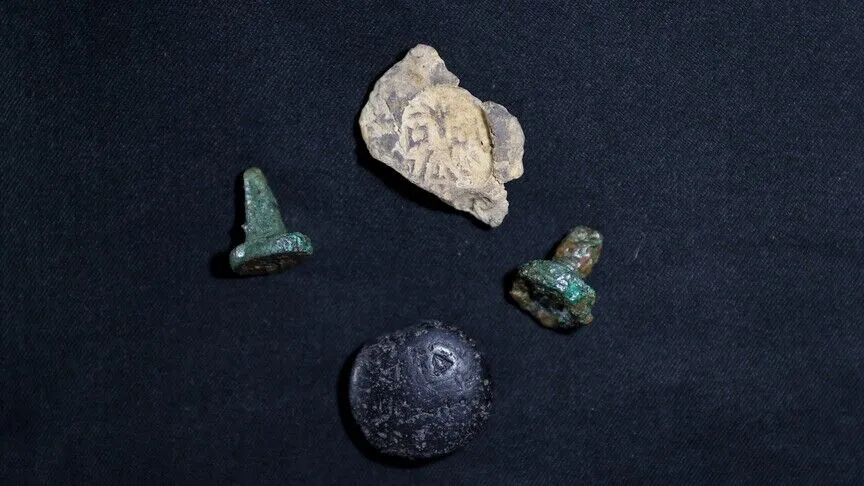
3,500-Year-Old Luwian Seal Names a Bronze Age Official at Türkmen Karahöyük
A stone seal discovered at Türkmen Karahöyük in central Türkiye preserves the name and title of an official called Kurunti-ziti, offering new evidence for an organized administrative system on the Konya Plain during the Late Bronze Age. Most Bronze Age administrators vanished without leaving their names behind. Their documents decayed, their offices disappeared and the…
-
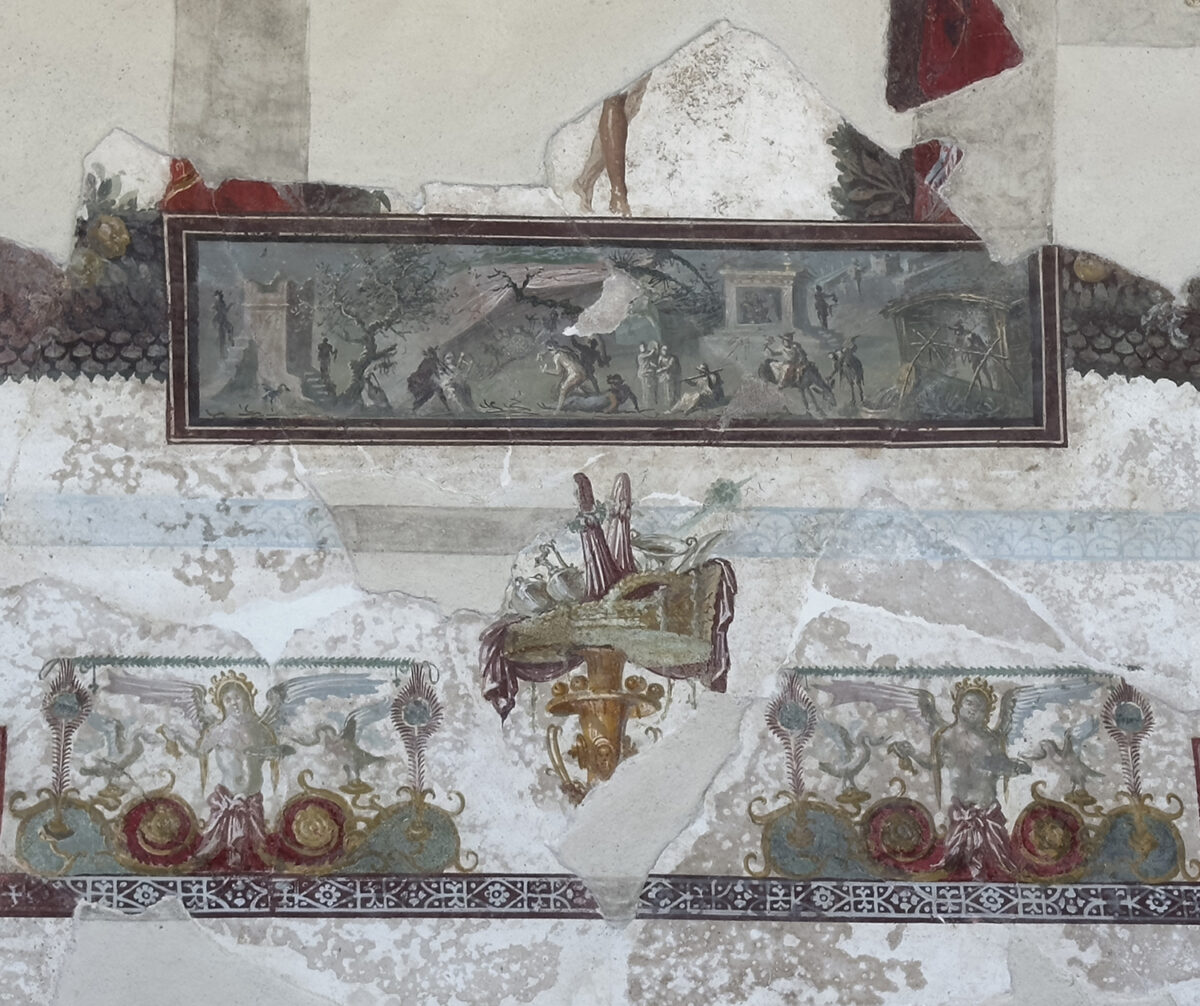
Pompeii’s Lost Ceiling Reveals Dionysus and Ariadne Above an Ancient Banquet Hall
A richly painted ceiling depicting Dionysus and Ariadne, once suspended above an upstairs banquet hall in Pompeii, has been partially reconstructed from hundreds of fragments recovered beneath the room’s collapse. The restored section comes from the House with the Bakery in Regio IX. Conservators have so far reassembled more than a quarter of the original…
-
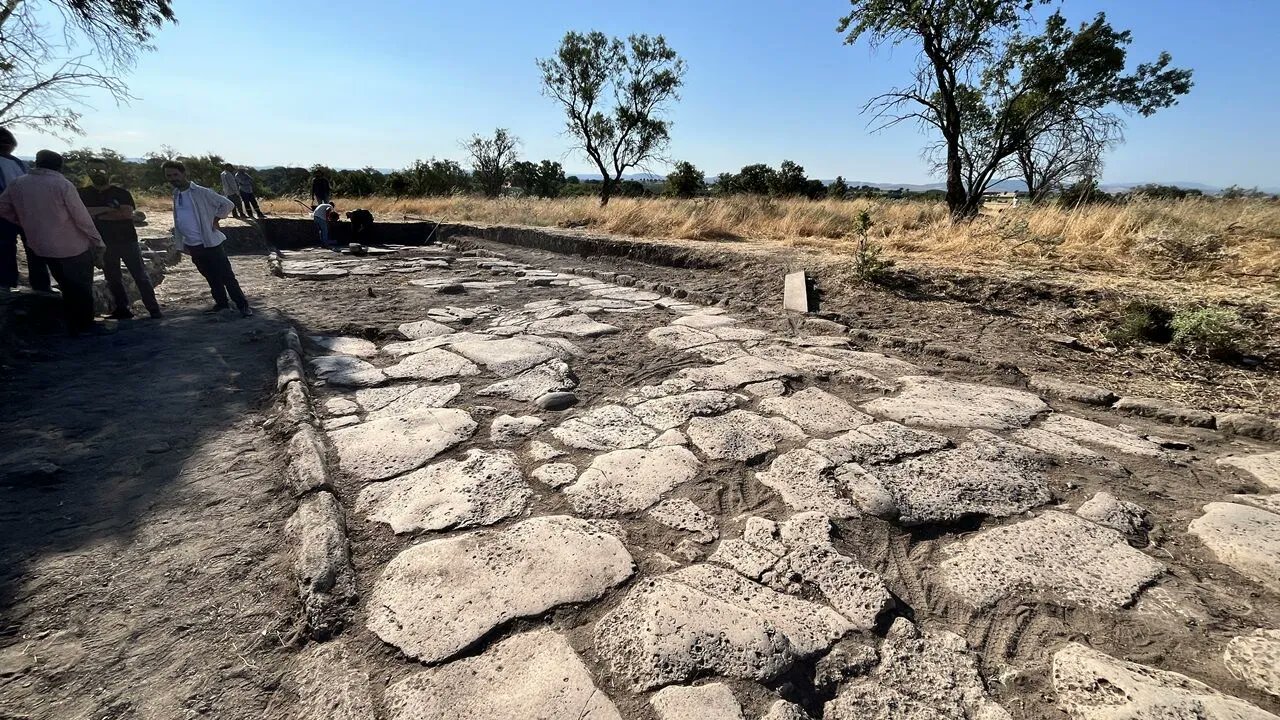
Scars of a 1,500-Year-Old Earthquake Uncovered on a Roman Street in Troy
Archaeologists excavating the ancient city of Troy have uncovered clear traces of a powerful earthquake that struck the settlement approximately 1,500 years ago. The damage was identified along a monumental Roman street in Troy’s lower city, where collapsed architectural remains preserve evidence of one of the final major disasters to affect the ancient settlement. Prof.…
-
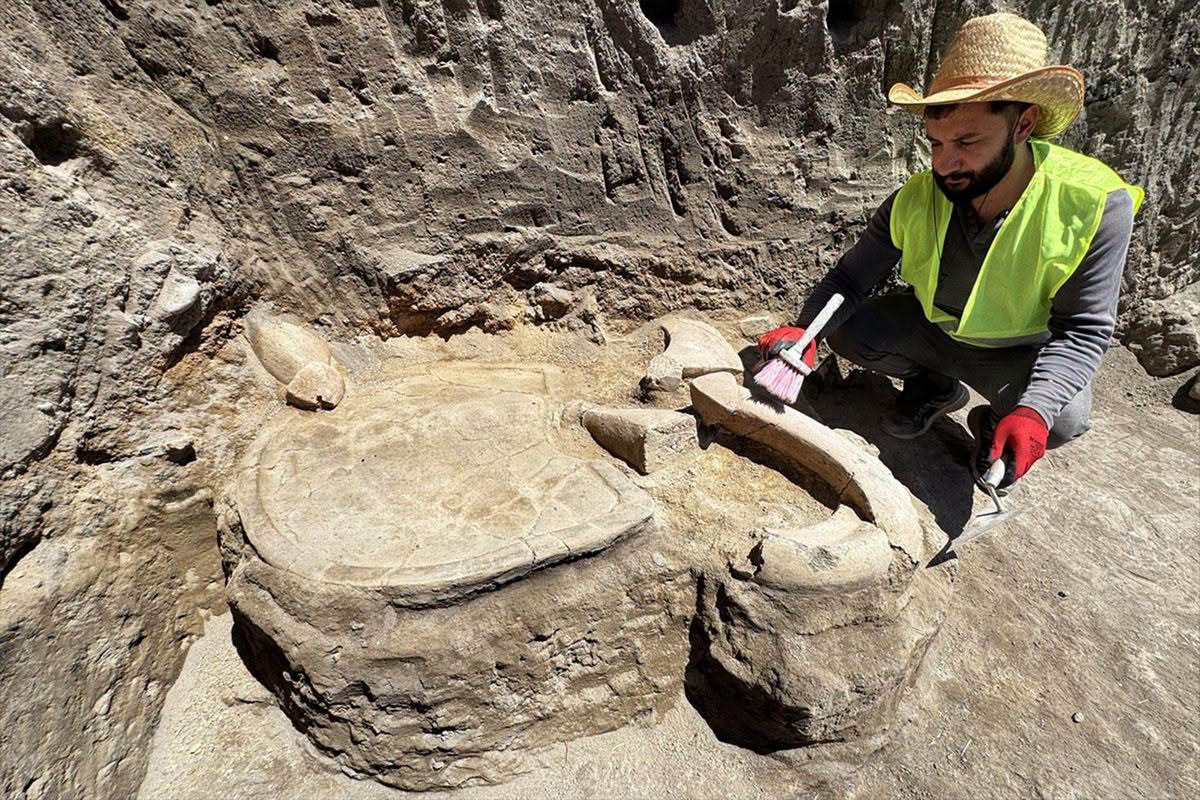
5,000-Year-Old Temple with Altars and Sacred Hearths Unearthed in Eastern Turkey
Archaeologists have uncovered a 5,000-year-old temple area containing two altars and three sacred hearths at Tadım Castle and Mound in eastern Turkey. The ritual complex, dated to around 3000 BC, was discovered during ongoing excavations in Tadım village, near Elazığ. Researchers believe the structures were used for religious ceremonies during the Bronze Age. The discovery…
-
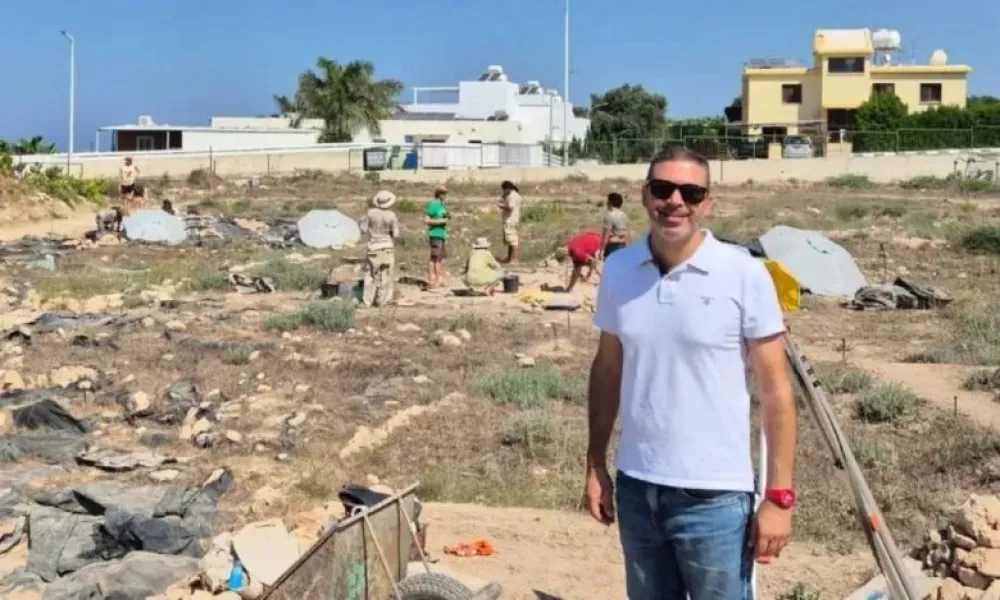
New Excavations Reveal More of Cyprus’ 4,500-Year-Old Kissonerga Settlement
A new excavation season at Kissonerga-Skalia in western Cyprus has provided further evidence for the development of a Bronze Age community that remained occupied for centuries before undergoing a dramatic transformation into a center of specialized production. The four-week 2026 campaign was conducted by the Cyprus American Archaeological Research Institute, or CAARI, in association with…
-
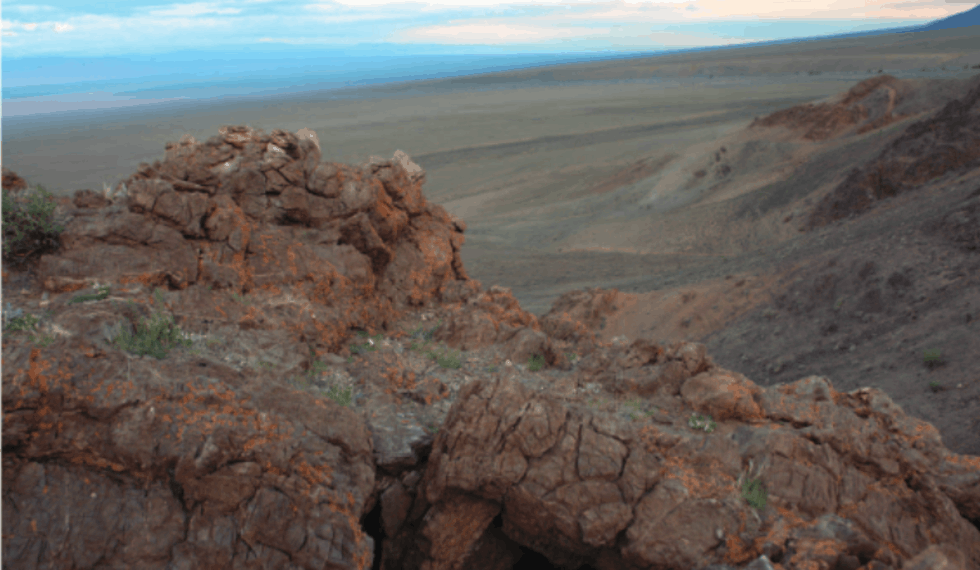
Turkic-Period Tomb in Mongolia Yields 1,400-Year-Old Peach Wood Bow and Horse-Head Instrument with Runic Inscription
A rock tomb excavated in western Mongolia has preserved two exceptional objects from the early medieval Eurasian steppe: a composite bow reportedly built around a peach wood core and a horse-head stringed instrument bearing ancient Turkic runic writing. The Jargalant Khairkhan burial was discovered in 2008 in Mongolia’s Khovd Province. Its unusually dry and inaccessible…
-
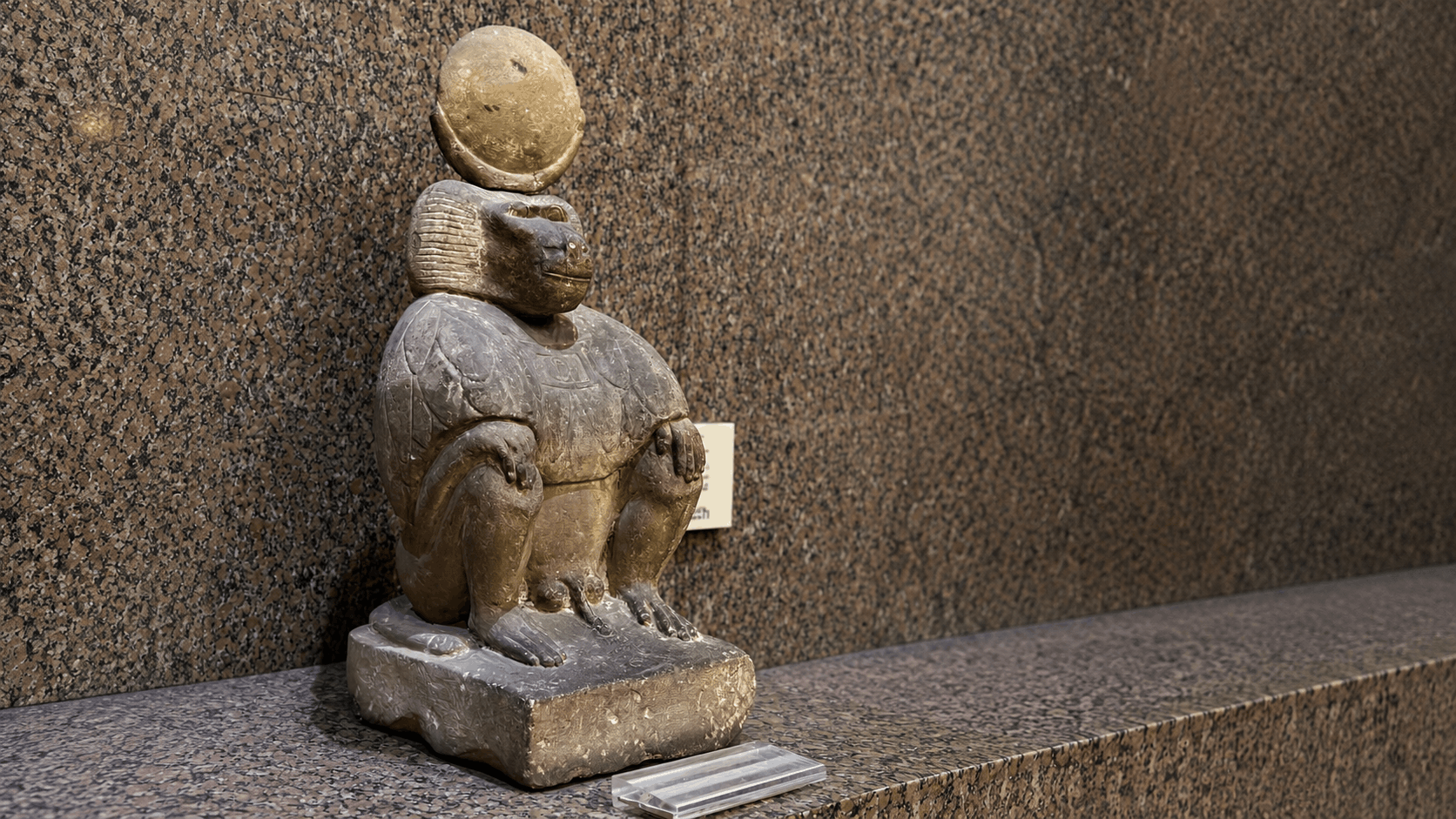
Moonlike Fur May Explain Why Ancient Egyptians Linked Baboons to Thoth
New research suggests the answer may lie not in their behaviour or anatomy, but in the way their feathers and fur reflect light. Spectroscopic measurements indicate that both animals display colour profiles closely resembling moonlight, potentially explaining their connection to Thoth, the ancient Egyptian deity of wisdom, writing, magic and the moon. The study, conducted…
-
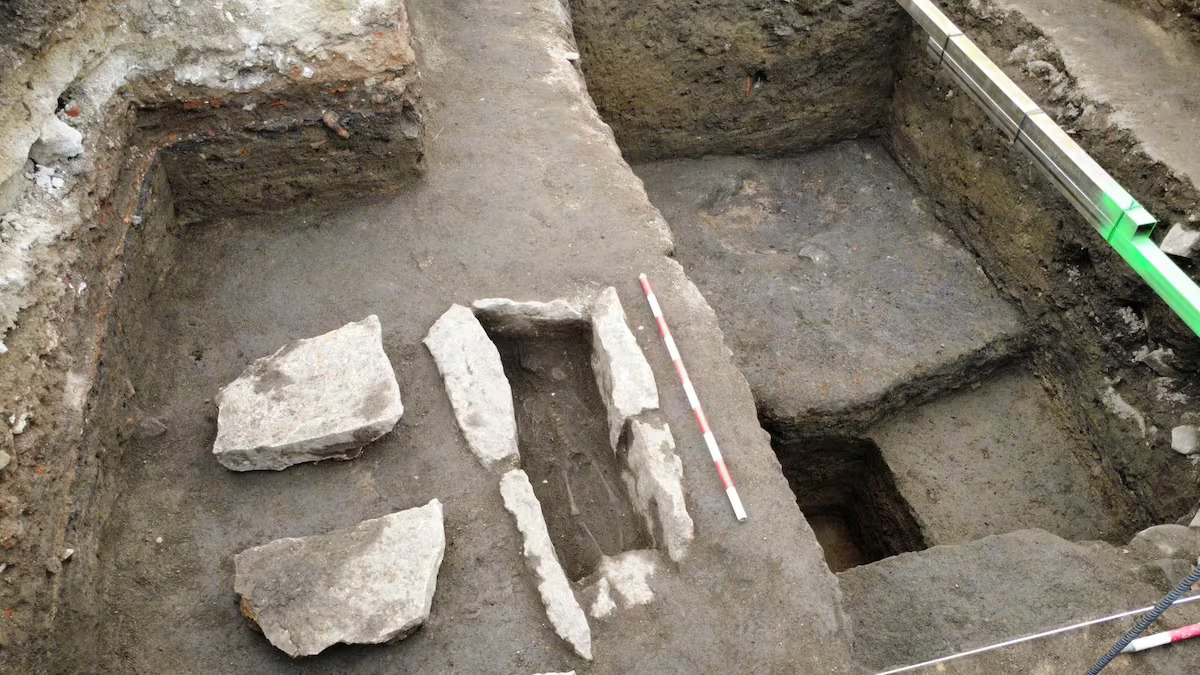
1,500-Year-Old Child Grave at Ávila’s Ancient Gate May Reflect a Protective Ritual
An intact grave containing the remains of a very young child has been uncovered directly outside one of the principal entrances to the historic city of Ávila in central Spain. The child, believed to have been approximately 18 months old, was buried alone and carefully aligned with the entrance now marked by the monumental San…