
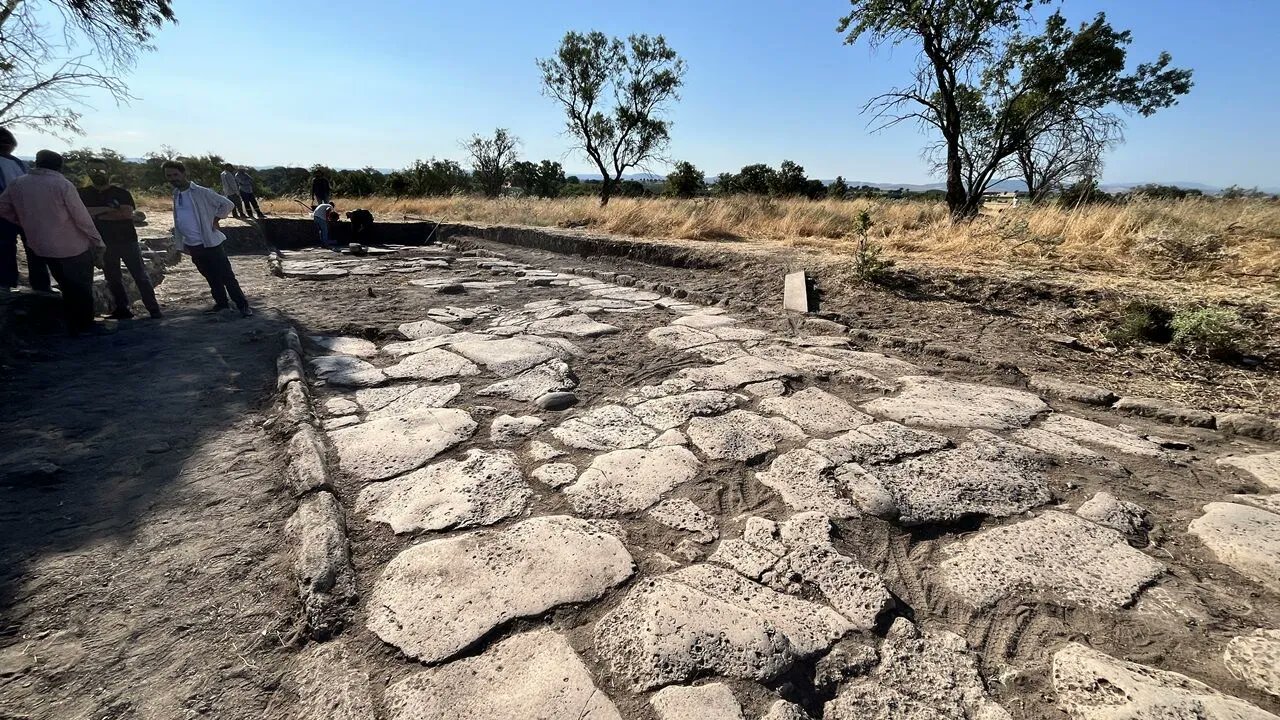
Archaeologists excavating the ancient city of Troy have uncovered clear traces of a powerful earthquake that struck the settlement approximately 1,500 years ago.
The damage was identified along a monumental Roman street in Troy’s lower city, where collapsed architectural remains preserve evidence of one of the final major disasters to affect the ancient settlement.
Prof. Dr. Rüstem Aslan, director of the Troy excavations, said the discovery supports historical accounts of destructive earthquakes that struck the city during the late Roman period.
Beyond the Troy of Homer
Troy is best known as the setting of Homer’s Iliad, but the city continued to exist for centuries after the age associated with the Trojan War.
Successive communities built new settlements over the remains of earlier ones, creating an archaeological mound that records thousands of years of occupation.
During the Roman period, the city—known as Ilium—experienced another era of prosperity. Its symbolic connection with Rome, rooted in the legend of the Trojan hero Aeneas, gave Troy a special place within Roman cultural and political tradition.
The city’s importance increased further following a visit by Emperor Augustus in the late first century BCE.
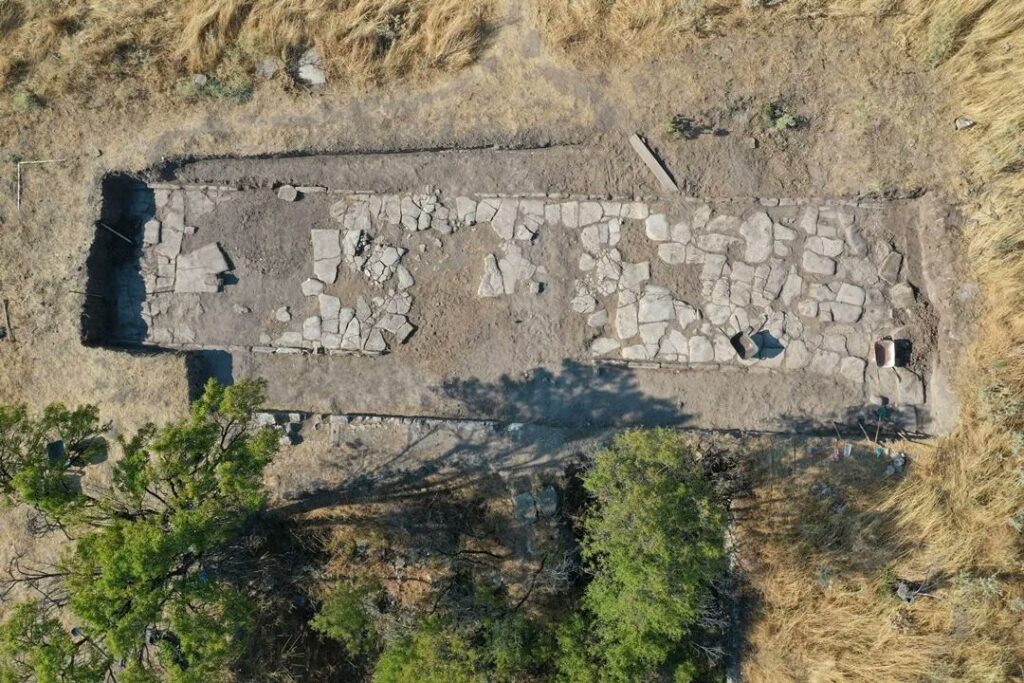
Broad streets were laid out across the lower city, running north–south and east–west. Villas, shops and other buildings stood along these avenues, reflecting the scale of urban life during Roman rule.
The street now being excavated formed part of this once-prosperous district.

Destruction Preserved Beneath the Ruins
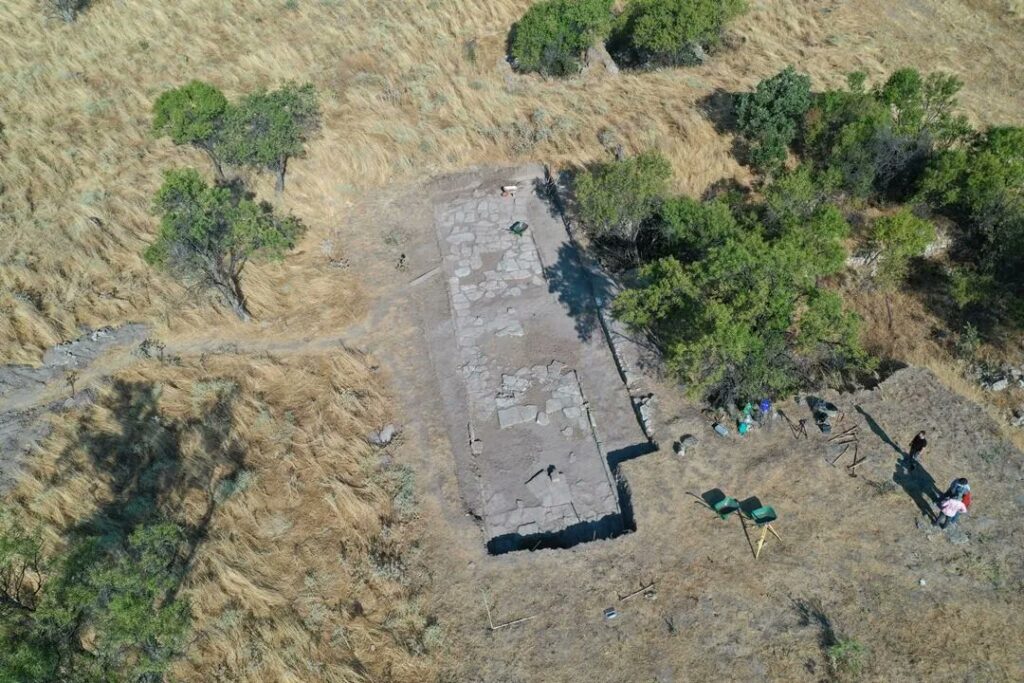
The 2026 excavation season is focused on four areas within Troy’s Hellenistic and Roman lower city.
Archaeologists are investigating the layout of the settlement and the routes that connected the fortified citadel with the neighborhoods below it.
Along one of the Roman streets, the excavation team encountered extensive traces of structural collapse.
According to Aslan, Roman Troy was affected by two major earthquakes. The last large-scale destruction occurred around the sixth century CE.
“The earthquake destroyed Troy,” Aslan said, noting that the effects of the disaster can be clearly observed in the surviving remains of the street.
The newly exposed damage provides a direct archaeological context for examining the final destructive phase of Roman Troy.
Rather than revealing an entirely unknown event, the discovery gives physical form to a disaster already known from the city’s historical record.
A City Rebuilt Many Times
Destruction was a recurring part of Troy’s long history.
The settlement was damaged and rebuilt repeatedly as new communities constructed their homes, streets and public buildings over the ruins of earlier cities.
This ability to recover became one of Troy’s defining characteristics.
The late Roman earthquakes, however, marked a turning point. Although life at the site did not necessarily end immediately, the city never regained its former urban vitality.
The monumental streets, villas and shops of Roman Troy gradually became part of another buried layer in the settlement’s long archaeological sequence.
The newly uncovered street therefore records more than the collapse of a group of buildings. It preserves the scars of a disaster that reshaped the final centuries of one of the ancient world’s most enduring cities.