-
A 56-Kilometre Water System Fed Tralleis’ 2,000-Year-Old Roman Pool
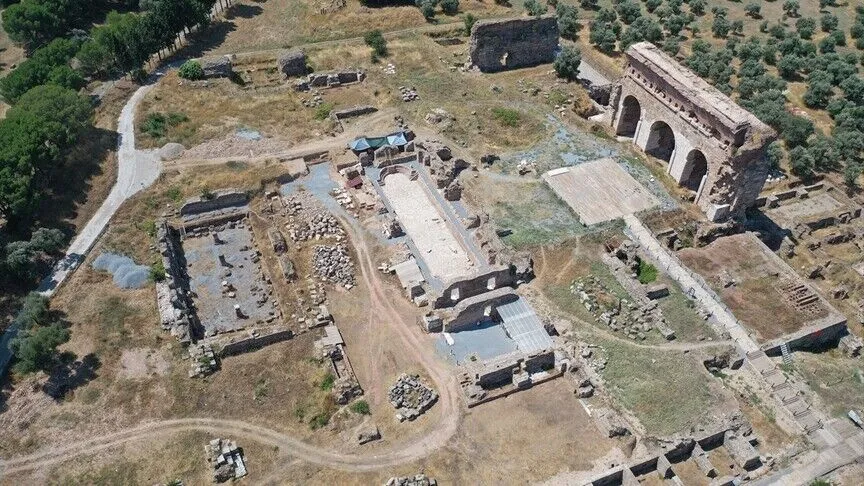
A Roman pool capable of holding around 300 people has been fully excavated at Tralleis, an ancient city near Aydın in western Turkey. The 2,000-year-old basin was supplied with fresh water through a network stretching approximately 56 kilometres from the mountains north of the city. The open-air pool measures 37 metres long and 12 metres…
-
2,400-Year-Old Child Buried with a Sword in a Gaulish Silo in France
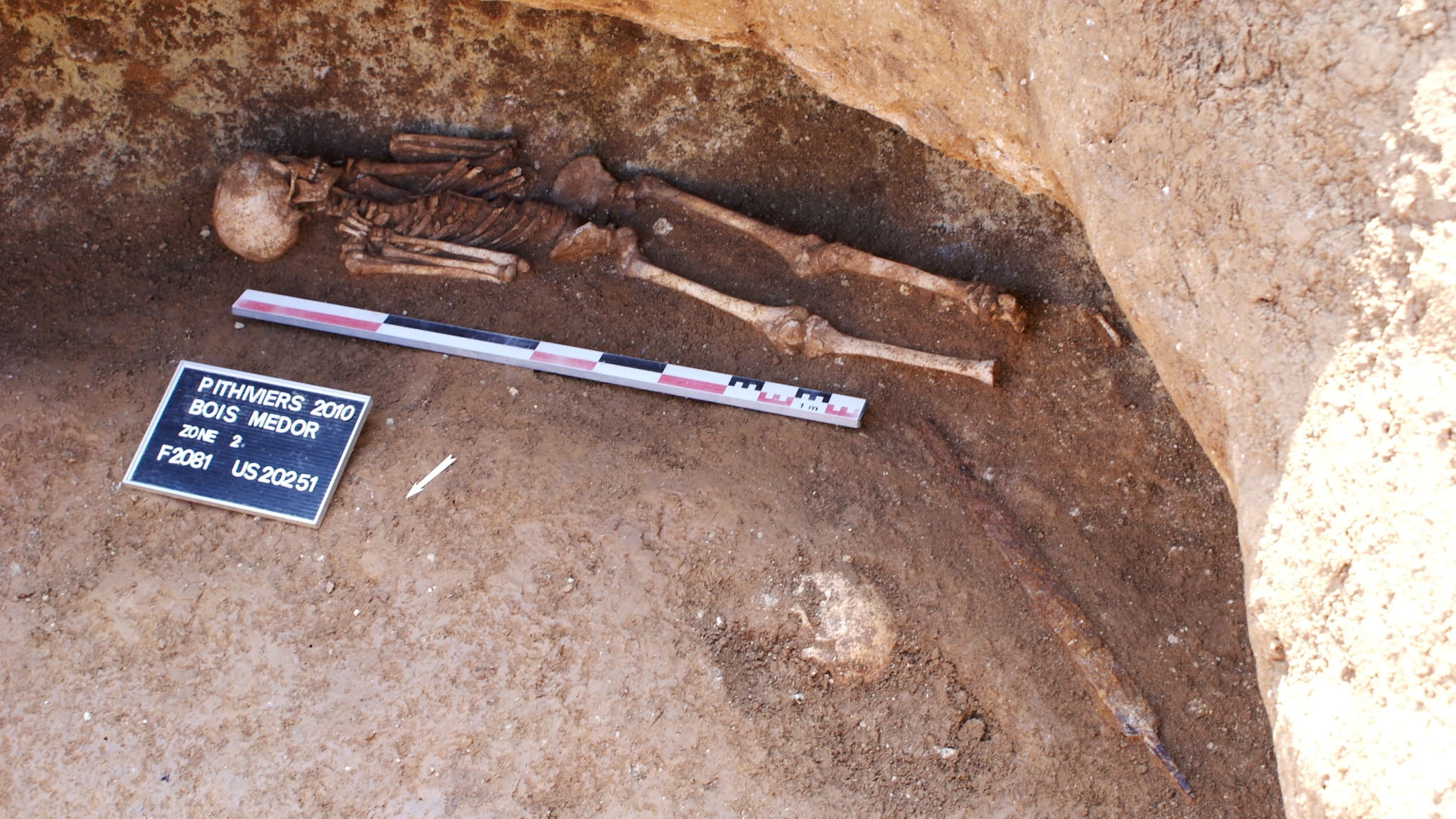
A 2,400-year-old child burial with a sword was uncovered inside an abandoned grain silo at the Gaulish settlement of Pithiviers “Bois Médor” in central France. The child, who died before the age of 15, had been placed curled against the wall of the underground pit. An iron sword in its scabbard lay near the legs,…
-
Mysterious Beast on a 1,000-Year-Old Amulet Still Defies Identification
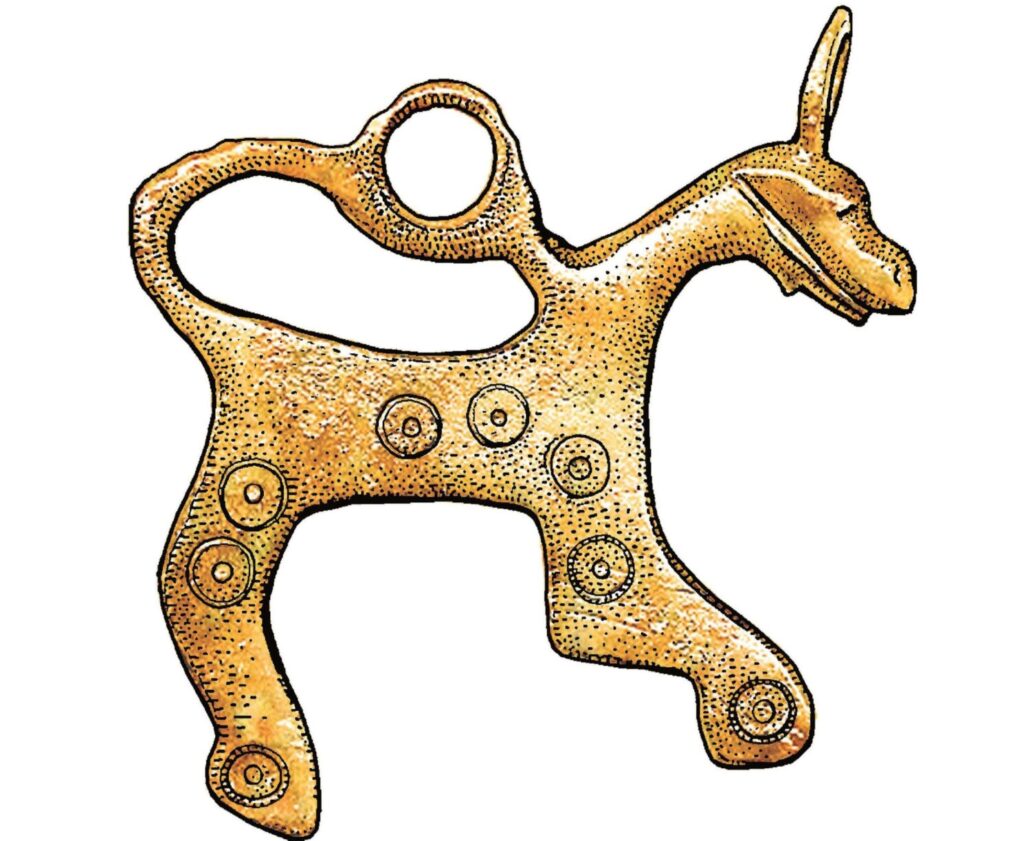
A 1,000-year-old amulet discovered in Pskov’s Zavelychye district depicts a mysterious beast that archaeologists have still been unable to identify. The surviving fragment preserves the creature’s long snout, heavy jaw and exaggerated features. What the animal represents, however, remains uncertain. The fragment came from the Olginsky-10 excavation on Paromenskaya Street. Based on parallels from better-preserved…
-
Power Served in Bronze: Urartu’s Kings Turned Royal Bowls into Portable Propaganda
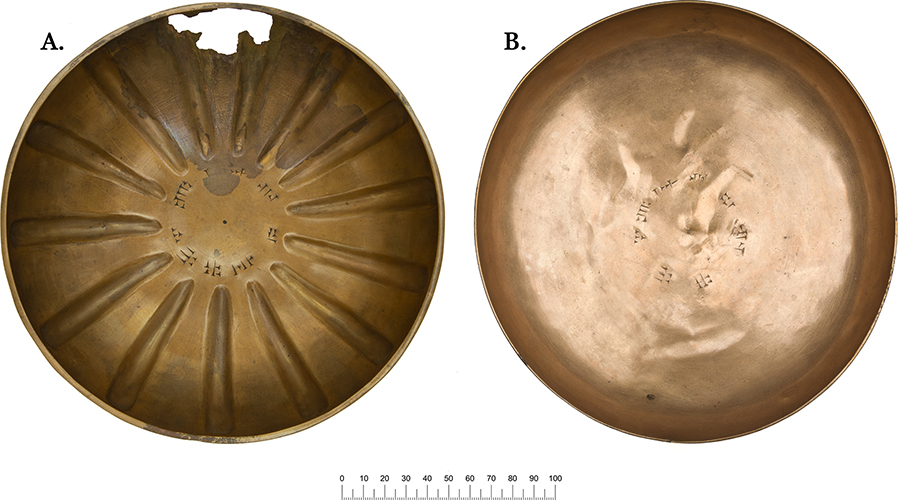
More than 100 bronze bowls inscribed with the names of Urartian kings were designed to do more than hold food or drink. A new study suggests that the vessels circulated royal names, sacred symbols and carefully controlled images of kingship, making them an ancient form of portable political messaging. Published in Antiquity, the research was…
-
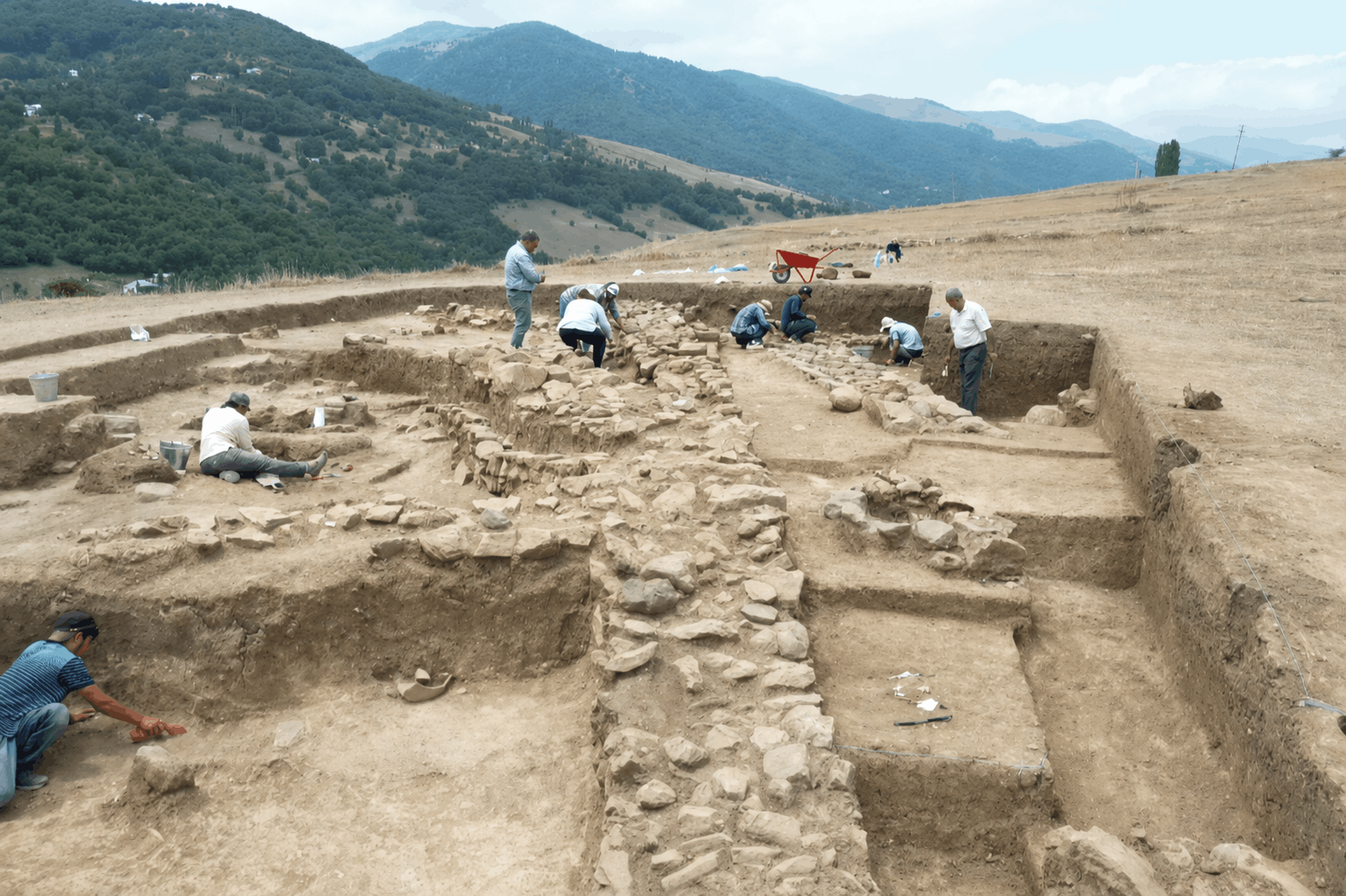
2,200-Year-Old Atropatene Settlement Found in Azerbaijan’s Mountains
Archaeologists have uncovered a large settlement dating back around 2,200 years in the mountains of southern Azerbaijan, within the historical sphere of ancient Atropatene. The site contains substantial buildings, rooms, defensive sections and evidence of production activity. The settlement, known as Seyidin Yeri, lies near Urakaran village in the Yardimli district, on the left bank…
-
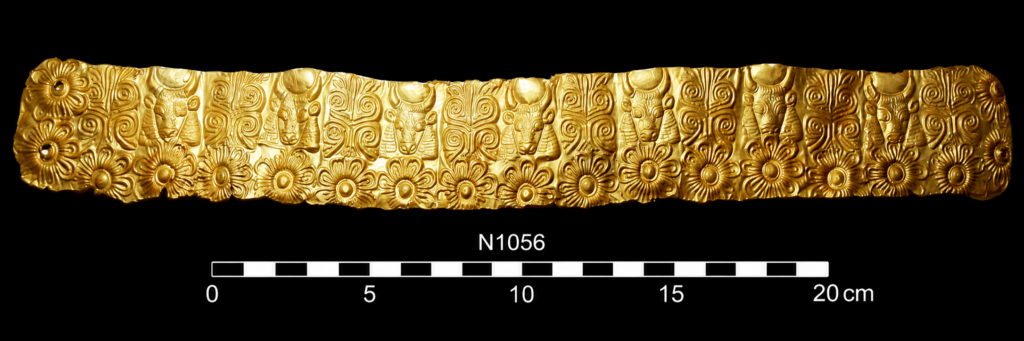
3,400-Year-Old Gold Diadem Found on a Child’s Forehead in Cyprus
A new study of elite Bronze Age tombs in Cyprus has identified nine gold diadems, including one found in its original position across the forehead of a four- or five-year-old child. The ornaments came from the cemetery of Hala Sultan Tekke, an important ancient port near modern Larnaca. Dating from between the 15th and 13th…
-
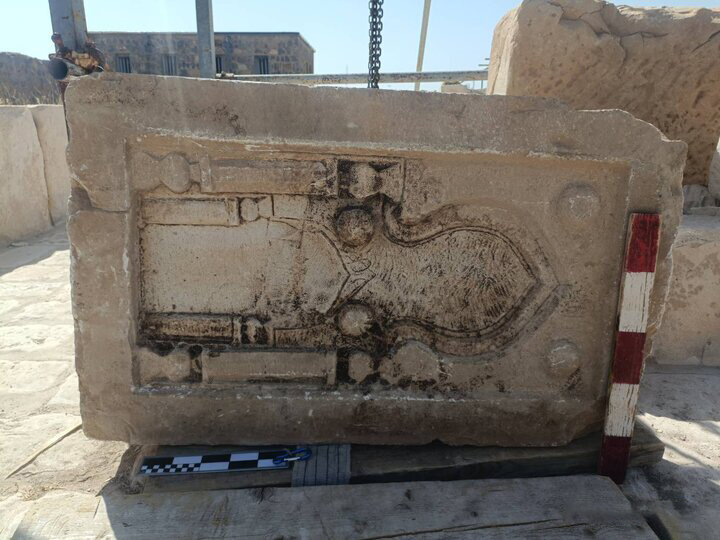
Historic Mihrab Discovered at Pasargadae Caravanserai in Iran
A historic mihrab has been identified during restoration work at a caravanserai within Pasargadae, the UNESCO-listed archaeological site that once served as the first capital of the Achaemenid Empire in Iran. The architectural feature was found during protective and conservation operations at the caravanserai, according to Seyyed Abdolmajid Abedi, head of the Pasargadae World Heritage…
-
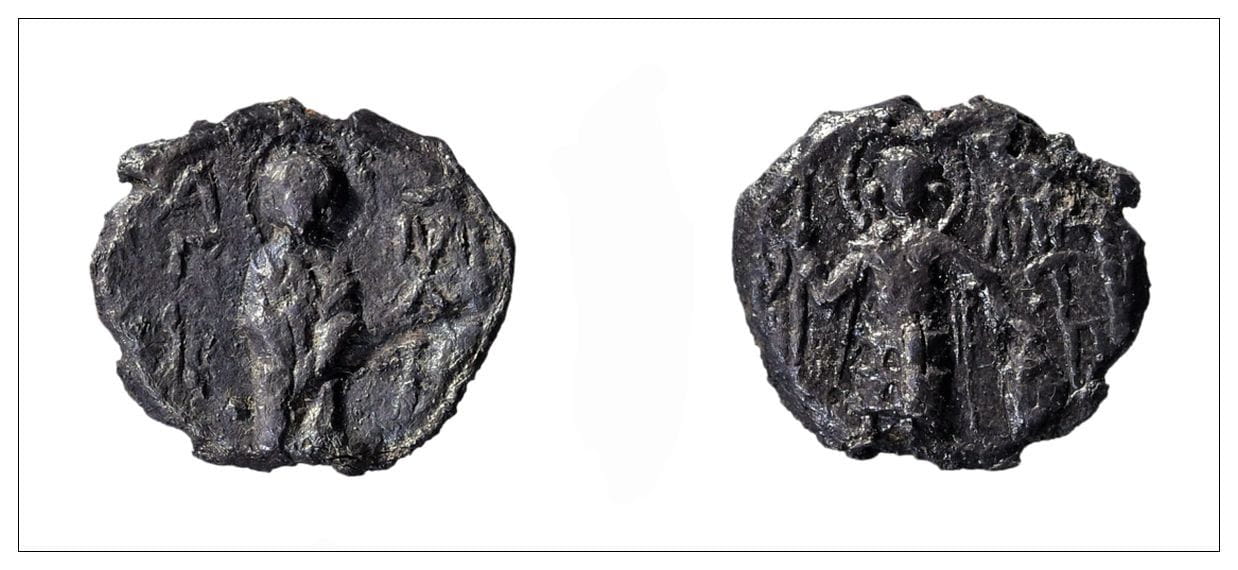
Rare 800-Year-Old Seals Found in Russia Identified as Belonging to Medieval Princess Maria
Two lead seals uncovered during rescue excavations in Vladimir, Russia, have been identified as belonging to Princess Maria Vsevolzhaya, a prominent woman in northeastern Rus’ before the Mongol invasion. Dated to the late 12th or early 13th century, the seals once secured documents that have not survived. Their identification suggests that Maria took part directly…
-
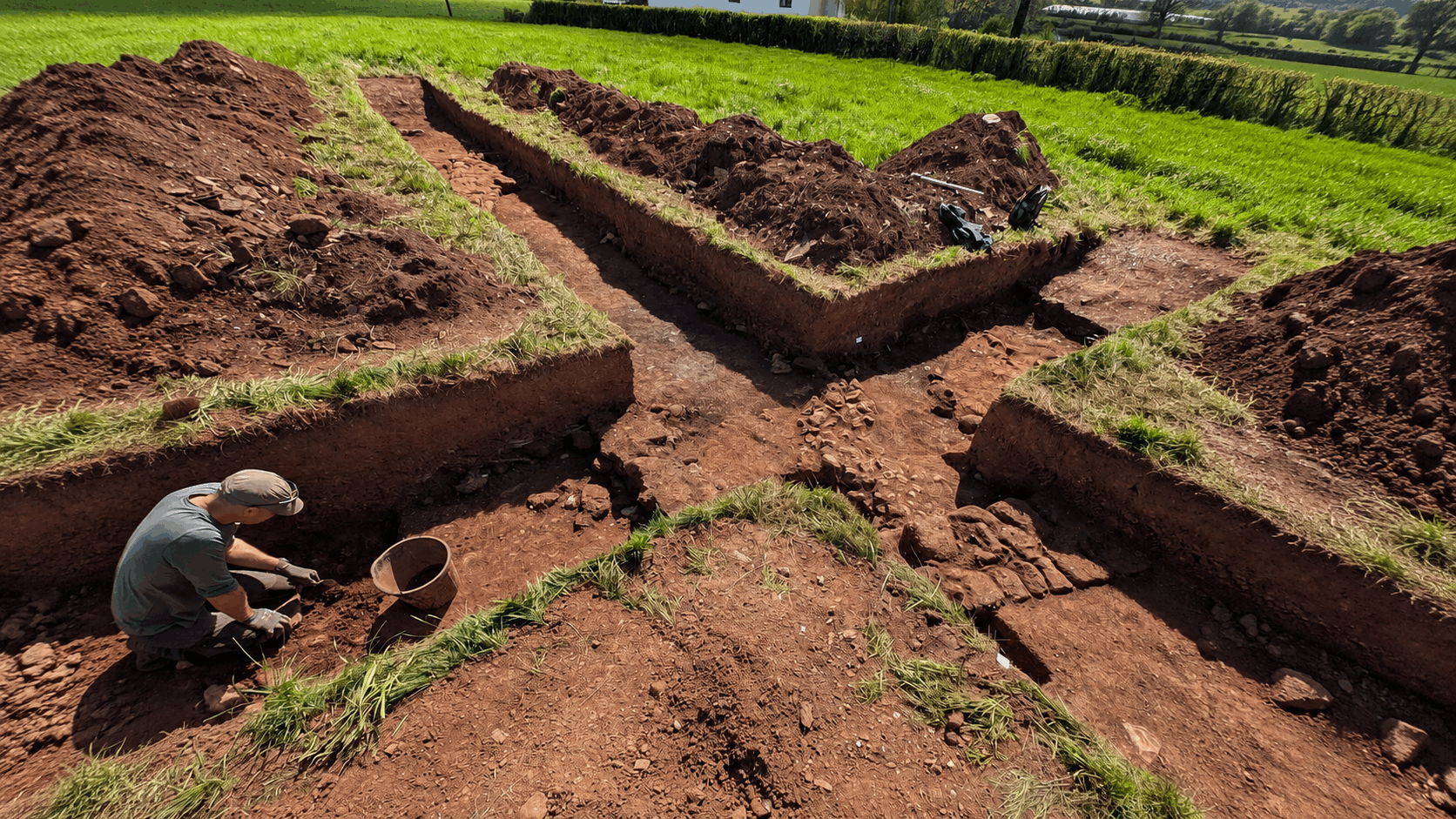
1,700-Year-Old Constantinople Commemorative Coin Found at Roman Villa in England
Archaeologists excavating a Roman villa in Devon, southwest England, have uncovered a 1,700-year-old Constantinople commemorative coin dating to between AD 330 and 340. The coin was issued during the reign of Emperor Constantine I to mark Constantinople becoming the new capital of the Roman Empire. A coin marking the new imperial capital Constantine rebuilt the…