-
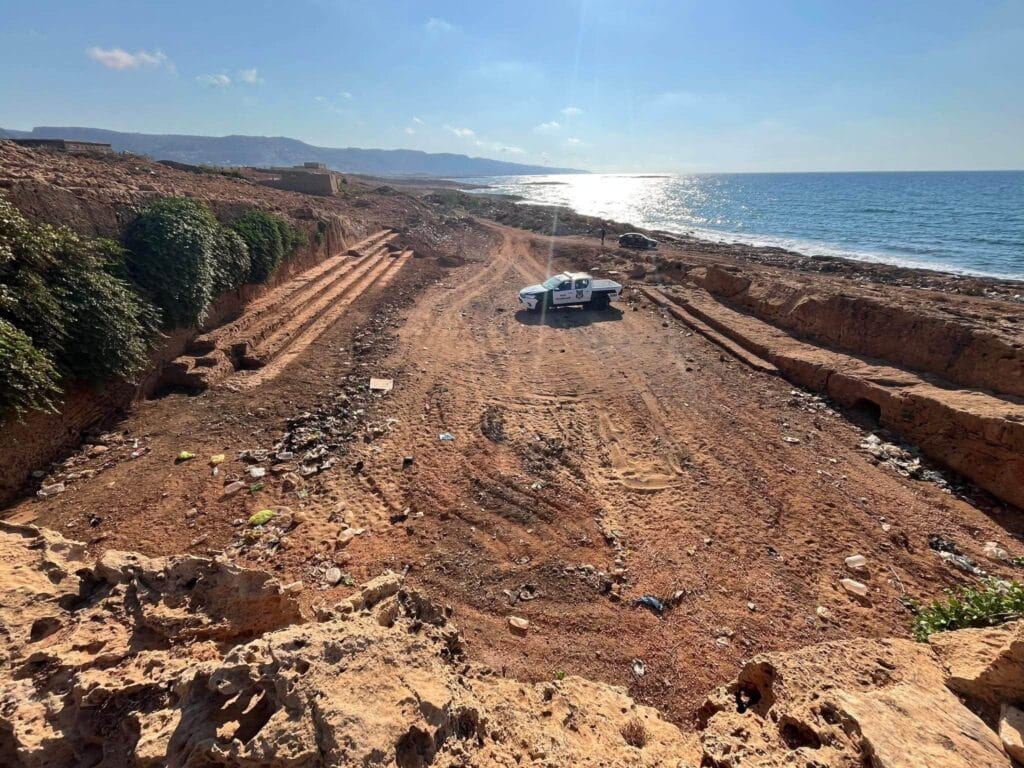
Rare Greek Hippodrome Comes to Light at Ancient Apollonia in Libya
Archaeologists working at the ancient city of Apollonia on Libya’s eastern coast have brought a rare Greek hippodrome back into view, while also identifying a previously unknown theater overlooking the Mediterranean Sea. The findings were announced in modern Susa by the Mission archéologique française de Libye (French Archaeological Mission in Libya). Researchers also reported the…
-
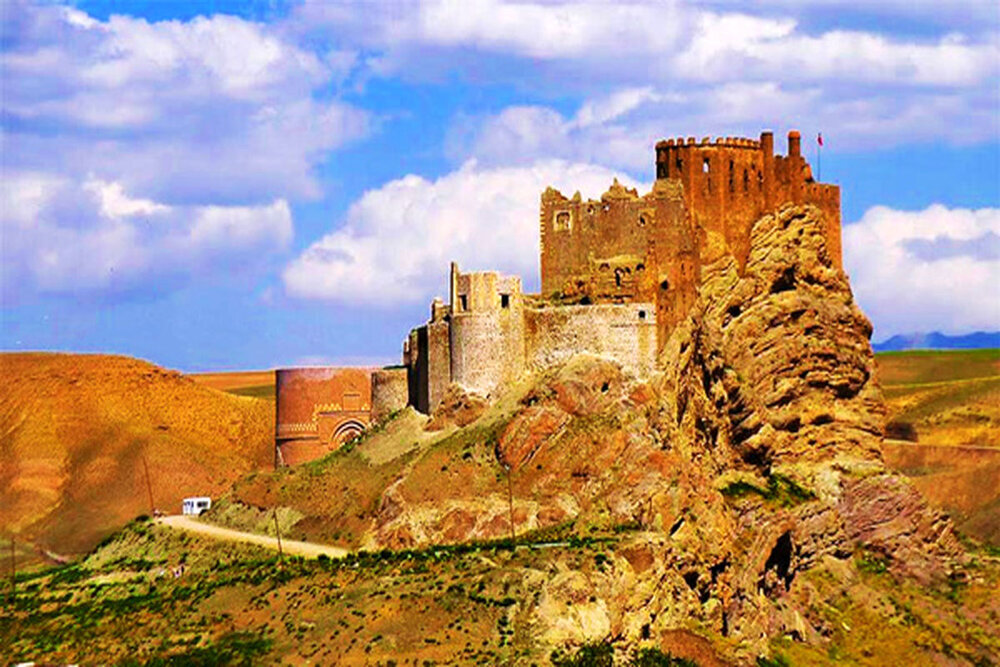
Seven-Fortress Alamut Network Nominated for UNESCO World Heritage Status
Iran has nominated the Cultural Landscape of Alamut and its related fortifications for UNESCO World Heritage status, seeking international recognition for one of the most important medieval defensive networks in the Alborz Mountains. The serial nomination includes seven castles and associated fortifications linked to the Nizari Ismaili state between the 11th and 13th centuries. At…
-
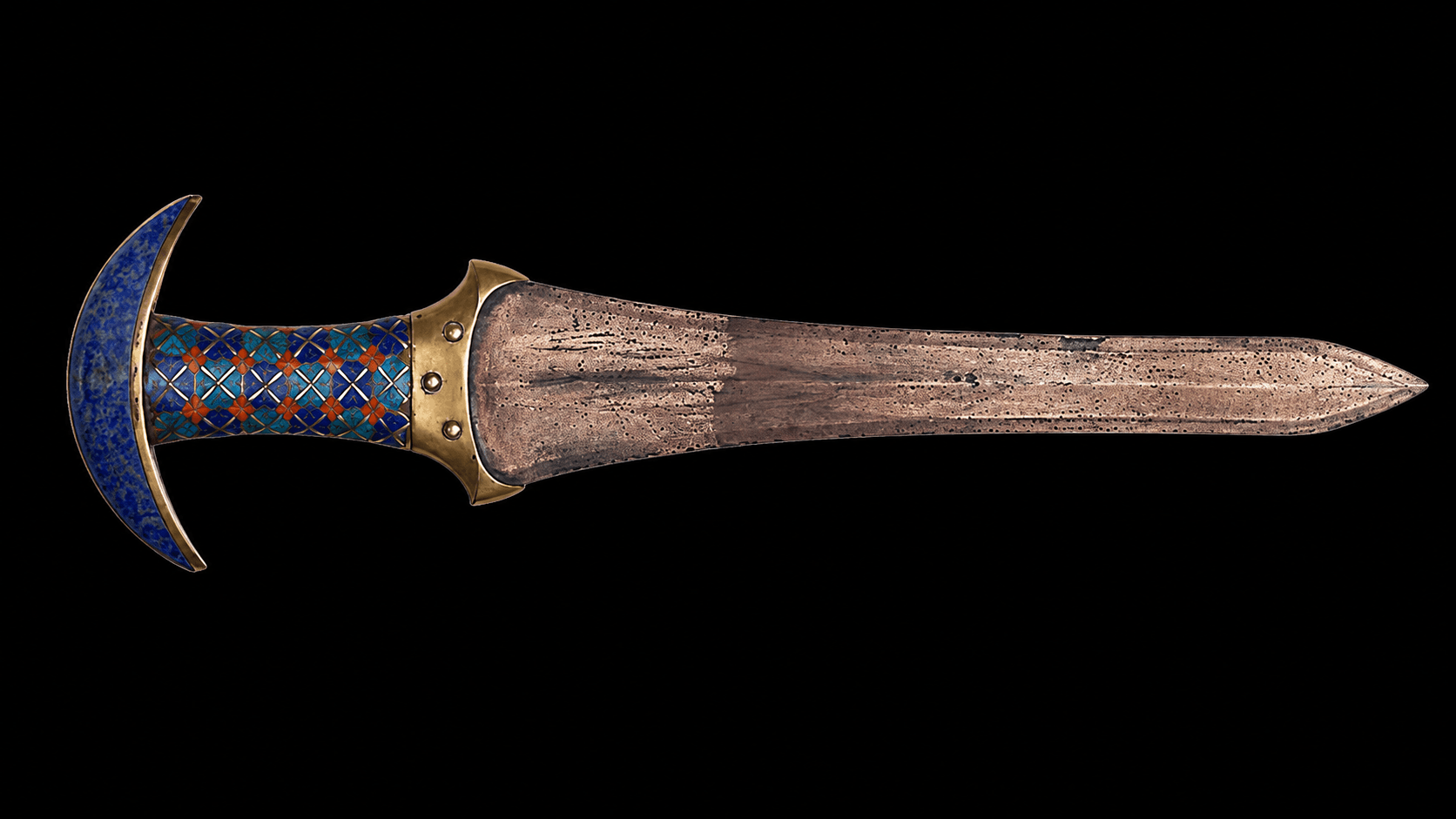
4,000-Year-Old Bones Suggest Egyptian Princesses Trained with Bows and Daggers
Nearly 4,000 years ago, Egyptian princesses trained with bows and daggers, a new study of skeletal remains from Dahshur suggests. The women were buried with bows, arrows, maces and decorated daggers—objects long debated as either personal weapons or symbols of royal rank. The new analysis indicates that the answer may be both. Pronounced muscle attachment…
-
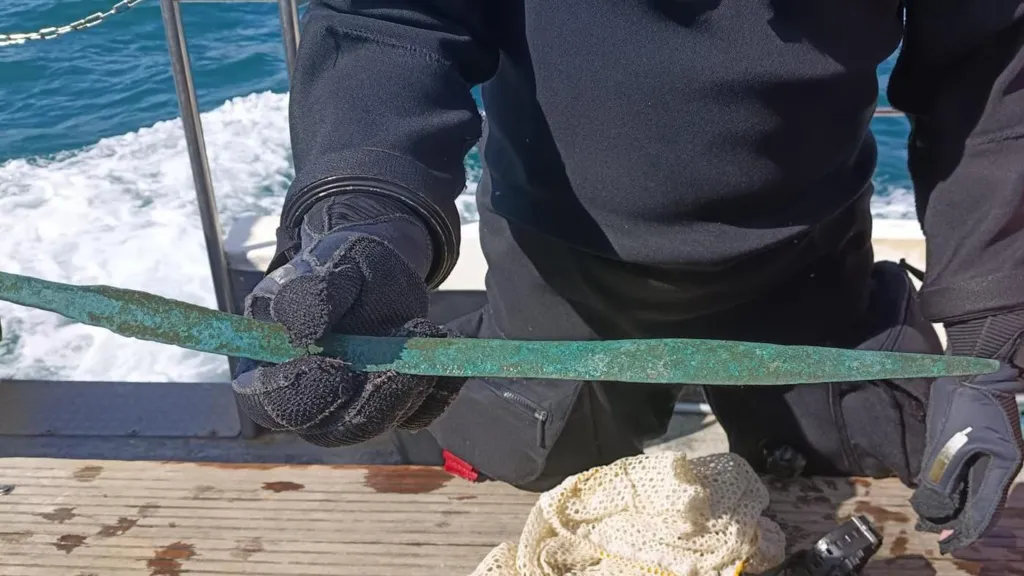
Rare 3,000-Year-Old Bronze Age Sword Discovered at Salcombe Wreck Site
A remarkably rare Bronze Age sword has been recovered from the seabed at the protected Salcombe wreck sites off the coast of Devon in south-west England. The weapon was discovered earlier this year by volunteer divers Becky Gill and Catherine Gill during archaeological investigations by the South West Maritime Archaeological Group. Initial specialist assessment dates…
-
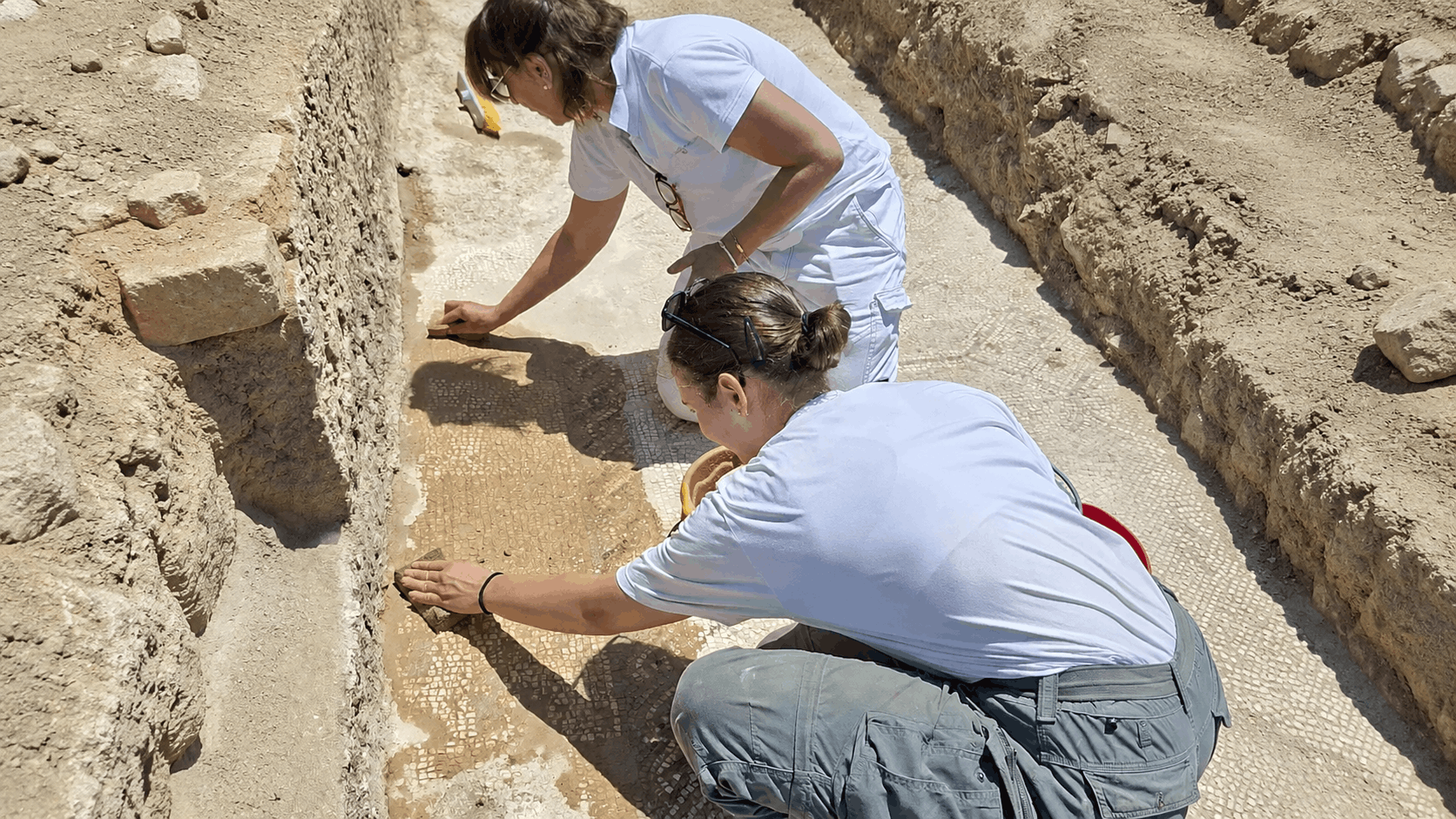
Polychrome Late Antique Mosaic and Christian Monogram Unearthed in Sicily
Archaeologists working in Agrigento, Sicily, have uncovered a polychrome geometric mosaic and a group of objects linked to the city’s early Christian community. The discoveries were made during the 11th excavation campaign in the Hellenistic-Roman Quarter of ancient Agrigentum, close to a large Roman bath complex. The excavated building remained in use for nearly eight…
-
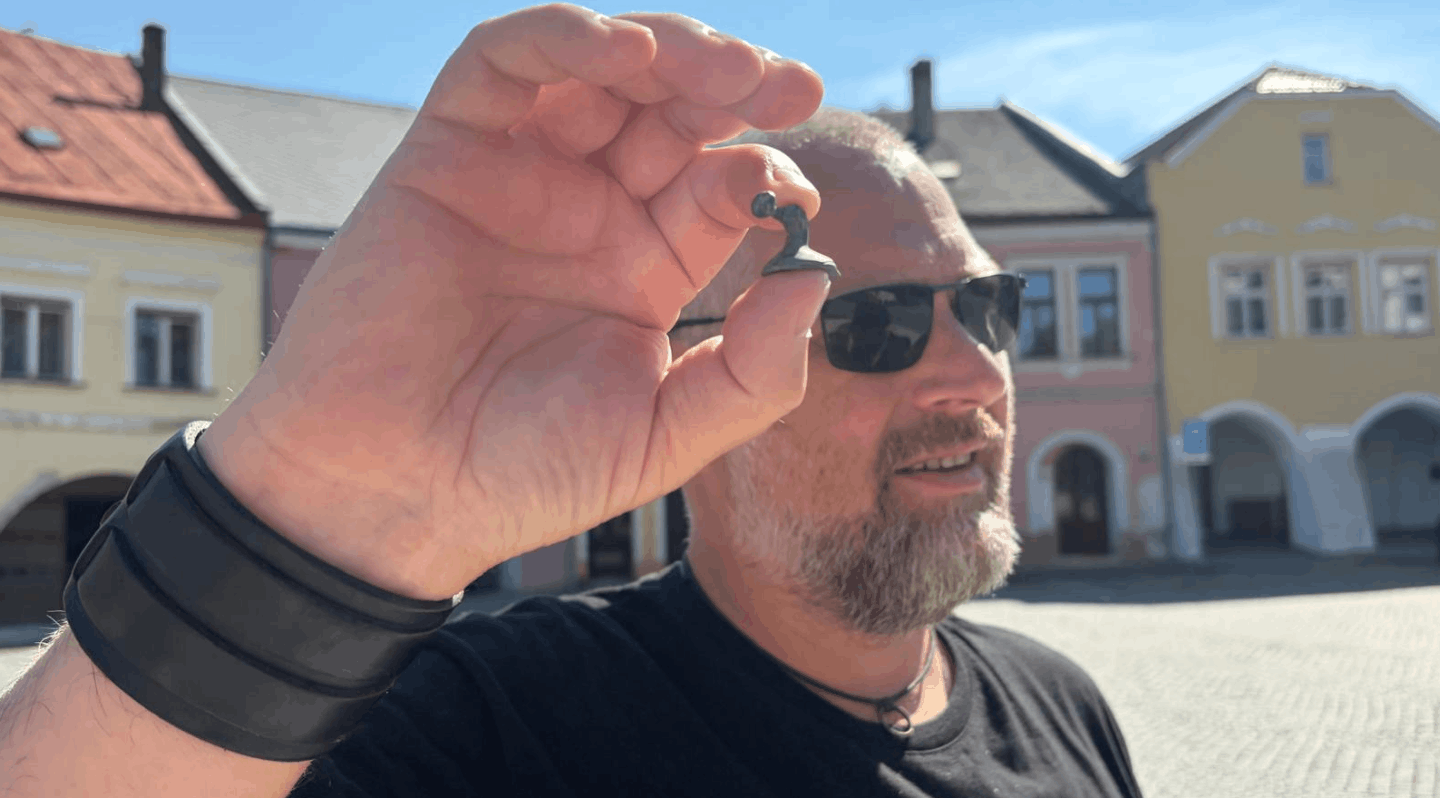
Tiny 2,000-Year-Old Celtic Bronze Duck Found Near the Amber Road in Moravia
A miniature Celtic bronze duck more than 2,000 years old has been discovered near the village of Tučín in Moravia, in the eastern Czech Republic. The intact figurine measures only 23 millimetres in length and weighs around 10 grams. It was found by amateur archaeologist Miroslav Komínek, who works with the Comenius Museum in Přerov.…
-
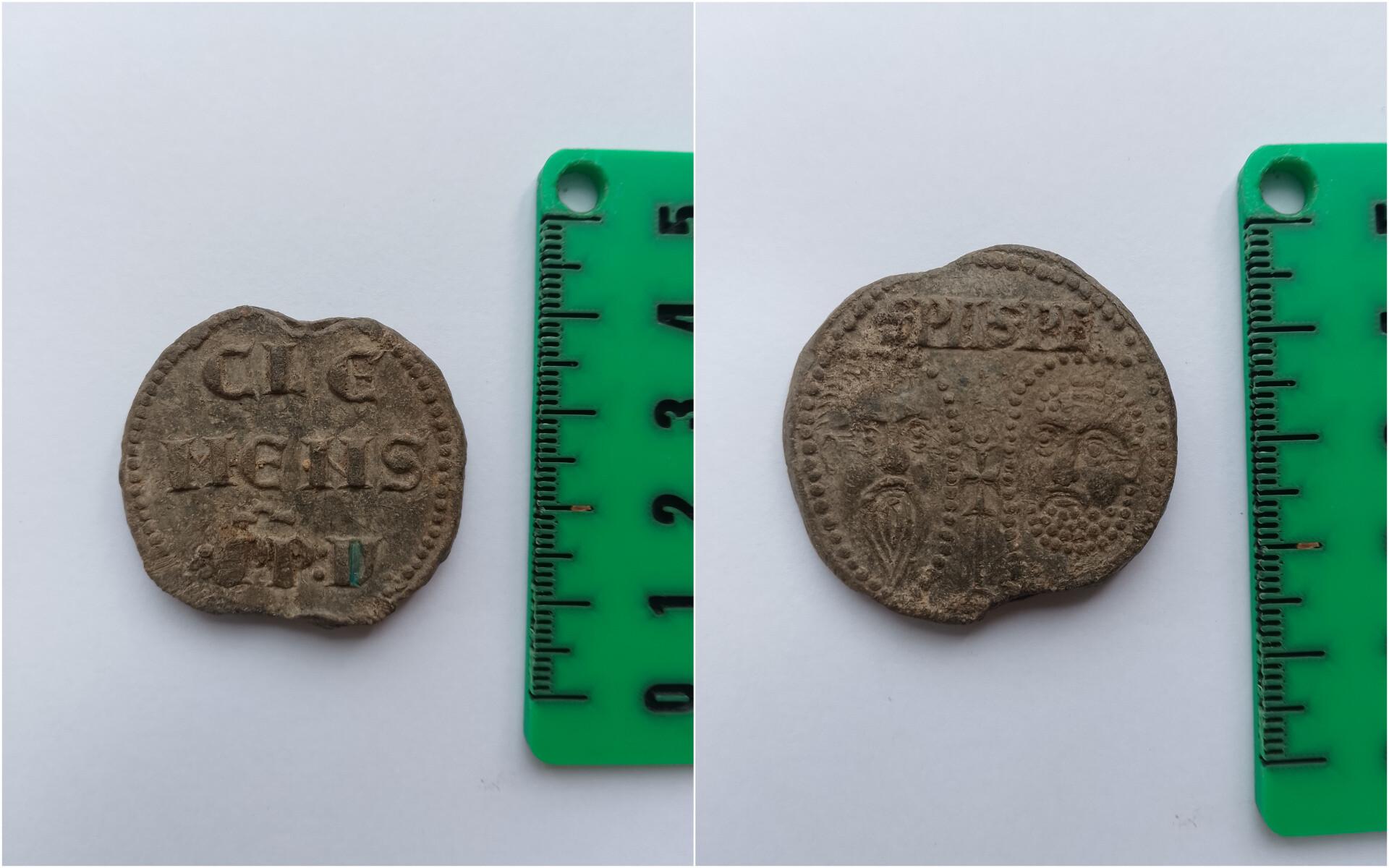
14th-Century Papal Seal Unearthed in Tallinn, the First Found in Estonia
Archaeologists excavating a courtyard in central Tallinn have discovered a 14th-century lead seal issued under Pope Clement V. It is the first papal seal ever recovered during an archaeological excavation in Estonia. The seal was found in the courtyard of the Soviet-era Eesti Projekt office building, where excavations began last year. Archaeologists have also uncovered…
-
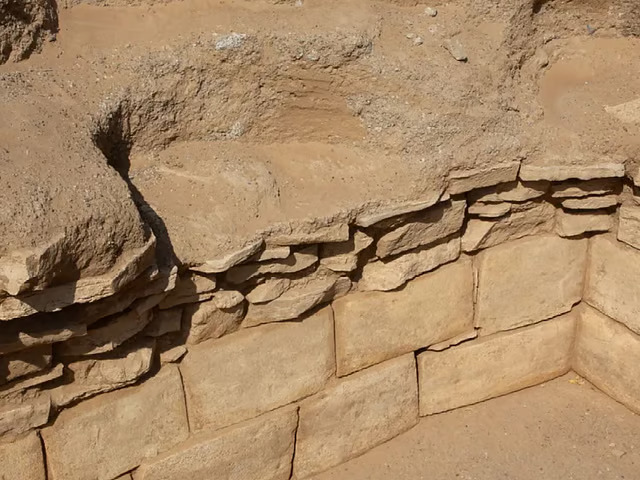
4,000-Year-Old Communal Tomb in Al Ain Held Hundreds of Burials
A 4,000-year-old communal tomb in Al Ain has been found containing the remains of hundreds of people. Discovered at the Qattarah Necropolis in the United Arab Emirates, the underground chamber remained in use for at least 1,000 years. Measuring approximately 11 metres long and 2.5 metres wide, the tomb dates to the Wadi Suq period…
-
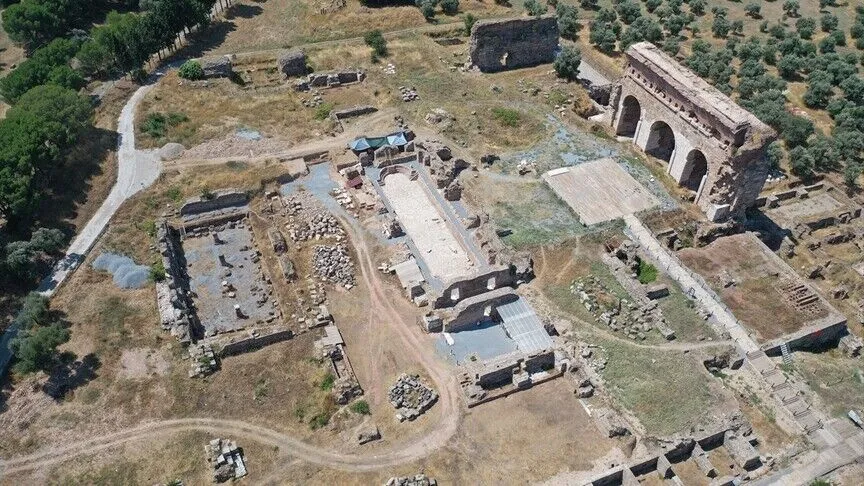
A 56-Kilometre Water System Fed Tralleis’ 2,000-Year-Old Roman Pool
A Roman pool capable of holding around 300 people has been fully excavated at Tralleis, an ancient city near Aydın in western Turkey. The 2,000-year-old basin was supplied with fresh water through a network stretching approximately 56 kilometres from the mountains north of the city. The open-air pool measures 37 metres long and 12 metres…