-
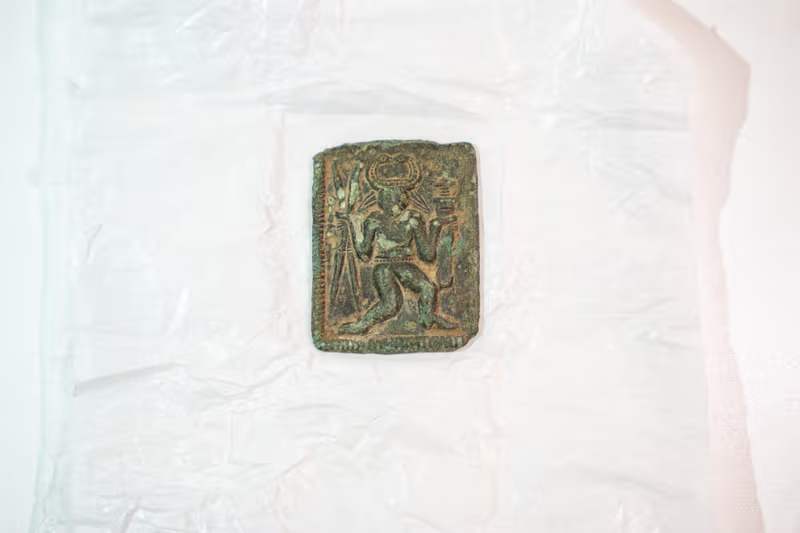
One-of-a-Kind Anglo-Saxon Die Stamp Found in Kent May Reveal a Lost Elite Craft in England
A one-of-a-kind Anglo-Saxon die stamp found in Kent may preserve rare evidence for the making of elite warrior equipment in early medieval England. The small copper-alloy object was discovered near Lynsted by metal detectorist Stephen Newbury. It dates to the late sixth or early seventh century and has now been identified as the only confirmed…
-
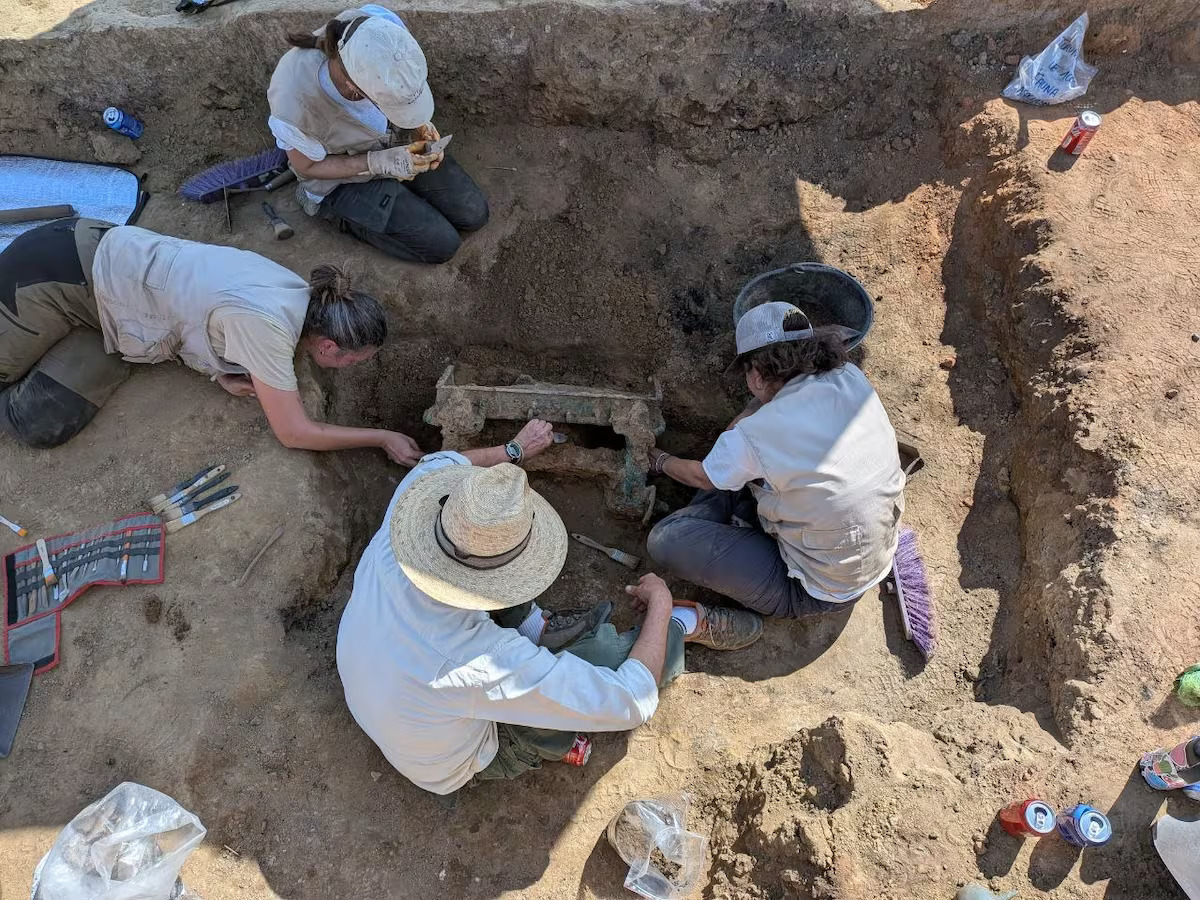
Unique 2,500-Year-Old Bronze Ritual Cart with Achelous Found at Casas del Turuñuelo
A small bronze cart, broken in half and buried for nearly 2,500 years, has become the latest surprise from Casas del Turuñuelo, the Tartessian site in southwestern Spain that keeps forcing archaeologists to rethink one of the Iberian Peninsula’s most elusive ancient cultures. The object was found during the eighth excavation campaign at the site,…
-
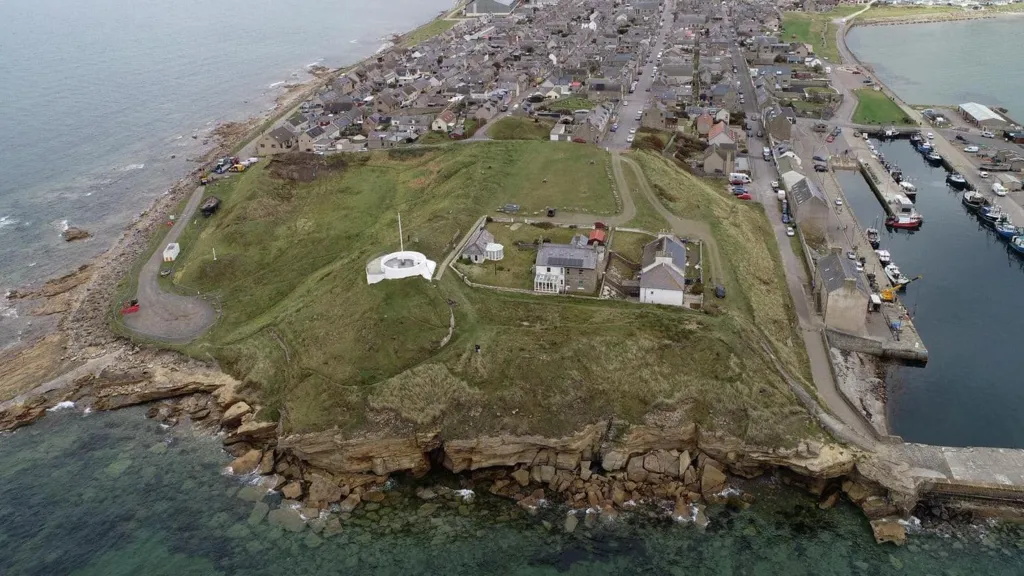
Archaeologists Return to Scotland’s Largest Pictish Fort, a Burned Power Base on the Moray Firth
Archaeologists are returning to Burghead, the largest known Pictish fort in Scotland and one of the most important early medieval strongholds in northern Britain. The University of Aberdeen’s Northern Picts project will resume work at the Moray Firth site between August 11 and 25, 2026. Visitors will be able to watch the excavation, while an…
-
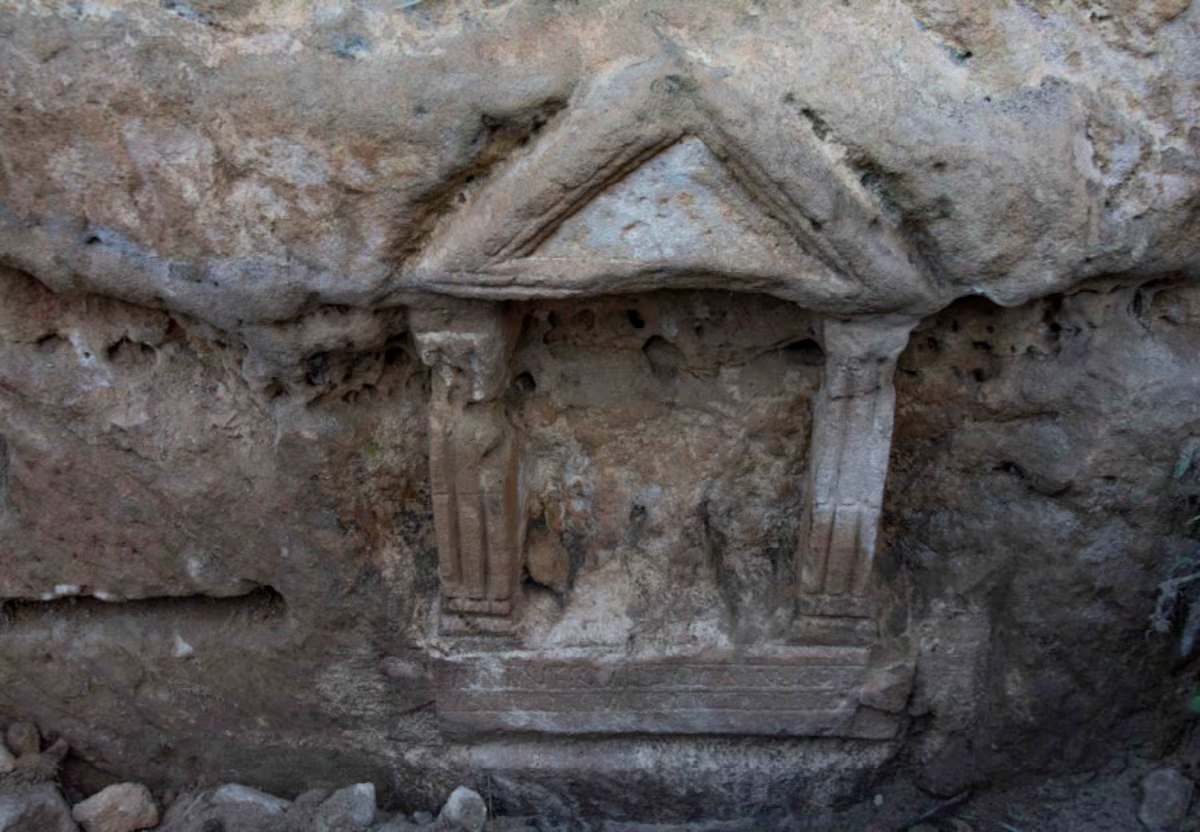
A Tiny Shrine to Minerva Was Carved Into a Roman Quarry in Spain 1,800 Years Ago
A Roman quarry in central Spain has yielded an unusually intimate trace of worship: a tiny rock-cut shrine to Minerva, carved directly into the same sandstone face where workers once extracted building material. The sanctuary, found near Campos del Paraíso in the province of Cuenca, dates to the late second century A.D. It stands about…
-
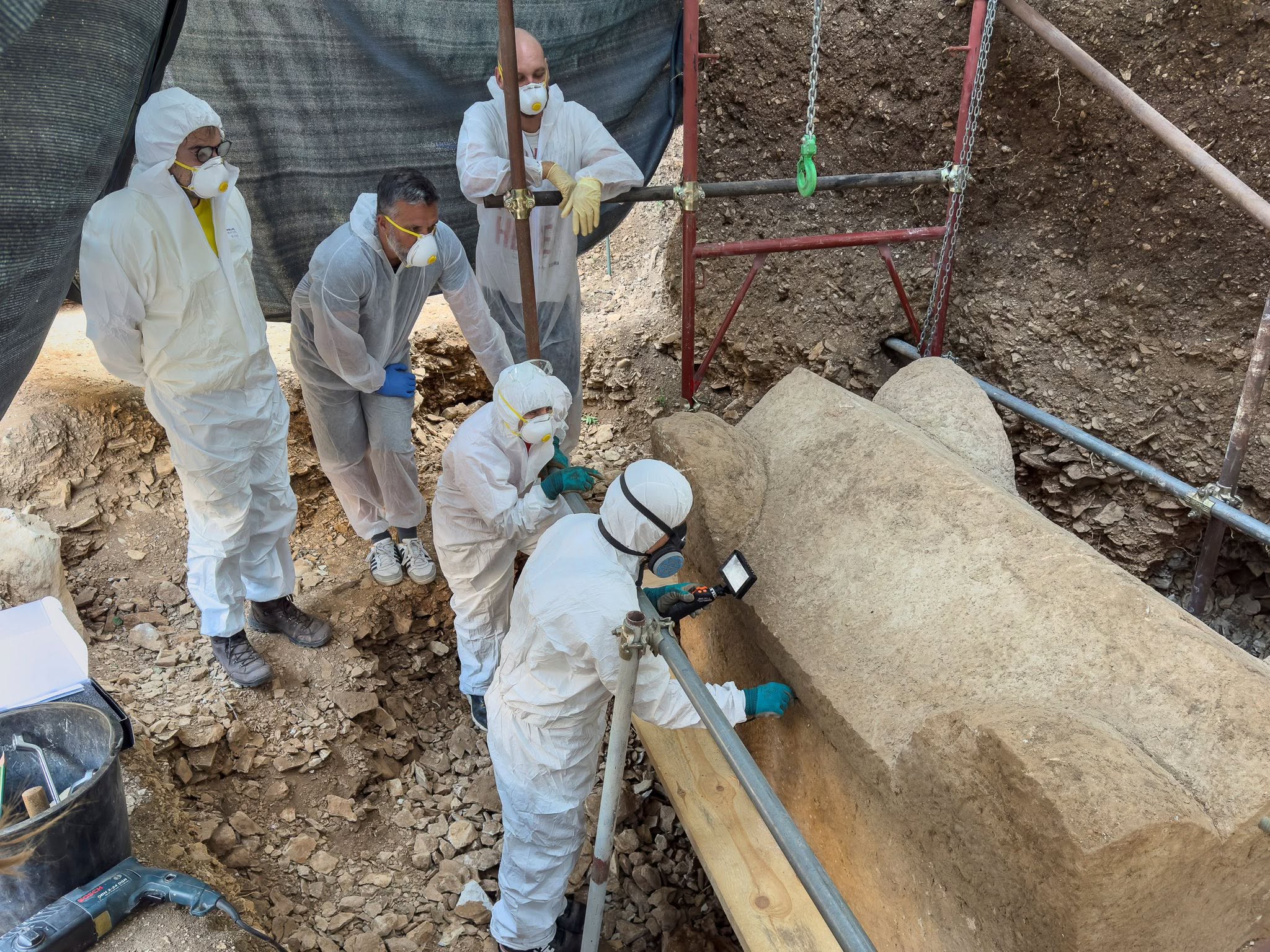
Five-Ton Roman Sarcophagus Found Sealed Beneath Cavtat After 1,500 Years
A five-ton Roman sarcophagus discovered beneath Cavtat, Croatia, was found still closed, sealed with lime mortar, and untouched after more than 1,500 years. The stone coffin, dated to the 4th–6th centuries A.D., was uncovered three meters below the surface in the necropolis of ancient Epidaurum, a Roman colony on the Adriatic coast. A sealed tomb…
-
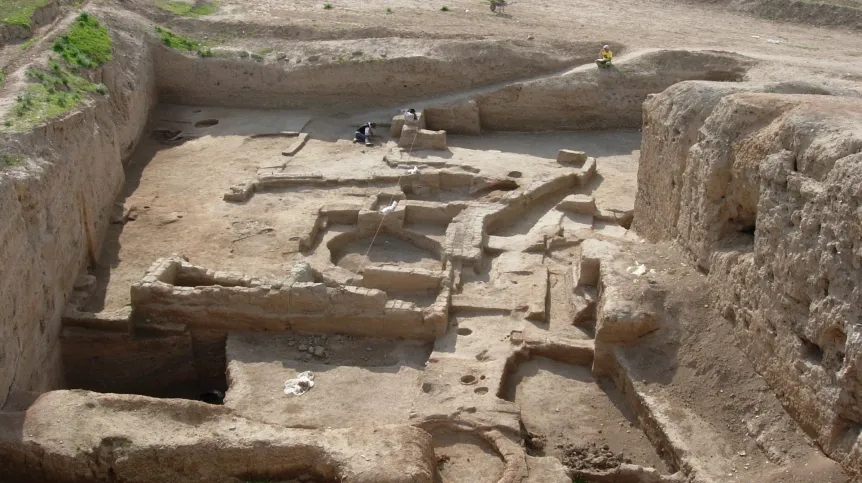
Broken Ribs on a 6,000-Year-Old Infant Skeleton Reveal a Dark Side of Early Urban Life
A 6,000-year-old infant skeleton from Tell Brak in northeastern Syria has revealed one of the rarest traces of violence against a child in prehistoric archaeology. The child, who died between six and nine months of age, was buried during the Late Chalcolithic period, around 4200–3900 BCE. A new study by researchers from the University of…
-

Offerings Buried With the Llullaillaco Maiden Reveal When the Famous Inca Child Was Sacrificed
Frozen near the summit of a volcano, the Llullaillaco Maiden has looked almost untouched by time for more than 500 years. Now, maize, cassava and coca leaves buried beside her have helped researchers place her death more precisely in history. A new study suggests that the famous Inca capacocha ceremony took place around 1499, during…
-
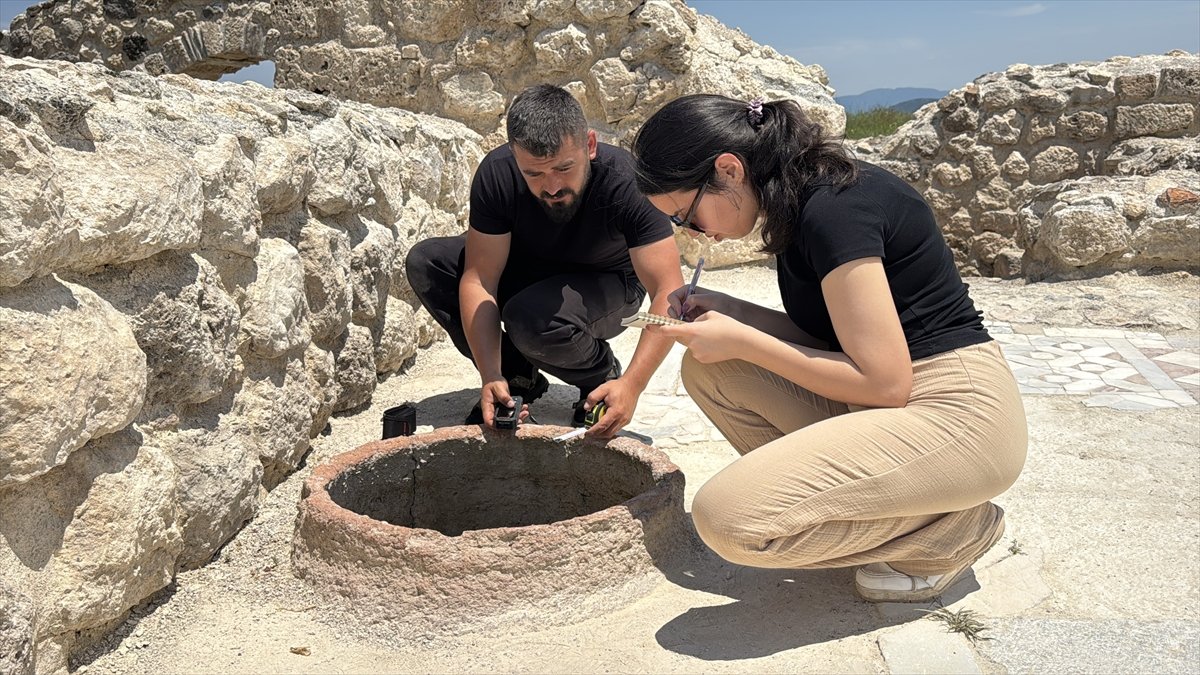
Rare 1,750-Year-Old Jar Burial at Hadrianopolis May Be the First of Its Kind in the Region
A large ceramic jar buried nearly 1,750 years ago has revealed an unusual Roman-period grave at Hadrianopolis Ancient City, where archaeologists found a skeleton placed with pottery, a lamp, a coin, a knife, and bone hair clasps. The discovery was made during ongoing excavations in Eskipazar, Karabük, under the direction of Prof. Dr. Ersin Çelikbaş…
-
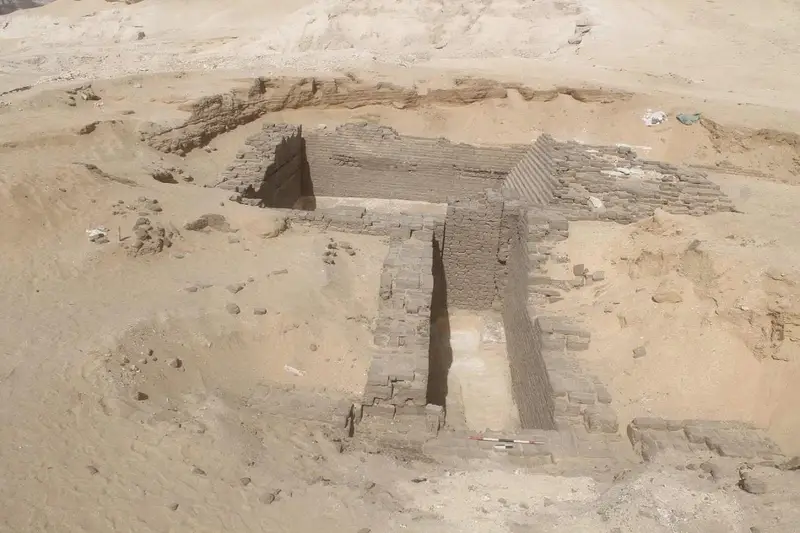
5,000-Year-Old Tombs Found in Minya May Reveal an Early Step Toward Egypt’s Pyramids
Before the first pyramids appeared, Egyptian builders were already experimenting with stone tombs that demanded careful control of weight, balance, and stability. Archaeologists at Jabal al-Tayr in Egypt’s Minya Governorate have uncovered two Early Dynastic tombs, along with burials dating to the Predynastic period and the Late Period. Announced by Egypt’s Ministry of Tourism and…