-
An Animal-Figured Seal at Büklükale May Belong to an Early Hittite Tradition
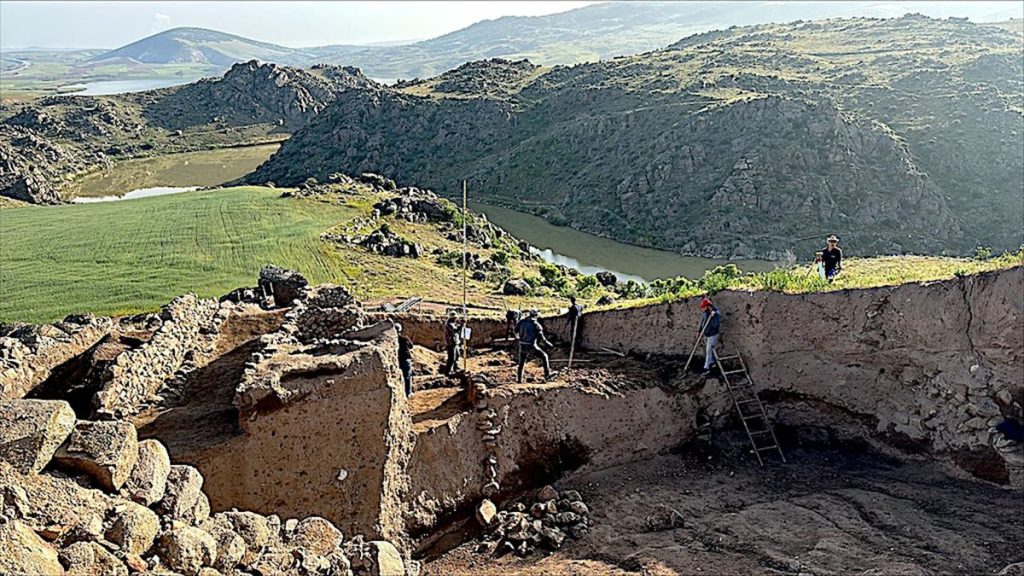
A handled stamp seal with two animal figures has been found at Büklükale, the multi-layered archaeological site near the Kızılırmak River in central Türkiye. The object was uncovered during excavations in Karakeçili district of Kırıkkale province, where a team from the Japanese Institute of Anatolian Archaeology has been working under the direction of Assoc. Prof.…
-
A 1,700-Year-Old Roman Board Game from Vindolanda Is Playable Again Thanks to 3D Printing
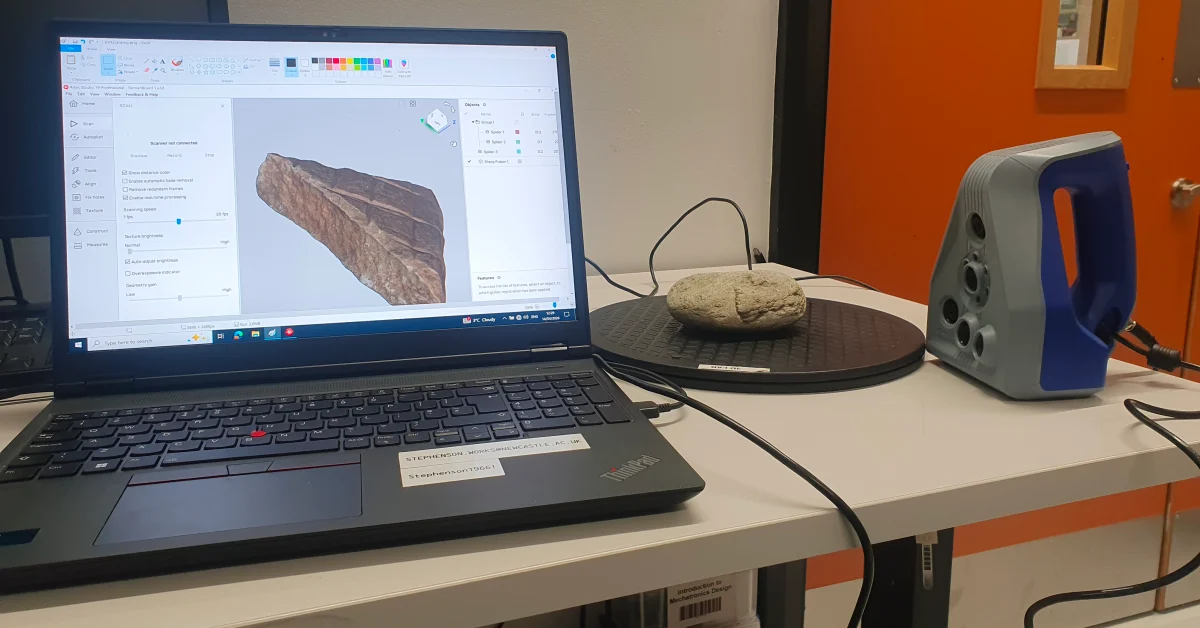
A 1,700-year-old Roman board game excavated at Vindolanda, one of the most important archaeological sites on Hadrian’s Wall, has been made playable again through 3D scanning and 3D printing. The replica allows visitors to handle and play a version of the game while the original stone board remains protected. The project centers on a stone…
-
4,000-Year-Old Cuneiform Letters from Anatolia Read Without Opening Their Clay Envelopes
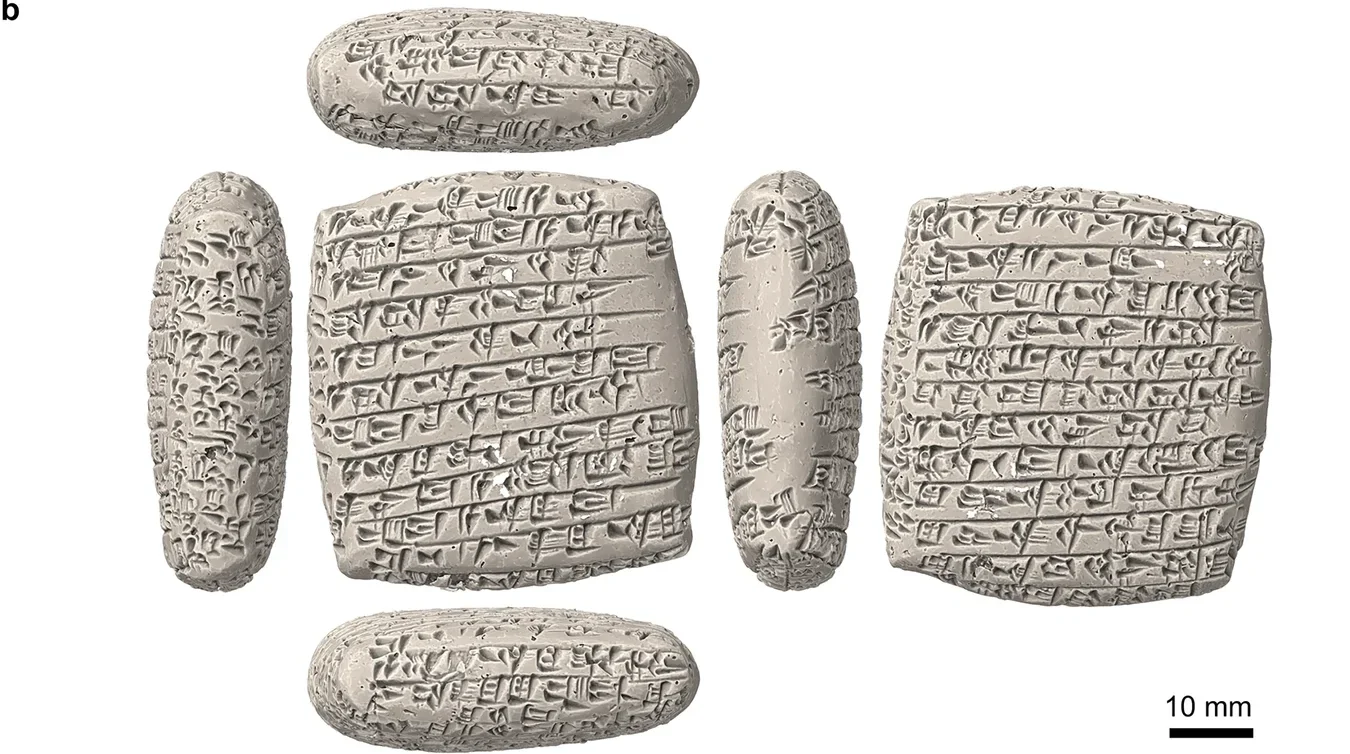
Nearly 4,000 years ago, cuneiform letters sent through the Old Assyrian trade network in Anatolia were written on small clay tablets, wrapped in thin clay envelopes, sealed, and sent on their way. The outside usually carried only limited information: the sender, the recipient, and seal impressions. The message itself stayed hidden until the recipient cracked…
-
A ‘Bearskin’ in Museum Storage Turns Out to Be Sweden’s Oldest Known Shoe
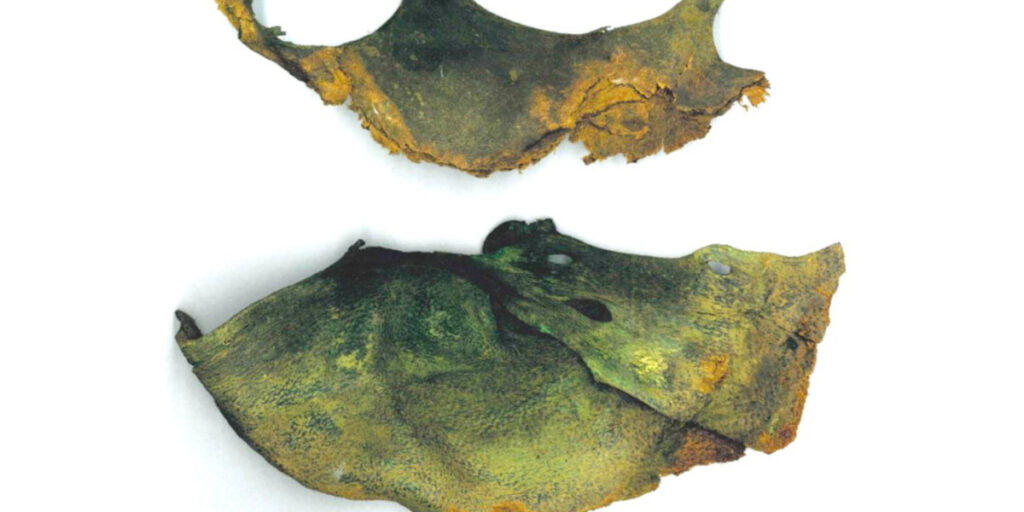
Leather fragments kept for decades in a Swedish museum under the label “bearskin” have been reidentified as something far rarer: the oldest known shoe remains from Sweden. The fragments were excavated in 1943 from a large Iron Age cairn at Igelsta–Västerängen in Roslagen, eastern Uppland. They were long thought to be part of a bear…
-
Ancient Human DNA Found on Cave Walls for the First Time
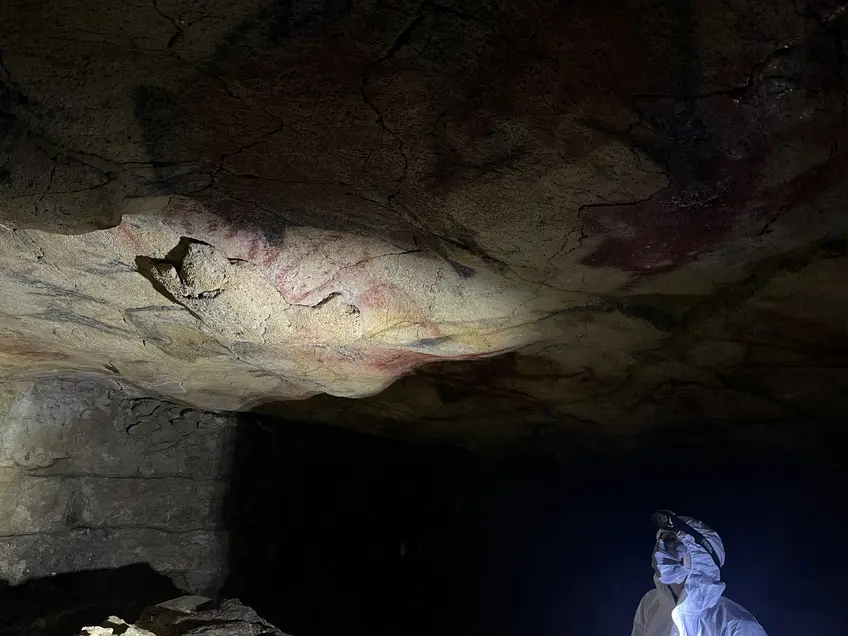
A cave wall is not usually treated like a genetic archive. In Spain and Portugal, however, researchers have recovered ancient human DNA from the surface of cave walls, including areas close to prehistoric rock art. The study, led by the Max Planck Institute for Evolutionary Anthropology and published in Nature Communications, examined 24 rock art…
-
A Cross Sealed a Mithras Temple in Türkiye 1,700 Years Ago
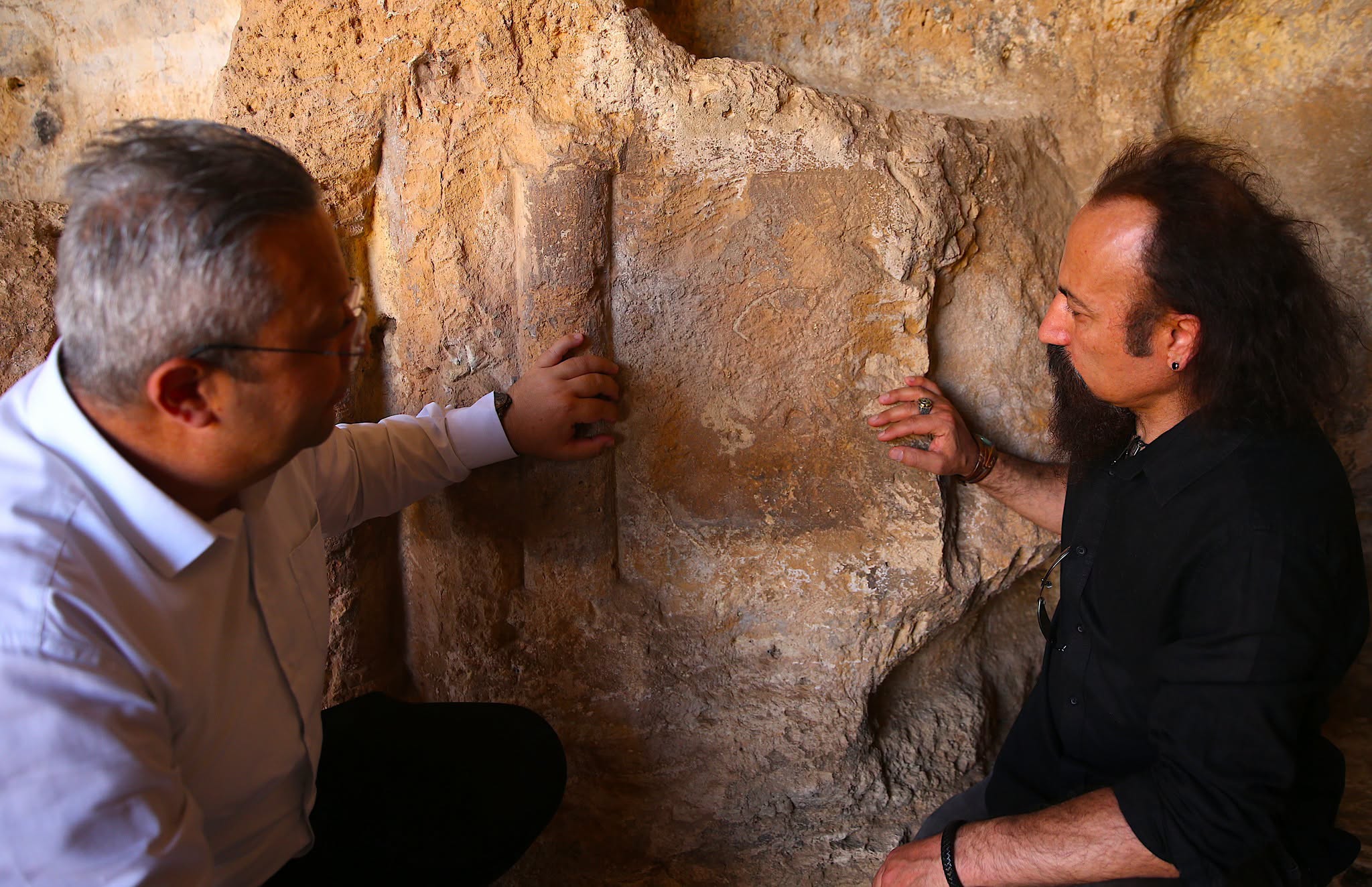
At Zerzevan Castle in Diyarbakır, researchers say a newly deciphered inscription at the entrance of an underground Mithras temple shows that the sanctuary was sealed by Christians about 1,700 years ago. The text, examined through Aramaic and Syriac epigraphy, suggests that the temple was not merely abandoned. Its sacred authority was formally brought to an…
-
A 3,000-Year-Old Zhou Domain Emerges in China with Thousands of Tombs and Chariot Pits
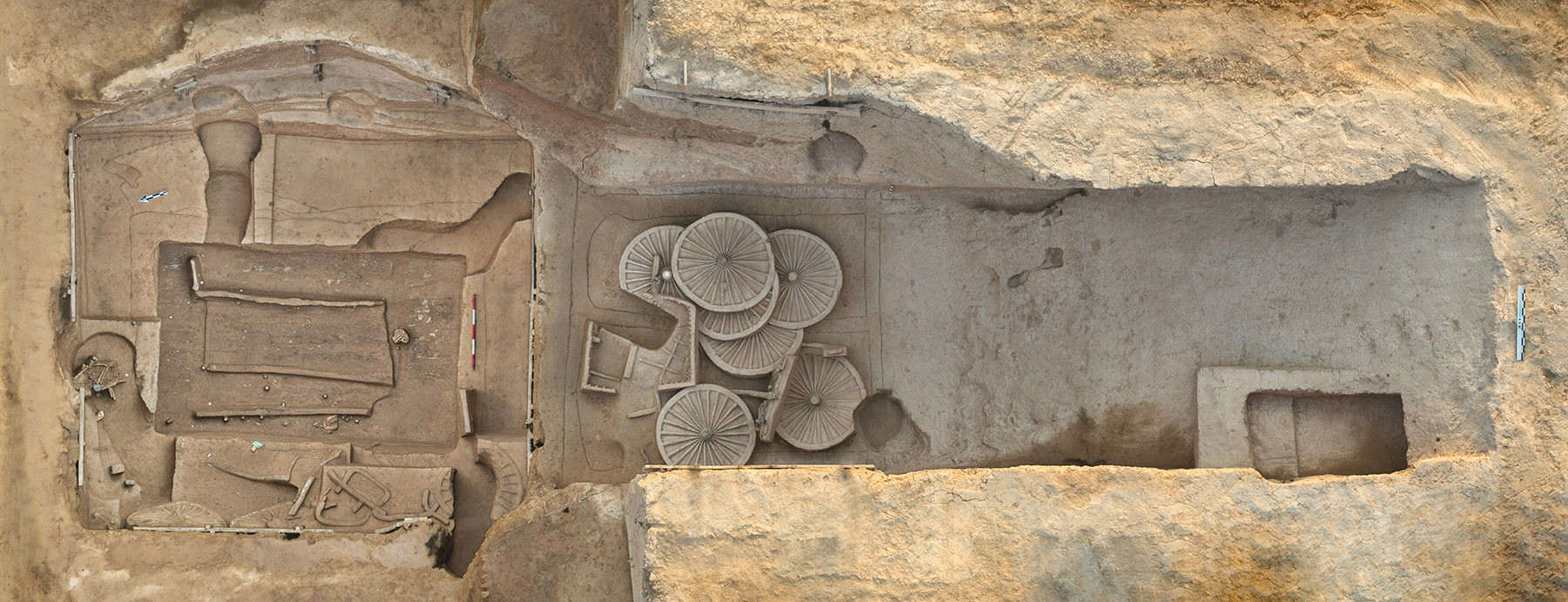
A vast Western Zhou site in China’s Shaanxi Province is beginning to look less like an isolated cemetery and more like a lost noble domain that once helped anchor royal power on the edge of the Zhou heartland. Archaeologists identified the site at Changchun in Fuping County, where rescue excavations began in 2022 after reports…
-
A Tiny Badge Lost in a Finnish Field Belongs to One of the Rarest Medieval Pilgrimage Finds
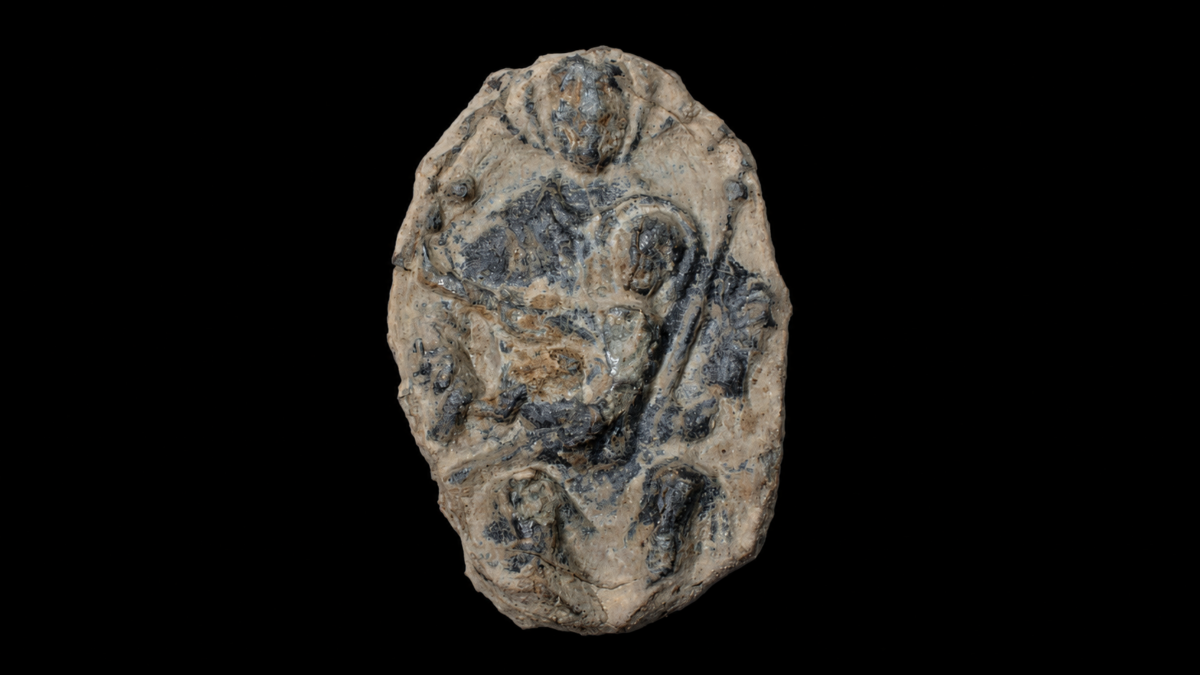
A medieval pilgrim badge found in a field in South-West Finland has been identified as part of one of the rarest known groups of devotional objects from the Baltic world. Only six or seven comparable Livonian badges are known from Europe, which makes the worn pewter fragment from Masku far more important than its small…
-
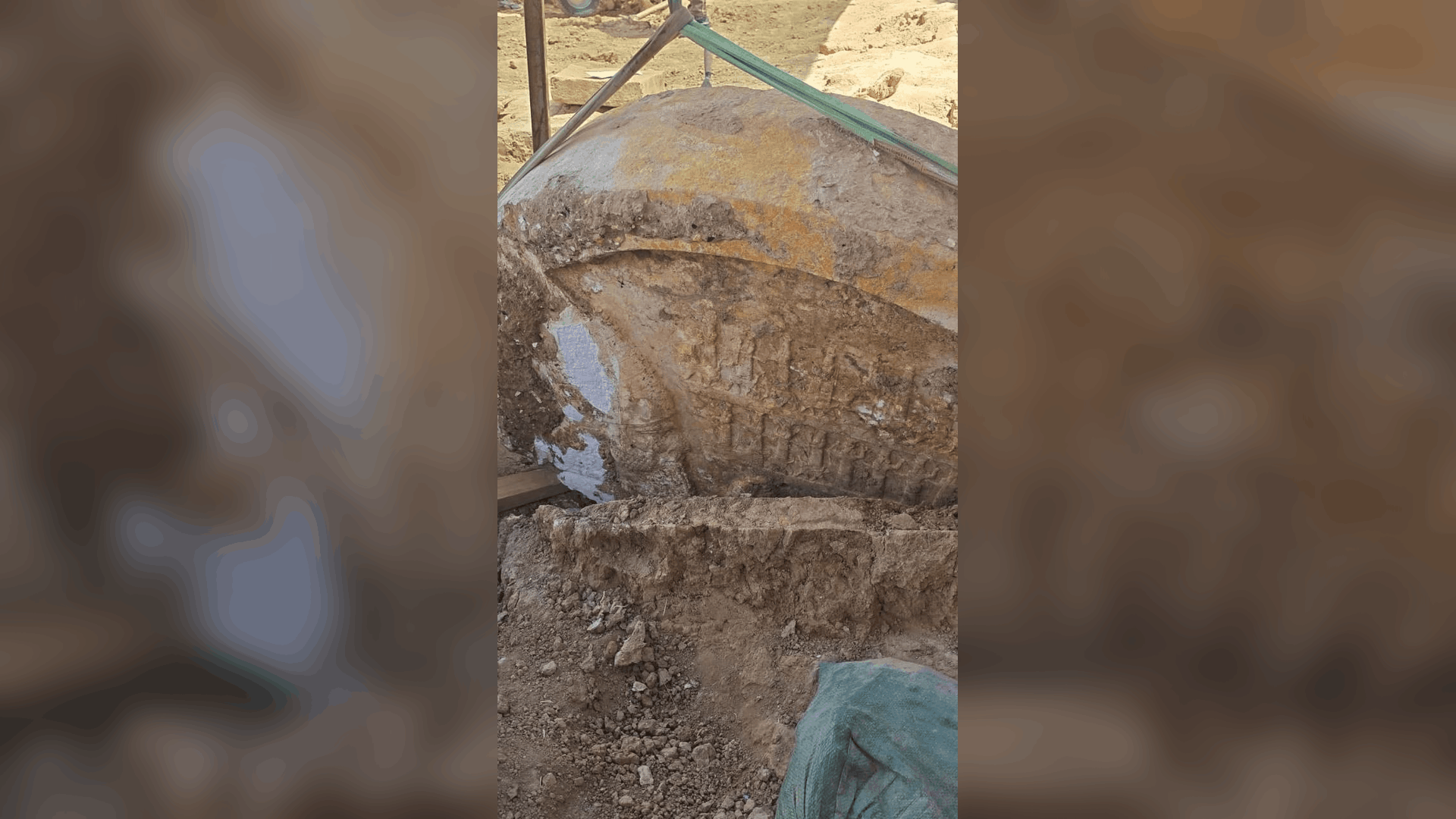
2,700-Year-Old Assyrian Stele Discovered at the Sun Gate of Ancient Nineveh
A stone monument has been uncovered at Bab Shamash, the ancient Sun Gate of Nineveh, where people once passed into one of the most powerful cities of the Assyrian world. Iraq’s State Board of Antiquities and Heritage announced the discovery during ongoing excavation work in Nineveh Governorate, northern Iraq. The large stone stele has been…