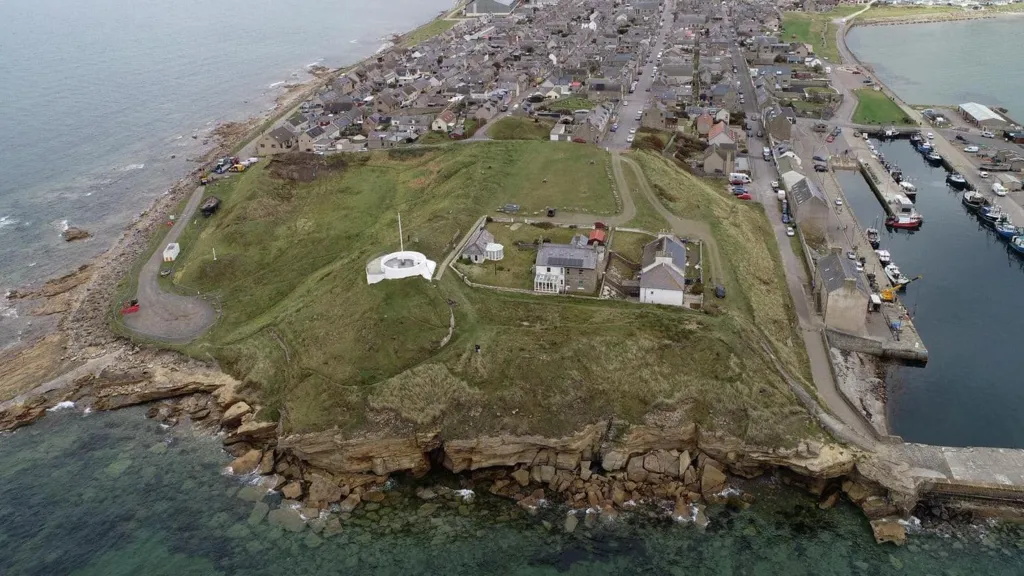
Archaeologists are returning to Burghead, the largest known Pictish fort in Scotland and one of the most important early medieval strongholds in northern Britain.
The University of Aberdeen’s Northern Picts project will resume work at the Moray Firth site between August 11 and 25, 2026. Visitors will be able to watch the excavation, while an open day on August 22 will include site tours, Pictish stone-carving demonstrations and craft activities linked to the early medieval world.
A Pictish stronghold built on a huge scale
Burghead was not an ordinary coastal fort. Earlier excavations have shown that its ramparts were once about 8 metres thick and may have stood around 6 metres high, forming a major defensive enclosure on the edge of the Moray Firth.
Much of the fort was damaged in the early 19th century, when the modern town and harbour were built over parts of the site. Even so, archaeology has steadily recovered traces of a settlement far more complex than a simple military post.
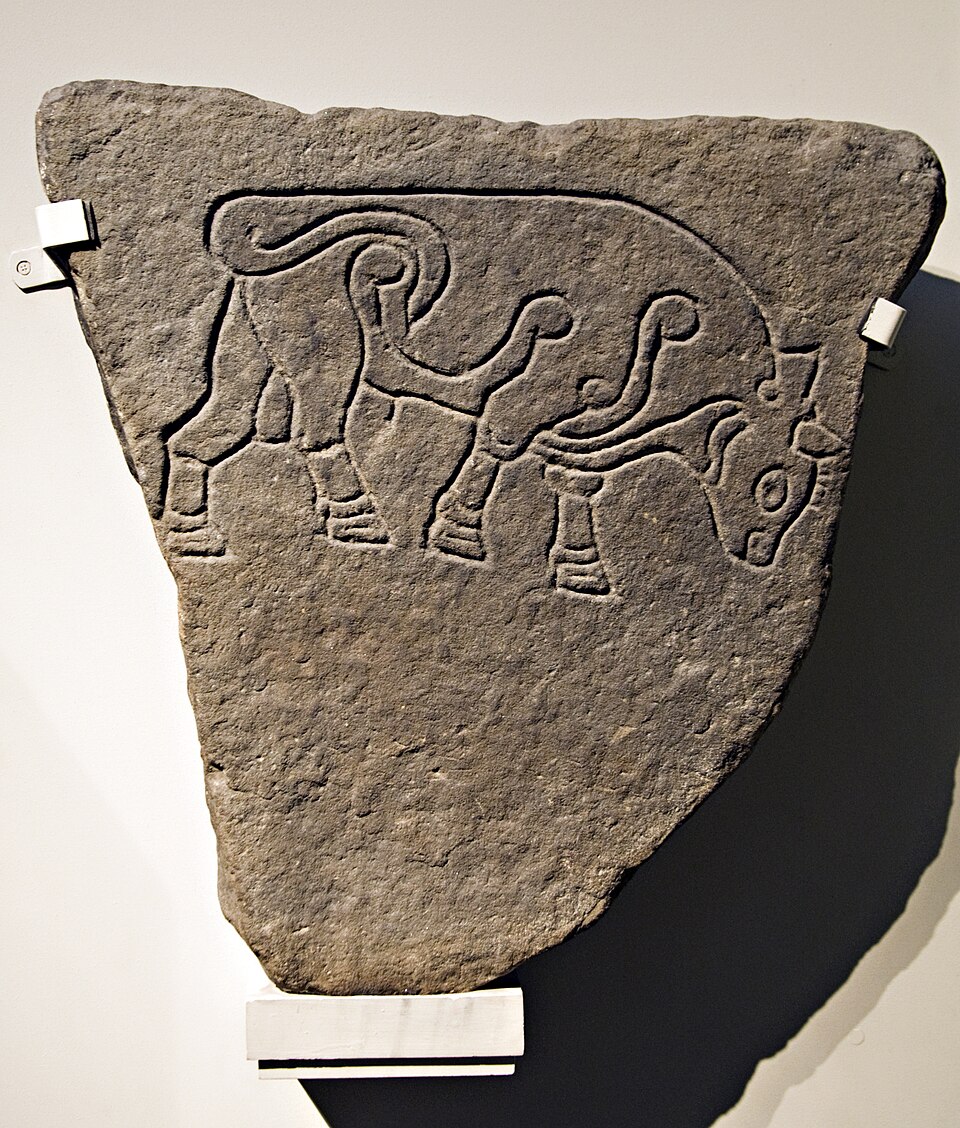
Since 2015, the Northern Picts project has uncovered evidence of houses, craft activity, metalworking, weapons, dress accessories and everyday refuse. Decorated bone pins and combs suggest a community with access to skilled production and personal ornament, not just warriors behind ramparts. Finds from the site, including worked bone objects and food remains, also help fill out the picture of daily life inside the fort.
The fire that ended Burghead
The fort is thought to have been destroyed in the 10th century. The cause is still uncertain. Viking attack is one possibility, given the period and the coastal setting. Internal conflict is another.
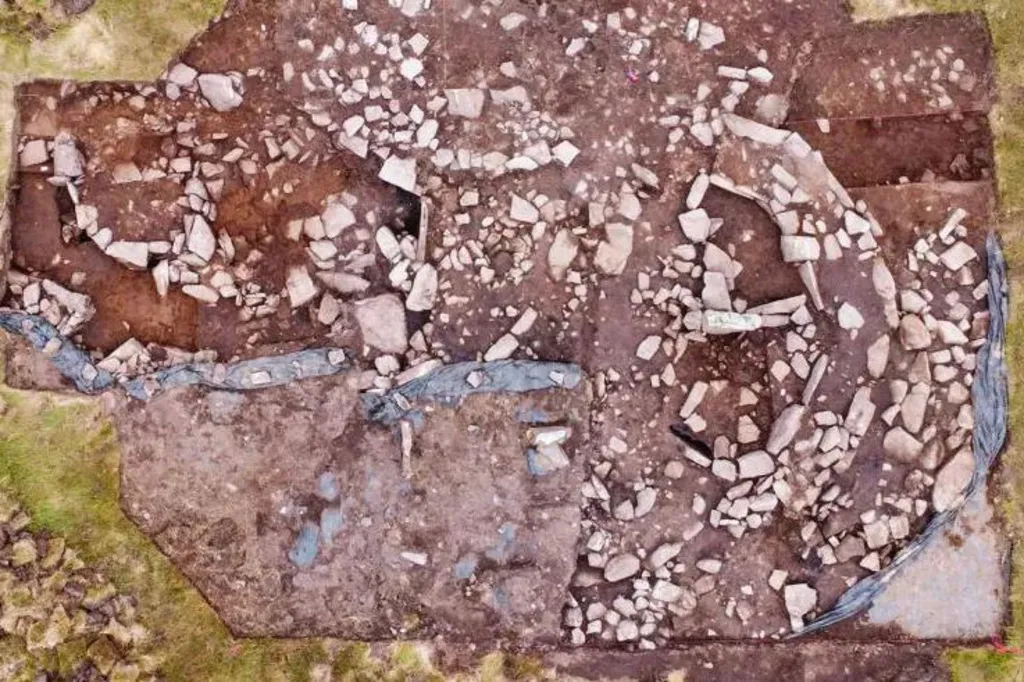
For archaeologists, that destruction is part of the site’s value. Burned deposits can preserve materials that normally vanish, especially timber. Recent seasons at Burghead have revealed preserved structural evidence, adding rare detail to how early medieval builders created and maintained a fortress of this size.
The new excavation will continue that work. It may not answer every question about Burghead, but each trench matters at a site where so much was lost before modern archaeology could record it.
Scotland’s public archaeology season
Burghead is also part of a wider summer programme promoted by Dig It!, a Scottish archaeology hub coordinated by the Society of Antiquaries of Scotland. Its 2026 listings bring together fieldwork that visitors can watch or join, from prehistoric landscapes to post-medieval estates.
Other projects this summer include work at Spurness in Sanday, Orkney, where archaeologists are investigating a prehistoric structure, and a community excavation at Bannockburn House near Stirling. At Cammo Estate in Edinburgh, fieldwork continues around the remains of a mansion, walled garden, servants’ quarters and stable block.
Burghead stands out because of what it represents. The Picts left few written records of their own, so sites like this carry much of the evidence for how power worked in early medieval northern Scotland.
Its ramparts, burned timbers and small personal objects all point to the same conclusion: Burghead was not a marginal outpost. It was a coastal centre of authority, built to be seen from land and sea, and important enough to be violently destroyed.
Cover image: Burghead in Moray, the site of a large early medieval Pictish fortress. Credit: University of Aberdeen