-

Sumer’s 4,000-Year-Old Ziggurat of Ur Is Being Restored as Climate Erosion Eats Into Ancient Iraq
Climate erosion is now threatening the 4,000-year-old Ziggurat of Ur, one of ancient Sumer’s most iconic monuments, as restoration work begins in Iraq’s Dhi Qar province to protect the sacred tower from salt, sand and rising heat. The monument, built around 2100 BC by King Ur-Nammu and dedicated to the moon god Nanna, has survived…
-

Rare Bronze Sword Reveals How Sardinia’s 3,200-Year-Old Towers Became Sacred Sites
Inside a 3,200-year-old stone tower in Sardinia, archaeologists found a sealed well, shattered ceremonial vessels and a bronze sword that was never meant for battle. The discovery at Nuraghe Barru, in south-central Sardinia, is now changing how researchers understand the afterlife of the island’s famous Bronze Age towers. These massive stone monuments, known as nuraghi,…
-
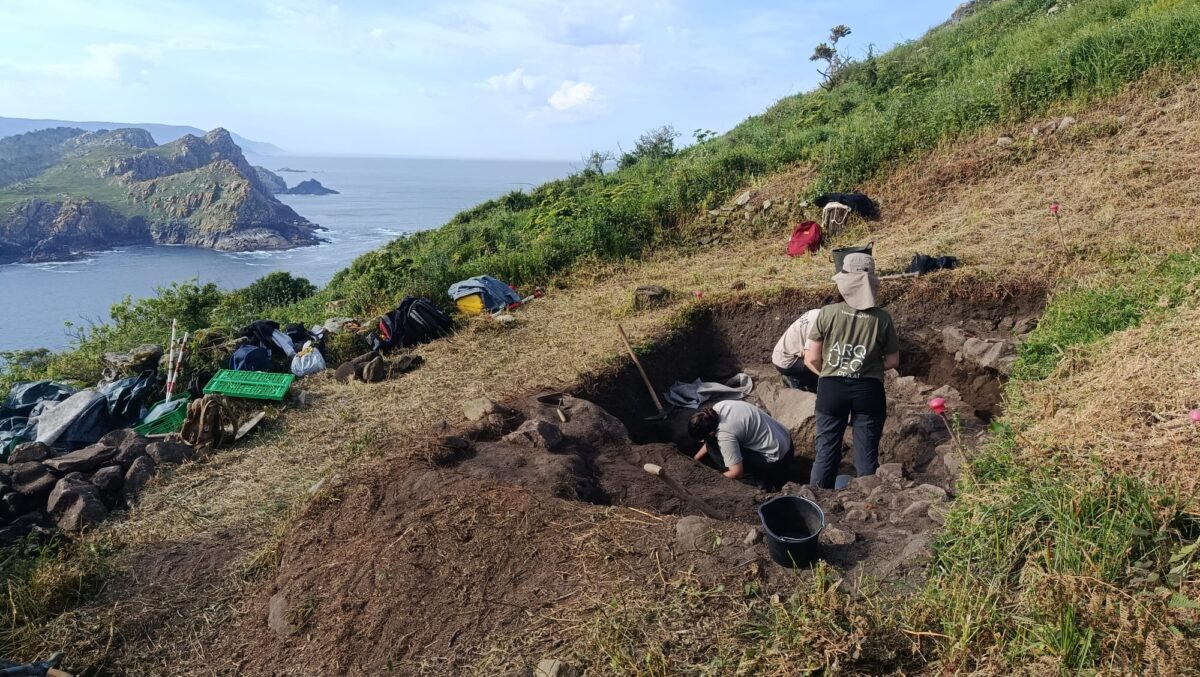
First Large Iron Age House Found on Spain’s Cíes Islands Reveals Pre-Roman Life on the Atlantic Edge
Researchers from the Universidade de Vigo have confirmed the first large castro-period domestic structure ever documented in Spain’s Cíes Islands, offering the clearest evidence yet that people lived in the archipelago before Roman power reached this part of the Atlantic coast. The discovery was made at Castro de Hortas, an Iron Age hillfort on the…
-
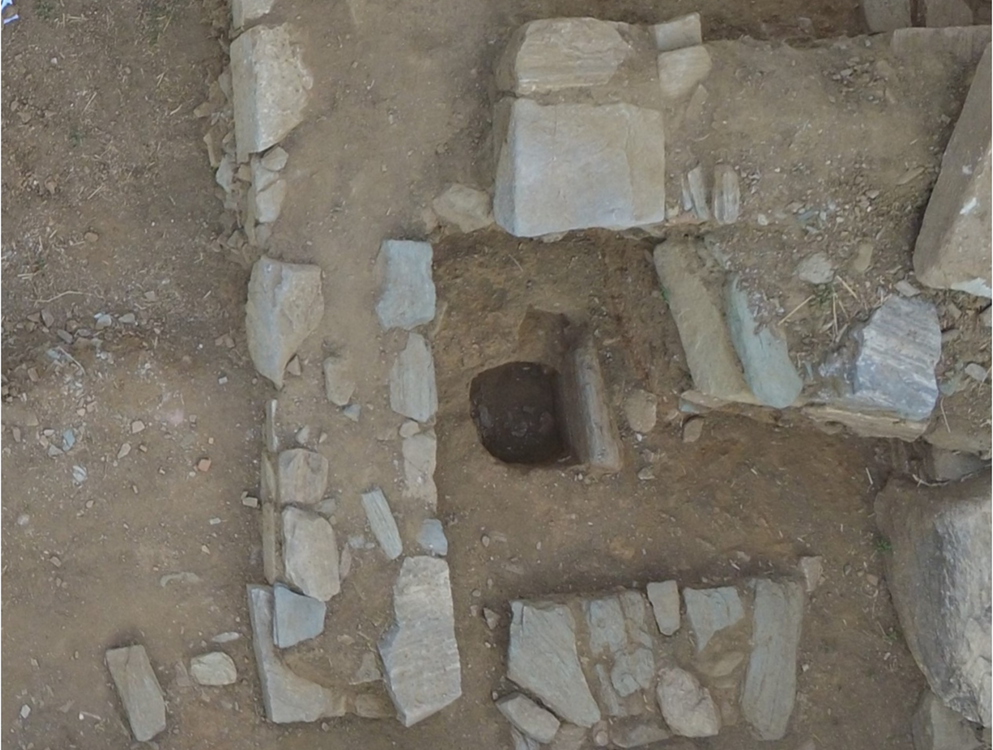
Dark Iron Slags on a Greek Island Reveal a Hidden Industry from the Age After Alexander
Ancient iron slags on Andros are revealing a hidden industrial world from the age after Alexander the Great, when Greek islands, mines and ports became part of the power struggles that reshaped the Hellenistic Aegean. At first glance, the discovery is not spectacular. There is no sword, no royal inscription, no battlefield trophy. The evidence…
-
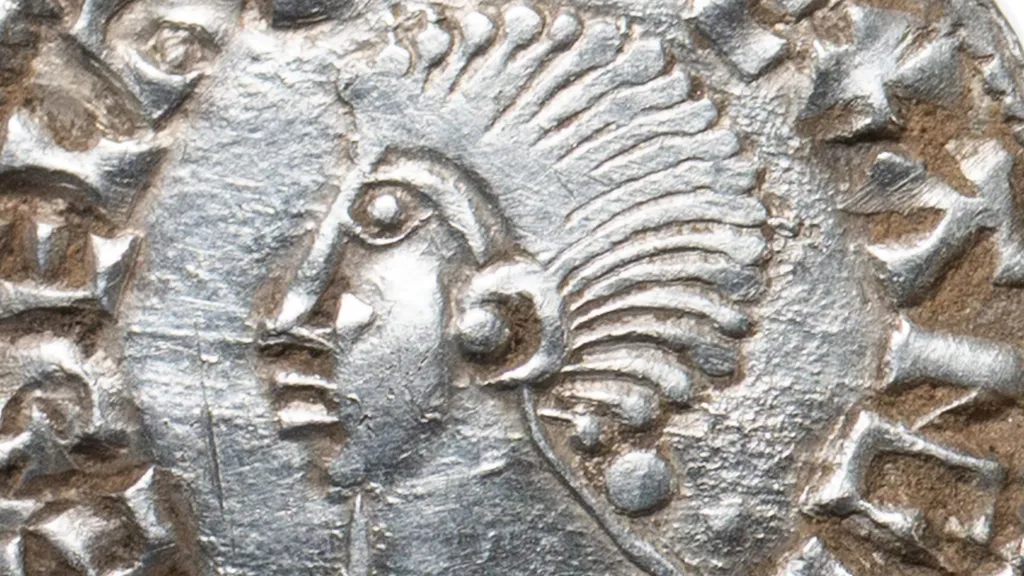
14 Saxon Silver Pennies Found Near Maldon Reveal England’s Viking-Age Anxiety
The small Essex hoard dates to a troubled reign marked by Viking pressure, Danegold payments and political instability in Anglo-Saxon England Ethelred the Unready is once again at the center of England’s Viking-age story after a hoard of 14 Saxon silver pennies was discovered near Maldon in Essex. The coins, struck for King Ethelred II…
-
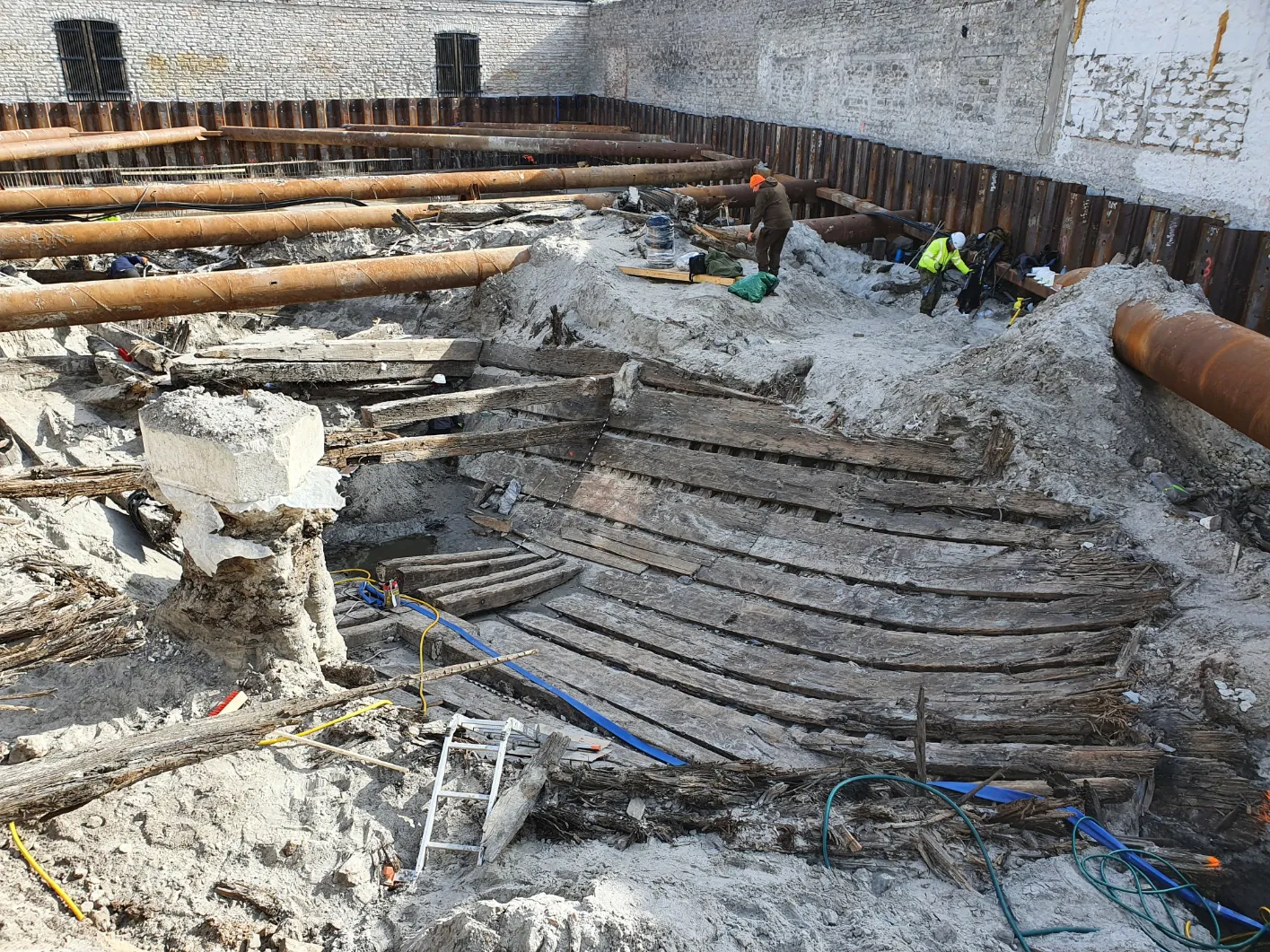
Workers in Tallinn Uncover a 14th-Century Ship With a Rare Medieval Compass
A 14th-century ship uncovered beneath a construction site in Tallinn has turned an ordinary office project into one of northern Europe’s most revealing medieval maritime discoveries. The find was made at Lootsi Street 8, near Tallinn’s old harbor area, when workers digging foundations struck wooden remains about 1.5 meters below the surface. Archaeological monitoring stopped…
-
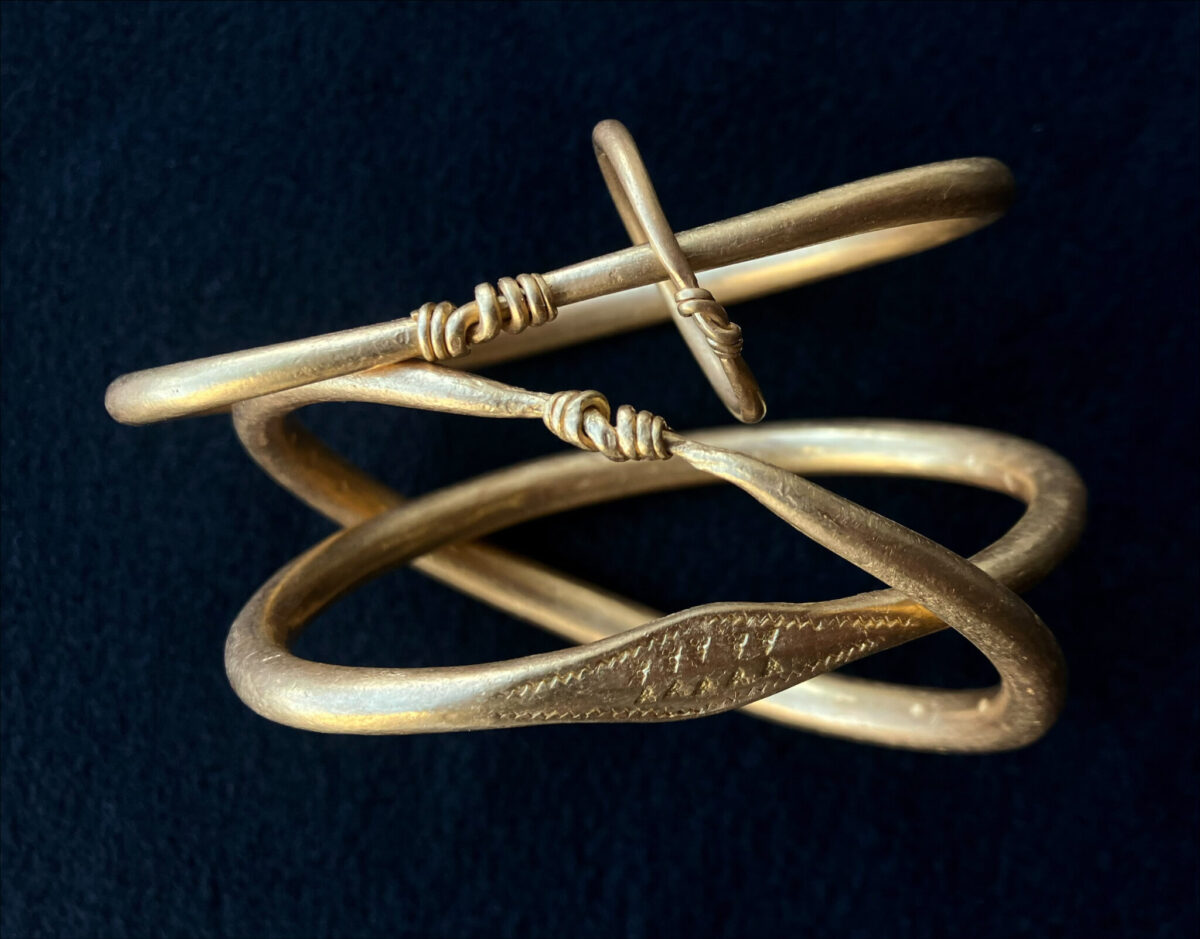
Viking Gold Hoard Found Beside Forest Road Reveals Six Rare Arm Rings in Denmark
A faint flash of Viking gold beside a forest track in northern Denmark has led archaeologists to six rare gold arm rings, now identified as one of the country’s largest Viking-age hoards. The discovery, now known as the Rold Hoard, consists of six intact gold arm rings weighing a total of 762.5 grams. According to…
-
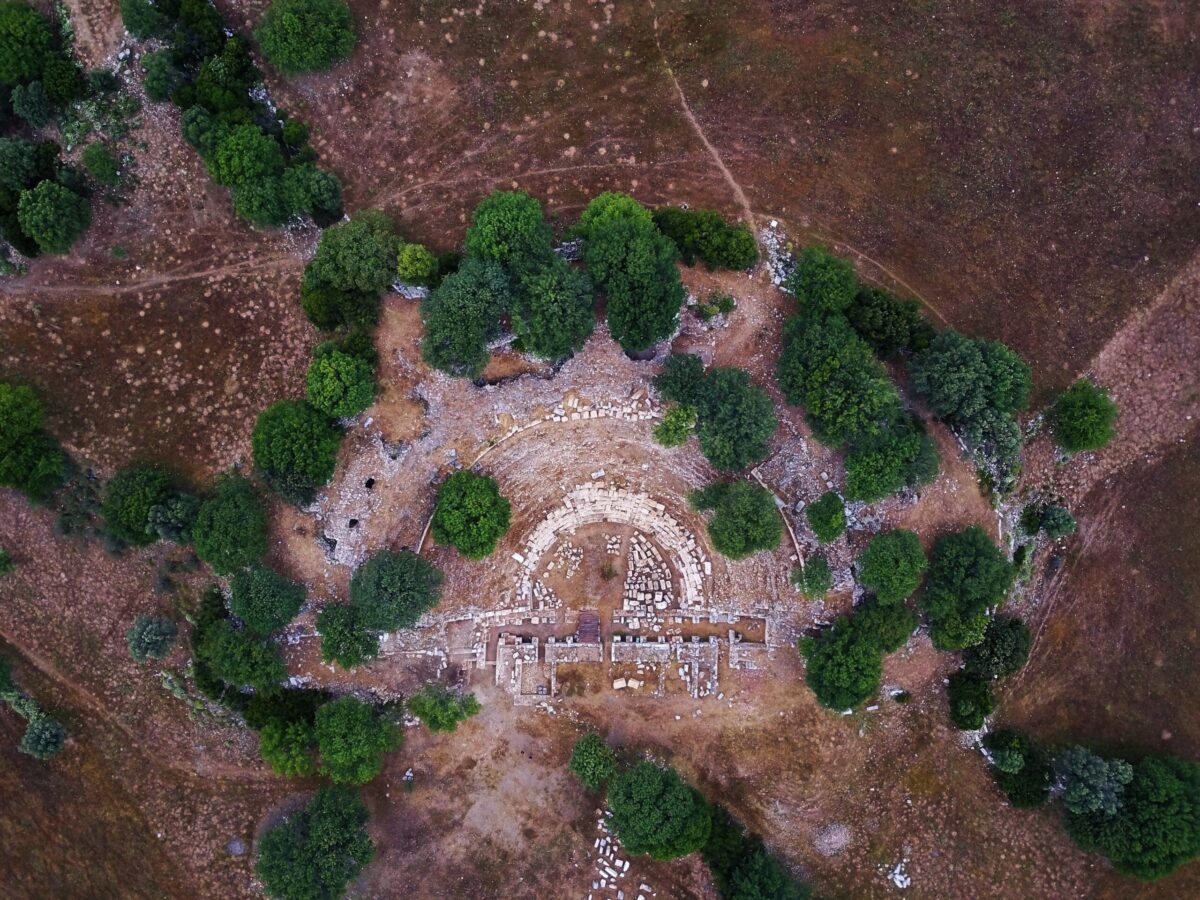
New Inscriptions Reveal How Roman Businessmen Entered the Heart of Ancient Teos
Two inscriptions found in the Sanctuary of Dionysos show that Roman commercial power reached Teos not through conquest, but through markets, marble and civic life. Rome did not always enter Anatolia with armies. Sometimes it arrived through contracts, ships, market officials and businessmen who knew how to turn local connections into lasting influence. In the…
-
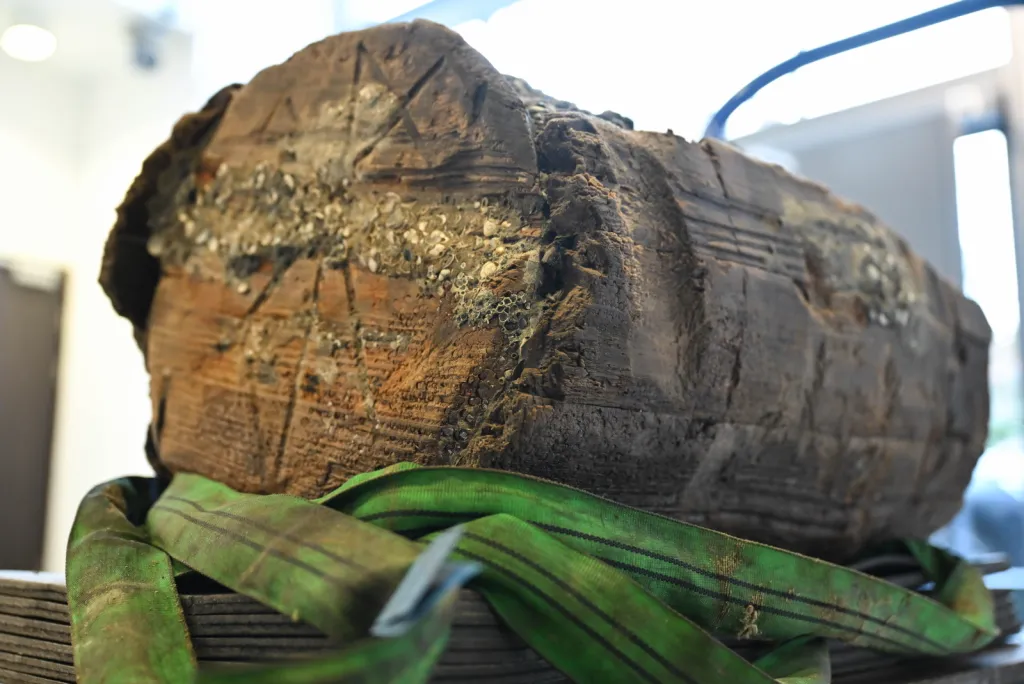
A Barrel of Medieval Iron Found Beneath the Baltic Sea May Reveal a Lost Trade Network
Medieval Iron sealed inside a wooden barrel has been recovered from the floor of the Baltic Sea, offering archaeologists a rare glimpse into the cargo that once moved through northern Europe’s maritime trade routes. The barrel was discovered off the coast of Pomerania during underwater survey work connected to the construction of Poland’s first nuclear…