-
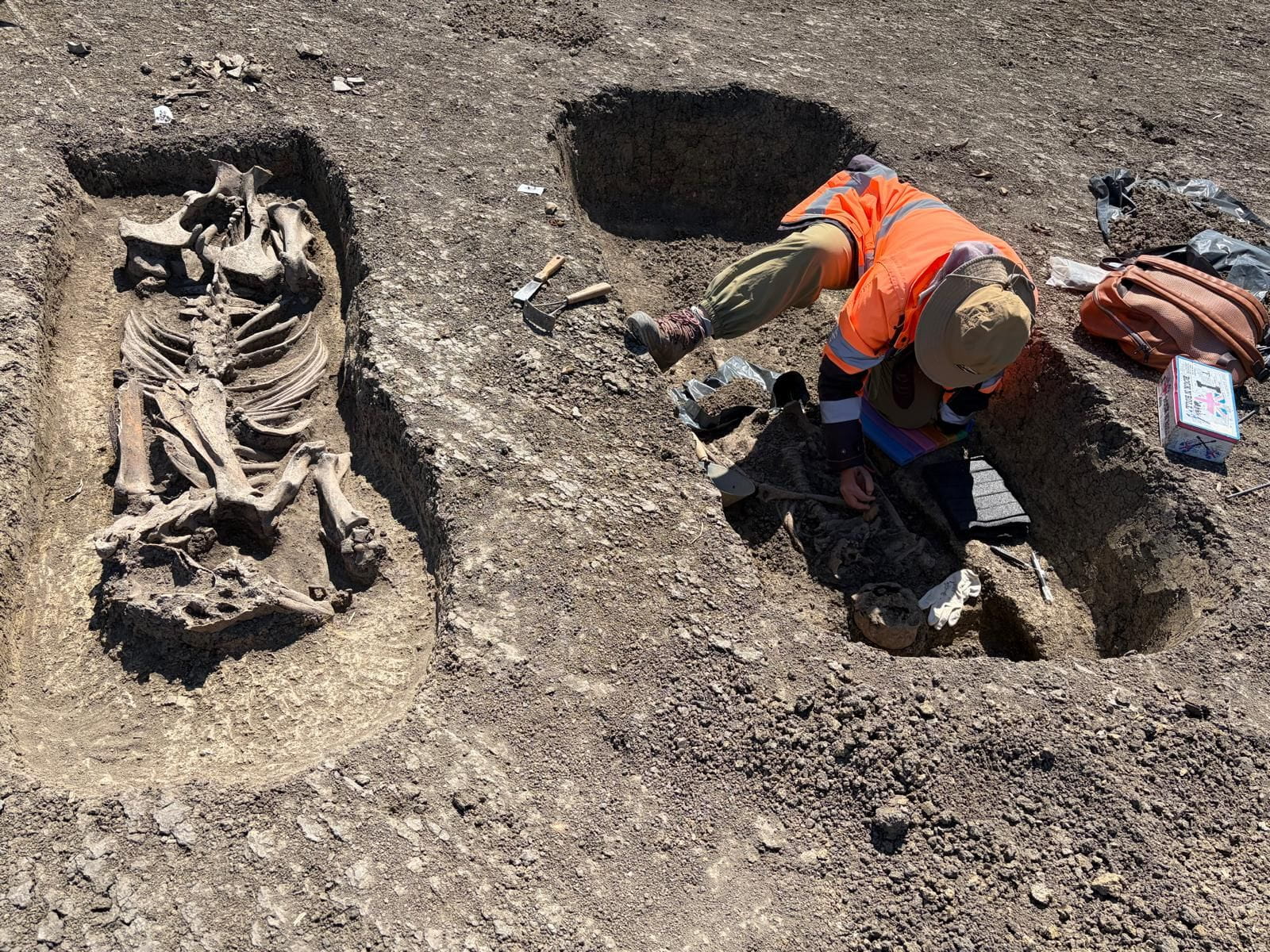
1,300-Year-Old Avar Warrior Buried with His Horse Unearthed on Romania Bypass Route
An Avar warrior grave uncovered on a modern bypass route in western Romania is offering a rare look into the world of early medieval mounted elites, where power could be buried with a horse, precious metal objects, and the memory of a warrior’s rank. The burial was discovered during archaeological investigations on the route of…
-
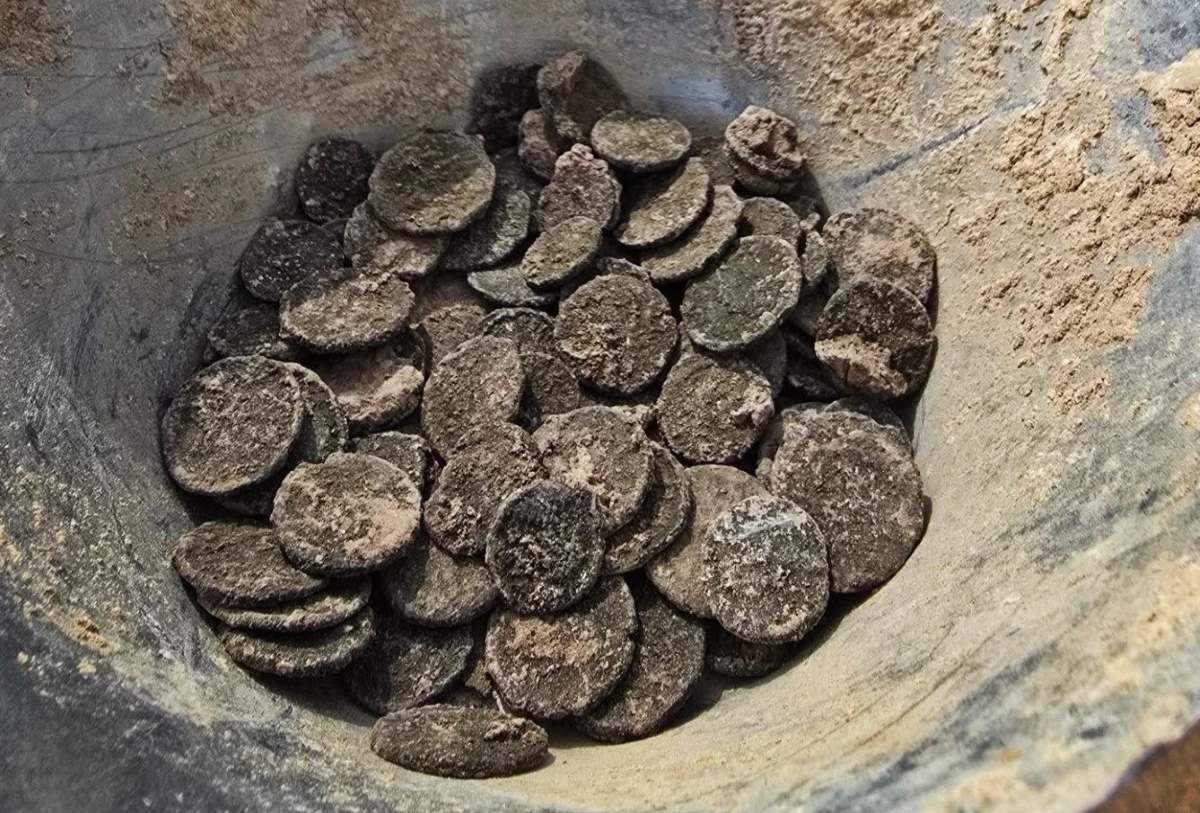
302 Roman Coins Found in Croatia May Mark the Last Pay of a Danube Watchtower Garrison
The first coin appeared in the soil of a defensive ditch. Then another surfaced. Within a small area near the village of Mohovo in eastern Croatia, archaeologists soon realized they were not dealing with ordinary lost change, but with a concentrated hoard of 302 Roman coins buried beside a frontier watchtower on the Danube. The…
-
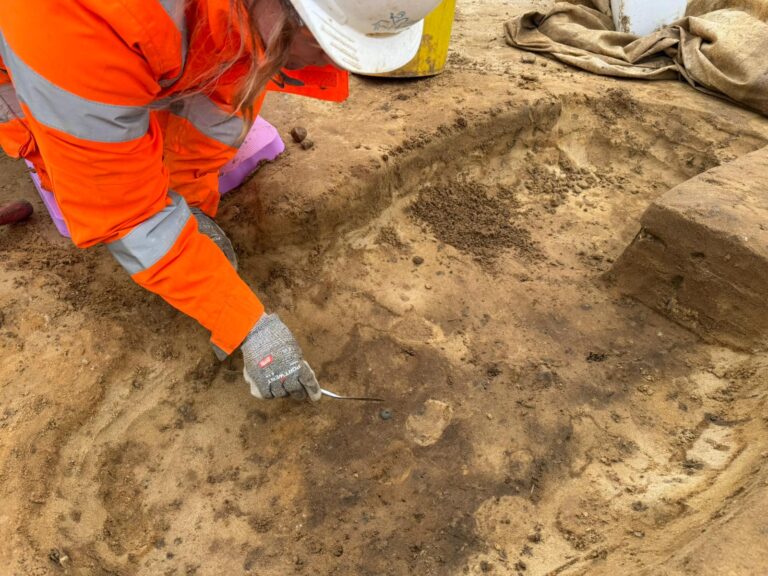
Archaeologists Unearth Roman Brooches, Anglo-Saxon Beads and a Medieval Pilgrim Object in Suffolk
Archaeologists from Oxford Cotswold Archaeology, working as part of the ongoing excavations connected with the Sizewell C nuclear power station project, have uncovered a remarkable group of personal ornaments. The finds include Roman brooches, a decorated hair or dress pin, Anglo-Saxon beads from burial grounds, and a medieval object that may once have been worn…
-
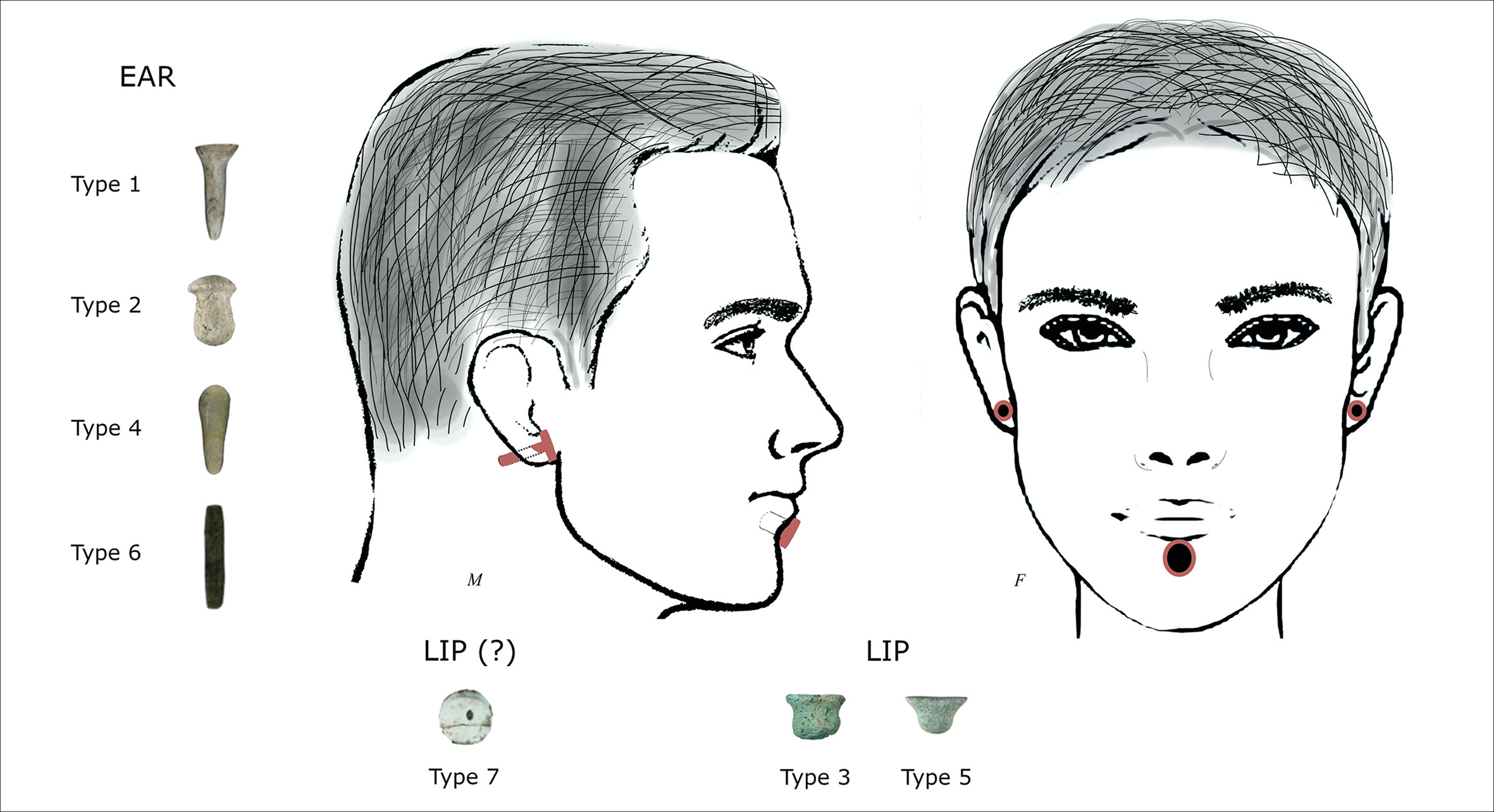
11,000-Year-Old Piercing Evidence at Boncuklu Tarla Reveals How Neolithic People Shaped Identity Through the Body
Boncuklu Tarla Neolithic piercing evidence from southeastern Türkiye suggests that people were modifying their bodies with lip and ear ornaments thousands of years earlier than many might expect. Piercing may seem like a modern form of self-expression, but finds from Boncuklu Tarla in Mardin reveal a much older story. At this Pre-Pottery Neolithic settlement near…
-
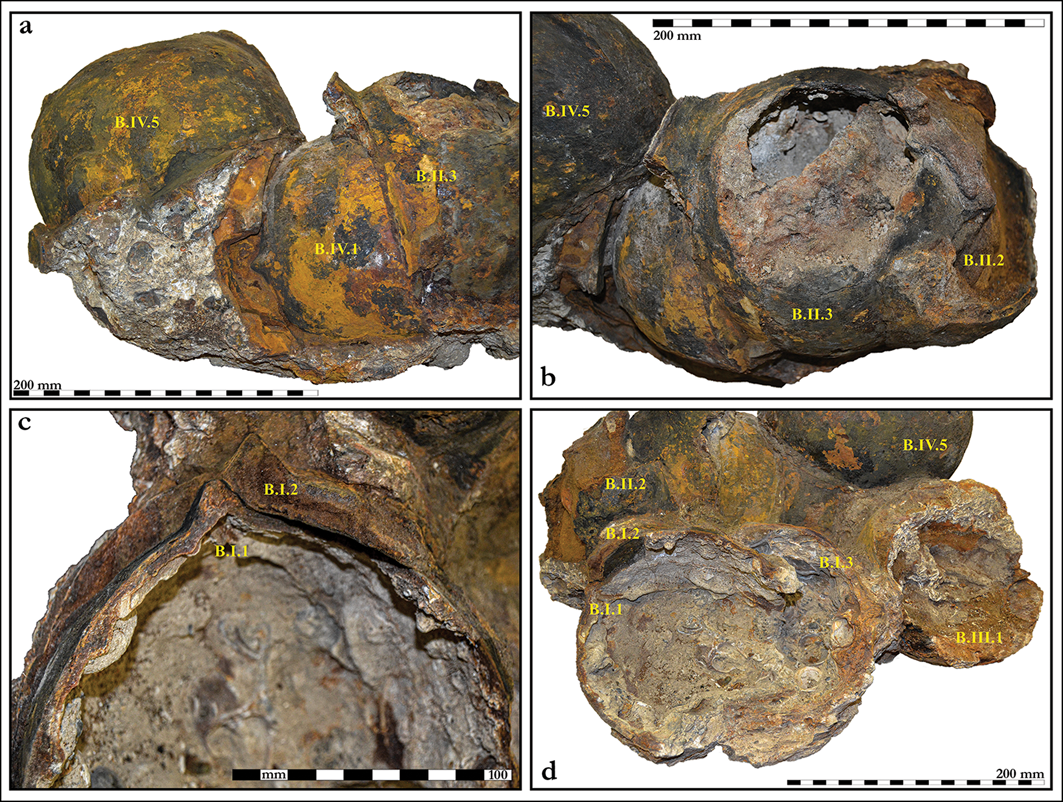
600-Year-Old Helmets Found off Spain’s Coast Were Not Roman After All
Medieval helmets found off Spain’s coast have overturned a long-standing archaeological assumption. For decades, a group of iron helmets recovered from the seabed near Benicarló, in eastern Spain, seemed to belong to the ancient Mediterranean world. They had been found in the same underwater zone as Roman anchor stocks, amphorae and bronze helmets, so the…
-

400,000-Year-Old Teeth in China Reveal the First Molecular Evidence from Homo erectus
Chinese scientists have recovered the first molecular data from Homo erectus, using proteins preserved inside 400,000-year-old teeth from China. The discovery, published in Nature, does not involve ancient DNA. Instead, it opens a rarer and more durable archive: tooth enamel, where biochemical traces can survive long after genetic material has disappeared. For a species long…
-
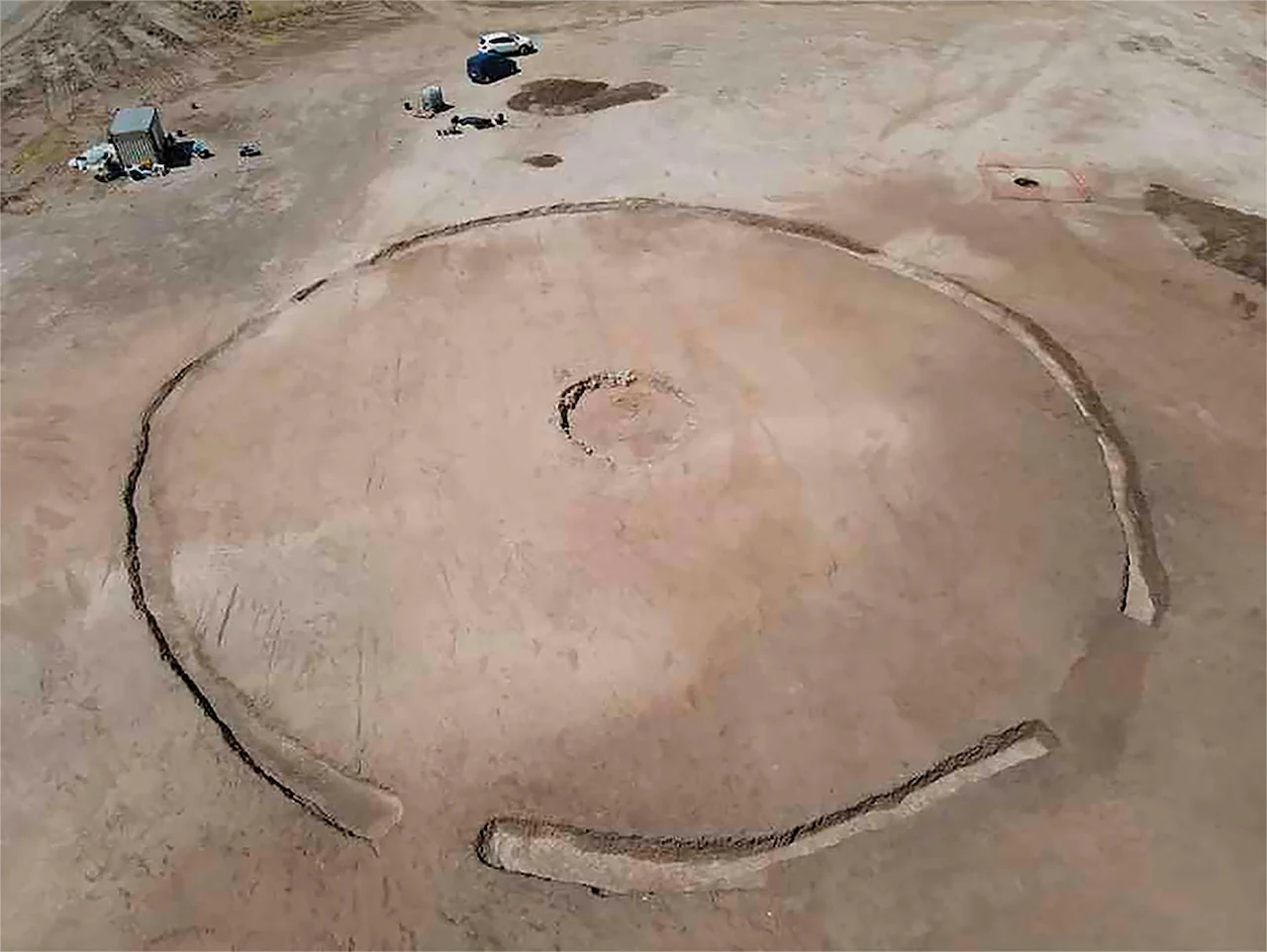
6,000-Year-Old Planned Necropolis in Toledo Shows Inland Iberia Built Monuments Earlier Than Expected
The Valdelasilla megalithic necropolis in Toledo is pushing one of Iberian archaeology’s major questions away from the coast and into the heart of central Spain. Beneath a gently sloping field in Illescas, not far from the Tagus River basin, archaeologists have identified the oldest known monumental necropolis in the interior of the Iberian Peninsula. New…
-
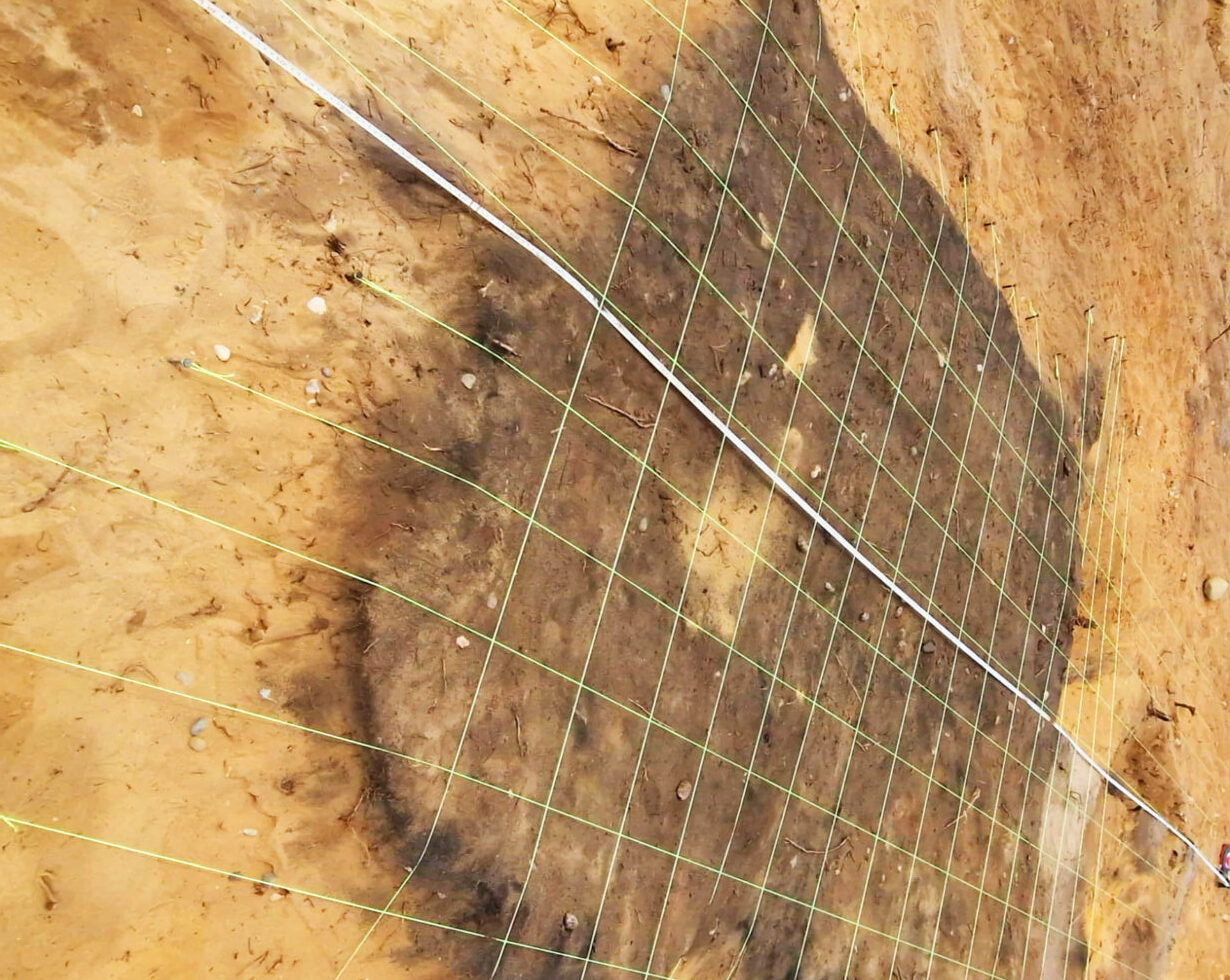
Rare Funeral Pyre at Sizewell C Captures the Moment Prehistoric Britons Sent Their Dead Into the Fire
A rare funeral pyre at Sizewell C has revealed one of the most elusive stages of ancient burial practice: the moment when a body was placed on timber, set alight and transformed by fire. The discovery was made at Goose Hill, part of the archaeological investigations linked to the Sizewell C project on England’s Suffolk…
-
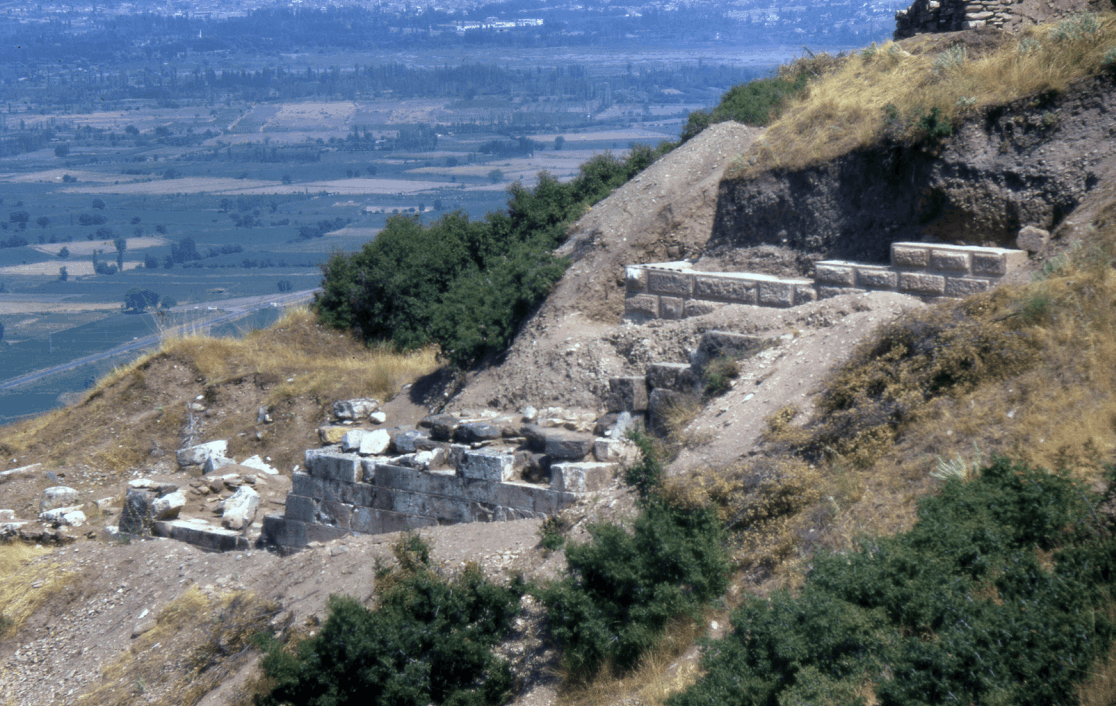
Before Croesus, 2,600-Year-Old Sardis Stepped Terraces Shaped Lydia’s Royal Capital
Sardis stepped terraces are giving archaeologists a new way to read one of the ancient world’s most powerful capitals: not only as a city of wealth, but as a city deliberately engineered into authority. A new study by Güzin Eren, published in Arkeoloji Dergisi, examines a group of 2,600-year-old stepped terraces built during the reign…