-
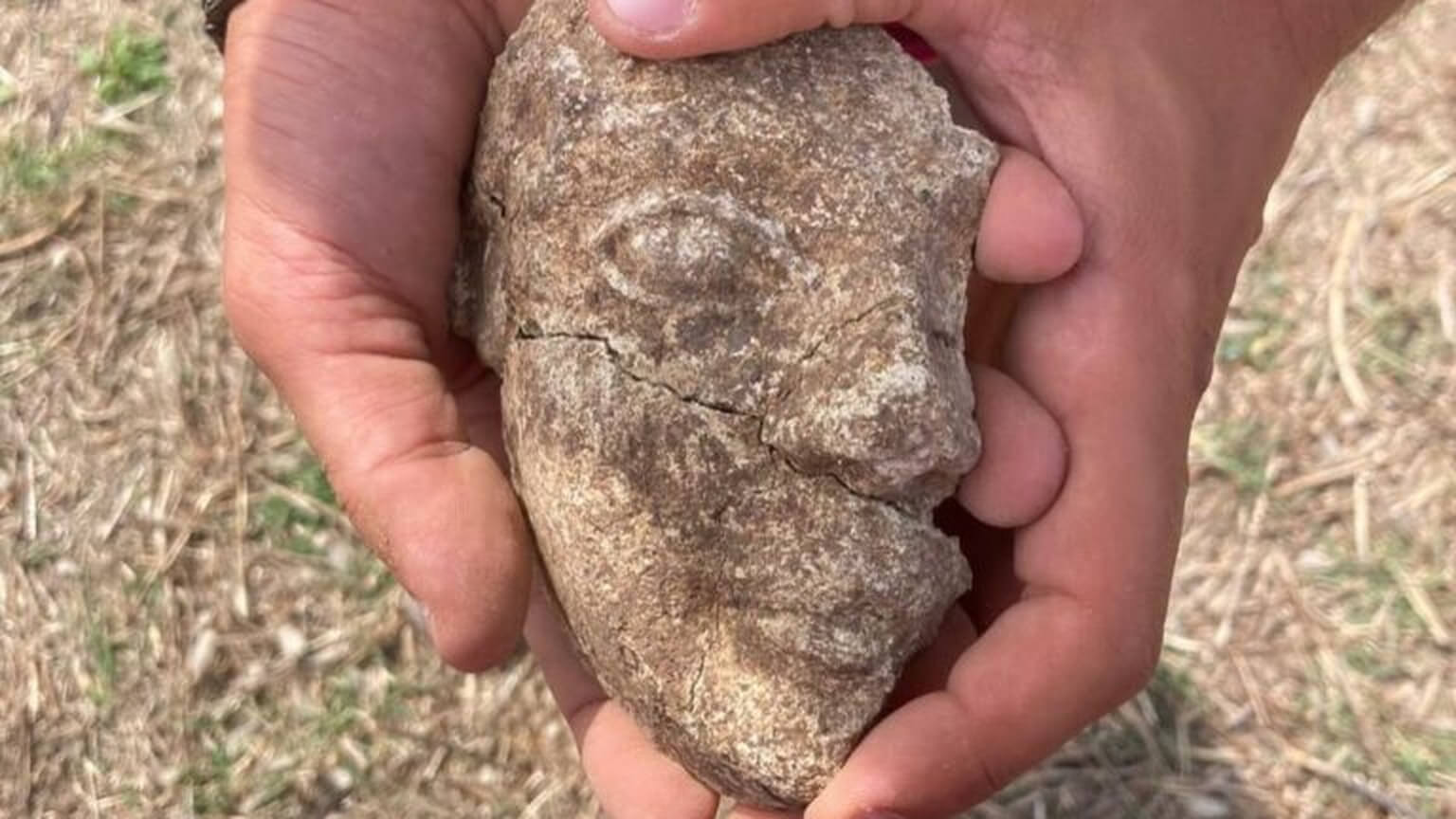
2,500 Years Later, the Face of an Etruscan Goddess Emerges at Her Own Temple
A terracotta fragment depicting the face of the Etruscan goddess Uni has been unearthed at Pyrgi, an ancient sanctuary on Italy’s Tyrrhenian coast. The discovery was made in the area of Temple B, a sacred building dedicated to the same goddess more than 2,500 years ago. Archaeologists from Sapienza University of Rome recovered the fragment…
-
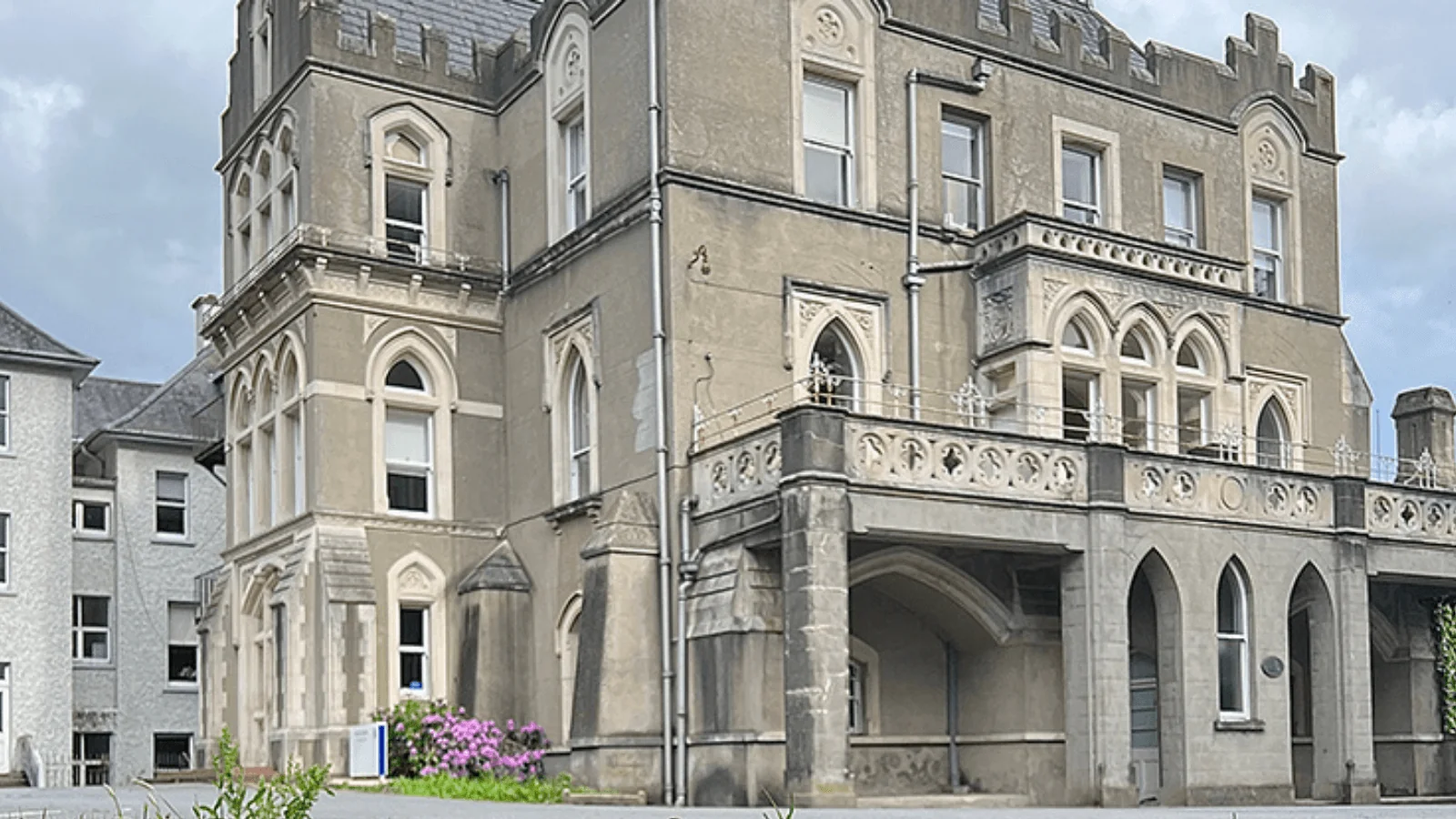
An 800-Year-Old Castle Was Hiding Inside a Victorian Building in Dublin
For generations, Roebuck Castle on the campus of University College Dublin appeared to be a largely Victorian building. Its medieval predecessor was believed to have vanished long ago, cleared away as successive owners transformed the property into a more comfortable residence. The approximately 800-year-old castle, however, never entirely disappeared. New research published in Archaeology Ireland…
-
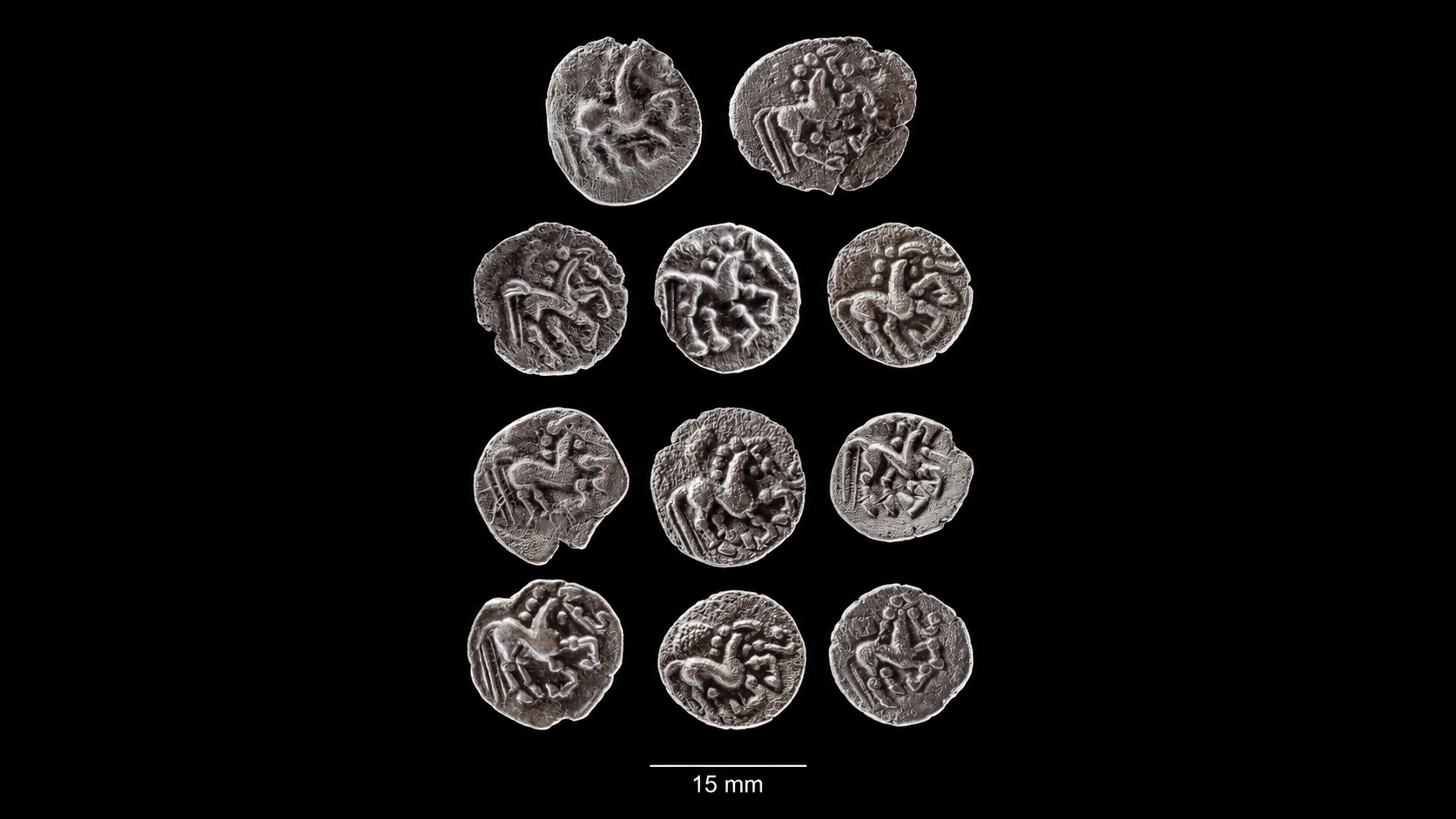
Ploughing Scattered This 2,000-Year-Old Celtic Silver Hoard Across a German Sports Field
Eleven small silver coins discovered beneath a former sports field in central Germany have been identified as the largest Celtic hoard of its kind ever recorded in Thuringia. Although centuries of farming had pulled the coins away from their original hiding place, archaeologists were able to show that they once formed a single deposit. The…
-
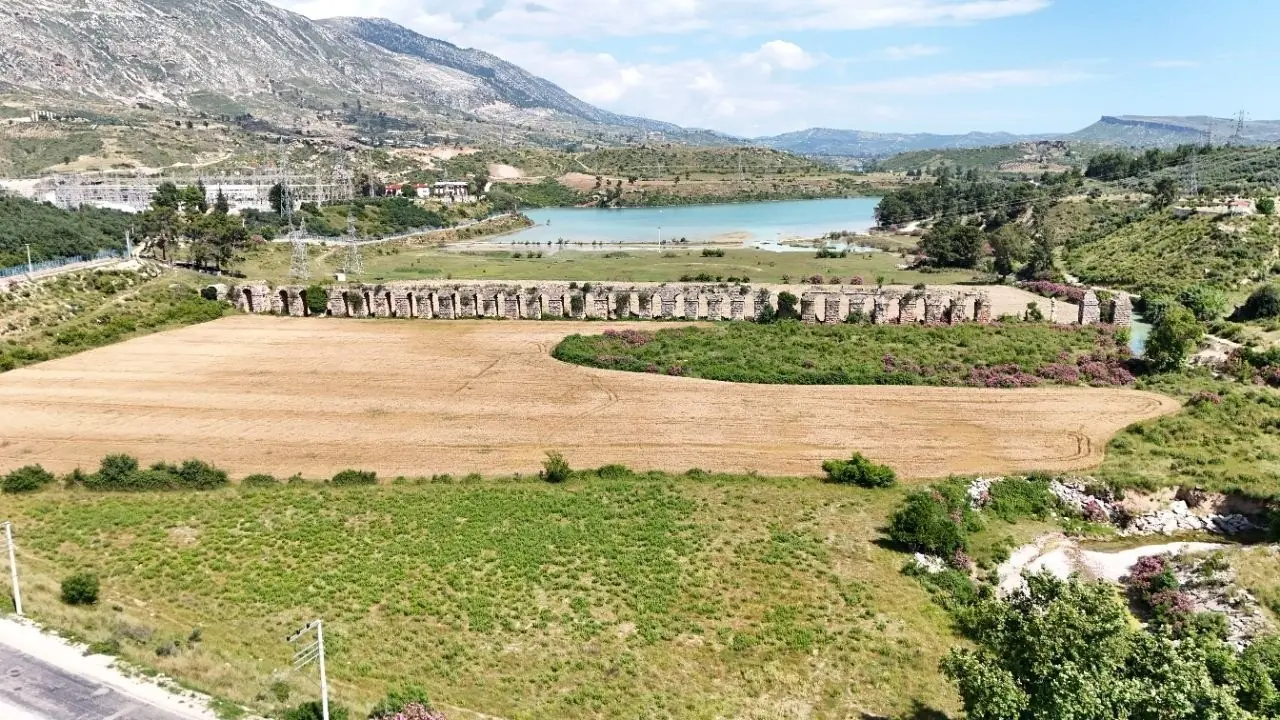
The 1,800-Year-Old Aqueduct That Kept Roman Side Alive Is Falling Apart
Roman Side is remembered for its theatre, temples, baths and monumental fountains. Yet the water that sustained this wealthy Mediterranean port began its journey far beyond the city, in the foothills of the Taurus Mountains. Near Oymapınar in Antalya’s Manavgat district, the damaged remains of that ancient supply network still cross the landscape. Recent photographs…
-
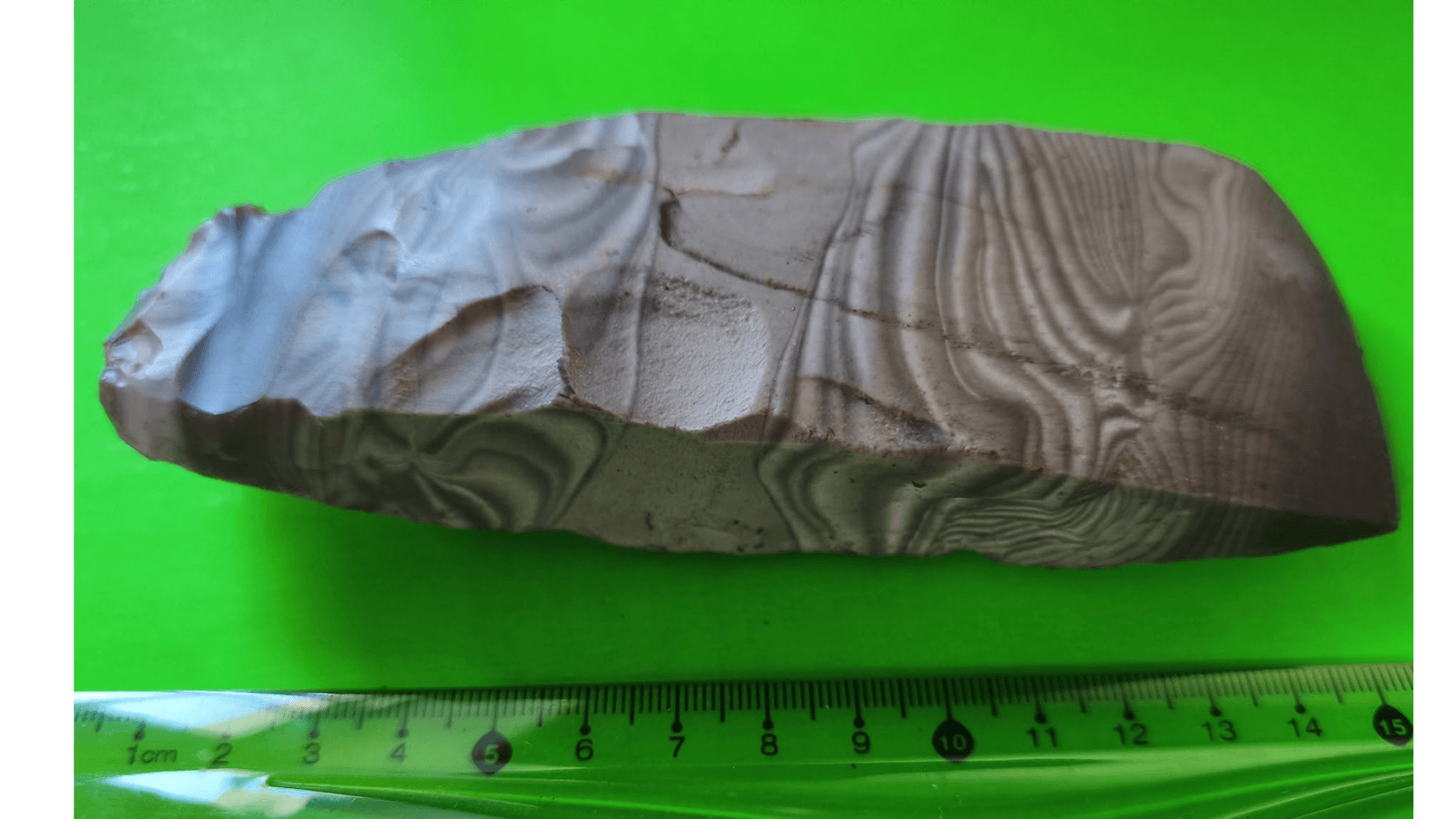
Colorful Stone Found in a Polish Tobacco Field Is a Nearly 6,000-Year-Old Axe
A colorful stone uncovered while a couple were weeding tobacco in eastern Poland has been identified as a nearly 6,000-year-old Neolithic axe. Made from distinctive striped flint, the remarkably well-preserved tool may add to evidence that the surrounding region was more intensively occupied in prehistory than archaeologists once believed. Agnieszka and Krzysztof Obszański discovered the…
-
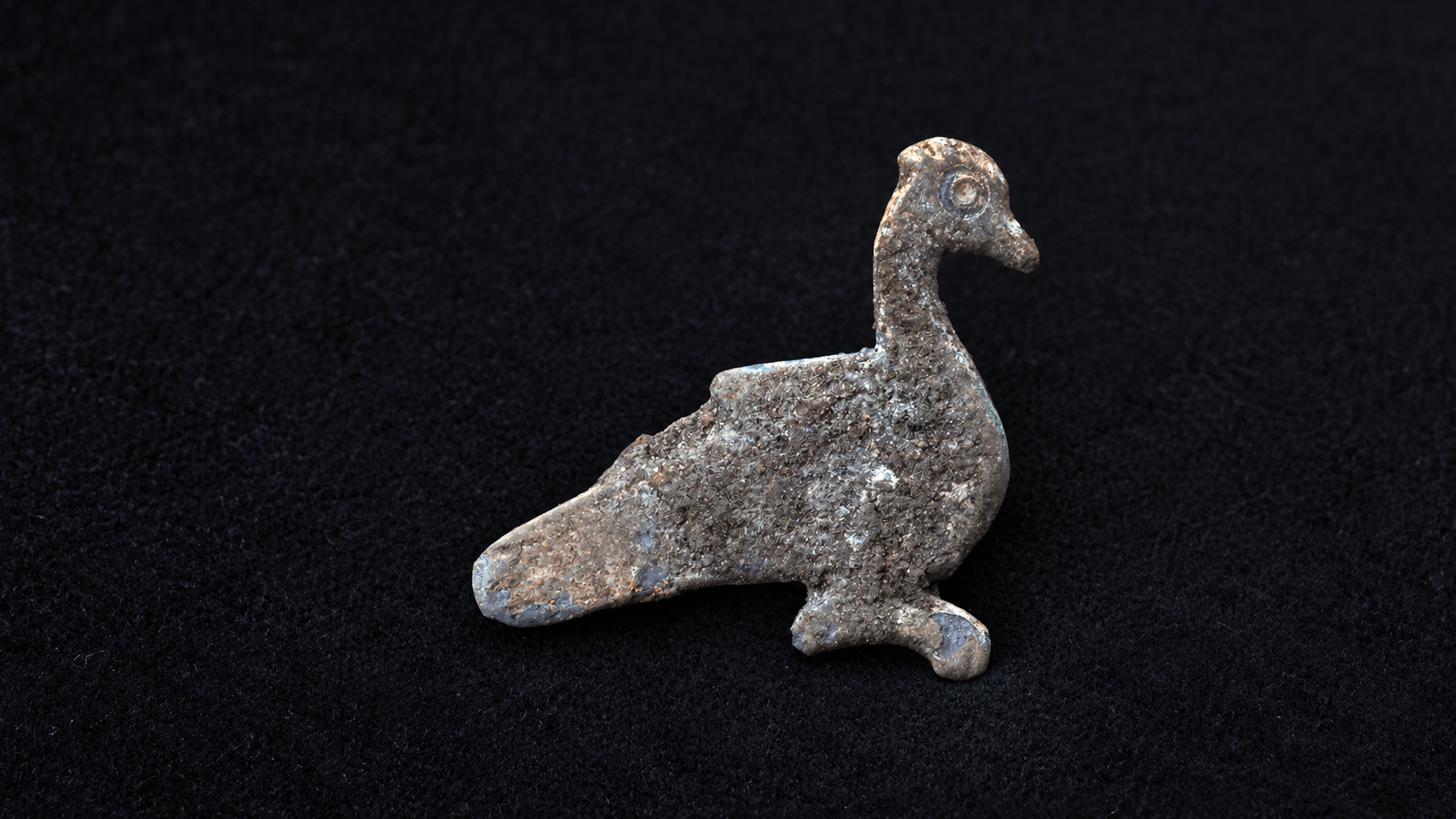
Roman Settlement Destroyed by Fire Discovered in Switzerland
Archaeologists excavating ahead of a housing project in southern Switzerland have uncovered a Roman settlement containing evidence of iron and bronze working on a significant scale. The complex, occupied during the second and third centuries AD, came to a violent end when a fire brought down its tiled roof. The discovery was made near Via…
-
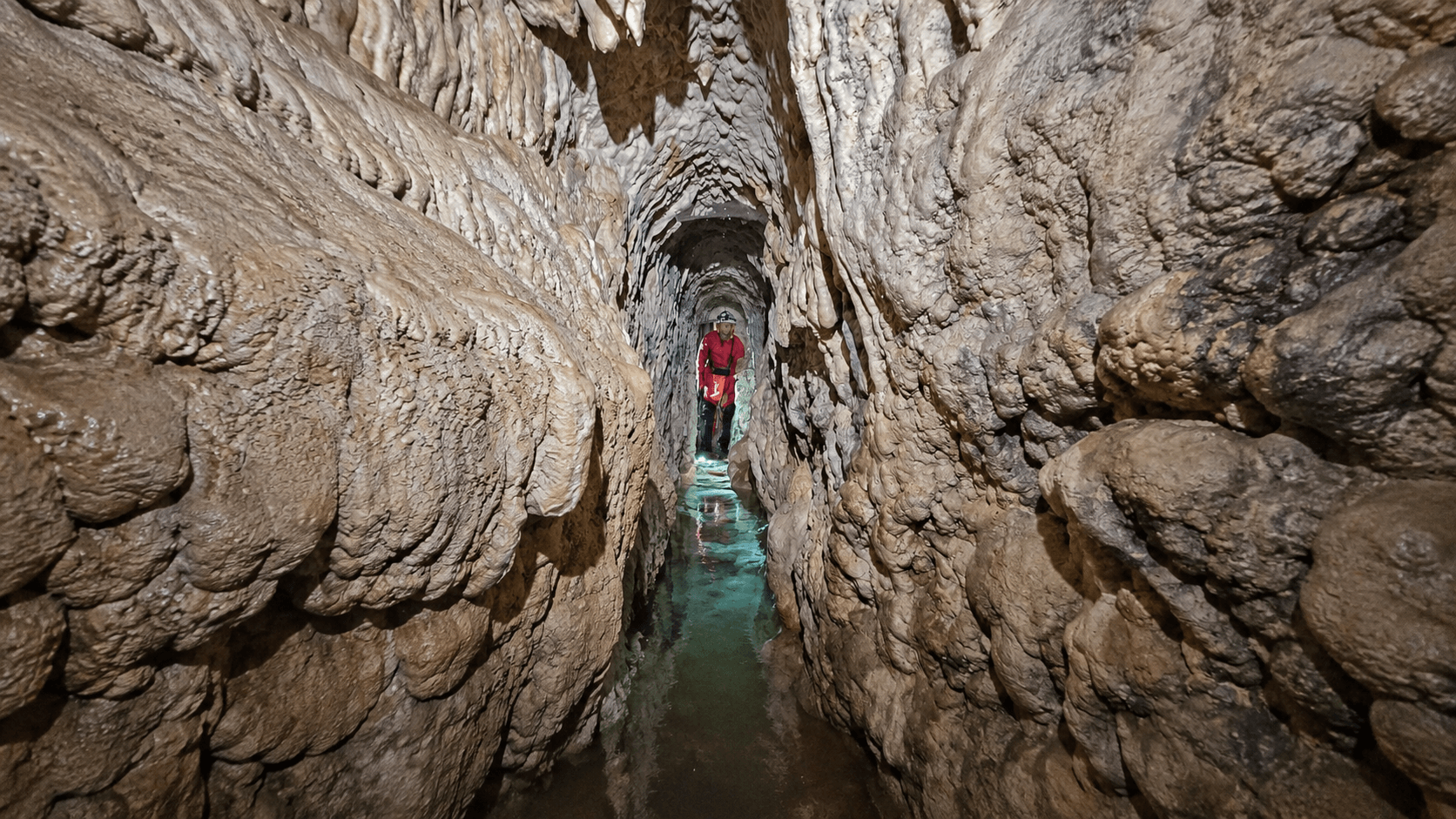
Before Roman Rule, the Sabines Carved This 100-Meter Aqueduct Through Solid Rock
Long before Rome absorbed the Sabine territories of central Italy, communities in the hills northeast of the city were already reshaping the landscape to control water. Archaeologists have now documented a rock-cut aqueduct near the ancient settlement of Trebula Mutuesca, revealing sophisticated engineering from the region’s pre-Roman past. The underground structure was discovered at Monteleone…
-
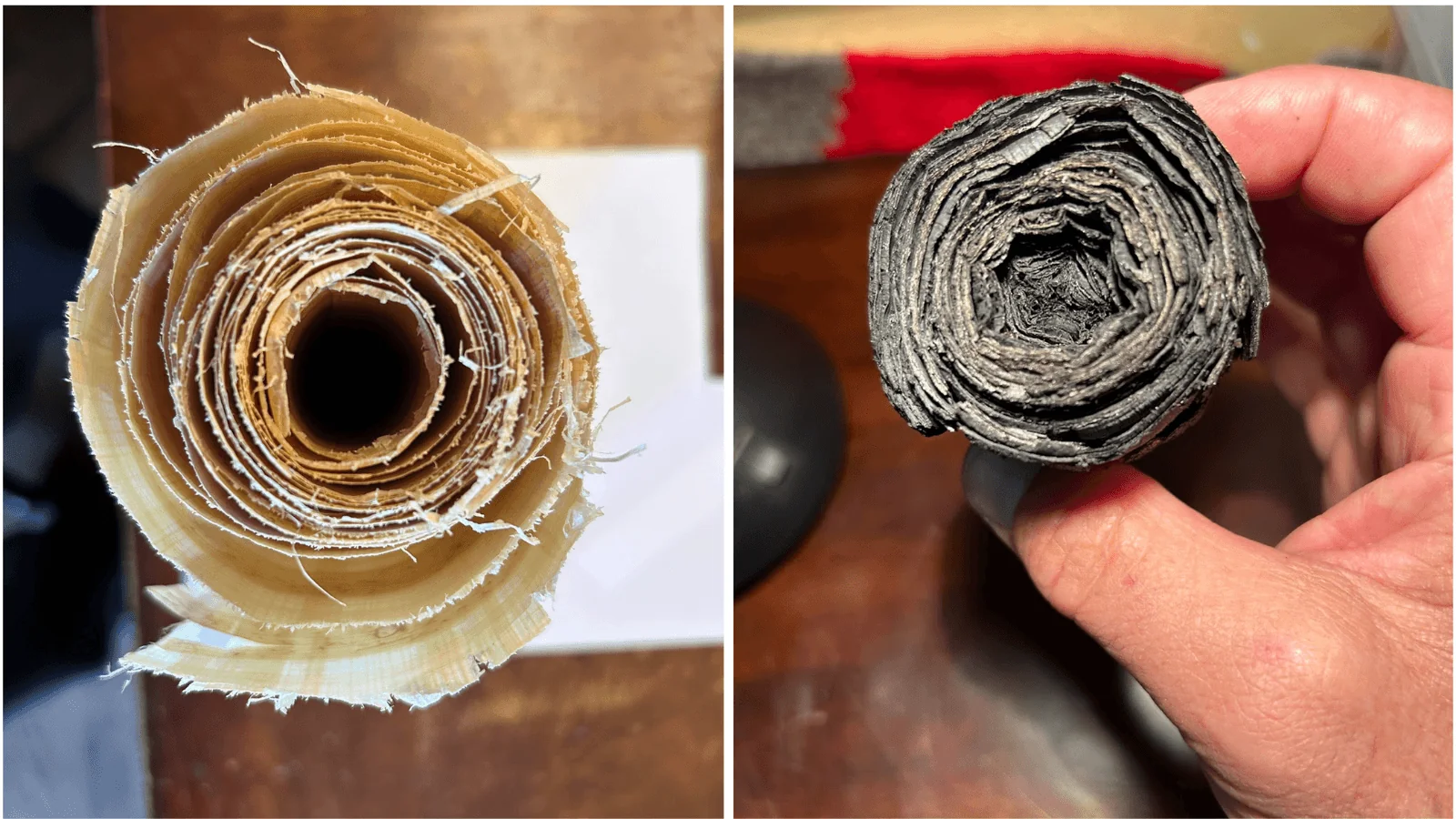
To Read 2,000-Year-Old Scrolls, Scientists Burned Their Own
To help read 2,000-year-old scrolls buried by Mount Vesuvius, scientists created new papyrus manuscripts, wrote on them with lead-laced ink and deliberately burned them. The unusual experiment could provide a practical way to identify the most promising texts among the carbonized remains of the Herculaneum library. The laboratory-made scrolls were not filled with ancient philosophy.…
-
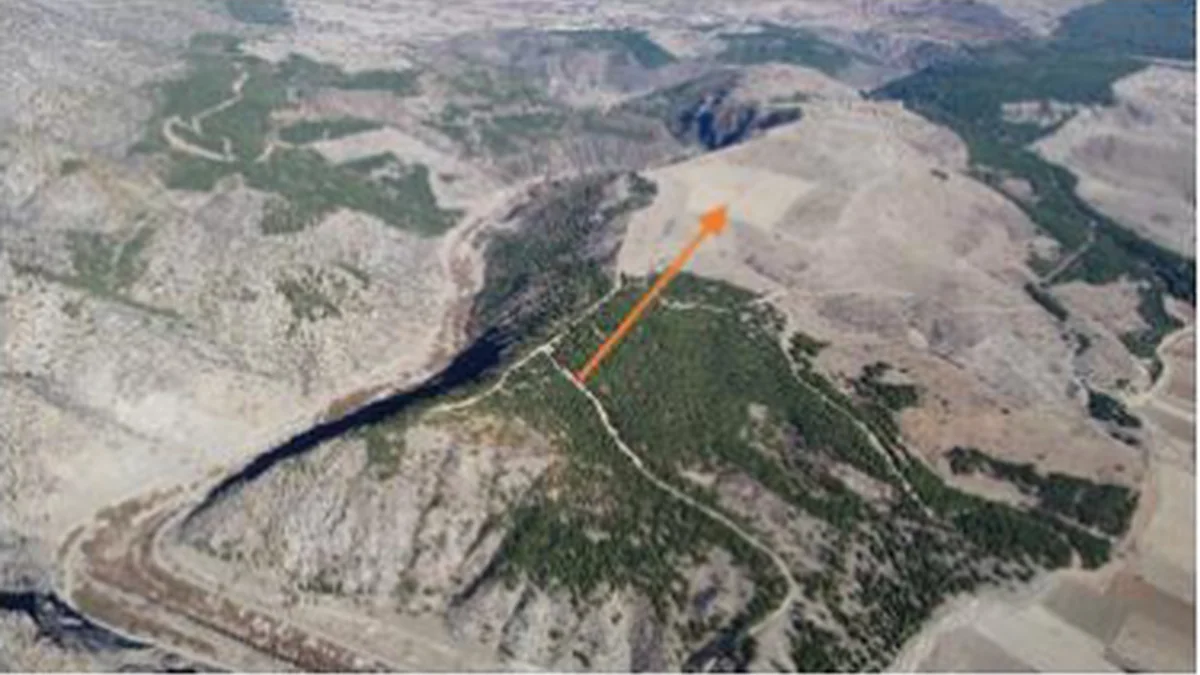
Lost Castle from a Battle That Changed Anatolia May Have Been Found
In September 1176, a large Byzantine army advanced into Anatolia with siege engines, supply wagons and ambitions of restoring imperial control over the region. Along its route, the soldiers passed the lost castle now associated with Myriokephalon before entering a confined valley where Seljuk forces launched an attack that changed the balance of power in…